
Area Rug Value: How to Tell If a Rug Is Worth the Price
When you’re looking at an area rug, a floor covering designed to define space, add comfort, and enhance room aesthetics. Also known as floor rug, it’s one of the few home items that can instantly change how a room feels—without a single wall being touched. But not all rugs are created equal. Some cost a few hundred pounds and last a few years. Others run into thousands—and last decades. So what makes one rug worth more than another? It’s not just brand names or fancy labels. It’s the details most people miss.
The real area rug value comes down to four things: material, knot density, origin, and age. Wool rugs, for example, hold up better than synthetic ones. They’re naturally stain-resistant, soft underfoot, and don’t shed as much over time. A hand-knotted rug from Iran or India with 100+ knots per square inch is going to be more durable—and more valuable—than a machine-made rug with loose threads and a thin backing. You can even check the back: if you can see the pattern clearly through the weave, it’s likely hand-knotted. If the backing looks like plastic or glue, it’s probably mass-produced.
Then there’s age. A well-cared-for vintage rug can be worth more than a brand-new one, especially if it’s from a known region like Kashan or Heriz. These rugs often have unique patterns passed down through generations, and the dyes used were made from natural plants and insects—not chemicals. That means the colors don’t fade as fast. You’ll also notice how the fringe is attached. On a quality rug, the fringe is an extension of the warp threads, woven right into the body. On cheap ones, it’s sewn on like an afterthought.
Don’t forget the pile height and backing. Low-pile rugs are easier to clean and better for high-traffic areas. Thick, plush rugs feel luxurious but trap dirt and are harder to vacuum. And the backing? A good rug has a sturdy cotton or linen backing. A flimsy, rubbery backing means the rug will curl at the edges and slip around. You can test it by folding a corner—if it holds its shape, it’s well-made. If it flops, walk away.
Where the rug comes from matters too. Rugs from Turkey, Pakistan, and Afghanistan often have stronger weaving traditions than those made in factories in China or Eastern Europe. That doesn’t mean all imports are better—but knowing the difference helps you spot the real deals. A rug labeled "handmade" but sold for under £200 is probably not hand-knotted. Real hand-knotted rugs take weeks, sometimes months, to make. That labor has to show up in the price.
And here’s the thing: value isn’t just about cost. It’s about how long it lasts, how it feels under your feet, and whether it adds warmth and character to your space. A cheap rug might look fine for a year. But after that, it flattens, fades, or starts shedding fibers everywhere. A good rug? It gets better with time. The colors deepen. The texture softens. It becomes part of your home’s story.
Below, you’ll find real guides that break down how to spot a high-quality rug, what to look for when shopping, and how to tell if you’re paying for craftsmanship—or just marketing. Whether you’re buying your first rug or upgrading an old one, these posts will help you make a decision you won’t regret.
-
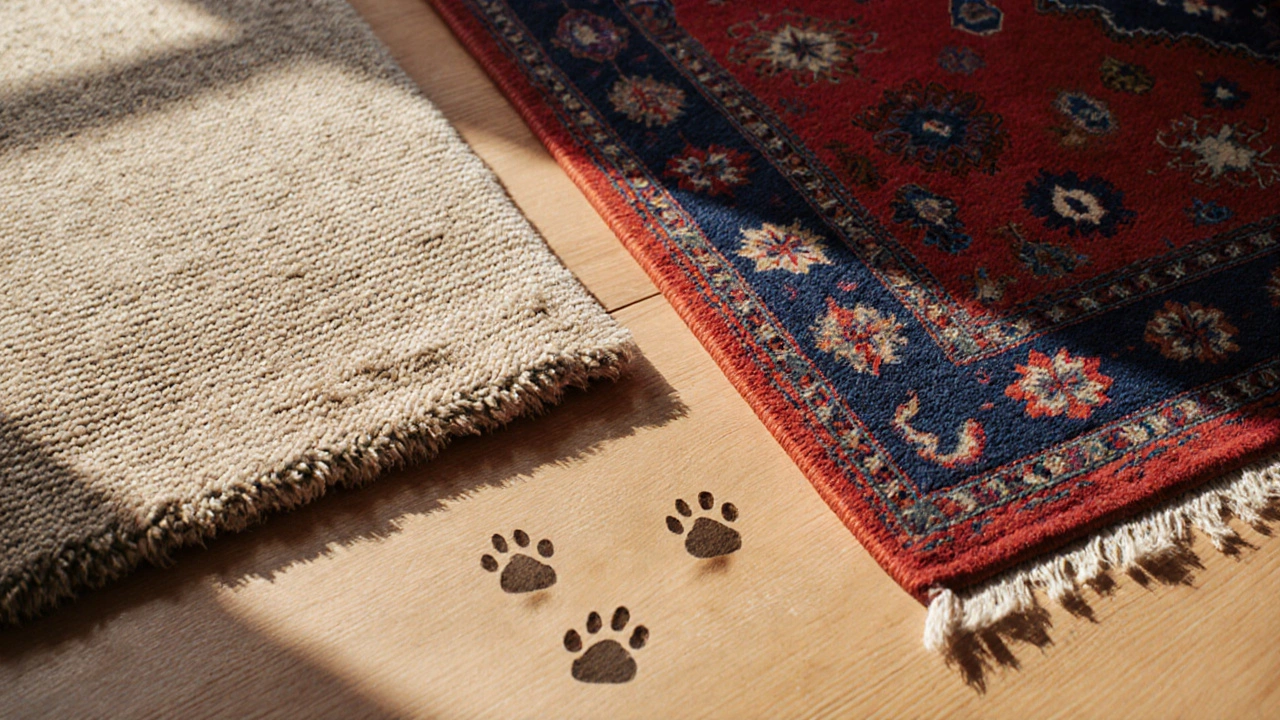
How Much Should a Good Rug Cost? Real Prices for Quality, Durability, and Style
A good rug costs anywhere from $100 to $2,000+ depending on material, craftsmanship, and size. Wool, hand-knotted rugs last decades and are worth the investment for high-traffic areas. Learn what to look for and how to avoid overpaying.