
Heat Retention: How to Keep Your Home Warm Without Wasting Energy
When we talk about heat retention, the ability of a material or structure to hold onto warmth instead of letting it escape. Also known as thermal retention, it’s what turns a chilly room into a cozy one without cranking up the thermostat. It’s not magic—it’s physics, and it’s built into the things you already own: rugs, curtains, walls, even your bed.
Good heat retention means your home stays warm longer after the heater turns off. That’s where insulation comes in—whether it’s wool in your walls, double-glazed windows, or a thick rug on the floor. And then there’s thermal mass, the quiet hero: materials like stone, brick, or even dense wood that soak up heat during the day and release it slowly at night. Think of it like a thermal battery for your home.
You don’t need to rebuild your house to improve heat retention. A heavy curtain hanging over a drafty window can make a real difference. A well-placed rug isn’t just for style—it blocks cold rising from the floor. Even your bedding matters. Layers of natural fibers like wool or cotton trap body heat better than synthetic blends. These aren’t just comfort tricks—they’re energy-saving moves that cut bills and carbon emissions.
The posts below show you exactly how these ideas play out in real homes. You’ll find guides on choosing the right rug for warmth, how curtain length affects heat loss, why bedding materials matter for sleep temperature, and how simple changes like adding thermal mass or sealing drafts can add up. No fluff. No theory without practice. Just clear, actionable ways to keep your home warm the smart way.
-
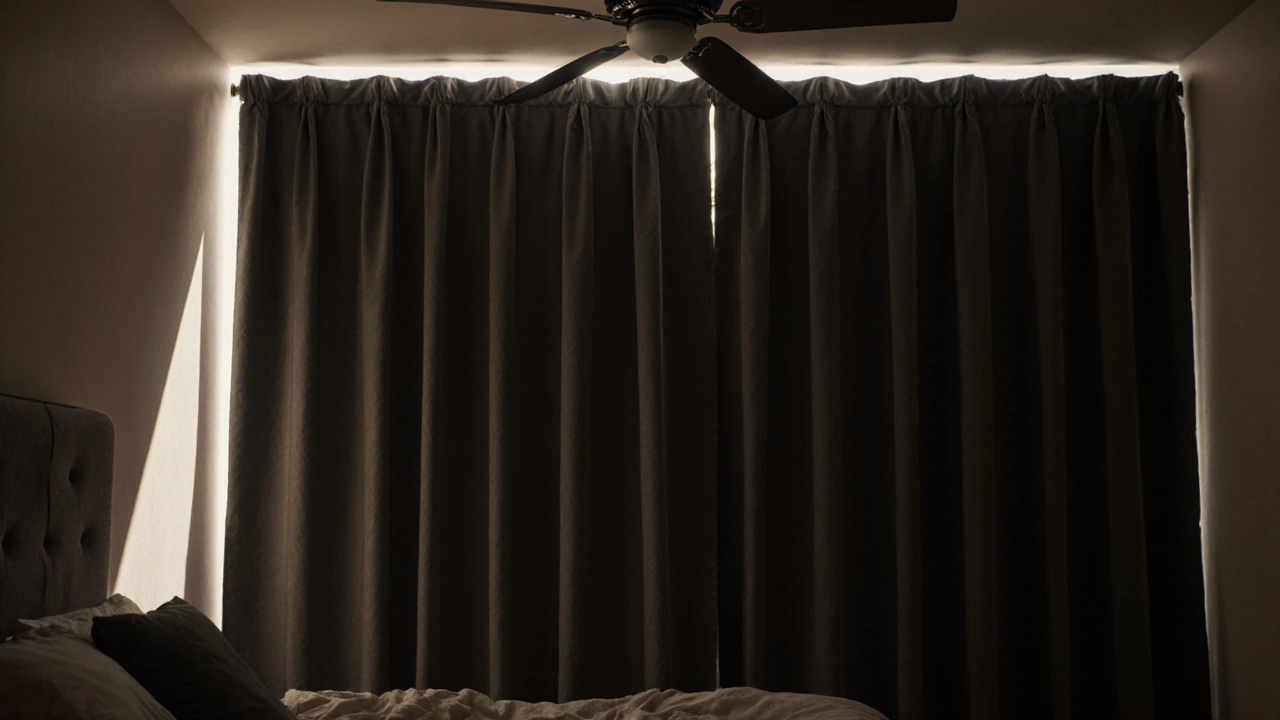
What Is the Downside of Blackout Curtains? Hidden Drawbacks You Should Know
Blackout curtains block light but can trap heat, disrupt your sleep cycle, and make rooms feel claustrophobic. Learn the hidden downsides and better alternatives for restful sleep.