
Interior Design Basics: Simple Rules for a Calm, Sustainable Home
When we talk about interior design basics, the foundational principles that guide how we arrange and decorate living spaces to be functional, comfortable, and visually balanced. Also known as home styling fundamentals, these principles don’t require a designer’s degree—just a little awareness and intention. You don’t need expensive furniture or trendy accents to create a space that feels right. Start with what you already have, think about how you live, and choose materials that won’t harm the planet.
Space planning, how you organize the flow and function of a room, is the first real step in interior design basics. It’s not about filling every corner. It’s about leaving room to breathe. Look at your daily routines: where do you sit? Where do you store things? Where do you feel cluttered? The best designs solve those problems before they become headaches. This is why so many of our posts focus on smart storage, like under-bed bins or wall-mounted shelves, instead of buying more stuff. And when you do buy, eco-friendly furnishings, furniture and decor made with renewable, non-toxic, or recycled materials, are a quiet revolution. They’re not just better for the Earth—they often last longer, feel better, and look more authentic than mass-produced alternatives.
Lighting, texture, and color aren’t just about looks. They shape how you feel. Natural light makes rooms feel bigger. Soft fabrics like organic cotton or linen calm the senses. Neutral tones create a sense of peace, while one bold accent—maybe a handwoven rug or a reclaimed wood shelf—adds soul. These aren’t random choices. They’re part of a system. That’s why home decor, the intentional selection of objects that enhance a living space should never be an afterthought. It’s how you turn a house into a home that supports your well-being.
There’s no one-size-fits-all formula, but there are clear patterns in what works: less clutter, more purpose, better materials. The posts below cover exactly that—how to pick the right curtain length so your room feels finished, how to tell if a mirror is truly high quality, why open shelving works (or doesn’t), and how bedding and cushions play a role in your daily comfort. You’ll find practical fixes for small spaces, real advice on what to buy and what to skip, and simple ways to make your home feel more like you—without buying a single new thing.
-
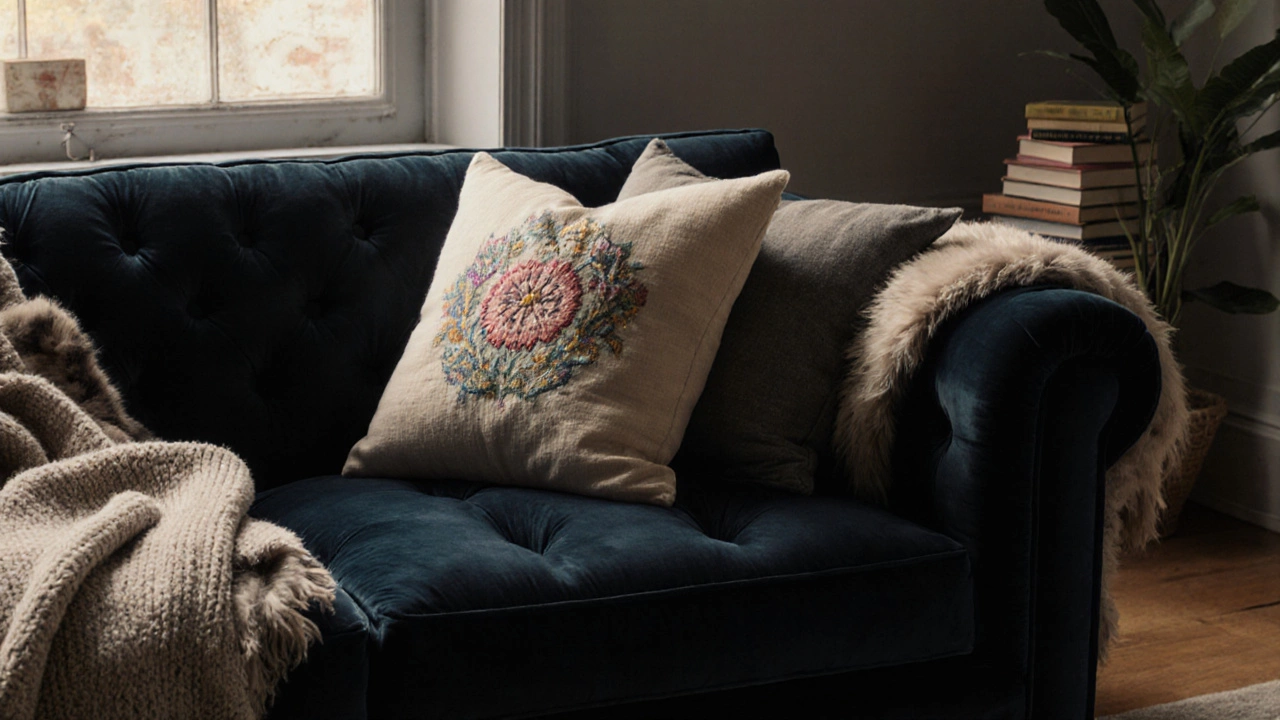
What Is the Golden Rule for Home Decor? (It’s Not What You Think)
The real golden rule for home decor isn't about matching colors or buying sets-it's about balance. Learn how to use cushions to create a space that feels lived-in, not staged, with simple, proven techniques.