
Mirror Types: Which One Fits Your Home and Lifestyle?
Mirrors do more than just reflect your face – they can brighten a room, help you get ready, and even save energy. With so many styles on the market, picking the right one can feel overwhelming. This guide breaks down the most common mirror types, explains what they’re good for, and gives quick tips on how to choose the best fit for an eco‑friendly home.
Plain, Framed, and Decorative Mirrors
A plain mirror is the simplest option. It’s just glass backed with a reflective coating, no frame or extra features. These are great for bathrooms, hallways, or any spot where you need a clear view without distraction. If you want a little style, add a wooden or metal frame. A framed mirror adds a touch of personality and can hide the edge of the glass, which is handy in homes with kids.
Decorative mirrors go a step further. Their backs are cut into patterns, or the glass itself is tinted or frosted. They act like wall art while still giving you a reflection. Use them in living rooms or bedrooms to create a focal point. Look for mirrors made with recycled metal or sustainably sourced wood frames to keep the eco‑factor high.
Magnifying Mirrors: Makeup, Shaving, and Grooming
Magnifying mirrors boost a small part of the glass so you can see details up close. They come in 1x (normal), 3x, 5x, 7x, and even 10x magnifications. For daily makeup or shaving, a 5x–7x mirror gives the perfect balance of detail and field of view. If you need extreme detail for tweezing or cut‑cutter work, a 10x mirror is worth it.
Many magnifying mirrors are LED‑lit and attach to the wall with a simple bracket. Choose models with low‑energy LED lights and a power‑save switch – they add little to your electricity bill and are better for the planet.
True Mirrors and Smart Mirrors
A true mirror shows an exact, non‑reversed reflection. This is the kind you get in high‑end salons or scientific labs. They cost more because the glass is thicker and the backing is specially coated. If you’re a professional photographer or need precise measurements, a true mirror can be worth the extra spend.
Smart mirrors combine a reflective surface with a thin screen. They can display the weather, news, or your calendar while you brush your teeth. Look for models with energy‑efficient displays and solar‑powered options if you want to stay green.
Eco‑Friendly Mirror Choices
Going green with mirrors is easier than you think. Look for mirrors made from recycled glass or those with frames from reclaimed wood or recycled metal. Some manufacturers use water‑based paints and low‑VOC finishes, which keep indoor air quality high.
Another tip: buy a mirror that doubles as a storage solution, like a mirrored cabinet. You’ll get the reflective benefit and cut down on extra furniture, saving space and resources.
When you’re ready to shop, think about where the mirror will live, what you’ll use it for, and how it fits your sustainability goals. A plain white‑frame mirror in the bathroom, a magnifying LED mirror at the vanity, and a decorative recycled‑metal mirror in the hallway cover most needs without breaking the bank or the planet.
Now you’ve got the basics of mirror types, their pros, and eco‑smart picks. Grab the one that matches your style, function, and green values, and let your home shine brighter than ever.
-
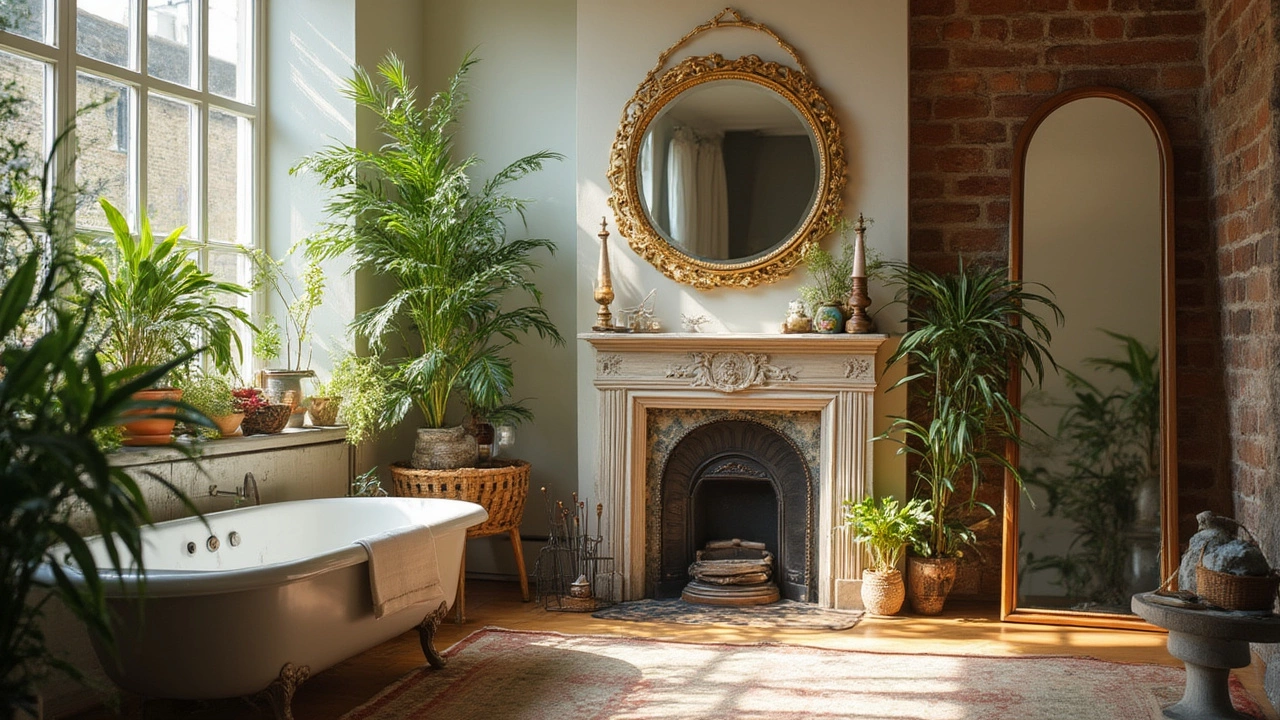
Best Mirrors for Every Room: Choosing the Right Type for Your Space
Discover which type of mirror fits your room and lifestyle, from bathroom must-haves to decorative wall mirrors, with practical tips for style and function.