
Ceramic Coating: What It Is, How It Works, and Why It Matters for Your Home
When you hear ceramic coating, a thin, glass-like protective layer applied to surfaces to repel water, dirt, and stains. Also known as nano-ceramic, it's not just for cars—it's becoming a quiet revolution in home maintenance. Think of it like a invisible shield that bonds to surfaces, making them easier to clean and far more resistant to damage. Unlike paint or sealants that sit on top, ceramic coating becomes part of the surface itself, lasting years instead of months.
This isn’t science fiction. Homeowners in the UK are starting to use it on kitchen countertops, bathroom tiles, shower glass, and even stainless steel appliances. Why? Because it cuts down on scrubbing, prevents water spots, and stops mold from taking root in grout lines. A good ceramic coating on your shower door means you can wipe it down with a damp cloth once a week instead of fighting soap scum with harsh chemicals. It’s not magic—it’s chemistry designed for real life.
It also works on outdoor surfaces. Patio furniture, garden tiles, and even front door handles benefit from the same protection. In damp UK climates, where moisture and mold are constant problems, ceramic coating offers a long-term solution without the need for frequent resealing. You’re not just cleaning less—you’re reducing your use of plastic bottles full of cleaners, which ties into a bigger shift toward sustainable living.
But it’s not one-size-fits-all. The quality varies. Some products promise the world but peel off in months. True ceramic coatings require proper surface prep—cleaning, drying, sometimes even polishing—before application. That’s why many people hire professionals, especially for large areas like kitchen backsplashes or tiled floors. But there are DIY kits now that work well for smaller jobs, like sink edges or glass shower panels.
It’s also worth comparing it to other options. Traditional sealants need reapplying every year. Wax lasts weeks. Ceramic coating? With proper care, it can hold up for 3 to 5 years, sometimes longer. That’s less money spent over time, less waste, and fewer trips to the store for cleaning supplies.
And here’s something most people don’t realize: ceramic coating doesn’t just protect—it enhances. It adds a subtle, high-end sheen to matte surfaces, making tiles look newer and stainless steel look more polished. It’s not about looking fancy; it’s about keeping things looking good with less effort.
So if you’ve ever stared at a grimy shower door, wiped the same kitchen counter ten times a week, or cursed at water stains on your faucet, ceramic coating might be the quiet fix you didn’t know you needed. Below, you’ll find real posts from UK homeowners who’ve tried it, the mistakes they made, the surfaces it works best on, and what to look for when buying a product that actually lasts.
-
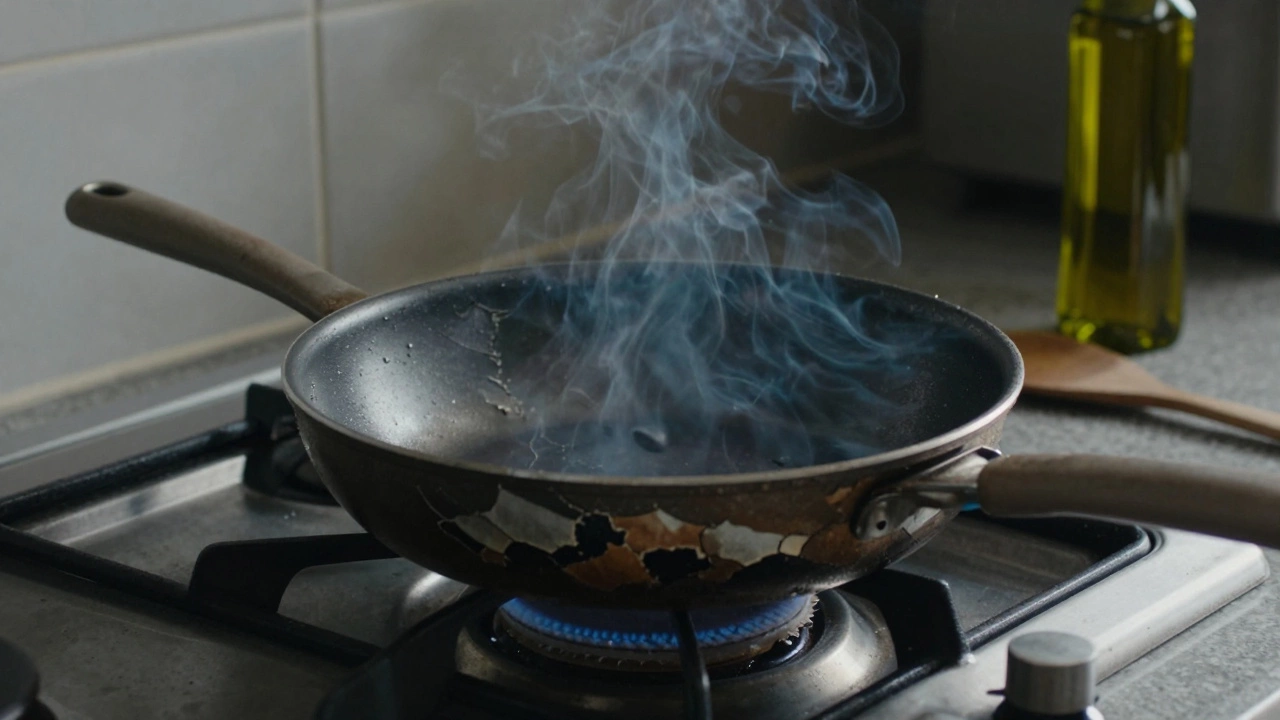
Are Non Stick Pans Still Unhealthy? What You Need to Know in 2025
Non stick pans aren't automatically toxic, but many still contain harmful PFAS chemicals. Learn what's changed since Teflon, which coatings are safest, and how to use your pans without risking your health in 2025.