
Cookware Health Risks: What You Need to Know Before You Cook
When you reach for a pan, you’re not just choosing a tool—you’re choosing what might end up in your food. cookware health risks, the hidden dangers of certain cooking materials that can leach toxins into meals. Also known as toxic cookware, these risks aren’t theoretical—they’re backed by real studies on how everyday pots and pans affect long-term health. Many people assume that if it’s sold in a store, it’s safe. But that’s not true. Some of the most common cookware types, like old nonstick pans and cheap aluminum pots, have been linked to hormone disruption, neurological issues, and even cancer in high, prolonged exposure.
nonstick pans, coated with chemicals like PTFE and PFOA that break down at high heat are a major concern. When you heat them above 500°F, they release fumes that can make you sick—and over time, those chemicals can build up in your body. aluminum cookware, a lightweight, affordable option that can transfer aluminum into acidic foods like tomatoes or lemon juice, has been studied for decades. While your body clears small amounts, long-term exposure may affect brain health. Then there’s ceramic cookware, often marketed as "safe" but sometimes coated with hidden synthetic layers that chip and release toxins. Not all ceramic is equal. Some brands use real clay; others just paint a pretty surface over questionable materials.
You don’t need to throw out everything you own. But you do need to know what’s in your kitchen. Look for cast iron, stainless steel, and high-quality, uncoated ceramic. Check for third-party testing. Avoid anything that scratches easily or smells funny when heated. The goal isn’t perfection—it’s reducing unnecessary exposure. Small swaps, like switching from a scratched nonstick frying pan to a well-seasoned cast iron one, can make a real difference over time.
Below, you’ll find real guides and warnings from people who’ve dug into this issue. Some posts show you how to test your pans at home. Others reveal which brands cut corners—and which ones actually prioritize safety. You’ll learn what materials are safe for daily use, what to avoid when you have kids, and how to spot misleading labels. No fluff. Just clear, practical facts to help you cook without worry.
-
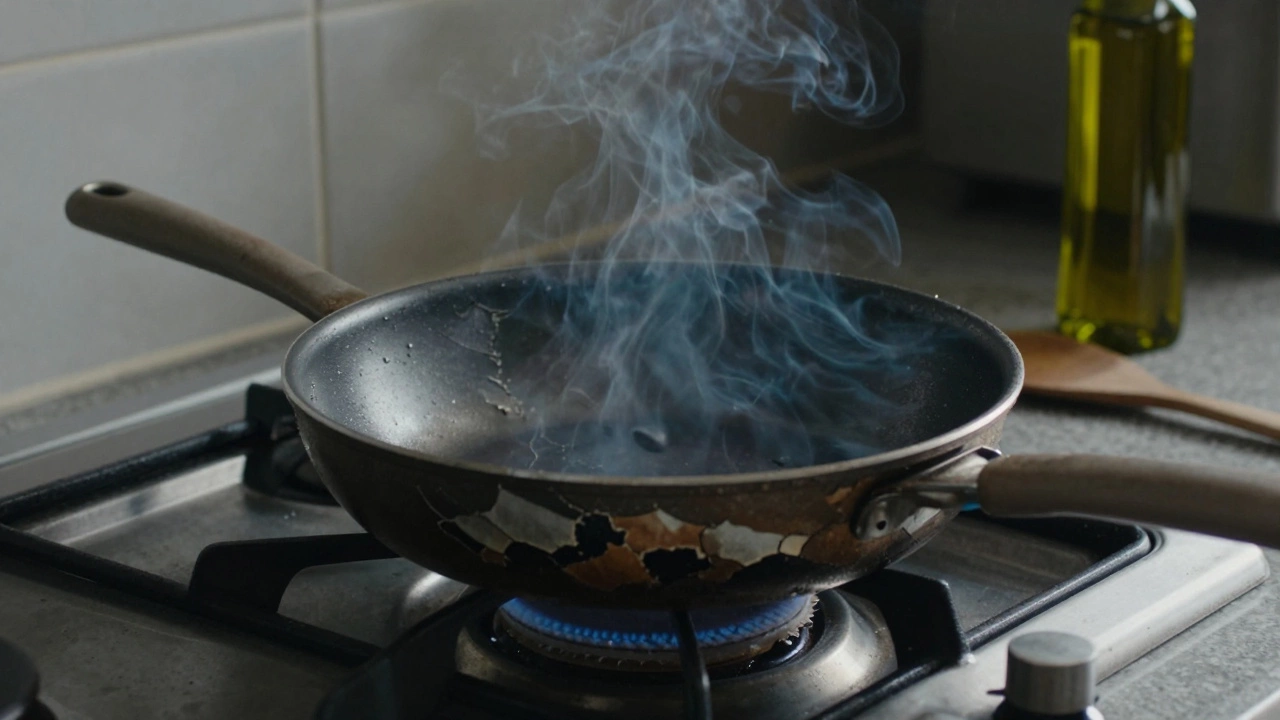
Are Non Stick Pans Still Unhealthy? What You Need to Know in 2025
Non stick pans aren't automatically toxic, but many still contain harmful PFAS chemicals. Learn what's changed since Teflon, which coatings are safest, and how to use your pans without risking your health in 2025.