
Light Pollution Sleep: How Artificial Light Ruins Your Rest and What to Do About It
When you think of light pollution, the excessive or misdirected artificial light that disrupts natural darkness, especially at night. Also known as skyglow, it’s not just an environmental issue—it’s a silent sleep killer. If you’re tossing and turning, waking up tired, or struggling to fall asleep even after eight hours in bed, the problem might not be stress or caffeine. It could be the glow from streetlights, neighbor’s porch lights, or even your phone charger blinking in the corner. Your body still operates on ancient rhythms, and light pollution sleep is one of the most overlooked threats to modern rest.
Every time artificial light hits your eyes at night, it tricks your brain into thinking it’s still daytime. This shuts down melatonin, the hormone that tells your body it’s time to sleep. Studies show even dim light—like a TV glow or LED nightlight—can delay sleep by over an hour. And it’s not just about falling asleep. circadian rhythm, your body’s internal 24-hour clock that regulates sleep, hormones, and metabolism gets thrown off, which can lead to long-term health issues like weight gain, mood disorders, and even higher cancer risk. You don’t need a dark sky to fix this. You just need to block the light that’s already in your room. That’s where blackout curtains, heavy window coverings designed to block nearly all external light. Also known as light-blocking drapes, they’re one of the simplest, cheapest, and most effective tools against room darkness, the absence of artificial or outdoor light inside a bedroom, critical for deep, restorative sleep.
But blackout curtains aren’t the only answer. Some people use sleep masks, dimmable smart bulbs, or even window films. The key isn’t perfection—it’s consistency. Your bedroom doesn’t need to be a cave. It just needs to be dark enough for your body to trust it’s time to rest. The posts below show you exactly what works: which curtains actually block light, how to measure them right, what hidden downsides to watch for, and how even small changes can turn your bedroom into a true sleep sanctuary. No fluff. No gimmicks. Just real fixes for real sleep problems.
-
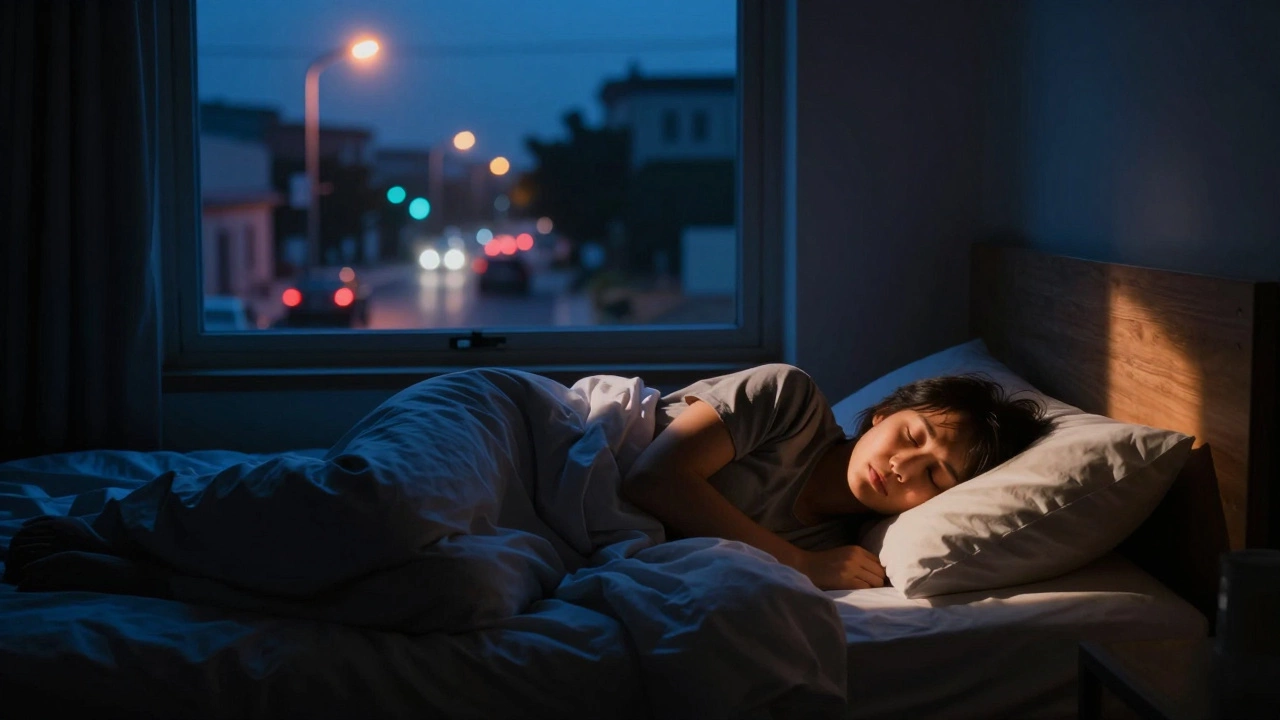
Is It OK to Sleep with No Curtains? What Experts Say About Light, Privacy, and Sleep Quality
Sleeping without curtains can disrupt your sleep, reduce privacy, and increase stress. Learn why even small amounts of light and visibility at night affect your health-and what simple solutions work best.