
PFAS chemicals: What they are, where they hide, and how to avoid them at home
When you hear PFAS chemicals, a group of synthetic compounds used to make things water-resistant, stain-proof, or non-stick. Also known as "forever chemicals", they don’t break down in the environment and can build up in your body over time. These aren’t just industrial pollutants—they’re in your kitchen, your bedroom, and maybe even your water supply.
Think about your non-stick pan. That slick surface? Likely coated with PFAS. Your waterproof jacket? Probably treated with them. Even some carpet stains and microwave popcorn bags contain these chemicals. And here’s the kicker: they’ve been found in drinking water across the UK, from rural wells to city taps. The UK’s Environment Agency has flagged PFAS as a growing concern, and health experts warn they may affect thyroid function, immunity, and even hormone balance. You don’t need a lab test to know they’re in your home—you just need to know where to look.
That’s why the products we feature here focus on real alternatives. No greenwashing. No vague claims. Just items that work without PFAS: ceramic-coated cookware instead of Teflon, organic cotton curtains instead of chemically treated drapes, and reusable containers that don’t leach toxins. You’ll find guides on how to spot PFAS in household items, what to replace first if you’re on a budget, and which brands actually test their products for these chemicals. We’ve also covered related topics like how blackout curtains can trap toxins, why your rug might be silently polluting your space, and how to pick kitchenware that won’t poison your meals. This isn’t about perfection—it’s about making smarter swaps, one room at a time.
If you’ve ever wondered why your new pan starts sticking after a year, or why your curtains smell funny after washing, there’s a good chance PFAS is the hidden culprit. The good news? You don’t need to buy everything new. Start with one switch—your cooking surface, your water filter, or your bedding—and build from there. Below, you’ll find real, practical posts that show you exactly how to do it.
-
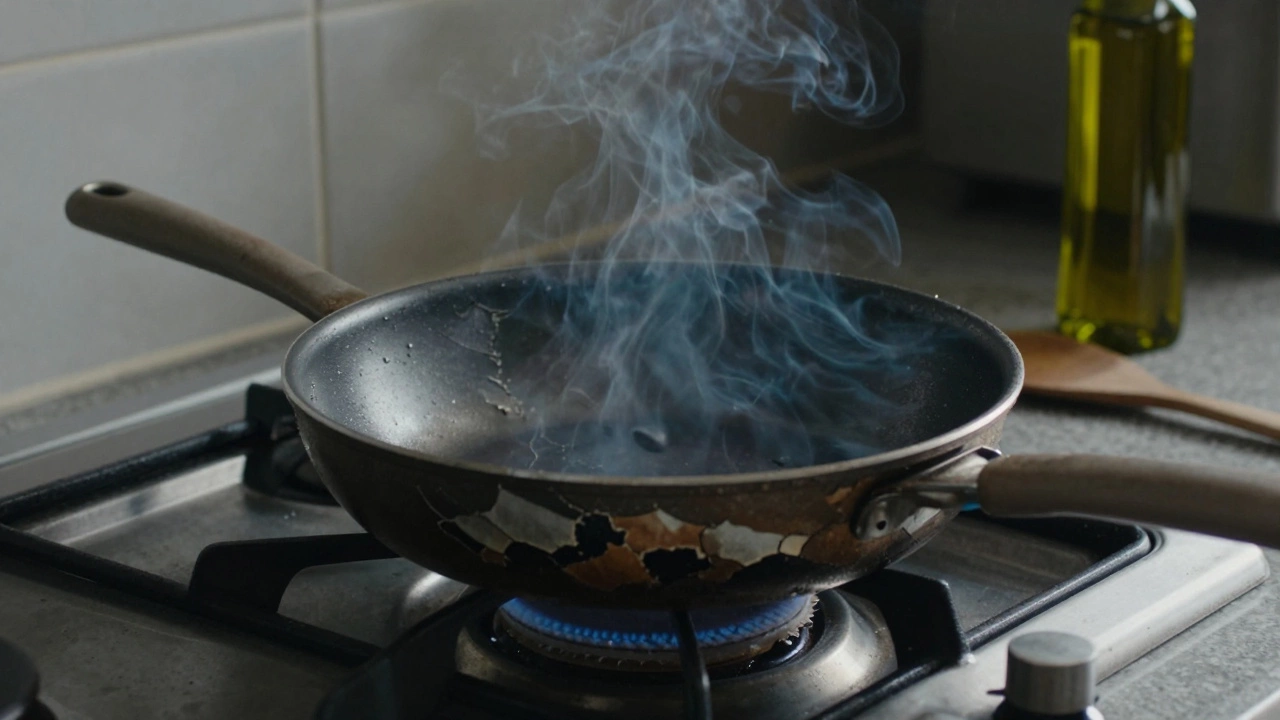
Are Non Stick Pans Still Unhealthy? What You Need to Know in 2025
Non stick pans aren't automatically toxic, but many still contain harmful PFAS chemicals. Learn what's changed since Teflon, which coatings are safest, and how to use your pans without risking your health in 2025.