
Home Decor: Eco‑Friendly Ideas for Every Room
Want a home that looks great and helps the planet? You don’t need to redesign everything. Small swaps, smart purchases, and a little creativity can make any space feel fresh and green. Below you’ll find practical ways to add style without adding waste.
Sustainable Choices for Living Spaces
Start with what’s already in the room. Swap out plastic picture frames for reclaimed wood or bamboo versions. These materials last longer and have a warm look that cheap metal can’t match. When you need new fabric, pick organic cotton, linen, or recycled polyester for curtains, cushions, and throws. They feel soft, use less water, and often come in timeless colours that won’t go out of fashion.
Floor coverings are another big impact area. Choose rugs made from natural fibres like jute, wool, or seagrass. They’re durable, biodegradable, and add texture. If you love a plush feel, look for rugs that combine recycled polyester with a natural backing – you get comfort and a smaller carbon footprint.
Lighting can be both decorative and energy‑saving. Switch to LED bulbs in stylish fixtures. LED lights use up to 80% less electricity and last years longer than incandescent bulbs. For a decorative twist, try a bamboo or reclaimed‑metal pendant that adds visual interest while staying green.
Quick Tips to Refresh Your Home
1. Mix old and new. Pair a vintage wooden mirror with a modern, eco‑friendly frame. The contrast feels curated and you avoid buying a brand‑new piece.
2. Use plants wisely. A few indoor plants improve air quality and add colour. Choose low‑maintenance varieties like snake plant or pothos if you’re busy.
3. Layer textures. Instead of adding a new sofa, layer a chunky knit throw, a hemp cushion, and a woven rug. The room feels richer without extra furniture.
4. Mind the finish. Avoid glossy paints that release VOCs. Opt for low‑VOC, water‑based paints in soft, natural shades. They’re safer for you and the environment.
5. Shop responsibly. When you need a new item, look for certifications like GOTS (for textiles) or FSC (for wood). These tags guarantee the product meets strict eco standards.
Every change you make, no matter how tiny, adds up. By choosing sustainable fabrics, recycled materials, and energy‑saving fixtures, you turn your home into a stylish, low‑impact haven. Ready to start? Browse our curated selection of eco‑friendly décor at Eco Harmony Home and see how easy green living can be.
-
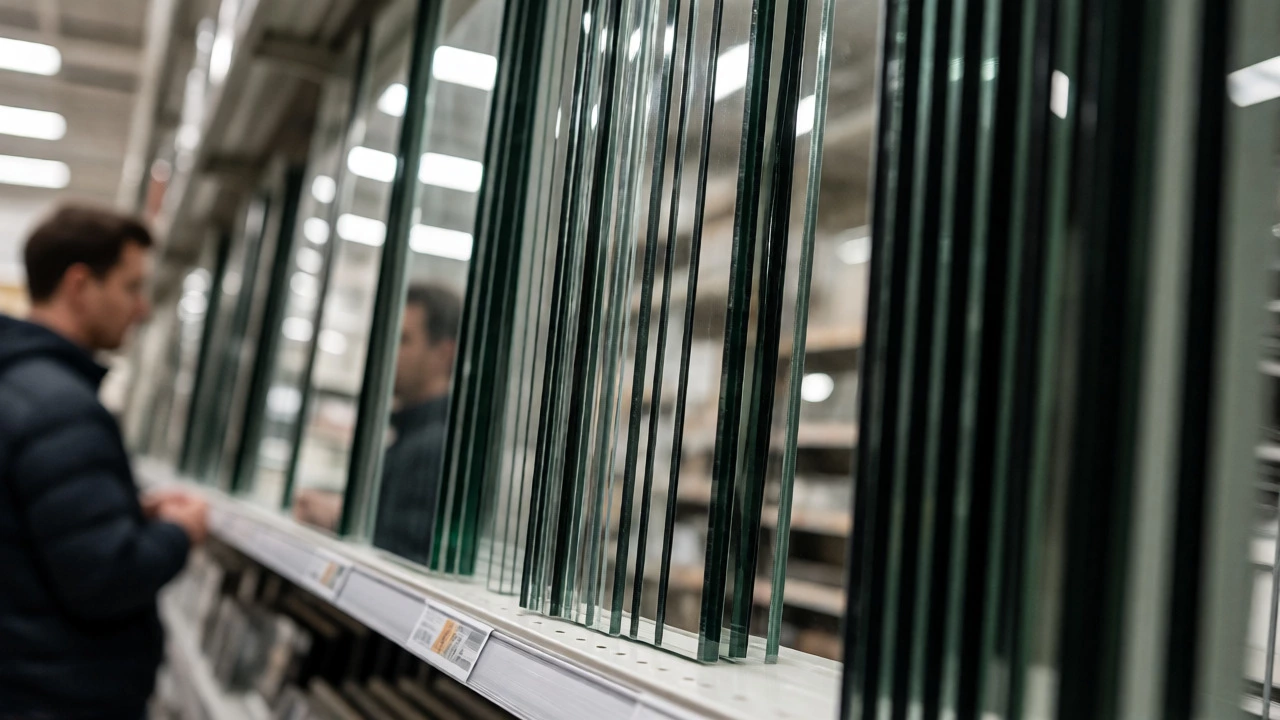
Mirror Thickness Guide: What’s Best for Your Home?
Confused by mirror thickness options? Learn why 1/4-inch is the standard for homes, when to upgrade to 1/2-inch for large walls, and how to avoid distortion.
-
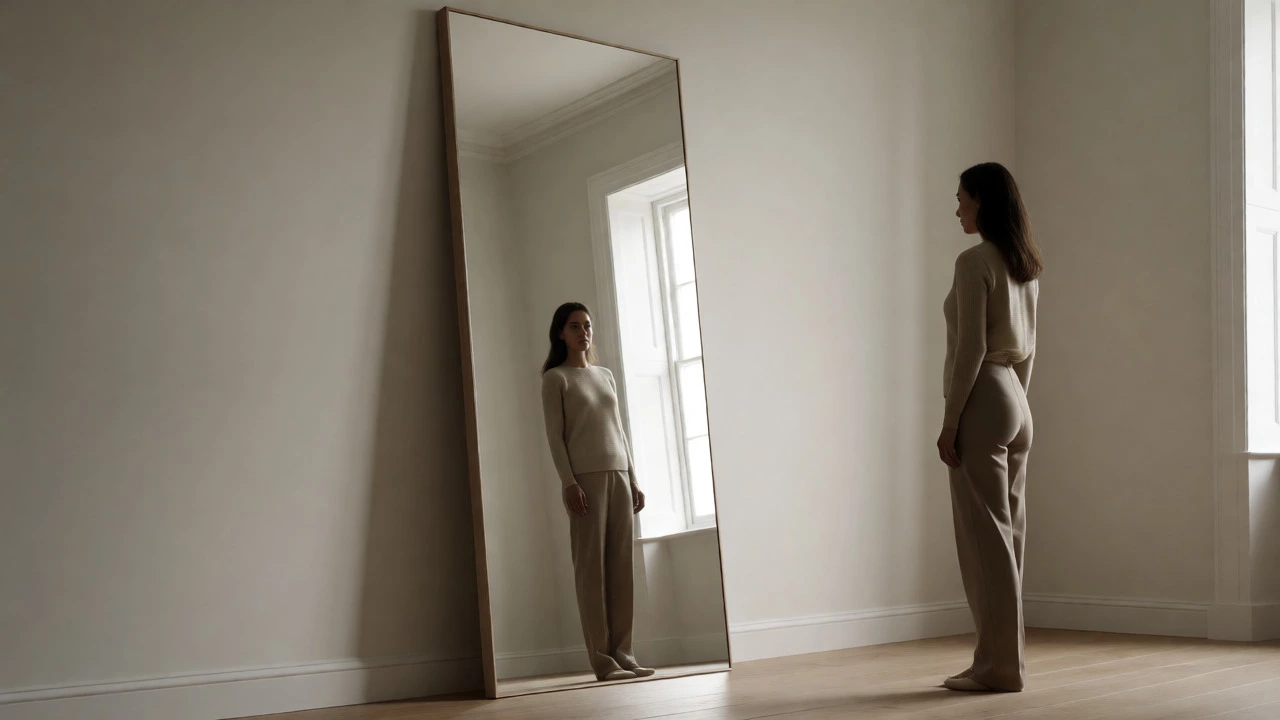
Do Full-Length Mirrors Make You Look Thinner? The Truth About Mirror Illusions
Discover the truth behind mirror illusions. Learn how placement, lighting, and frame choice influence whether a full-length mirror makes you look thinner.
-
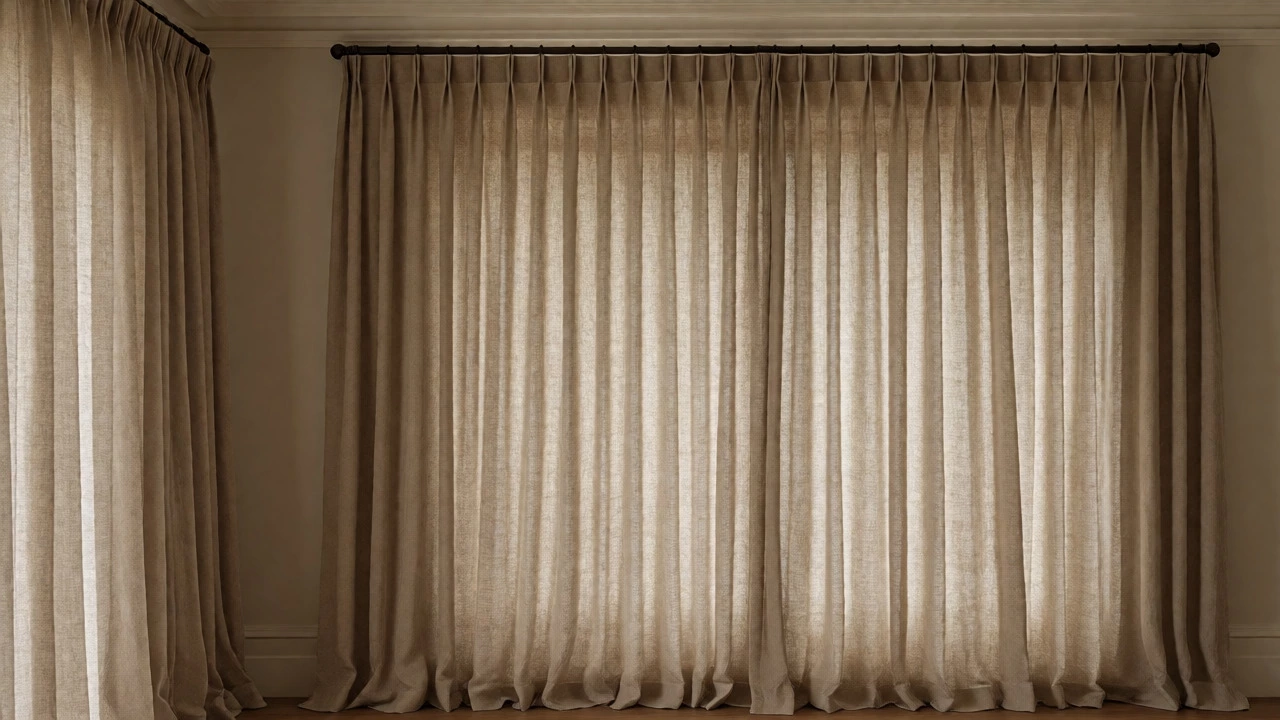
What Curtains Make a Room Look Expensive? Expert Guide
Discover the secrets to making your home look expensive with simple curtain upgrades. Learn why height, fabric weight, and fullness matter more than price tags.
-
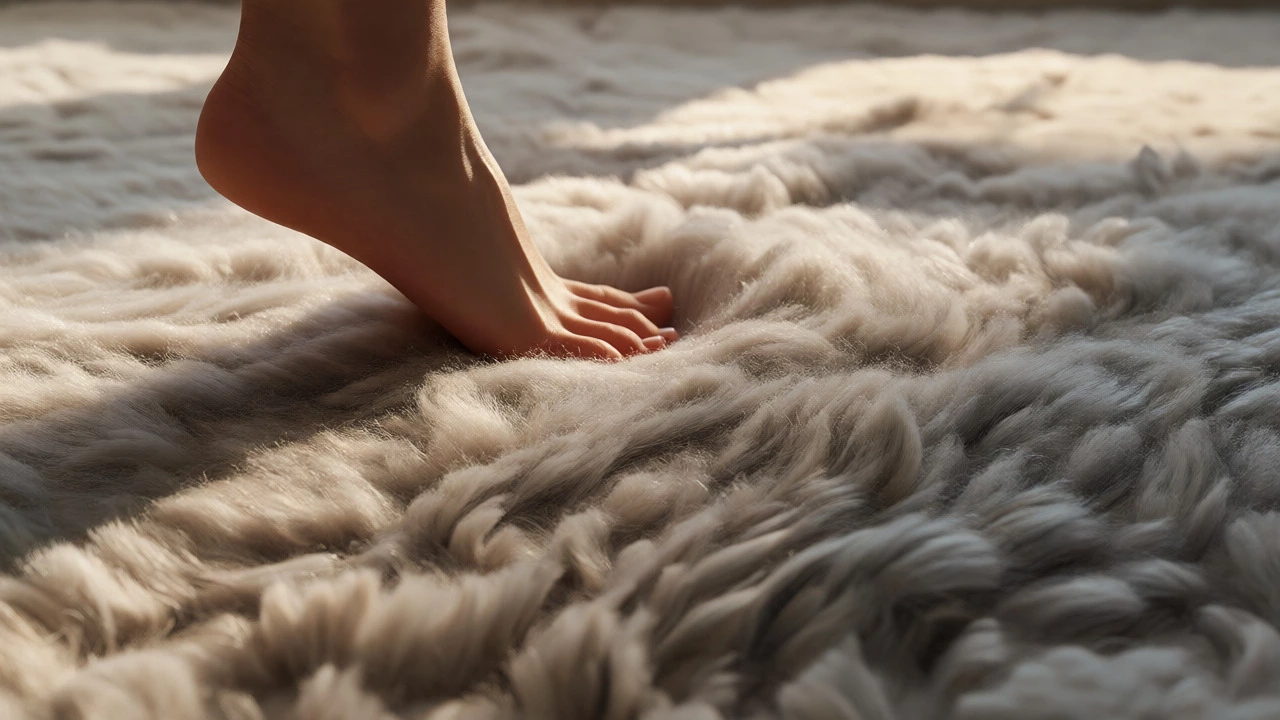
What is the Most Luxurious Material for Rugs? A Guide to Silk, Cashmere, and Beyond
Discover the most luxurious rug materials, from shimmering silk to ultra-soft cashmere and rare Vicuña. Learn which fiber suits your lifestyle, care needs, and budget.
-
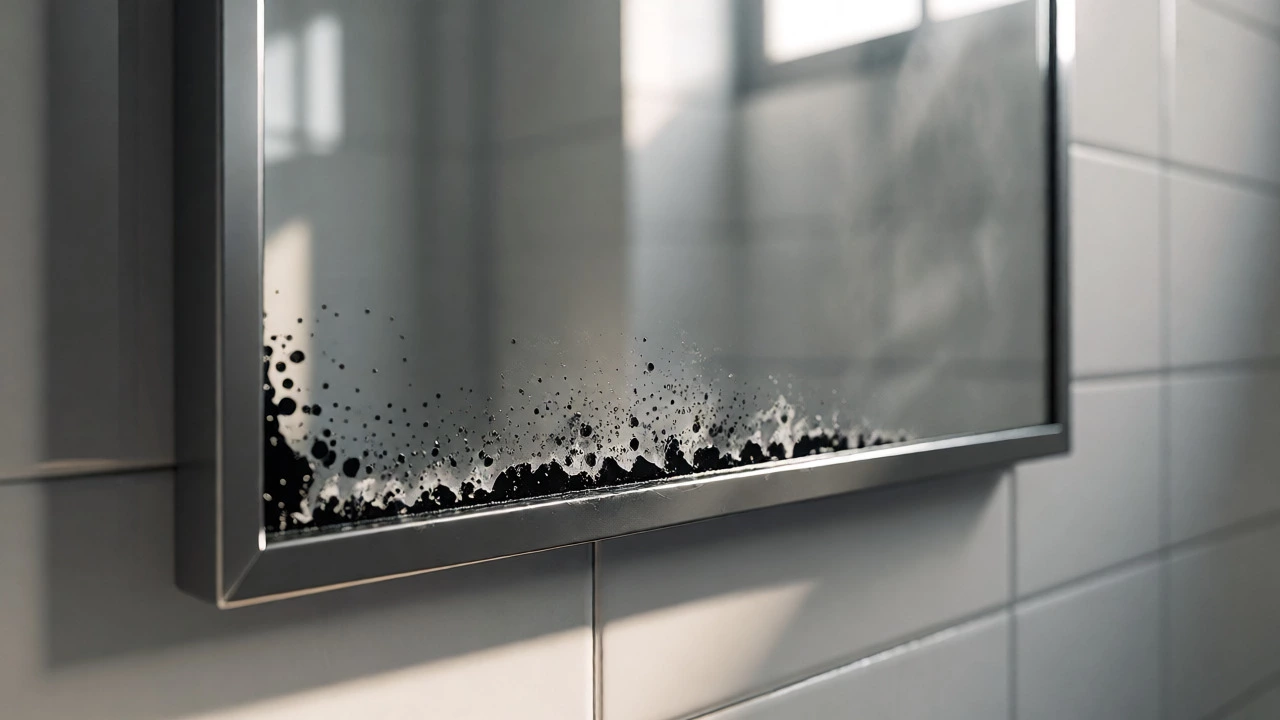
Are Cheap Mirrors Any Good? A Buyer’s Guide to Quality & Durability
Discover if cheap mirrors are worth the investment. We compare silvering vs. aluminum, glass thickness, and edge sealing to help you choose durable, clear mirrors for every room.
-

The Infinite Mirror Effect: What Happens When You Place Two Mirrors Facing Each Other?
Discover the science behind the infinite mirror effect. Learn why reflections fade, how angle impacts the view, and tips for using this optical illusion in home decor.
-

Rug Materials to Avoid for Living Rooms: A Practical Guide
Stop wasting money on rugs that shed, stain, or slip. Learn which rug materials to avoid for living rooms, including polypropylene, jute, and silk, and discover durable alternatives that survive real life.
-
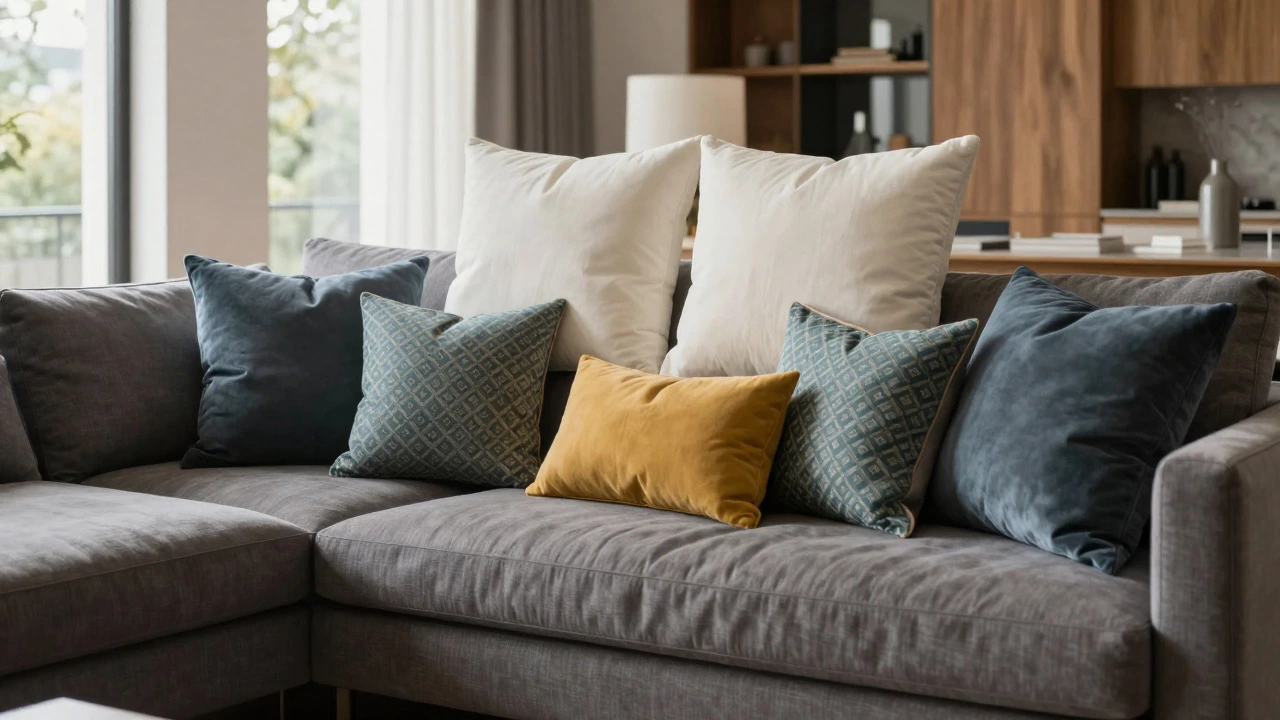
Most Popular Cushion Sizes: The Definitive Guide for 2026
Discover the most popular cushion sizes for 2026. Learn why 18x18 and 20x20 inches dominate the market and how to choose the right size for your sofa or bed.
-
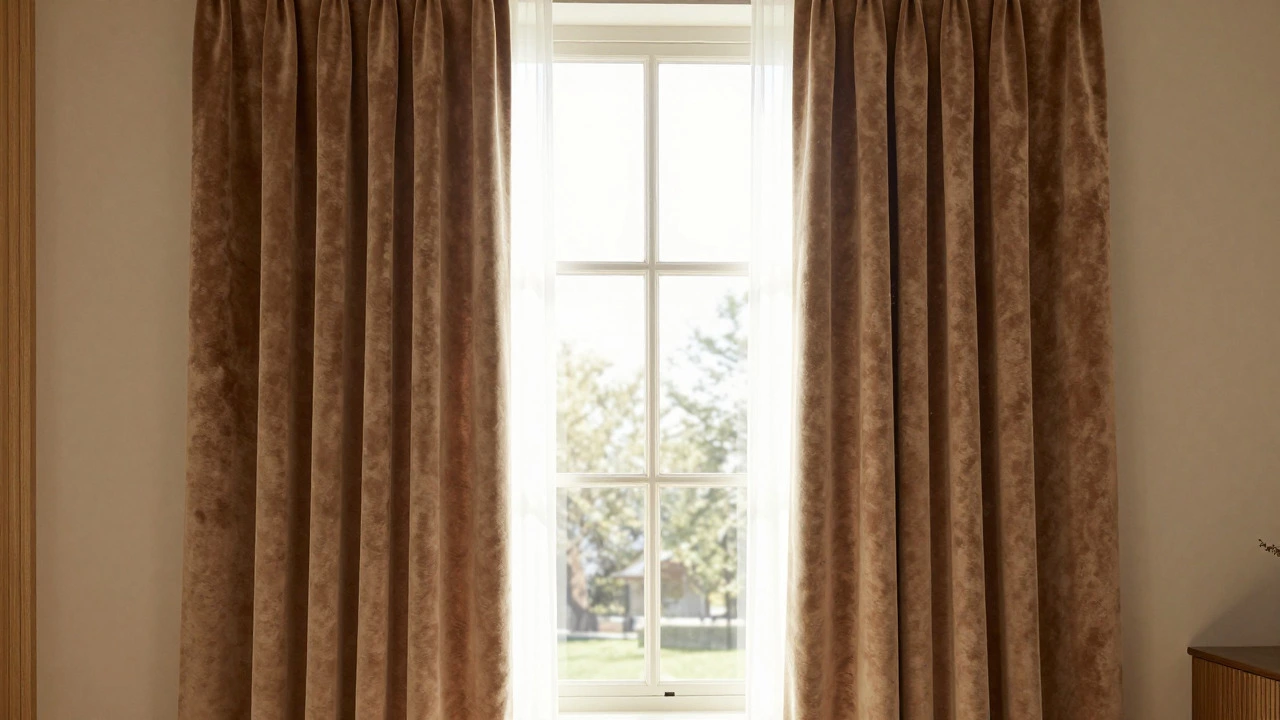
What Is the Rule of Thumb for Curtains? A Complete Guide to Sizing, Hanging, and Styling
Master the rule of thumb for curtains with expert tips on sizing, hanging height, and fullness. Learn how to make any window look larger and more elegant.
-
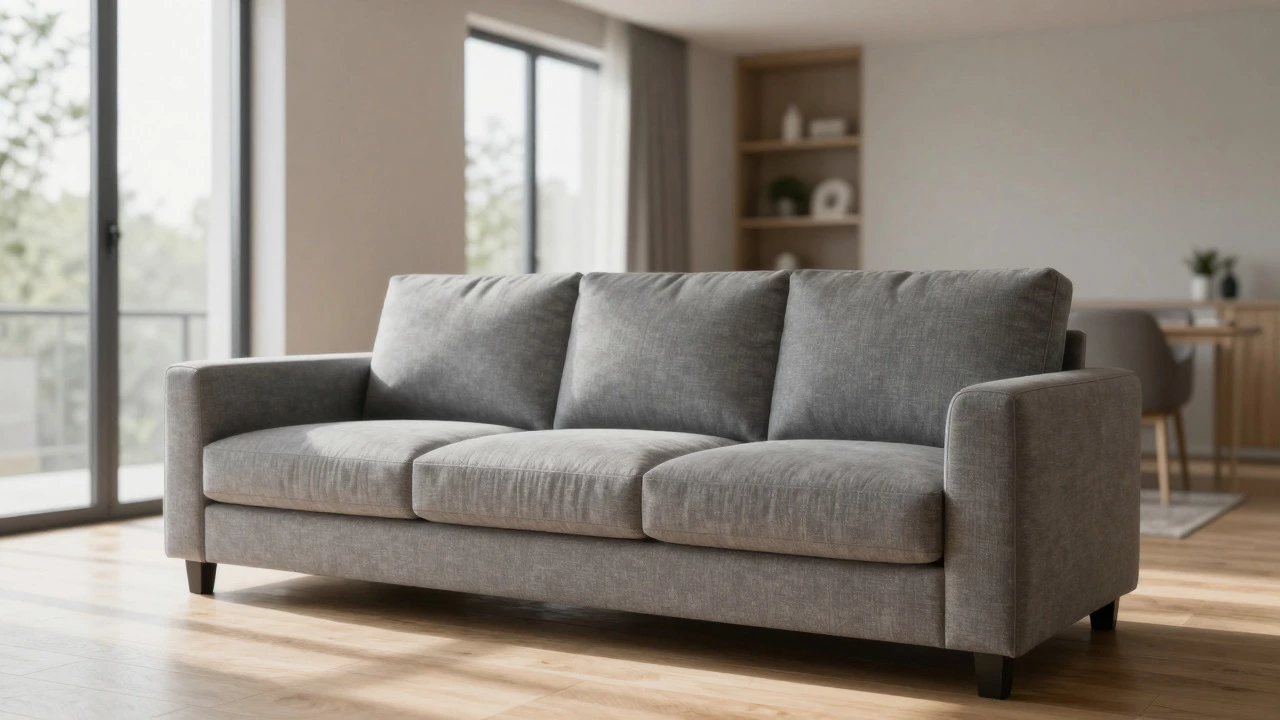
Why Grey Sofas Dominate Living Rooms: The Practical and Psychological Reasons
Discover why grey sofas dominate living rooms. Explore the psychological, practical, and market reasons behind the popularity of grey couches in modern home decor.
-
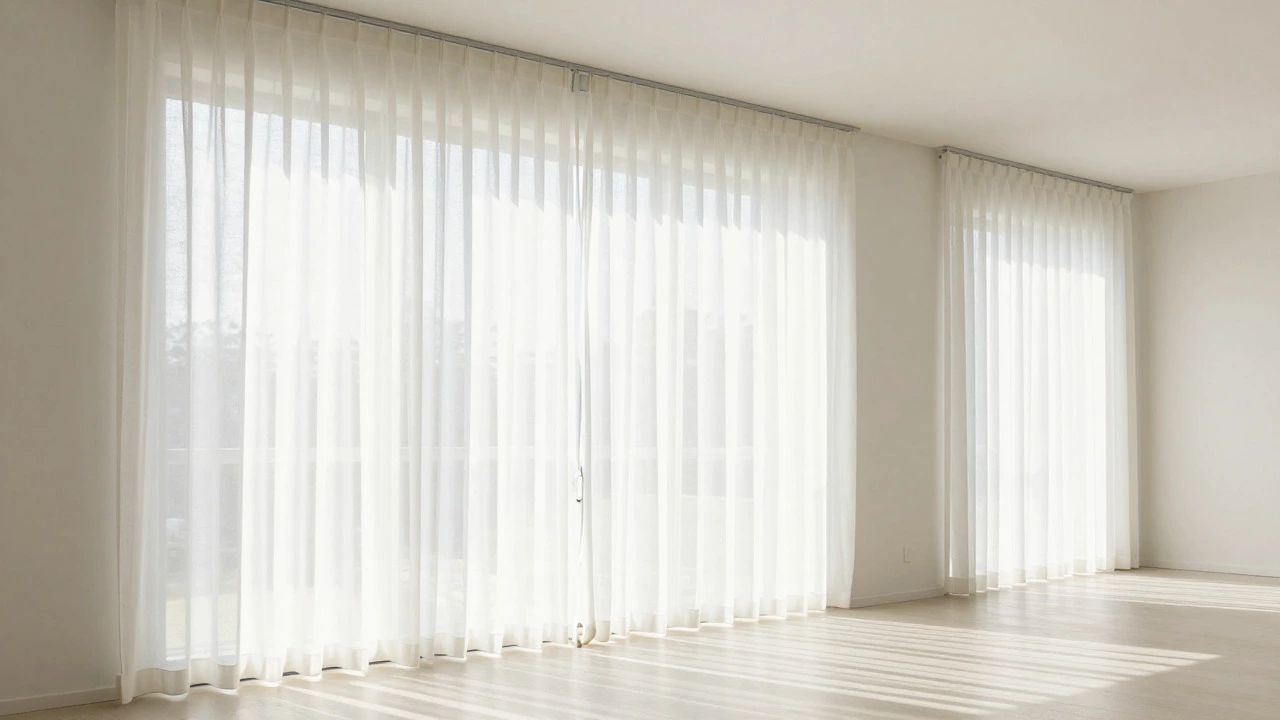
What Color Curtains Make a Room Look Bigger? The Science of Light and Space
Discover how to make any room appear larger using the right curtain colors. Learn why light shades, sheer fabrics, and proper hanging techniques create an illusion of expanded space.
-
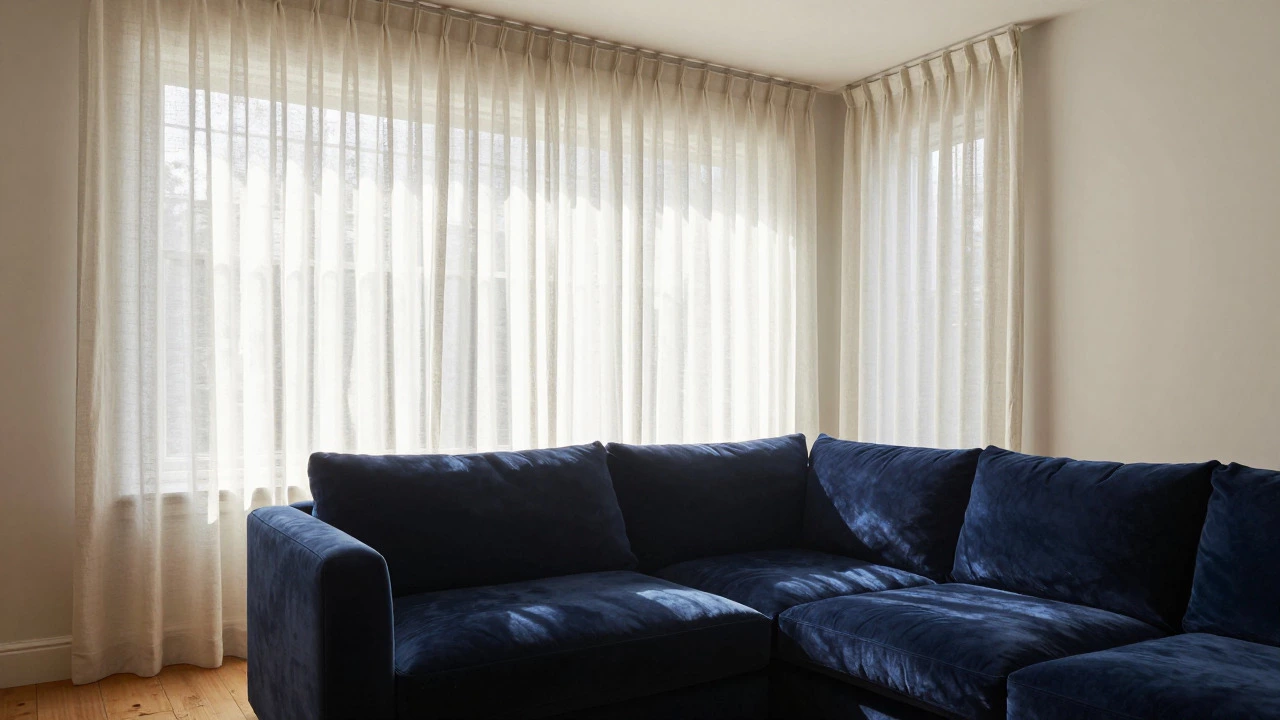
Curtains vs. Couch: Should They Be Lighter or Darker?
Discover whether your curtains should be lighter or darker than your couch. Learn expert tips on balancing visual weight, texture, and color to create a harmonious living room.