
Shelving Ideas & Eco‑Friendly Picks for Smart Home Storage
Need a place for all those books, kitchen gadgets, or winter boots? Shelving is the answer – and it doesn’t have to hurt the planet. Below you’ll find practical tips on choosing, styling, and caring for shelves that look good, work well, and stay green.
Pick the Right Material for Your Space
Wood, metal, bamboo, and recycled plastic are the top choices today. Solid wood gives a warm feel but can be heavy; reclaimed wood adds character and saves trees. Metal frames are sturdy, perfect for garage or workshop shelves, and they recycle easily. Bamboo grows fast and feels natural, ideal for kitchen or bathroom units. If you love a modern vibe, look for shelves made from recycled PET bottles – they’re light, strong, and keep plastic out of landfills.
When you compare prices, think about lifespan. A cheap particle‑board shelf may need replacing in a few years, while a bamboo or reclaimed‑wood unit can last a decade or more. That long‑term view often makes the greener option the cheaper one.
Style Your Shelves Without Breaking the Bank
Floating shelves are still in vogue, but you can update them with simple tricks. Add a coat of matte chalk paint for a soft look, or use coloured brackets for a pop of personality. Mix open and closed storage – place decorative baskets on lower shelves and keep everyday items on higher ones. Plants, framed photos, and a few decorative boxes turn plain boards into a curated display.
If you’re handy, building your own shelves can save money and let you customise size. A quick calculator shows that a DIY wooden shelf under 1 m long costs about £15 in raw material, versus £30‑£40 for a ready‑made version. Just measure twice, cut once, and follow a basic guide to avoid common mistakes like uneven spacing.
Need inspiration? Our article “Are Floating Shelves Dated? A Fresh Look at Shelving Trends” breaks down why they still work and how to pair them with modern décor. For a quick decision on material, check out “Best Material for Shelving: Top Choices and Their Advantages.”
Remember, good shelving isn’t just about looks. Make sure each shelf can hold the weight you plan to put on it – a good rule of thumb is 10 kg per 30 cm for wood, and up to 20 kg per 30 cm for metal. Use wall anchors in studs for safety, especially in high‑traffic areas.
Ready to revamp your space? Start by picking a material that matches your style and sustainability goals, then decide on a layout that keeps the most‑used items within easy reach. With the right shelves, you’ll clear clutter, add visual interest, and feel good about the eco‑friendly choices you made.
-
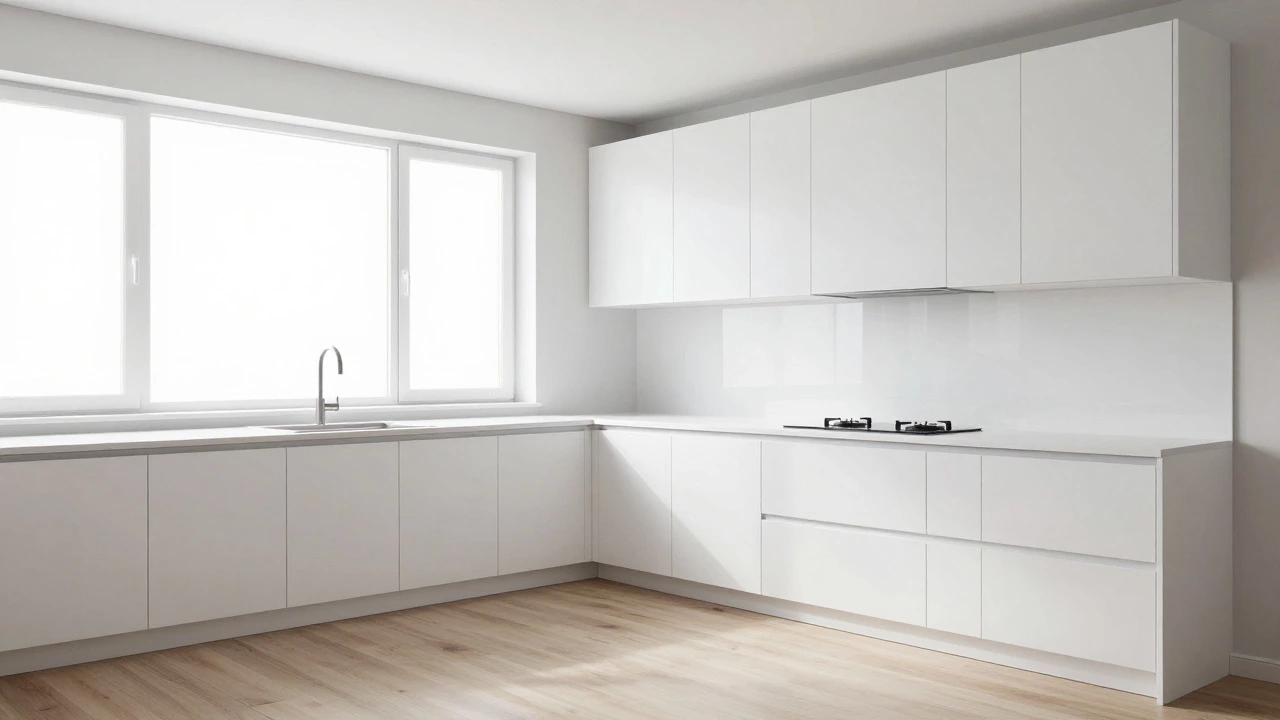
Are White Cabinets a Fad? The Longevity of White Shelving in 2026
Wondering if white cabinets are just a passing trend? We break down the durability, maintenance, and design impact of white shelving in 2026 to help you decide if they are worth the investment.
-
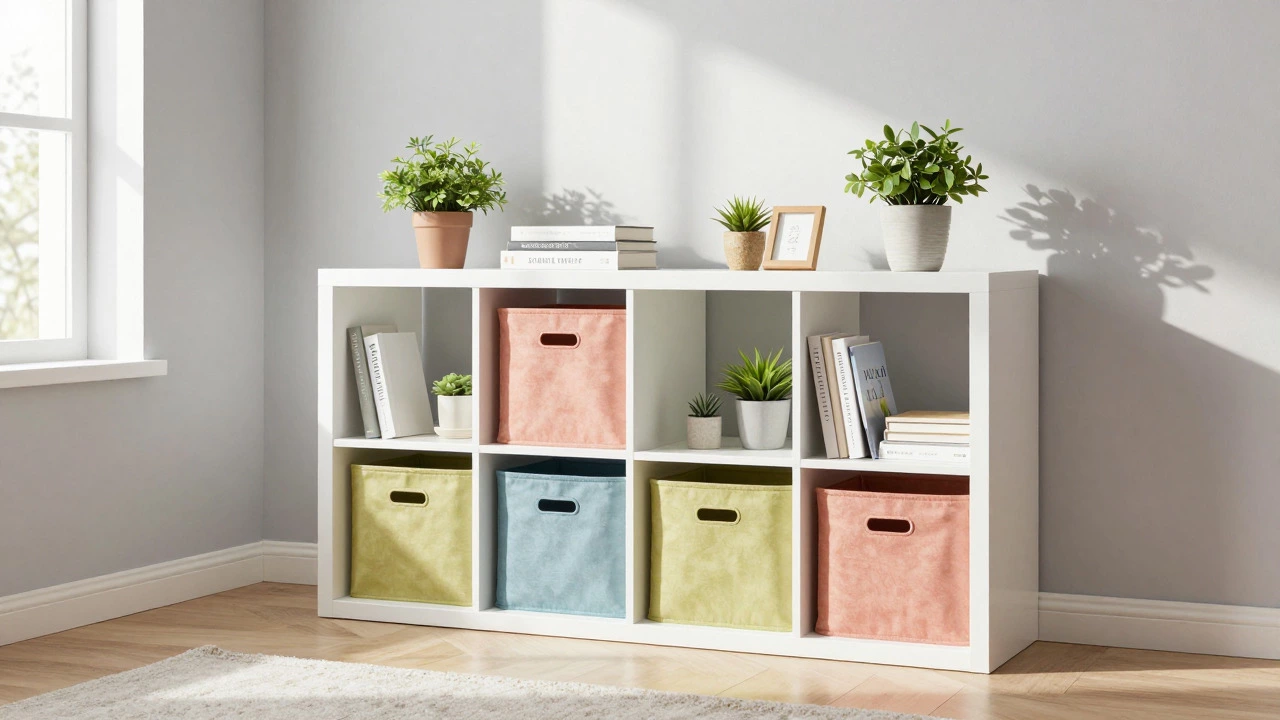
How Much Is a Stack? Slang Meaning and Shelving Costs Explained
Discover the slang meaning of 'stack' in shelving and learn how much modular, industrial, and DIY shelf units cost in 2026. Includes price guides and safety tips.
-
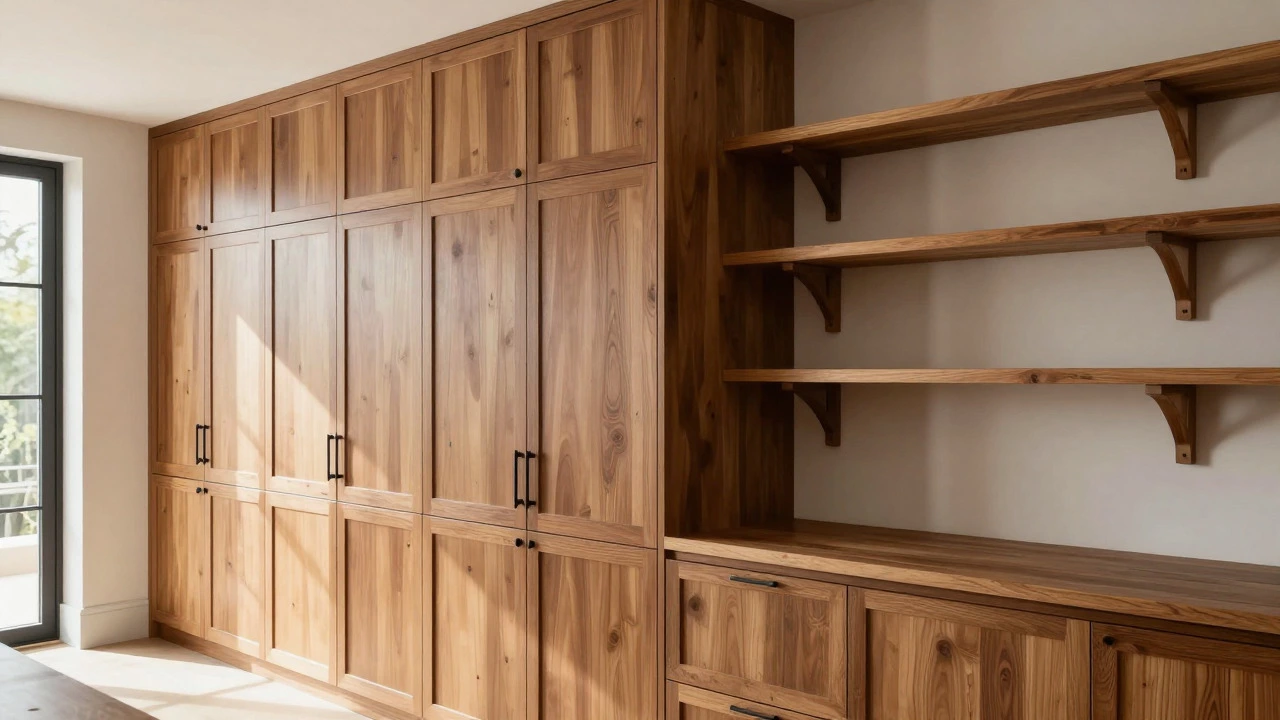
Does Open Shelving Save Money? The Real Cost Breakdown for Kitchens and Bathrooms
Discover if open shelving truly saves money compared to traditional cabinets. We break down installation costs, hidden expenses, and resale value impacts to help you budget wisely.
-
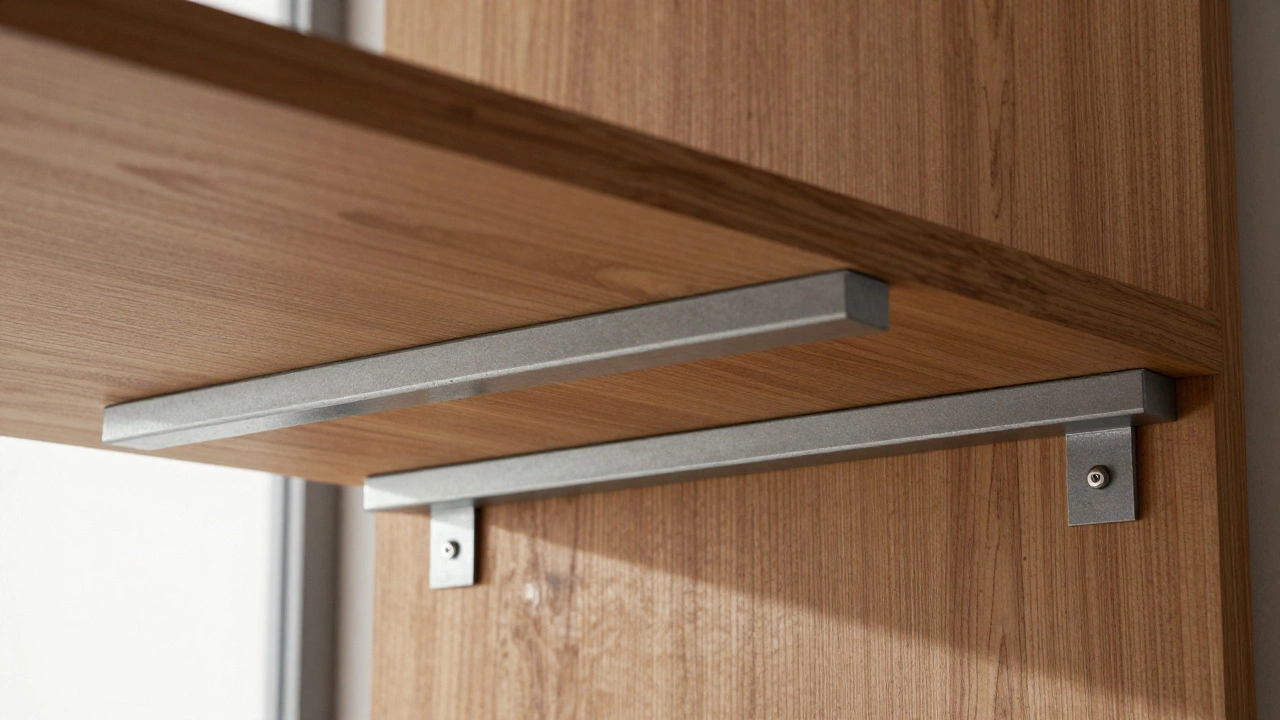
What Does 'Three Bands' Mean in Shelving? A Simple Guide
Discover what "three bands" means in shelving contexts. Learn how this triple-support system works, which materials perform best, and avoid common installation mistakes for sturdy, long-lasting shelves.
-
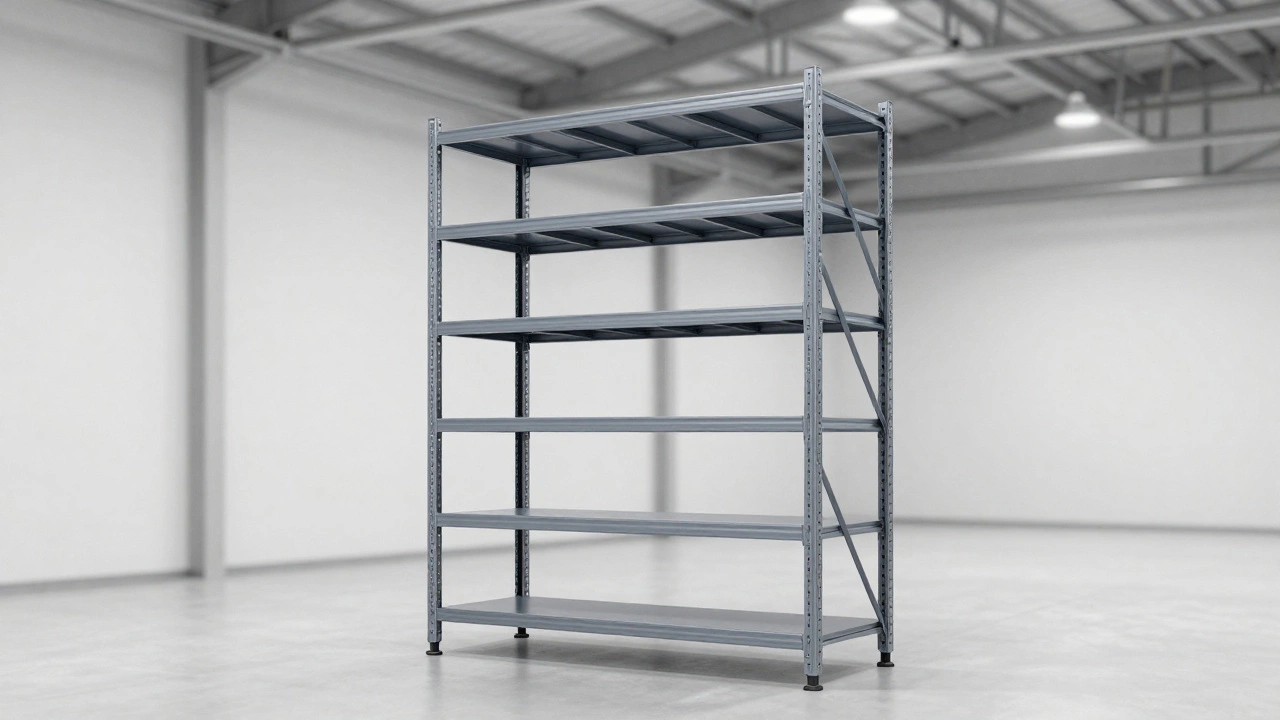
What Does '$5' Mean in Shelving Slang? Understanding Industrial Racking Terms
Curious about shelving slang? Discover why "$5" refers to 5-shelf racking systems, how they work, and how to choose the best industrial storage for your space.
-

Why Is 25 Pounds Called a Pony? The Surprising Origin of British Slang
Why is £25 called a pony? The term comes from British soldiers in India who linked the 25-rupee note to a pony image. It stuck as slang in the UK and is still used today in pubs and betting shops.
-
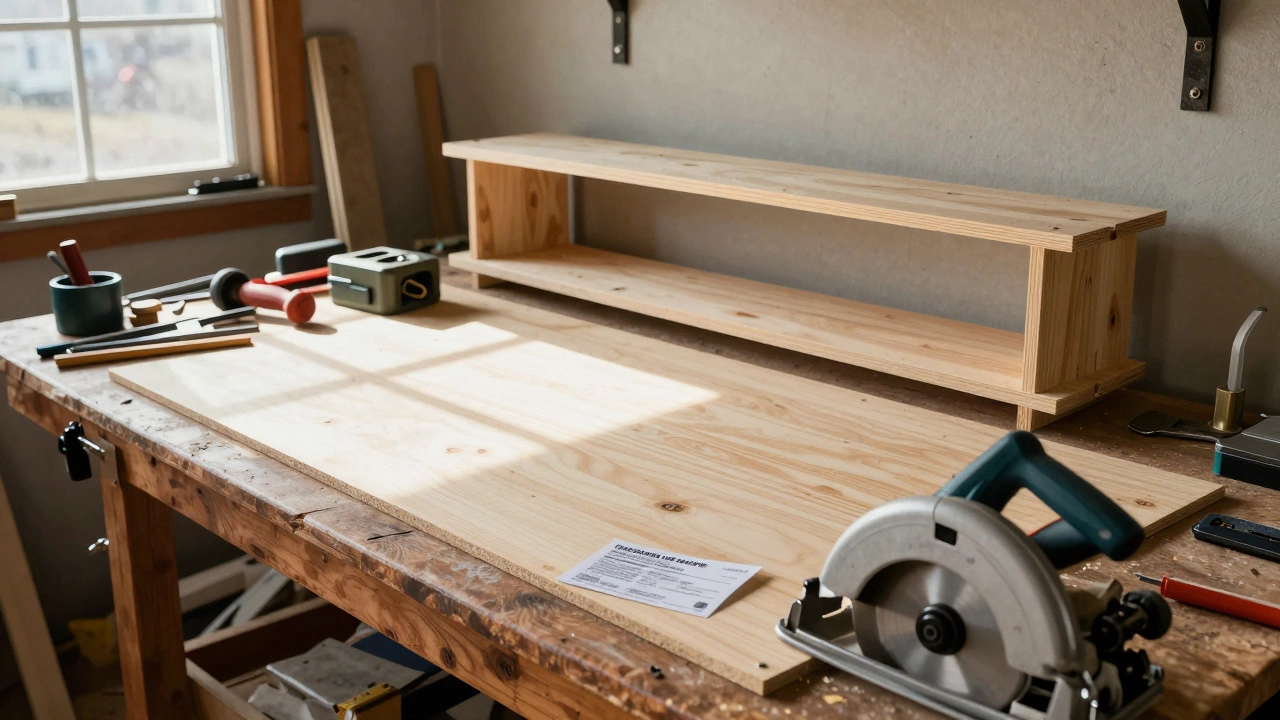
Is It Cheaper to Buy Shelves or Make Them? The Real Cost Breakdown
Buying shelves is often cheaper than building them when you factor in time, tools, and mistakes. Learn the real costs of DIY vs. store-bought shelves and when each option makes sense.
-
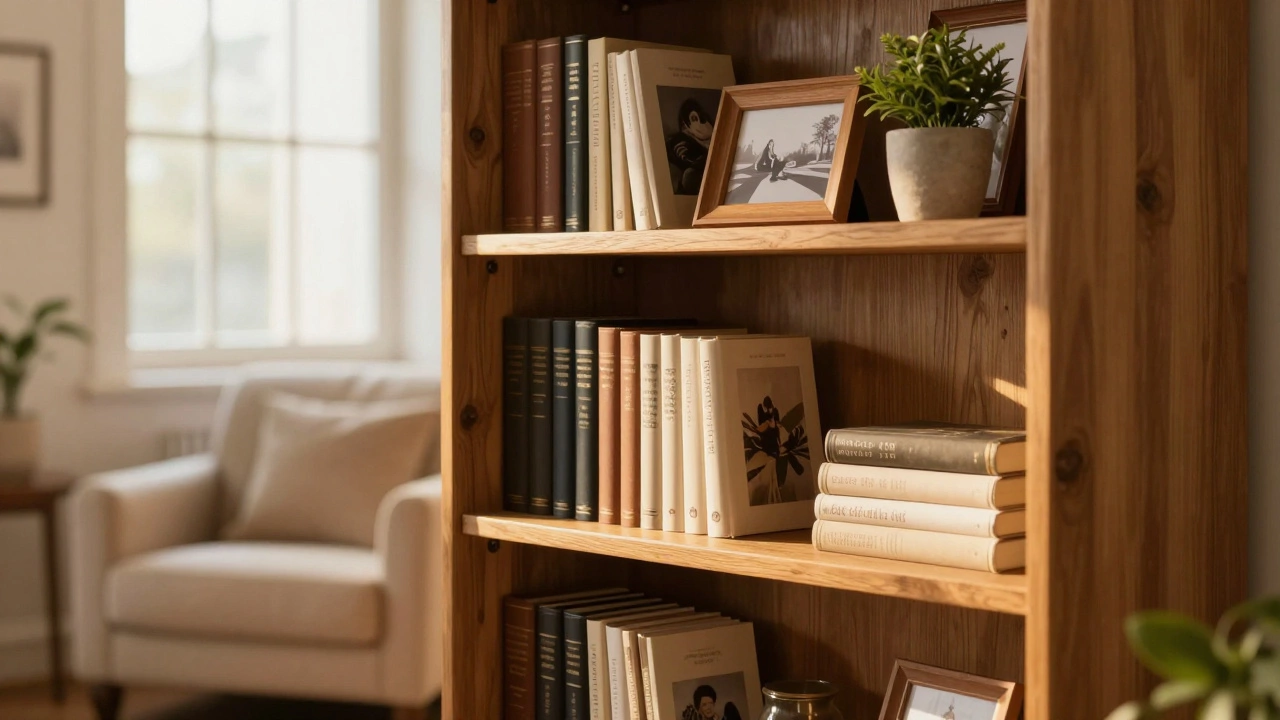
Wood vs Wire Shelves: Which Is Better for Your Home?
Wood shelves offer warmth and durability but cost more. Wire shelves are affordable, easy to clean, and ideal for garages. Learn which works best for your kitchen, pantry, or workshop.
-
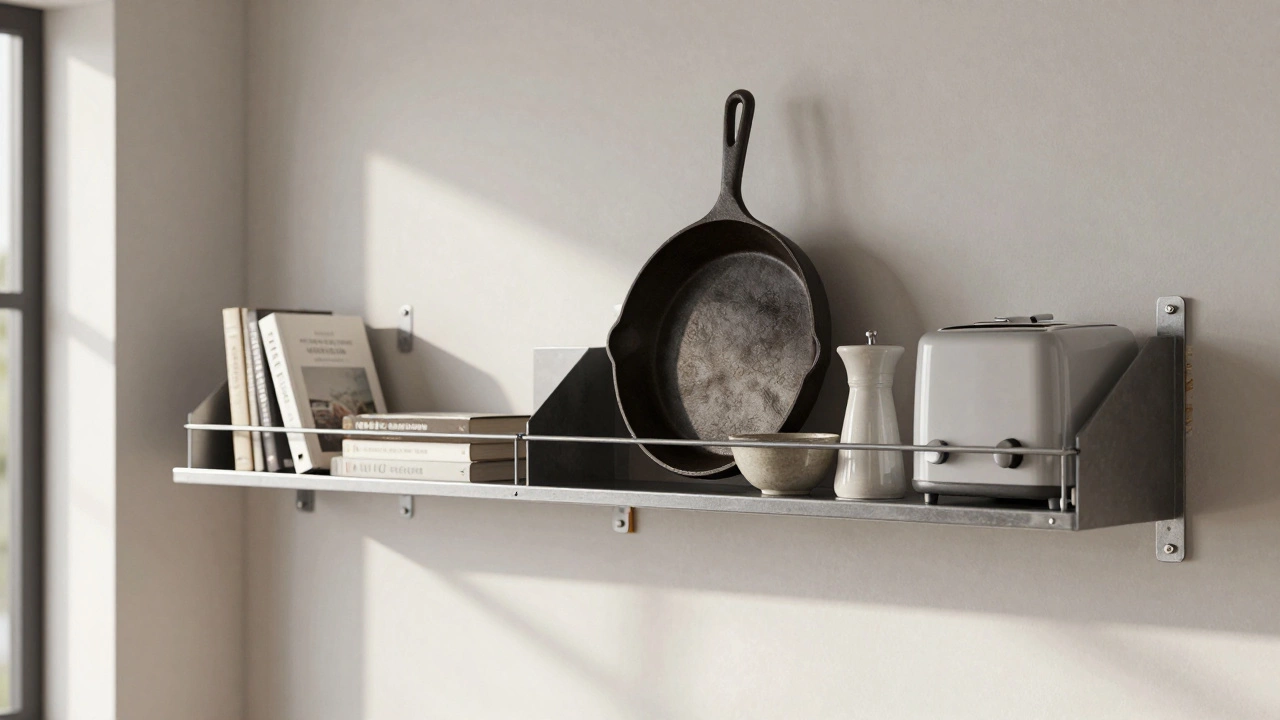
Is a Band Shelf $100 or $1000? What You Really Pay for Quality Shelving
Is a band shelf worth $100 or $1,000? The difference isn't branding-it's steel thickness, mounting strength, and real-world load capacity. Learn what actually matters when buying wall shelving.
-
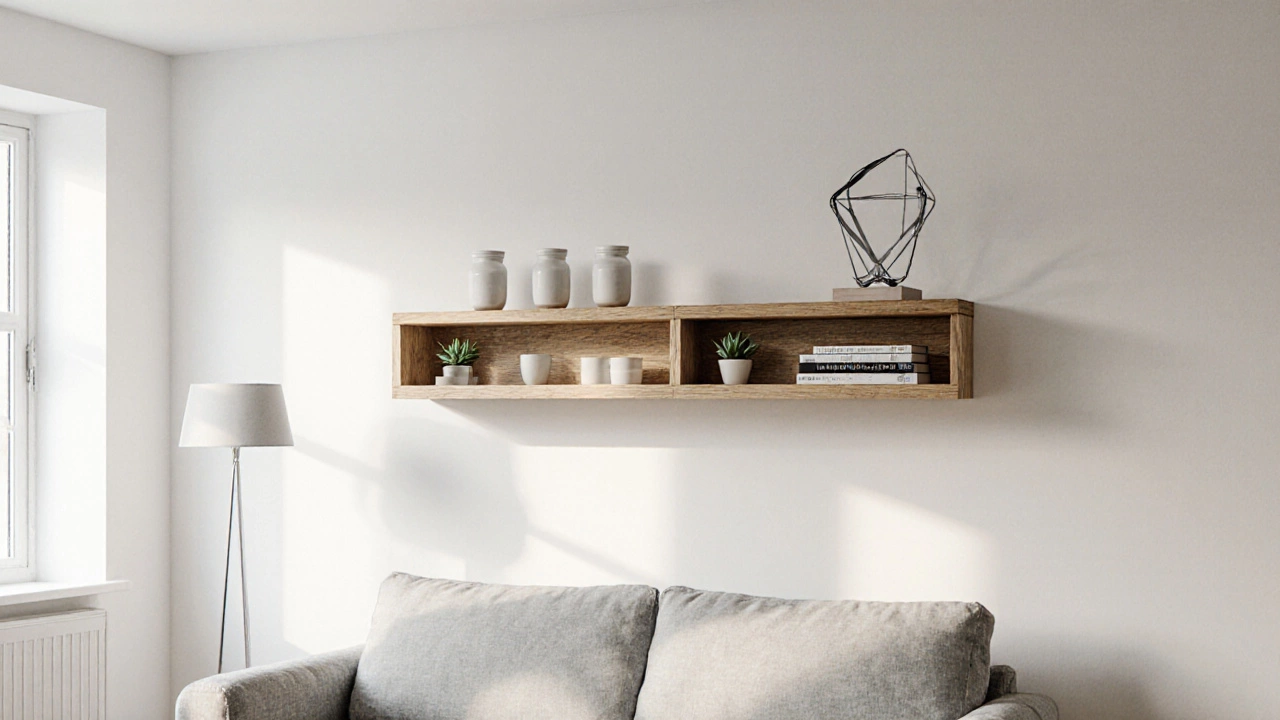
Open Shelving Trend 2025: Is It Going Out of Style?
Find out if open shelving is losing its appeal in 2025, why the shift is happening, and smart alternatives for stylish, functional homes.
-
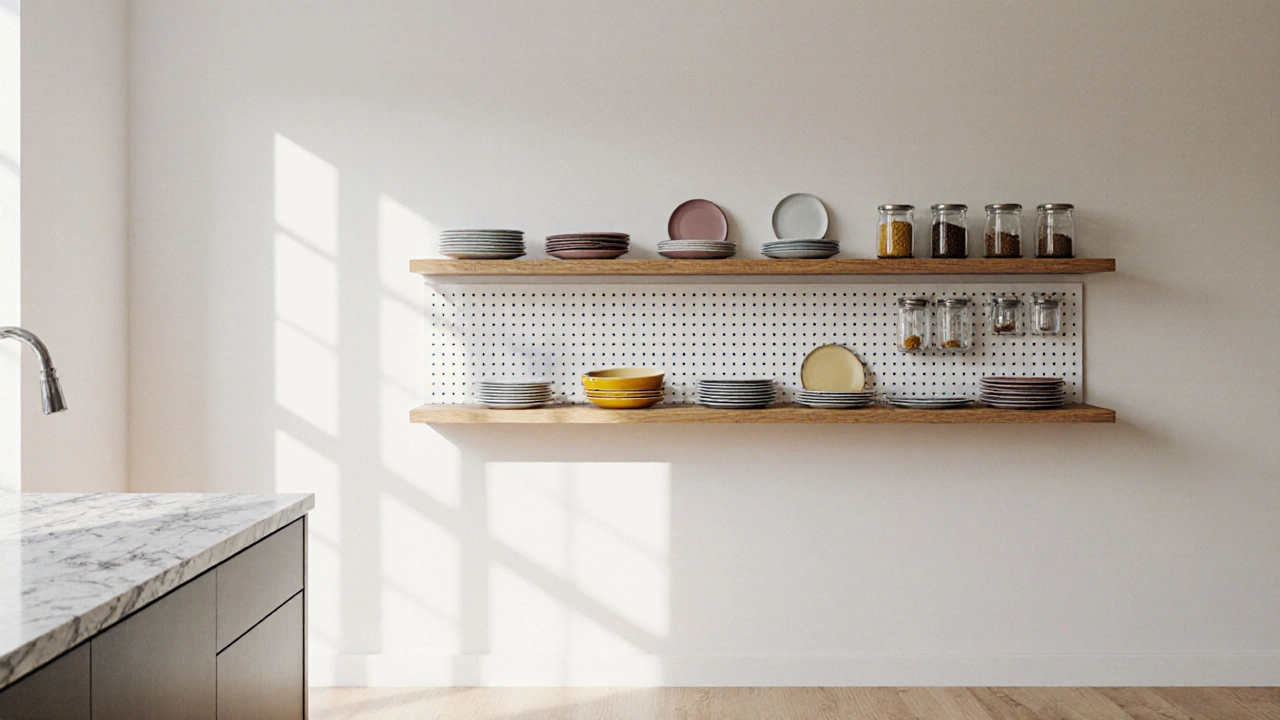
Open Shelving: Trend or Timeless Design?
Explore whether open shelving is a fleeting fad or a lasting design choice. Learn its history, pros, cons, cost, and practical tips to make it work in any home.
-

Is ‘Shelving’ Singular or Plural? Grammar Guide
Clear guide answering whether "shelving" is singular or plural, with grammar rules, examples, a checklist, and FAQ for writers and English learners.