

Wood vs Wire Shelf Calculator
Your Storage Requirements
Recommendation
Enter your requirements to see which shelf type works best for you.
Based on article data: Solid wood holds up to 200 lbs/ft (when properly supported), wire holds 50-600 lbs depending on gauge.
Choosing between wood and wire shelves isn't just about looks-it affects how much you can store, how long it lasts, and even your wallet. I've helped friends decide this exact dilemma, and here's what actually matters. When it comes to wood shelves vs wire shelves, the key differences come down to practical needs.
Weight Capacity: What Can Each Shelf Really Hold?
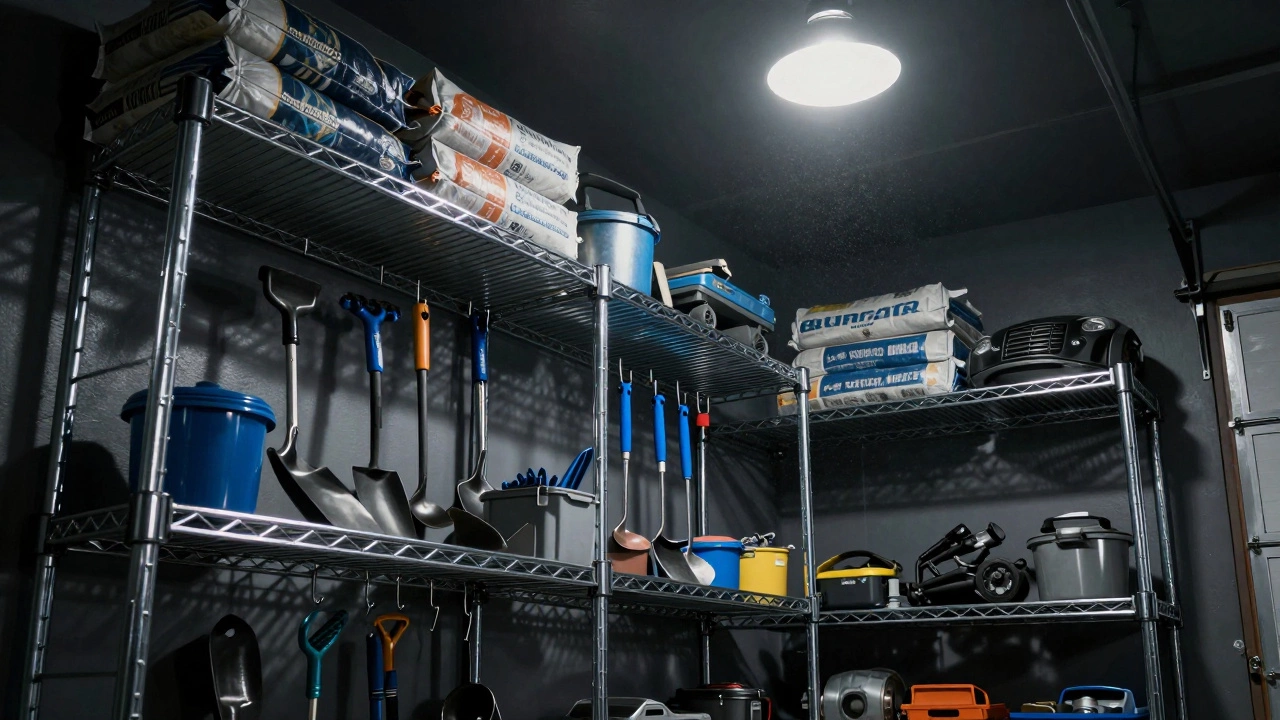
Wood shelves are typically made from solid wood like oak or pine, offering a natural aesthetic that fits well in living rooms and kitchens. For example, a 1-inch thick solid oak shelf can hold up to 200 pounds per linear foot when properly supported. This makes them perfect for heavy books, display items, or pantry staples. On the other hand, wire shelves are constructed from steel wires. Standard residential units with 18-gauge steel support 50-100 pounds per shelf, but industrial-grade versions with 16-gauge steel can handle up to 600 pounds-ideal for garage tools or heavy equipment.
Real-world example: A Bristol homeowner storing gardening supplies in a garage used a wire shelf unit. The 16-gauge steel frame held up perfectly for years, even with heavy bags of soil and tools. Meanwhile, a friend’s wood shelf in the living room held a full book collection without bending, but only because it was reinforced with sturdy brackets.
Durability and Lifespan
Wood shelves can warp or crack in high humidity unless sealed properly. In a damp basement, untreated pine shelves might bow after a few years. Solid oak or maple, however, lasts decades with minimal care. Wire shelves made from galvanized steel resist rust but can bend under extreme weight. Stainless steel wire won’t rust at all, but it’s pricier. I’ve seen galvanized wire shelves in a garage last 15 years, while untreated wood in a humid bathroom started peeling after five.
Maintenance and Cleaning
Cleaning wire shelves is simple: just wipe with a damp cloth. Dust and dirt fall through the wires, so no scrubbing needed. For particle board or MDF wood shelves, avoid soaking them-water can cause swelling. Solid wood requires occasional polishing with a wood-specific cleaner. If you have kids or pets, wire shelves handle scratches better. A spilled juice stain on wood might leave a mark, but wire wipes clean instantly.
Aesthetics and Style
Wood shelves blend seamlessly into traditional kitchens or living rooms. A solid oak shelf in a dining room adds warmth and elegance. Wire shelves, especially powder-coated in black or white, suit modern or industrial spaces. They’re popular in home offices or utility rooms where function matters more than flair. I’ve noticed that in Bristol homes, people often choose wood for visible areas like living rooms and wire for hidden spots like garages or laundry rooms.
Cost Comparison
A basic wire shelving unit starts around £20, while solid wood shelves can cost £100 or more per shelf. But wood’s longevity often makes it worth the investment. Wire shelves might need replacing every 5-10 years, whereas solid oak can last decades. For example, a £150 wood shelf unit in a kitchen might save £50 over time compared to replacing cheaper wire shelves twice. However, if you’re on a tight budget, wire shelves offer immediate affordability without sacrificing utility.
Best Uses for Each Type
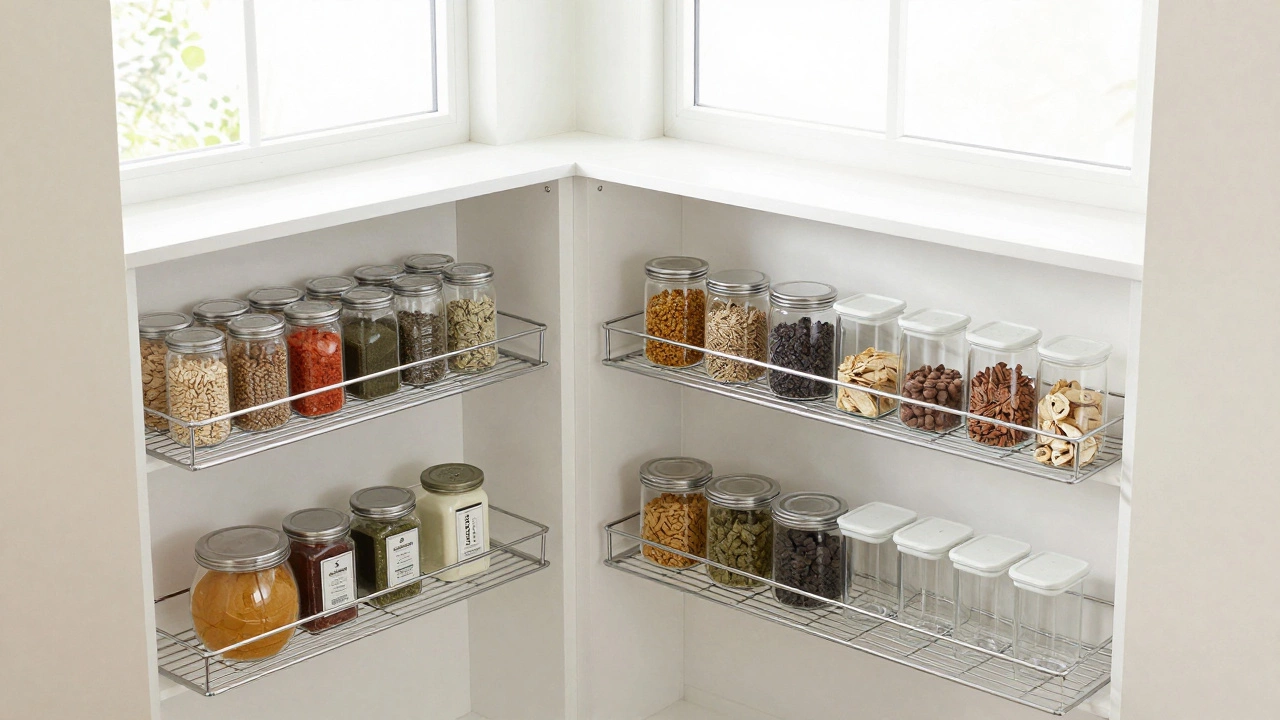
For a kitchen pantry, wire shelves are great because they allow air circulation, reducing moisture buildup. They’re also easy to clean-just wipe with a damp cloth. If you prefer a warmer look, sealed wood shelves can work well too, but make sure they’re treated for moisture resistance. In a garage, heavy-duty wire shelves with stainless steel wires hold tools and equipment securely. For a living room bookshelf, solid oak or maple adds character and stability. A bathroom shelf? Avoid wood unless it’s waterproofed; wire is safer for humidity.
Common Mistakes to Avoid
Don’t assume all wire shelves are the same-check the steel gauge. Thinner 20-gauge wire bends easily under weight. Also, never put untreated wood shelves in a bathroom without a moisture barrier; they’ll swell and warp. Another mistake? Overloading shelves. A 1-inch thick wood shelf might hold 200 pounds, but spreading the weight evenly prevents sagging. Always measure your space before buying-wire shelves often need more clearance for airflow, while wood shelves fit tighter spaces.
| Feature | Wood Shelves | Wire Shelves |
|---|---|---|
| Weight Capacity | Up to 200 lbs per linear foot (solid oak) | 50-600 lbs (depends on steel gauge) |
| Moisture Resistance | Requires sealing; warps in humidity | Galvanized or stainless steel resists rust |
| Maintenance | Polish periodically; avoid water damage | Wipe with damp cloth; no special care |
| Aesthetic Style | Warm, traditional, natural | Industrial, modern, minimalist |
| Cost (per shelf) | £80-£150+ | £15-£50 |
Which is better for a kitchen pantry?
Wire shelves are often better for kitchen pantries because they allow air circulation, reducing moisture buildup. They’re also easy to clean-just wipe with a damp cloth. However, if you prefer a warmer look, sealed wood shelves can work well too. Just make sure they’re treated for moisture resistance.
Can wire shelves rust in a damp environment?
Yes, but only if they’re not properly coated. Galvanized steel wire resists rust for years, while stainless steel won’t rust at all. Avoid cheap wire shelves with thin coatings in humid areas like bathrooms or basements. For damp garages, always choose galvanized or stainless steel options.
How much weight can a typical wood shelf hold?
A solid oak shelf 1 inch thick can hold up to 200 pounds per linear foot when properly supported. Particle board or MDF shelves hold less-around 50-100 pounds. Always check the manufacturer’s specs, and distribute weight evenly to prevent sagging.
Are there affordable alternatives to solid wood?
Yes! Laminate-covered particle board or MDF shelves offer a wood-like look for under £50 per shelf. They’re budget-friendly but less durable than solid wood. For high-moisture areas, avoid these options and choose wire shelves instead.
What’s the best way to clean wood shelves?
Use a soft cloth with a wood-specific cleaner or a mix of olive oil and lemon juice. Never soak them-just wipe gently. For daily dusting, a dry microfiber cloth works best. Avoid harsh chemicals that can strip the finish.