
2025 Bathroom Style Matcher
Select the features that matter most to you in your next bathroom project. We'll recommend the top 2025 trend that fits your vision.
Natural & Organic
Wood, stone, clay textures
Eco-Conscious
Sustainable materials, water saving
Spa & Wellness
Relaxation, steam, aromatherapy
Smart Tech
Connected devices, convenience
Bold Colors
Earth tones, dark depths
Clean & Simple
Low maintenance, functional
Your Recommended Trend:
Why this fits:
Key Elements to Include:
Recommended Color Palette:
Pro Tip:
You might think your bathroom is stuck in a time loop of beige tiles and chrome fixtures. But the landscape has shifted. If you are planning a renovation or just swapping out accessories, ignoring current shifts means missing out on spaces that feel less like utility rooms and more like personal sanctuaries. The bathroom trend for 2025 isn't about one single look; it's about blending high-tech convenience with raw, organic textures to create a space that heals as much as it cleans.
Why does this matter now? Because our relationship with home has changed. We spend more time there, and we expect every corner to serve a purpose beyond function. A bathroom in 2025 needs to be efficient, eco-conscious, and visually calming. Let's break down exactly what is dominating the market right now, so you don't waste money on styles that will feel dated by next year.
The Shift Toward Organic Modernism
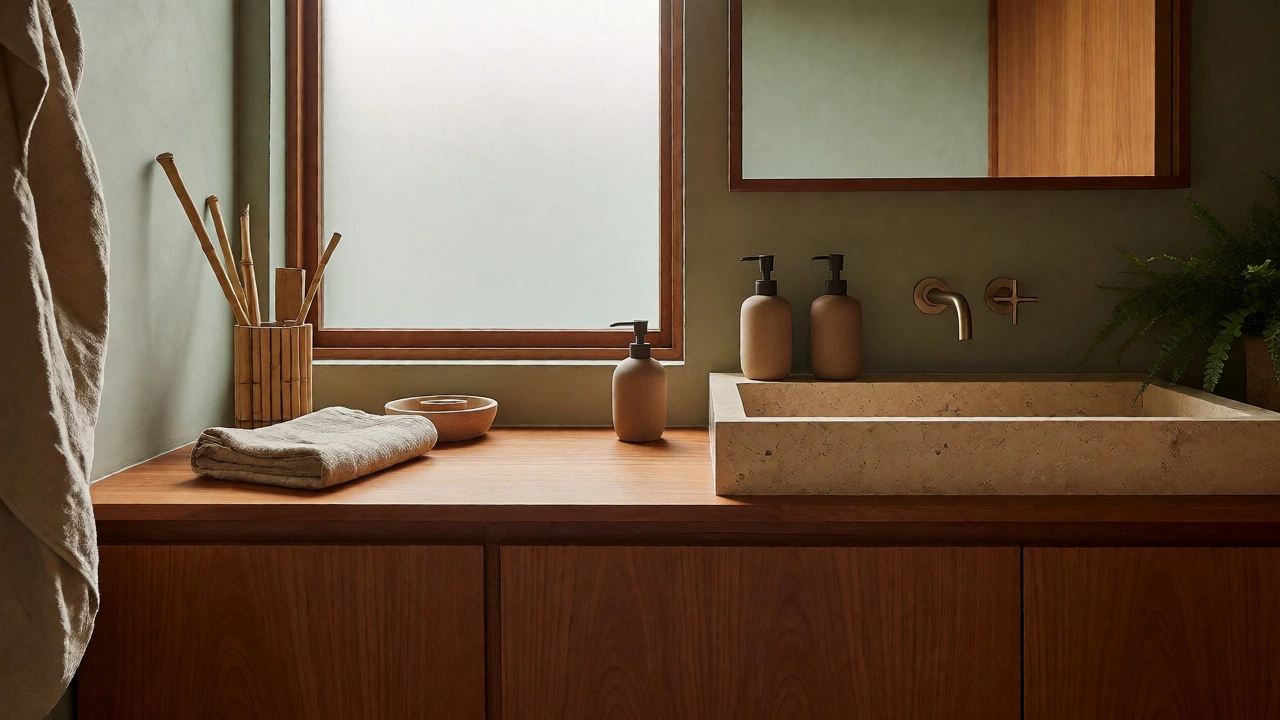
Gone are the days of sterile, all-white minimalism. While clean lines remain important, the coldness is being replaced by warmth. This movement, often called Organic Modernism, combines sleek contemporary designs with natural materials like wood, stone, and clay. Think teak vanities instead of glossy white cabinets. Consider travertine sinks rather than porcelain. The goal is tactile richness. You want surfaces that invite touch.
This trend impacts accessories significantly. Look for bamboo toothbrush holders, linen shower curtains, and ceramic soap dispensers with matte finishes. These items add texture without cluttering the visual field. It creates a grounded feeling, which is crucial when you're trying to decompress after a long day. If you live in an older property, this style works particularly well because it bridges the gap between period features and modern functionality.
Sustainable Materials Are No Longer Optional
Eco-friendliness used to be a niche selling point. Now, it's a baseline expectation. Homeowners are actively seeking products made from recycled plastics, reclaimed wood, or rapidly renewable resources like cork and bamboo. But it goes deeper than just the material source. It's about longevity and repairability.
| Feature | Sustainable Option (e.g., Bamboo) | Traditional Option (e.g., Plastic) |
|---|---|---|
| Biodegradability | High (decomposes naturally) | Low (lasts hundreds of years) |
| Aesthetic Appeal | Warm, textured, unique grain | Uniform, potentially cheap-looking |
| Durability | High if sealed correctly | Variable (often cracks over time) |
| Cost | Moderate to High upfront | Low upfront |
Water conservation also drives accessory choices. Low-flow faucets and dual-flush toilets are standard, but smart showerheads that track water usage are gaining traction. They provide immediate feedback, helping you adjust habits without guesswork. When shopping, check for certifications like WaterSense or FSC (Forest Stewardship Council) to ensure claims are legitimate.
The Rise of Spa-Like Wellness Zones
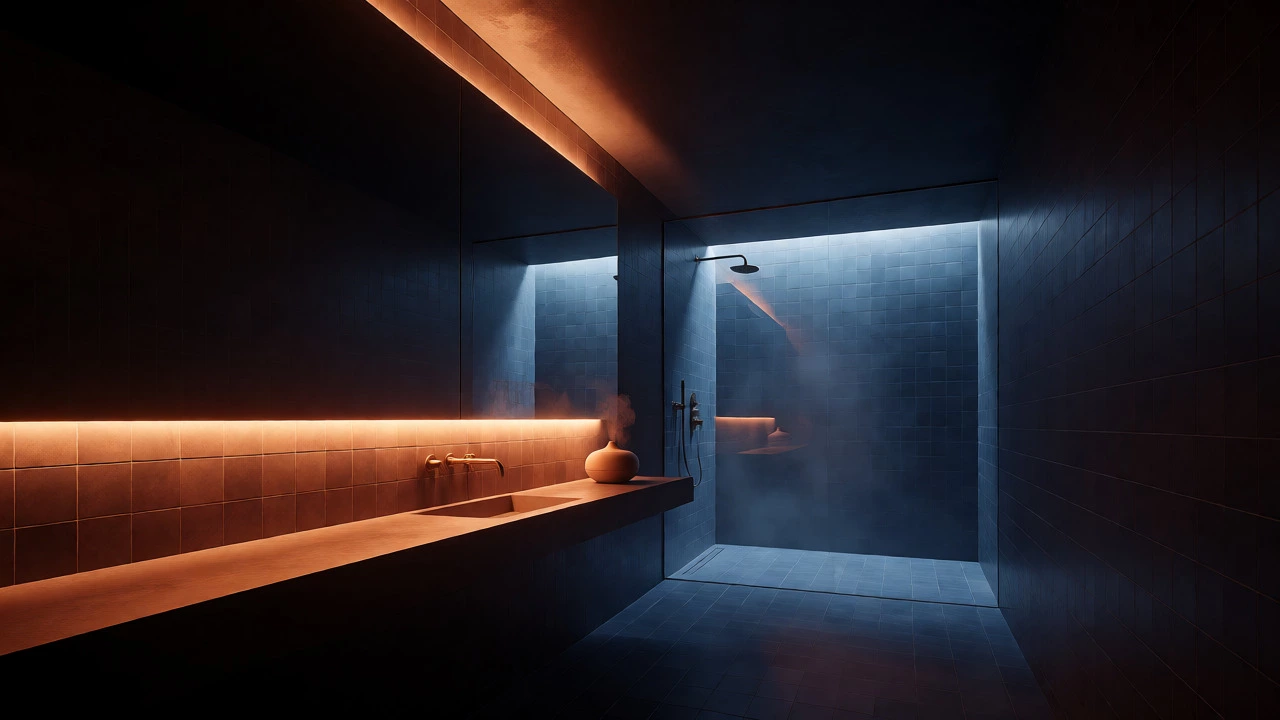
Your bathroom should feel like a retreat. The Spa-Like Bathroom concept focuses on sensory experiences: steam, scent, light, and sound. This isn't just about adding candles. It involves integrated technology and thoughtful layout changes.
- Lighting: Dimmable LED strips under vanities or around mirrors replace harsh overhead lights. Warm color temperatures (2700K-3000K) mimic sunset hues, signaling relaxation to your brain.
- Steam: Steam showers are becoming more accessible. Even if you can't install a full system, handheld steam generators attach to existing setups.
- Aromatherapy: Built-in diffusers in ventilation systems disperse essential oils automatically. Alternatively, simple ultrasonic diffusers placed on shelves work well.
Accessibility plays a role here too. Walk-in showers with zero-threshold entries aren't just for elderly users; they make cleaning easier and create a seamless flow. Pair these with rainfall showerheads for that luxury hotel feel at home.
Smart Technology Meets Privacy
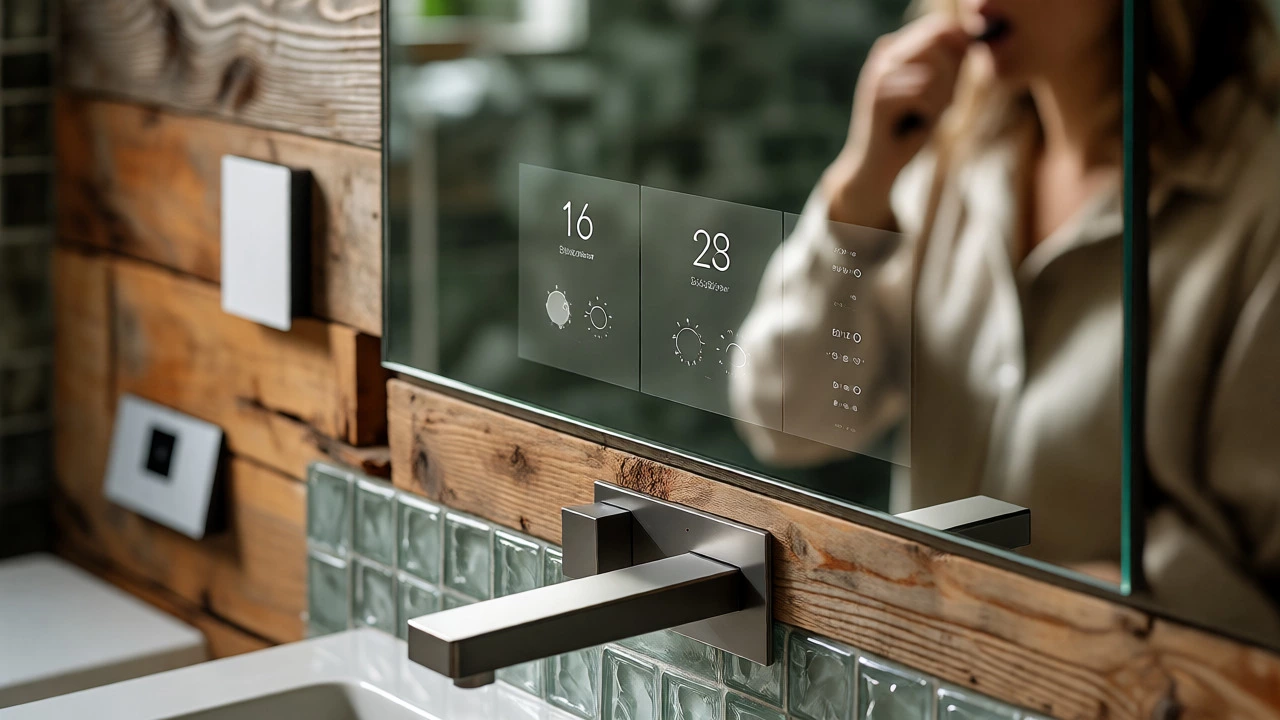
We love gadgets, but not at the expense of privacy. The latest wave of smart bathroom tech focuses on discreet integration. Mirrors with hidden displays show weather, news, or music controls only when activated. Smart toilets with heated seats and bidet functions have improved hygiene and reduced toilet paper use-a win for both comfort and the environment.
However, avoid over-complicating things. If a device requires a separate app update every week, it becomes a chore. Look for devices compatible with major ecosystems like Apple HomeKit or Google Home. Voice control is handy, but physical buttons still offer reliability during power outages or internet glitches. Balance is key.
Color Palettes: Earth Tones and Moody Depths
Bright whites are taking a backseat. Instead, designers are leaning into earth tones-terracotta, sage green, warm browns-and moody darks like charcoal, navy, and forest green. These colors hide dirt better than stark white and create depth.
Accent walls using patterned tiles or wallpaper add personality without overwhelming the space. For smaller bathrooms, lighter shades of these earth tones prevent the room from feeling cramped. In larger spaces, go bold. A deep blue wall paired with brass fixtures creates a striking contrast that feels sophisticated rather than chaotic.
Practical Tips for Updating Your Space
You don't need a full remodel to tap into these trends. Start small. Swap out plastic accessories for wooden or ceramic ones. Add a few plants that thrive in humidity, like ferns or pothos. Change your lighting bulbs to warmer temperatures. These low-cost changes yield high impact.
If you're replacing fixtures, prioritize quality over quantity. One well-made faucet lasts longer than three cheap ones. Check warranty terms carefully. Also, consider maintenance. Matte black finishes look chic but show water spots easily. Chrome remains practical for busy households. Match your choice to your lifestyle, not just Pinterest images.
What is the biggest bathroom trend for 2025?
The biggest trend is "Organic Modernism," which blends sleek, contemporary designs with natural materials like wood, stone, and clay. This approach prioritizes warmth, texture, and sustainability over the sterile minimalism of previous years.
Are smart bathroom accessories worth the investment?
Yes, if they integrate seamlessly into your daily routine. Smart mirrors, voice-activated faucets, and leak detectors add convenience and efficiency. However, choose devices with reliable connectivity and simple interfaces to avoid frustration. Prioritize features that save water or energy for the best return on investment.
How can I make my small bathroom look bigger in 2025?
Use large-format tiles to minimize grout lines, install floating vanities to expose floor space, and maximize vertical storage with tall, narrow shelving. Light-colored walls and strategic mirror placement also enhance the sense of openness. Avoid bulky furniture that blocks sightlines.
What colors are popular for bathrooms in 2025?
Earth tones like terracotta, sage green, and warm browns are trending, along with moody darks such as charcoal, navy, and forest green. These colors create depth and sophistication while hiding dirt better than stark white.
Is sustainable bathroom decor expensive?
Not necessarily. While some premium materials cost more upfront, durable options like bamboo or recycled glass often last longer than cheap alternatives. Additionally, water-saving fixtures reduce utility bills, offsetting initial costs over time. Many affordable brands now offer eco-friendly lines.