
Home Furnishings: Eco-Friendly Comfort for Every Room
Welcome to the place where style meets sustainability. Whether you’re sprucing up a living room, bedroom, or a cozy corner, the right furnishings can make a big difference to comfort and the planet. At Eco Harmony Home we focus on products that last, use safe materials, and keep your space looking fresh. Below you’ll find practical tips that work right away – no jargon, just clear advice you can apply today.
Couch Cushions: How Thick Is Right?
Choosing the perfect cushion thickness is more than a question of looks. A cushion that’s too thin will flatten quickly, while one that’s too deep can feel floppy and hurt your back. For most sofas, a 4‑5 inch foam core gives the right balance of support and softness. Add a 1‑2 inch feather or polyester top‑layer for that plush feel you love. If you have kids or pets, go for a higher density foam – it bounces back faster after spills and sits.
Another tip: look for removable, washable covers. They let you keep the couch fresh without harsh chemicals. When you replace cushions, check the size of the seating area first. A snug fit prevents sliding and keeps the sofa looking tidy.
Sustainable Bedding & Adjustable Beds
Bedding is the first thing you touch when you wake up, so it should be both comfy and kind to the earth. Organic cotton, linen, and bamboo are great choices because they grow without harmful pesticides and feel soft on the skin. Aim for a thread count between 200‑400 – that range gives durability without feeling stiff.
If you suffer from back pain or simply want a custom sleep position, an adjustable bed can be a game‑changer. Doctors say these beds improve circulation and reduce snoring. Look for models that use quiet motors and have a sturdy frame made from recycled metals or wood. Pair the bed with a breathable mattress and the right pillow for the best results.
Finally, think about the lifespan of each item. Buying a higher‑quality sheet set or a well‑built couch may cost more upfront, but it reduces waste and saves money over time. When you need to replace something, check if the brand offers a recycling program – many eco‑focused companies take back old products for responsible disposal.
Putting these ideas together creates a home that feels welcoming and respects the environment. Start with one small change – maybe swapping a single cushion or adding an organic sheet set – and watch how quickly the overall vibe improves. Happy decorating!
-
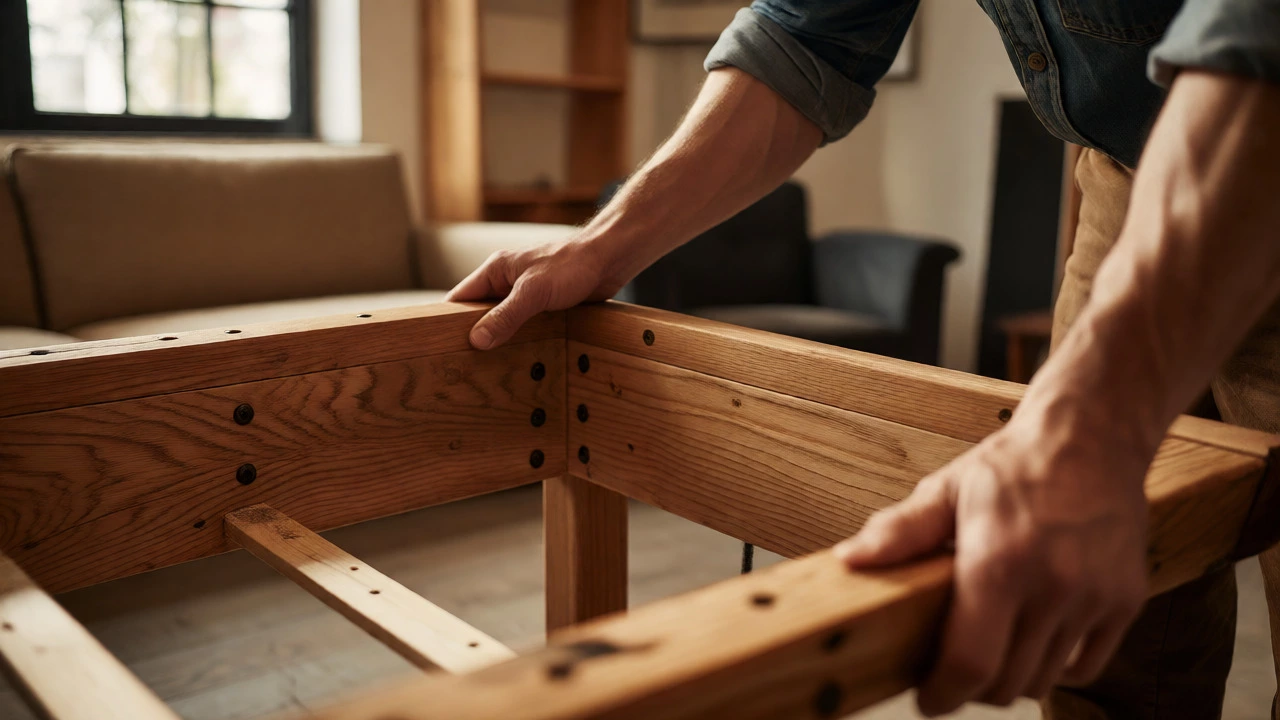
How to Choose a Durable Sofa That Lasts: A Buyer's Guide
Stop buying sofas that sag in two years. Learn how to check frame quality, foam density, and fabric durability to ensure your next purchase lasts a decade.
-

What is the Healthiest Bedding to Sleep On? A Practical Guide
Discover the healthiest bedding options for better sleep and skin health. Learn why organic cotton, bamboo lyocell, and linen outperform synthetics. Avoid thread count myths and chemical traps.
-
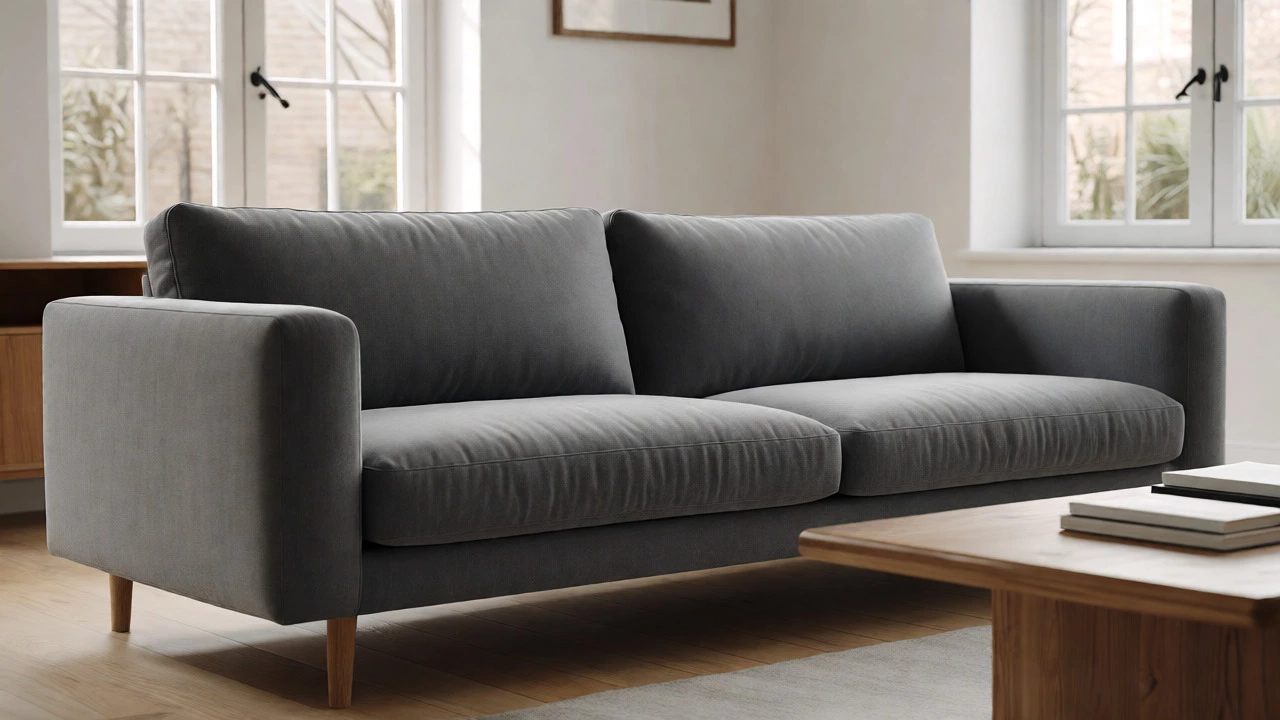
How Much Money to Spend on a Couch? Realistic Budgets for Every Home
Confused by sofa prices? Learn how much to spend on a couch based on usage, durability, and lifestyle. We break down budget vs. luxury tiers, hidden costs, and smart buying tips to help you choose the right sofa for your wallet.
-

Is Lazy Boy Made in China? A Guide to Manufacturing Origins
Discover the truth about Lazy Boy manufacturing origins. Learn why some recliners are made in China while others are US-assembled, and how to choose the right quality.
-

Do Blankets Count as Bedding? A Clear Guide to Bedding Sets and Layers
Confused about whether blankets are included in bedding sets? We break down the difference between retail definitions and functional reality. Learn what counts as essential bedding, how to wash different layers, and how to build a perfect bed stack.
-

Do Sciatica Cushions Work? The Truth About Relief and Support
Discover if sciatica cushions really relieve nerve pain. We compare coccyx vs. lumbar wedges, explain the mechanics of relief, and share tips for choosing the right support.
-
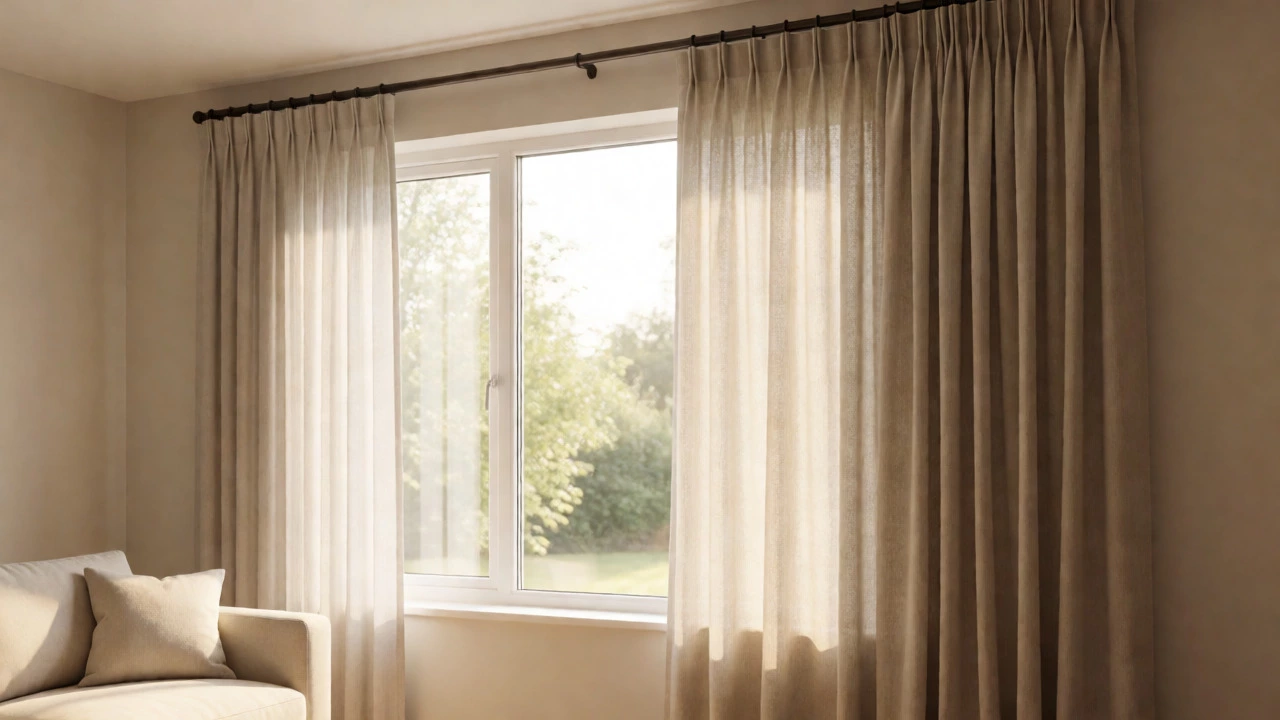
Curtain Width Guide for a 72 Inch Window: The Perfect Fit
Stop guessing your curtain size. Learn why a 72-inch window needs 144+ inches of fabric for a luxury look. Get the exact panel counts and avoid common fitting mistakes.
-

The Easiest Couch to Keep Clean: A Practical Guide
Discover the easiest couch to keep clean. We compare leather, performance fabrics, and microfiber to help you choose a sofa that withstands kids, pets, and daily life.
-

Is an Expensive Sofa Worth the Money? A Buyer's Guide
Wondering if a pricey sofa is worth the investment? We break down construction quality, cost-per-use math, and lifestyle factors to help you decide.
-
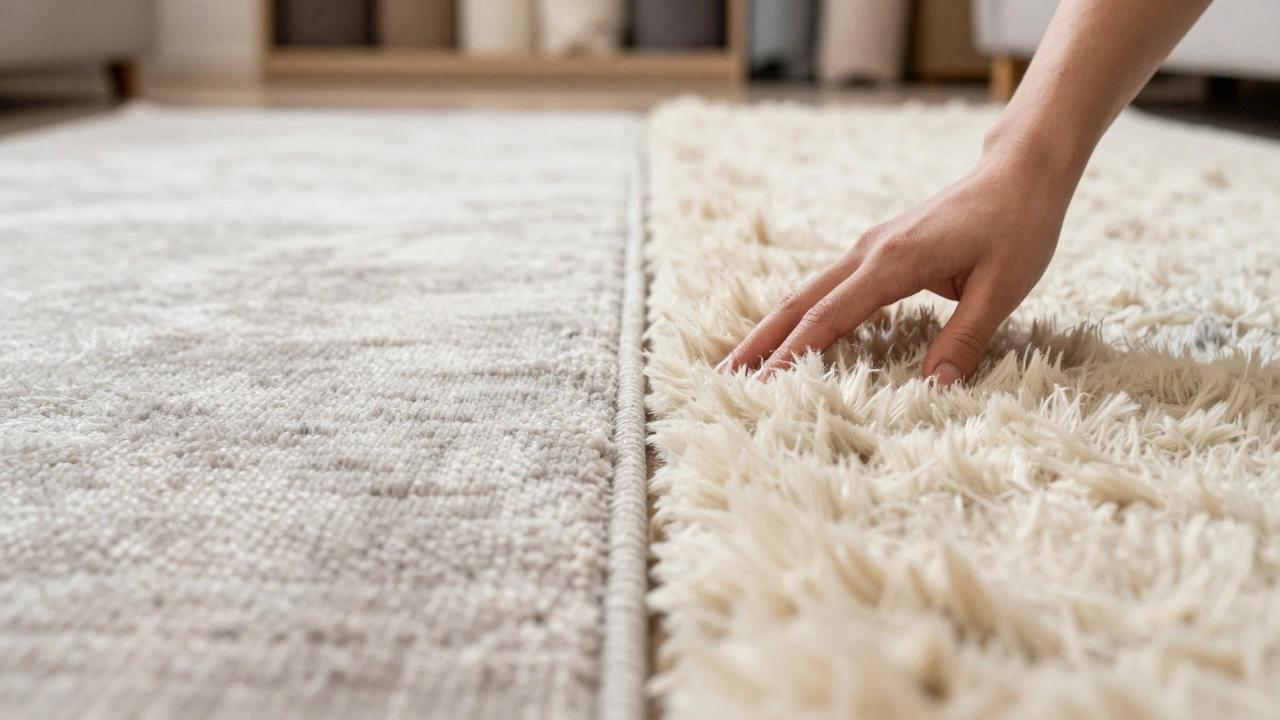
Cheap vs Expensive Rugs: What You're Actually Paying For
Discover the real differences between cheap and expensive rugs, from material composition to construction methods. Learn how to choose the right rug for your home based on durability, comfort, and budget.
-
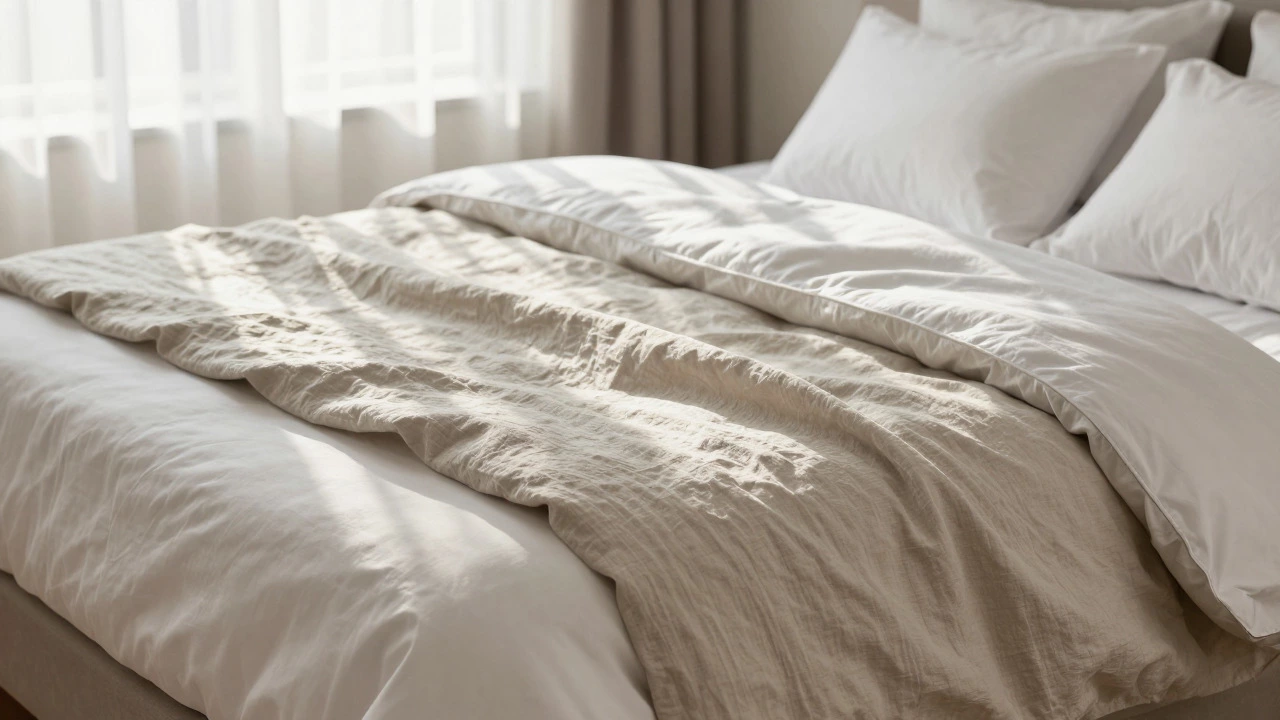
What Does French Bedding Mean? The Truth Behind the Term
Discover what French bedding really means. It's not a product, but a layering method using duvets and covers for a relaxed, luxurious look. Learn how to style it.
-
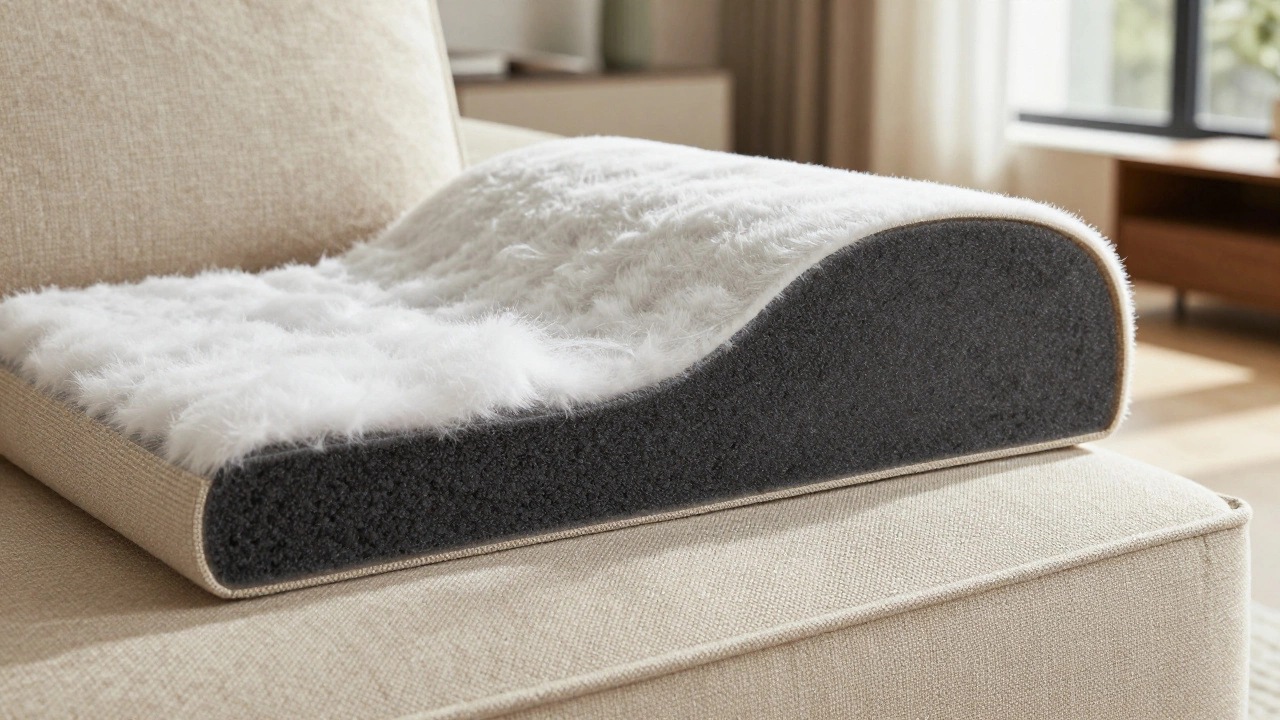
What Are the Longest Lasting Sofa Cushions? A Guide to Foam, Down, and Hybrids
Discover which sofa cushions last longest. Compare high-density foam, down, and hybrid options for durability, comfort, and maintenance needs.