
Mirror Quality & Durability Checker
Use this tool to assess if a specific mirror is worth buying for your intended location. Select the specifications below to get a durability score and recommendation.
Enter specifications to see the durability score and recommendations.
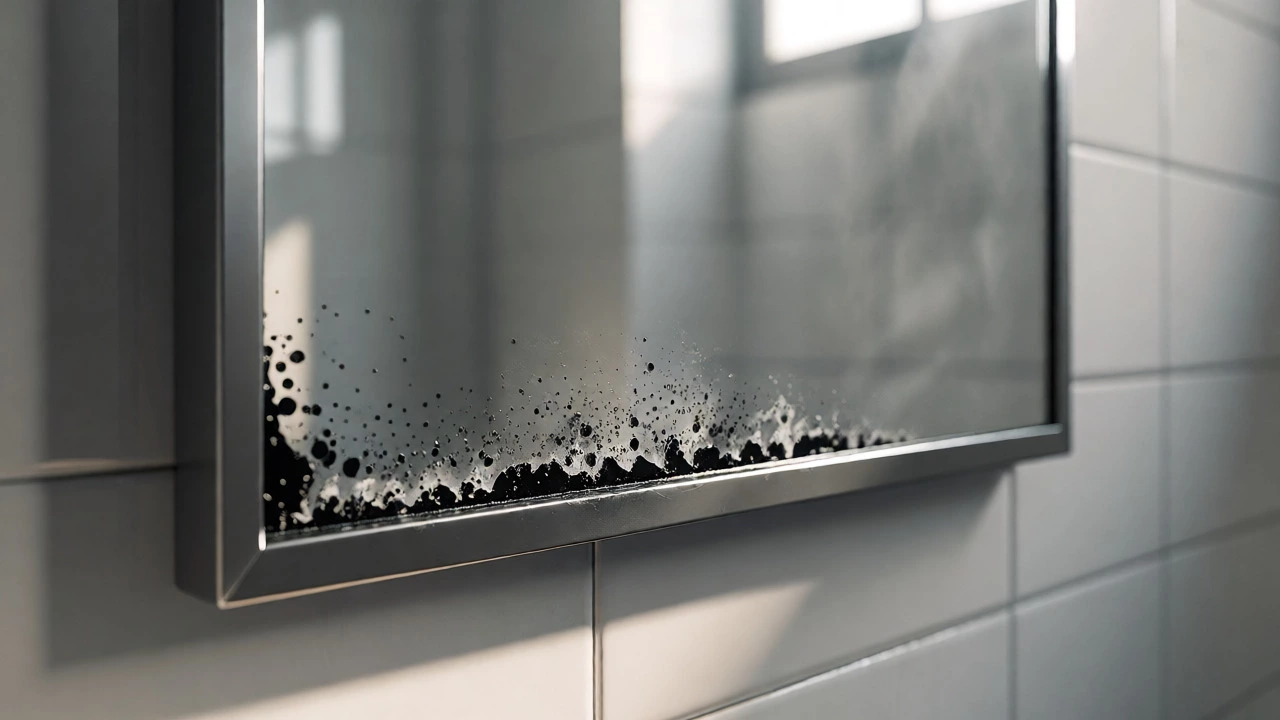
You spot a large, full-length mirror at a discount store for £20. It looks shiny, it fits the wall, and your bank account approves. But six months later, you notice black spots creeping in from the edges, or worse, the reflection looks slightly warped when you walk past it. This isn't just bad luck; it's physics and manufacturing shortcuts at work. The question isn't whether cheap mirrors exist-they do-but whether they are cheap mirrors worth the risk, or if that extra tenner buys you years of clarity.
Most people assume all mirrors are created equal. They aren't. The difference between a £15 IKEA-style panel and a £150 custom-cut piece often comes down to three things: the backing material, the glass thickness, and the quality of the reflective coating. If you're decorating on a budget, you don't need to spend a fortune, but you do need to know what you're actually buying so you don't end up replacing it twice.
The Science Behind the Shine: Silvering vs. Aluminum
To understand why some mirrors turn black while others stay crisp, you have to look at how they're made. Traditional high-quality mirrors use a process called "silvering," where a thin layer of metallic silver is deposited onto the back of the glass. This method has been around since the 19th century and produces a warm, accurate reflection with excellent longevity. However, silver tarnishes easily if exposed to moisture, which is why these mirrors require robust sealing.
Most modern, affordable mirrors use "aluminizing." Here, aluminum is vaporized onto the glass in a vacuum chamber. It's cheaper, faster, and resistant to tarnishing in dry environments. But here's the catch: aluminum reflects light differently than silver. While both are highly reflective (around 85-90% efficiency), the spectral balance shifts slightly. More importantly, the bond between the aluminum and the glass can be weaker in budget versions. If the protective paint layers applied over the aluminum are thin or poorly cured, humidity gets in. Once moisture reaches the metal layer, oxidation starts. That's when you see those ugly black spots, known as "desilvering" or edge corrosion.
| Feature | Silvered Glass (Premium) | Aluminized Glass (Standard/Budget) | Film/Acrylic (Ultra-Cheap) |
|---|---|---|---|
| Reflective Material | Metallic Silver | Aluminum Vapor | Aluminum Coated Plastic Film |
| Durability | High (if sealed correctly) | Moderate (prone to edge corrosion) | Low (scratches easily, yellows) |
| Best For | Bathrooms, High-Humidity Areas | Bedrooms, Hallways, Dry Rooms | Kids' rooms, Temporary setups, Rental properties |
| Average Cost (per sq ft) | £15 - £30+ | £3 - £8 | £1 - £3 |
Glass Thickness Matters More Than You Think
Have you ever looked into a cheap mirror and felt like your face was slightly stretched or squashed? That's not vanity; that's optical distortion caused by thin glass. Most premium mirrors use 4mm or 6mm float glass. Budget options often skimp here, using 2mm or even thinner sheets to save weight and shipping costs. When glass is too thin, it flexes. Even minor vibrations from a door slamming or a heavy truck passing outside can cause the glass to bow slightly. Since the reflection angle depends on the flatness of the surface, any curvature distorts the image. In a small bathroom cabinet mirror, this might go unnoticed. But in a full-length dressing mirror, it can make you look wider or taller than you are, depending on how the mirror is mounted. If you're buying a large panel, check the thickness label. Anything under 3mm is risky for sizes larger than 60cm x 60cm unless it's backed with a rigid MDF board. Always ask: "Is this tempered glass?" Tempered glass is stronger and safer, shattering into small cubes rather than sharp shards. Non-tempered cheap glass is fragile and dangerous if knocked during installation.
The Hidden Killer: Edge Sealing and Moisture Resistance
This is the number one reason cheap mirrors fail in bathrooms. Manufacturers cut corners by skipping proper edge protection. A good mirror has its edges ground smooth and then coated with multiple layers of waterproof paint or tape to seal the reflective layer from air and water vapor. Cheap mirrors often have raw, unsealed edges or a single thin coat of paint that chips off easily. Bathrooms are humid zones. Steam penetrates microscopic gaps in the backing. When moisture hits the aluminum layer, it reacts with the adhesive and the glass, causing the reflection to peel away. This usually starts at the corners because heat and condensation accumulate there first. If you live in Bristol or anywhere with damp winters, an unsealed cheap mirror might last only two years before developing visible defects. Sealed mirrors, even budget ones, can last a decade.
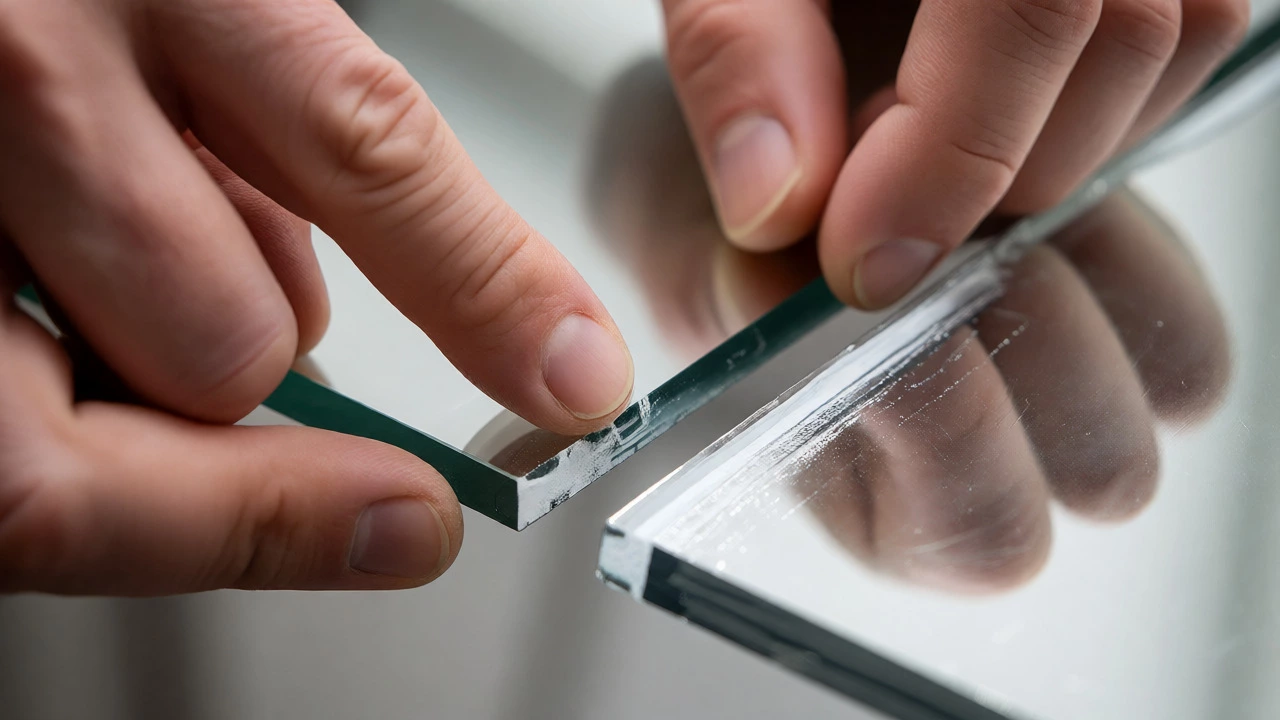
Pro Tip: Run your finger along the edge of the mirror before buying. If it feels rough, sharp, or unpainted, put it back. Look for a distinct colored band (often green or blue) along the edge-that's usually a sign of copper-free or protected backing designed for wet areas.

Acrylic vs. Glass: When Plastic Wins
Not all "mirrors" are made of glass. Acrylic mirrors (also called plexiglass mirrors) are lightweight, shatterproof, and very cheap. Are they any good? Surprisingly, yes-for specific uses. Acrylic won't distort your reflection due to flexing like thin glass does, because it's rigid yet flexible enough to absorb shock without breaking. However, acrylic scratches incredibly easily. One wipe with a paper towel containing grit, and you'll have permanent swirl marks. Use acrylic mirrors in children's bedrooms, behind doors, or in rental properties where you don't want to drill holes. Avoid them in bathrooms or kitchens where steam and grease will cloud the surface quickly. Also, note that acrylic expands and contracts more than glass with temperature changes, so mounting needs to allow for movement.
How to Spot a Bad Mirror Before You Buy
You don't need a lab to test mirror quality. Use these simple checks in the shop:
- The Fingernail Test: Place your fingernail against the glass surface. In a good mirror, the gap between your nail and its reflection should be minimal. A large gap indicates thick glass or poor bonding, which can sometimes signal lower quality coatings.
- The Straight Line Check: Hold the mirror up and look at a straight line in the room (like a door frame or tile grout). Move the mirror slowly side-to-side. If the line wiggles or bends, the glass is uneven or distorted.
- Inspect the Edges: Turn the mirror over. Look for bare glass edges. If you see the raw cut of the glass without paint or tape, it's not moisture-resistant. Avoid for bathrooms.
- Check for Bubbles: Look closely at the reflection under bright light. Tiny bubbles trapped between the glass and the backing indicate poor manufacturing. These can grow over time and ruin the clarity.
Installation Tips to Extend Life
Even a decent mirror will fail if installed poorly. Never mount a mirror directly against a damp wall. Leave a small air gap between the mirror and the plasterboard to allow ventilation. Use silicone-based adhesives instead of standard double-sided tape for heavier mirrors, as tape can degrade with heat and humidity, causing the mirror to slide or fall. If you must use tape, ensure the wall is completely dry and clean.
Also, avoid placing mirrors near radiators or direct sunlight sources. Extreme heat can warp the backing materials and accelerate the breakdown of adhesives. In UK homes, north-facing walls are often colder and more prone to condensation; consider adding a thermal break (like a foam spacer) behind the mirror in these locations.
Verdict: Should You Buy Cheap?
Cheap mirrors are fine for low-traffic, dry areas like hallways, bedrooms, or closets. If you find a well-sealed aluminized mirror with 3mm+ glass for under £30, grab it. It will likely serve you well for years. However, skip the cheapest options for bathrooms and kitchens. The cost of replacing a corroded mirror-including removal, disposal, and new purchase-often outweighs the initial savings. Invest in proper edge sealing and thicker glass for wet zones. Your reflection deserves better than a blurry, spotted mess.
Why do cheap mirrors get black spots?
Black spots occur due to "desilvering" or corrosion of the reflective backing. In cheap mirrors, the protective paint on the edges is often thin or missing. Moisture from humidity seeps in, oxidizes the aluminum or silver layer, and causes it to peel away from the glass, creating dark patches that spread over time.
Is acrylic mirror better than glass mirror?
It depends on the use case. Acrylic is lighter, shatterproof, and safer for kids or rentals, making it "better" for safety and portability. However, glass provides a sharper, clearer reflection and is far more scratch-resistant. Acrylic scratches easily and can yellow over time, so glass is superior for long-term aesthetic quality.
Can I fix a mirror with black edges?
You can slow it down but not fully reverse it. Some DIYers apply clear nail polish or specialized mirror edge sealant to stop further corrosion. However, once the reflection itself is damaged, the damage is permanent. For severe cases, replacement is the only option to restore clarity.
What thickness mirror is best for a full-length mirror?
For a full-length mirror (over 1 meter tall), aim for at least 4mm thick glass. Thinner glass (2mm) tends to flex and distort reflections, especially if not mounted perfectly flat against a solid wall. Thicker glass also feels more substantial and is less likely to crack during transport or installation.
Do expensive mirrors really last longer?
Yes, primarily due to better edge sealing and higher-quality backing materials. Premium mirrors often use copper-free backing and multiple layers of waterproof paint, making them resistant to humidity and cleaning chemicals. They maintain their reflectivity and structural integrity for decades, whereas budget mirrors may degrade within 3-5 years in harsh conditions.