
Bathroom Palette Compatibility Checker
Select your current or planned bathroom features below to see how well they align with the 2026 "Warm & Biophilic" aesthetic.
Walk into any home renovation show from five years ago, and you’d see a sea of cool greys. Slate, charcoal, dove-it was everywhere. Fast forward to mid-2026, and the vibe has shifted. You might be standing in your own bathroom, looking at those walls you painted three years back, wondering if you’re stuck in the past. The short answer? Yes, but with a major twist. Pure, cold grey is fading fast, while warm, earthy tones are taking the throne.
If you’re planning a refresh or just trying to decide whether to repaint now or later, you need to understand exactly where the trend sits today. It’s not about throwing out everything grey; it’s about changing how you use it. Let’s break down what’s actually working in homes right now.
The Shift From Cool to Warm
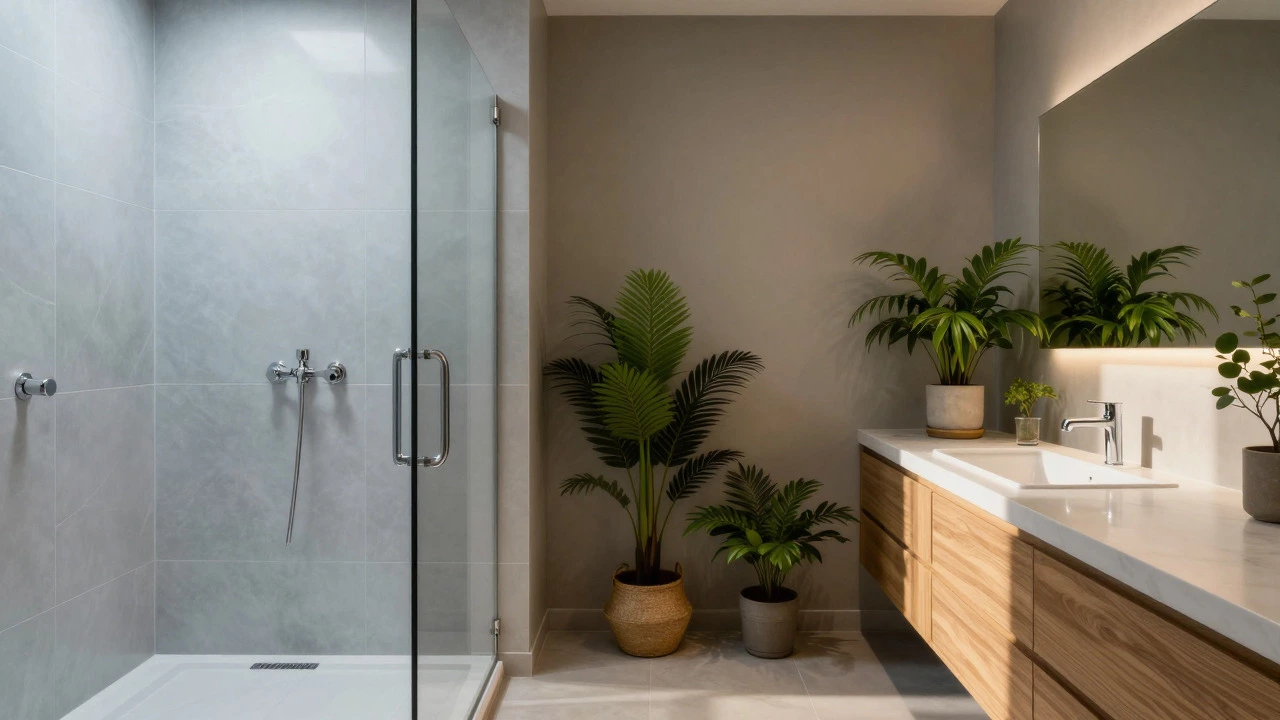
The biggest change isn’t that people hate grey anymore. It’s that they hate *cold* grey. For a long time, the popular look was sterile and hotel-like-think light blue-grey walls with white fixtures. It felt clean, sure, but also impersonal. In 2026, homeowners want spaces that feel cozy and grounded. This shift is part of a broader move toward "biophilic design," which brings natural elements indoors.
Cool greys often clash with natural wood tones, which are huge right now. If you pair a icy blue-grey wall with oak vanity cabinets, the colors fight each other. One feels like winter; the other feels like summer. To fix this, designers are swapping cool greys for warm greys tones with beige, taupe, or green undertones. These shades blend seamlessly with wood, stone, and plants. They create a backdrop that feels inviting rather than clinical. If your current grey leans blue, don’t panic. You can soften it with warmer accessories, but if you’re starting fresh, aim for greige (grey + beige) instead of pure slate.
Why Neutrals Are Evolving
Neutrals aren’t going away, but their definition is expanding. Ten years ago, neutral meant white, cream, or light grey. Today, neutrals include olive green, terracotta, and deep navy. Grey still fits in, but it’s no longer the default "safe" choice. People are tired of safe. They want personality without committing to bold patterns.
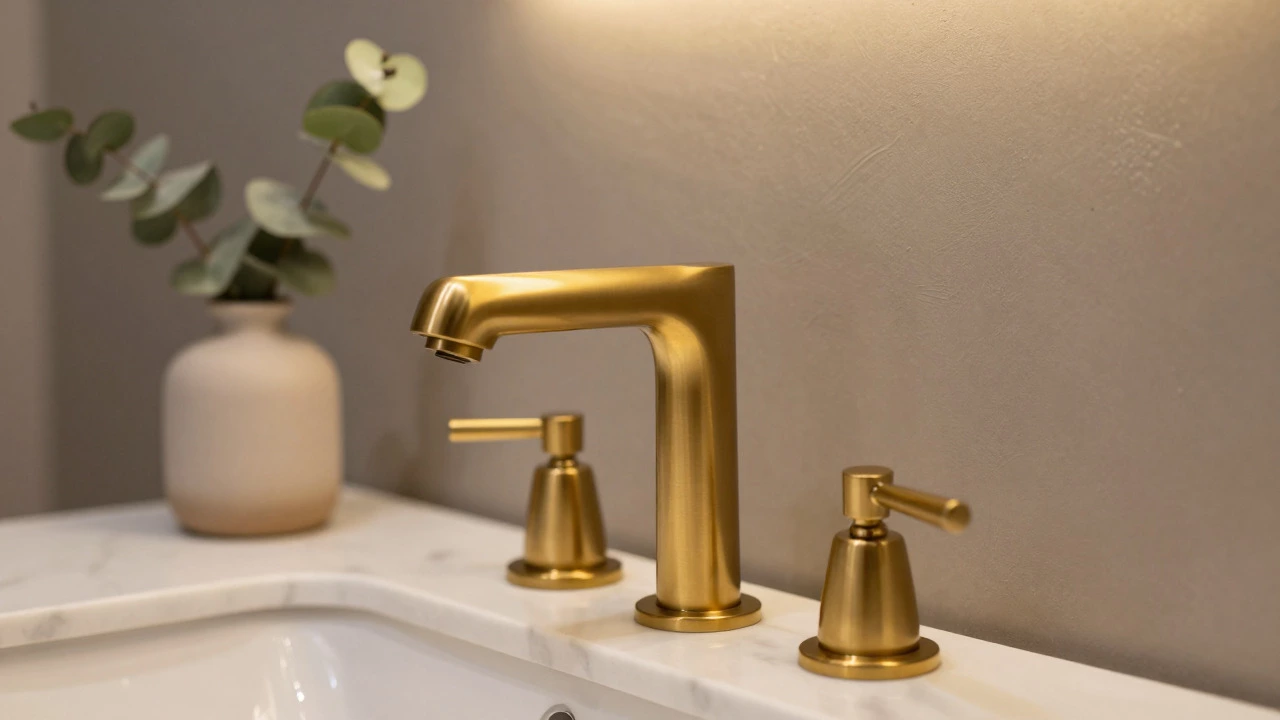
This evolution affects how we accessorize. In the old grey era, you’d add black hardware and chrome mirrors for contrast. Now, the trend favors brass, brushed gold, or matte black mixed with natural materials like rattan or ceramic. A warm grey wall looks incredible against a brass faucet because the yellow undertones in the metal complement the beige undertones in the paint. Cold grey makes brass look muddy. So, if you love metallic accents, your wall color needs to support them, not fight them.
Lighting Changes Everything
You cannot talk about grey bathrooms without talking about light. Grey is tricky because it changes drastically depending on the direction your windows face and the type of bulbs you use. In a north-facing room, cool grey can look gloomy and dark. In a south-facing room, it might look bright and airy. But here’s the kicker: most bathrooms have poor natural light. They rely entirely on artificial lighting.
If you have standard incandescent bulbs (which emit a warm, yellow light), a cool grey wall will turn brownish-green. It’s an ugly surprise many homeowners face. In 2026, smart lighting is common, allowing you to adjust color temperature. If you keep grey walls, ensure your lights are set to a neutral white (around 3500K-4000K). This keeps the grey looking true to color. If you stick with traditional bulbs, test large samples of paint on different walls before committing. Watch them at night when the lights are on. That’s the real test.
Pairing Grey With Current Materials
The style of a bathroom isn’t just about paint. It’s about how the color interacts with tiles, countertops, and vanities. In 2026, the hottest materials are natural stone, especially marble with veining, and large-format porcelain tiles that mimic concrete or stone. Grey works well with these, but again, warmth matters.
| Material | Grey Tone Recommendation | Why It Works |
|---|---|---|
| Natural Wood Vanity | Warm Greige / Taupe | Creates a cohesive, organic feel without clashing undertones. |
| White Marble Countertop | Medium Charcoal | High contrast adds drama and highlights the stone's veining. |
| Concrete-Look Tiles | Soft Dove Grey | Monochromatic look feels modern and spacious. |
| Brass Fixtures | Olive-Grey or Green-Tinted Grey | Complementary colors enhance the metallic shine. |
Avoid pairing cool grey with high-gloss white ceramics unless you want a very stark, industrial look. Most people find that combination too harsh for a relaxing space. Instead, try textured finishes. A matte grey wall paired with a glossy tile floor creates depth. Texture prevents the grey from looking flat and boring.
Alternatives If You’re Tired of Grey
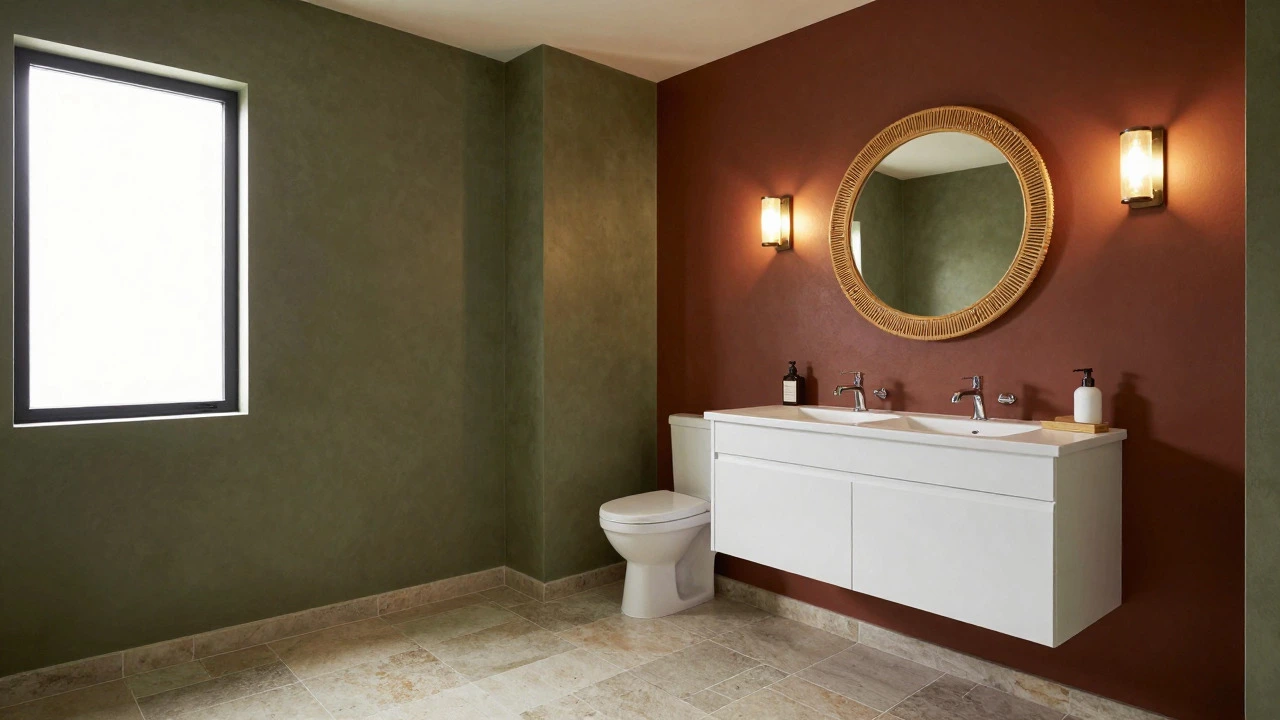
If you’ve decided grey is done for you, what’s next? You don’t have to go full color. There are several sophisticated alternatives that offer the same versatility as grey but with more warmth. Olive green is the top contender. It acts like a neutral but adds richness. Soft blues, particularly dusty navy, are also rising in popularity. They provide calmness similar to grey but feel more intentional.
Another option is sticking to white but adding character through texture. Think limewash paint or Venetian plaster. These finishes create subtle variations in tone that mimic the complexity of grey without the risk of it looking dated. If you want a bold move, consider an accent wall in a deep earthy tone like terracotta or rust. It pairs beautifully with white fixtures and greenery.
How to Update Without Repainting
Maybe you love your grey walls and don’t want to spend money on paint. Can you save the look? Absolutely. The key is updating the surrounding elements. Swap out cold silver accessories for warmer metals. Add wooden shelves or a bamboo mat. Introduce plants-lots of them. Green foliage contrasts nicely with grey and softens its hardness. Change your towels to cream, oatmeal, or soft pink instead of stark white. These small tweaks shift the entire mood of the room from cold to cozy.
Also, check your mirror frames. Thin black frames were trendy with grey bathrooms a few years ago. Switching to a round mirror with a brass or wooden frame instantly modernizes the space. Lighting plays a role here too. Replace harsh overhead lights with sconces that cast a softer glow. The goal is to make the grey feel like a hug, not a cage.
Resale Value Considerations
If you plan to sell your home soon, keep resale value in mind. While personal taste varies, buyers generally prefer neutral palettes. Grey remains a safe bet for resale, provided it’s not too dark or too cool. A medium warm grey appeals to the widest audience. It allows buyers to imagine their own furniture and decor in the space. Avoid extreme shades like jet black or neon accents if you’re targeting mainstream buyers. However, if you’re staying put for the next decade, prioritize your comfort over market trends. Your bathroom should make you happy every morning.
Is grey bathroom paint outdated in 2026?
Not entirely. Cool, blue-toned greys are falling out of favor, but warm greys and greiges remain stylish. The key is balancing the shade with warm materials like wood and brass to avoid a sterile look.
What colors replace grey in bathroom design?
Olive green, soft taupe, and dusty blue are the top replacements. These colors offer the neutrality of grey but with added warmth and depth that align with current biophilic design trends.
Does grey look good with white cabinets?
Yes, if the grey has warm undertones. Cool grey with white cabinets can feel harsh and hospital-like. Adding wood accents or warm lighting helps bridge the gap between the two colors.
Should I paint my bathroom grey if it has no window?
Be cautious. Dark grey can make a windowless bathroom feel cave-like. Opt for lighter warm greys or greiges to reflect artificial light better. Ensure you have strong, warm-toned lighting to prevent shadows.
How do I make a grey bathroom feel less cold?
Introduce warm textures and materials. Use wooden shelves, rattan baskets, and plush towels in cream or beige. Swap chrome fixtures for brass or gold. Adding live plants also brings life and warmth to the space.