
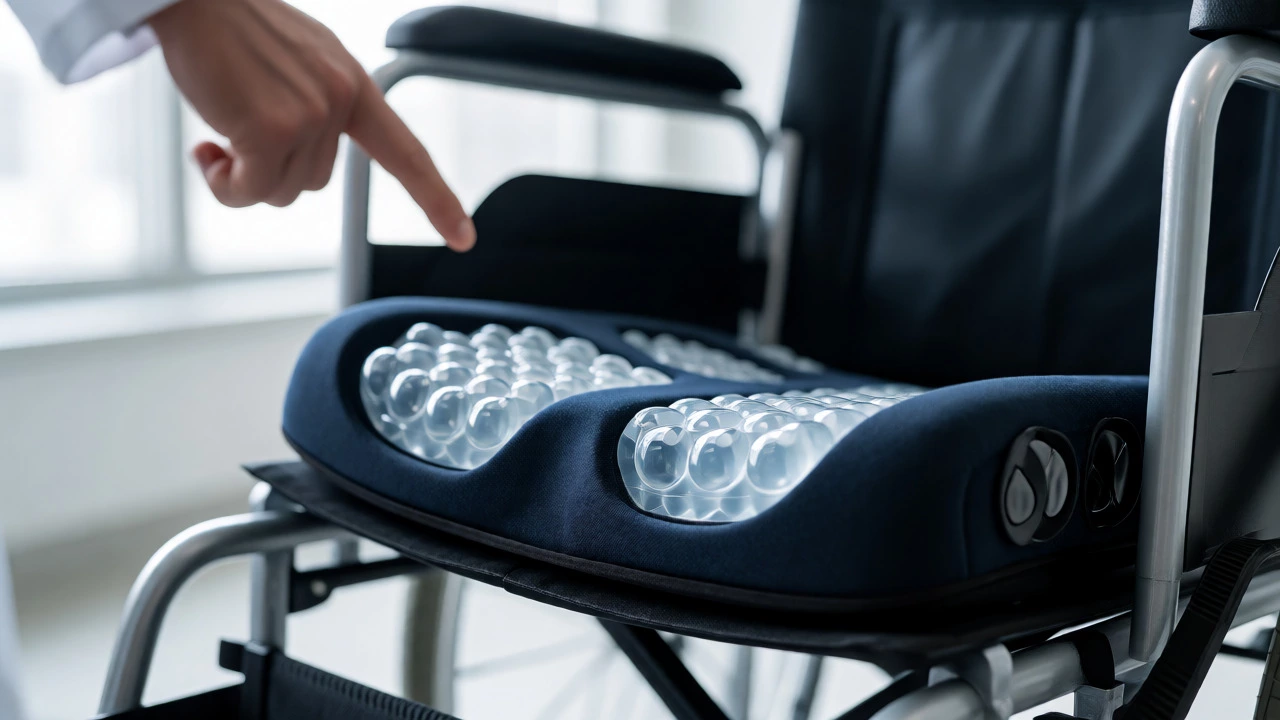
Medicare Seat Cushion Coverage Checker
Answer the questions below to estimate your likelihood of Medicare Part B coverage for a new seat cushion.
Assessment Result
Status*Assumes deductible is already met. If not, you pay the first $226 (2024 est.) out-of-pocket before the 80/20 split applies.
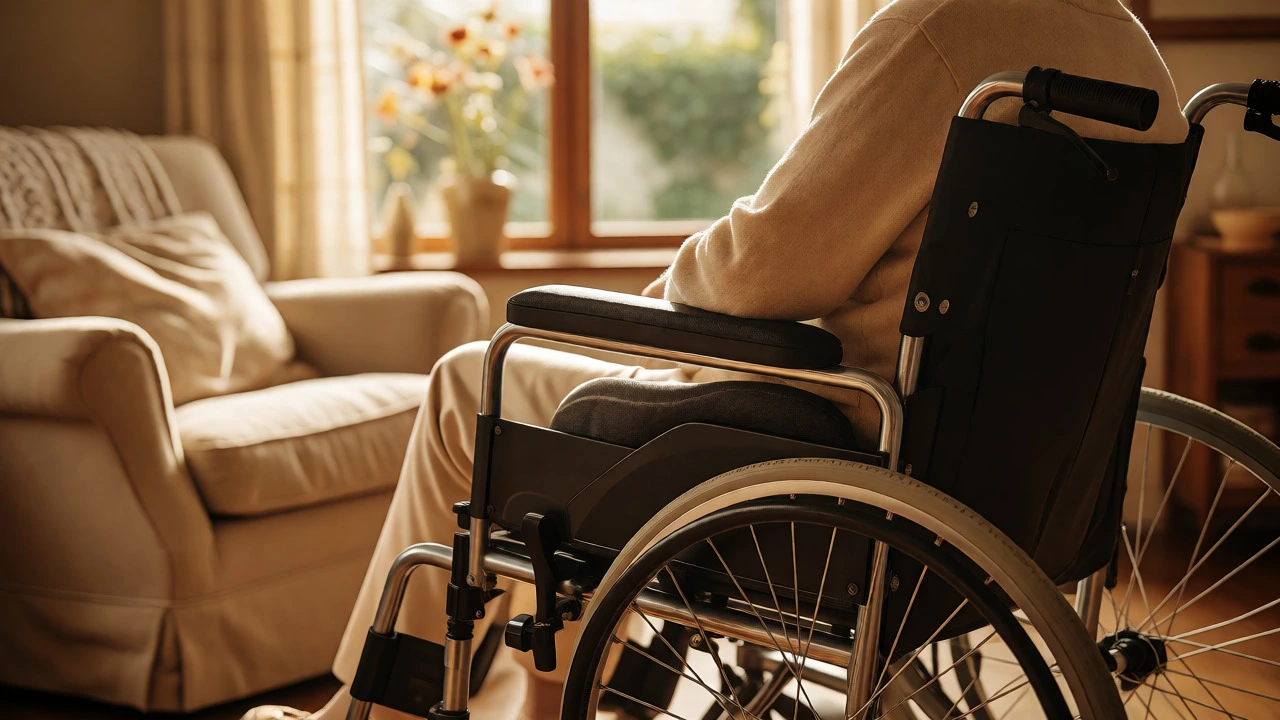
Picture this: you’ve just been prescribed a specialized wheelchair because of a spinal injury or severe arthritis. The chair arrives, but the standard foam pad feels like sitting on a concrete block after an hour. You ask your doctor if Medicare will pay for a better cushion to prevent pressure sores and pain. The answer isn't a simple yes or no-it's a bureaucratic maze involving specific criteria, supplier rules, and documentation that trips up even experienced patients.
If you are in the United States (note: while I write from Bristol, UK, this guide addresses US Medicare as implied by the term), understanding how Medicare handles coverage for seat cushions can save you hundreds of dollars out-of-pocket. It’s not about the cushion itself; it’s about whether your medical condition meets the strict definition of "Durable Medical Equipment" (DME) requirements.
The Core Rule: Medical Necessity is King
Medicare Part B covers Durable Medical Equipment when it is medically necessary. This means a seat cushion isn't covered just because you want comfort. It must be essential to treat or manage a specific medical condition. If you buy a memory foam pillow from Amazon for your office chair, Medicare won’t reimburse you. But if a doctor prescribes a custom-molded gel cushion to prevent skin breakdown due to immobility, you might qualify.
The key distinction lies in the type of seating device. Medicare generally covers seat cushions only when they are integral parts of a wheelchair or other DME that is also covered. You cannot typically claim a standalone cushion for a regular armchair unless it’s part of a specific therapeutic program approved under certain conditions, which is rare for general home use.
Which Cushions Qualify?
Not all cushions are created equal in the eyes of the Centers for Medicare & Medicaid Services (CMS). They categorize cushions based on material and function. Here’s what usually passes scrutiny:
- Standard Foam Cushions: These are often included with the wheelchair purchase. If you need a replacement, coverage depends on whether the original cushion was billed separately.
- Gel or Air-Filled Cushions: These are frequently covered if they are designed to redistribute weight and reduce pressure points. They are considered higher-level DME.
- Custom-Molded Cushions: Made specifically for your body shape using casting techniques. These require extensive documentation proving that off-the-shelf options failed to meet your needs.
- Tilt-in-Space Mechanisms: Sometimes, the cushion is part of a complex seating system rather than a standalone item.
Conversely, decorative cushions, basic lumbar supports for healthy backs, and heated pads without a prescription for circulation issues usually fall outside coverage.
| Cushion Type | Typical Coverage Status | Key Requirement |
|---|---|---|
| Basic Foam Pad | Often Included | Part of initial wheelchair supply |
| Gel/Air Cushion | Likely Covered | Prescription + Proof of Pressure Sore Risk |
| Custom Molded | Case-by-Case | Failure of standard cushions documented |
| Office Lumbar Support | Not Covered | Considered general comfort item |

The Documentation Hurdle
Even if your cushion qualifies, the paperwork is where most claims die. Your physician must provide a Letter of Medical Necessity (LMN). This isn't a quick scribble on a prescription pad. It needs to explicitly state:
- Your diagnosis (e.g., quadriplegia, severe osteoarthritis).
- Why a standard wheelchair cushion is insufficient.
- How the specific cushion prevents complications like decubitus ulcers (bedsores).
- Duration of expected use.
Without this detailed LMN, Medicare will likely deny the claim as "not reasonable and necessary." Suppliers who know their stuff will help you draft this, but don't assume they’ll do it for free. Always ask upfront.
Costs and Out-of-Pocket Expenses
Let’s talk money. Even if Medicare approves your cushion, you’re not getting it for free. Medicare Part B typically pays 80% of the approved amount after you meet your deductible. You are responsible for the remaining 20% coinsurance.
For example, if an approved gel cushion costs $300:
- You pay your annual Part B deductible first (if not already met).
- Medicare pays 80% of the remaining approved amount.
- You pay the remaining 20%.
Prices vary wildly. A basic air cell cushion might cost $150, while a high-end custom molded one could hit $800. Check with suppliers who accept assignment, meaning they agree to accept Medicare’s approved rate as full payment. Non-assigned providers might charge more, leaving you with a larger bill.
Alternatives When Medicare Says No
What if your application gets rejected? Don’t panic. There are other ways to get financial help:
Medicaid: If you have low income, Medicaid may cover items Medicare doesn’t, including some seating aids. Rules vary significantly by state, so check your local guidelines.
Veterans Affairs (VA): Veterans often receive superior seating systems through VA benefits, sometimes bypassing the strict Medicare criteria.
Private Insurance: Some supplemental insurance plans (Medigap) cover the 20% coinsurance. Others might have different DME limits. Review your policy documents carefully.
HSA/FSA Accounts: If you have a Health Savings Account, you can use pre-tax dollars to buy qualifying medical supplies, including prescribed cushions, even if insurance denies them.
Pro Tips for Approval Success
Having navigated these waters with friends and family, here are the tactics that actually work:
- Start Early: Get the prescription before ordering the cushion. Retroactive approval is nearly impossible.
- Use a Participating Supplier: Ensure the company selling the cushion is enrolled in Medicare. If they aren’t, Medicare won’t pay them directly.
- Demand Specificity: Ask your doctor to mention specific measurements or features (e.g., "requires lateral support due to scoliosis") rather than generic terms.
- Keep Receipts: If you pay upfront, submit claims manually if the supplier doesn’t handle billing. Include the LMN and proof of payment.
Remember, Medicare policies update annually. What worked in 2024 might have stricter rules in 2026. Always verify current Local Coverage Determinations (LCDs) for your region, as coverage can differ slightly between states.
Does Medicare cover seat cushions for cars?
Generally, no. Medicare covers DME used in the home. Car seats are typically considered vehicle modifications or personal items, unless part of a specific rehabilitation program under rare circumstances. Most auto safety seats are paid out-of-pocket or via auto insurance.
Can I buy a cushion from any store and get reimbursed?
No. To get Medicare reimbursement, you must purchase from a supplier that accepts Medicare assignment and is enrolled in the program. Buying from a retail store like Walmart or Target usually results in no coverage unless you submit a manual claim and the supplier provides proper invoices, which is risky.
How often does Medicare replace a seat cushion?
There is no fixed schedule. Replacement requires new documentation showing the old cushion has deteriorated or your medical condition has changed. Typically, cushions last 1-3 years depending on usage and quality. You must prove the need for a replacement each time.
Is a wheelchair required for cushion coverage?
Yes, in most cases. The cushion must be attached to or part of a covered DME device, such as a manual or power wheelchair. Standalone cushions for chairs, sofas, or beds are rarely covered under standard Part B DME rules.
What if my doctor refuses to write the letter?
Try explaining the specific risks (like skin breakdown) rather than just asking for "comfort." If they still refuse, consider seeing a physiatrist (rehabilitation specialist) or a physical therapist who can document functional limitations more effectively. A second opinion is valid if mobility is severely impacted.