
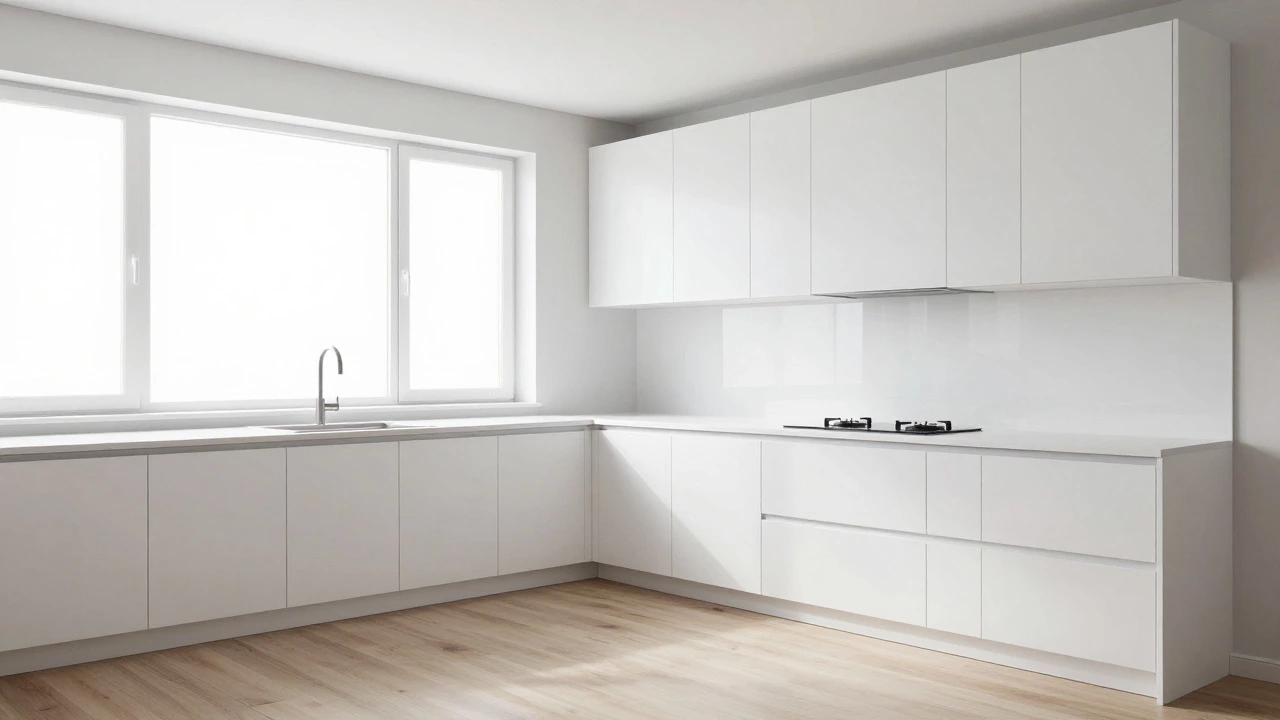
White Cabinet Longevity Checker
Answer three quick questions to find out if white cabinetry is a timeless investment or a potential source of stress for your specific home environment.
1. What material will you use?
Durability varies significantly between finishes.
2. How consistent is your cleaning routine?
White surfaces show neglect instantly. Be honest!
3. What is your household situation?
Kids and pets increase the frequency of smudges and stains.
Select options above to see your result.
Walk into any home renovation show or browse through recent interior design portfolios, and you will likely see one dominant color: white. It is clean, bright, and makes small spaces feel larger. But as we move deeper into 2026, a question lingers in the minds of homeowners and designers alike: are white cabinets just another passing trend, or are they here to stay? The answer is not as simple as yes or no. It depends on how you use them, where you put them, and how much effort you are willing to put into keeping them looking fresh.
To understand the longevity of white cabinetry, we first need to look at why it became so popular in the first place. White has been a staple in kitchen and bathroom design for decades, but its resurgence in the last ten years was driven by the rise of minimalism and Scandinavian aesthetics. Homeowners wanted spaces that felt airy and uncluttered. White cabinets provided that canvas. They reflect light, which is crucial in kitchens with limited natural sunlight. This functional benefit is what separates a practical choice from a mere aesthetic whim.
The Psychology of White in Living Spaces
Color psychology plays a significant role in how we perceive our homes. White is often associated with purity, simplicity, and order. In a busy household, a white kitchen can act as a visual reset button. After a long day, seeing a clean, white workspace can be psychologically soothing. However, this effect is temporary if the surfaces are dirty. A smudged white cabinet door creates a stark contrast that draws the eye immediately to the imperfection. This is the double-edged sword of choosing white: it highlights cleanliness when maintained but exposes neglect instantly.
Compared to darker tones like navy, forest green, or charcoal, white requires more frequent attention. Darker colors hide fingerprints, water spots, and minor scratches better. If you have young children or pets, this is a critical factor. A family with toddlers might find that white cabinets become a source of daily stress rather than peace. On the other hand, for adults who value a serene environment and have the time to wipe down surfaces regularly, white remains a powerful tool for creating a calm atmosphere.
Durability vs. Aesthetics: The Material Factor
When people ask if white is a fad, they are often really asking about the durability of the finish. The material of your cabinets matters just as much as the color. Traditional painted wood cabinets, especially those with a high-gloss lacquer, are prone to chipping and yellowing over time. If you choose a low-quality paint job, your white cabinets may start to look dingy within three to five years. This aging process can make the space feel dated quickly, reinforcing the idea that white is a short-lived trend.
However, modern materials have changed the game. Thermofoil cabinets offer a seamless, plastic-like surface that resists moisture and stains well, though they can bubble if exposed to high heat. Laminate cabinets are durable and easy to clean, making them a budget-friendly option that holds up well against daily wear. For those seeking longevity, quartz or solid surface countertops paired with matte-finish white cabinets create a cohesive, low-maintenance look. The key takeaway here is that white is only a "fad" if you pair it with fragile materials. When combined with robust substrates, white becomes a timeless neutral.
| Material Type | Durability Rating | Cleaning Difficulty | Lifespan Estimate | Best For |
|---|---|---|---|---|
| Painted Wood | Moderate | High (requires gentle cleaners) | 10-15 years | Traditional homes, high-end finishes |
| Thermofoil | Low-Moderate | Medium | 8-12 years | Budget renovations, modern looks |
| Laminate | High | Low | 15-20 years | High-traffic areas, families |
| Quartz/Veneer | Very High | Low | 20+ years | Luxury builds, long-term investment |
Lighting and Color Temperature Considerations
One of the biggest mistakes homeowners make when installing white cabinets is ignoring their lighting. White is not a single color; it has undertones. Cool whites lean toward blue or gray, while warm whites lean toward yellow or beige. If your kitchen has cool LED lighting but you install warm white cabinets, the result can look sickly or off-balance. Conversely, warm incandescent lighting on cool white cabinets can make the space feel sterile and clinical.
In 2026, smart lighting systems allow you to adjust color temperature throughout the day. This flexibility mitigates the risk of mismatched undertones. However, if you are working with fixed lighting, test paint samples on large pieces of cardboard and hold them up in the room at different times of day. Morning light, evening artificial light, and midday sun all reveal different aspects of white. Getting this right ensures that your cabinets do not look "wrong" after the initial excitement wears off. Proper lighting transforms white from a potentially harsh choice into a soft, inviting backdrop.
Maintenance Realities: Keeping White Bright
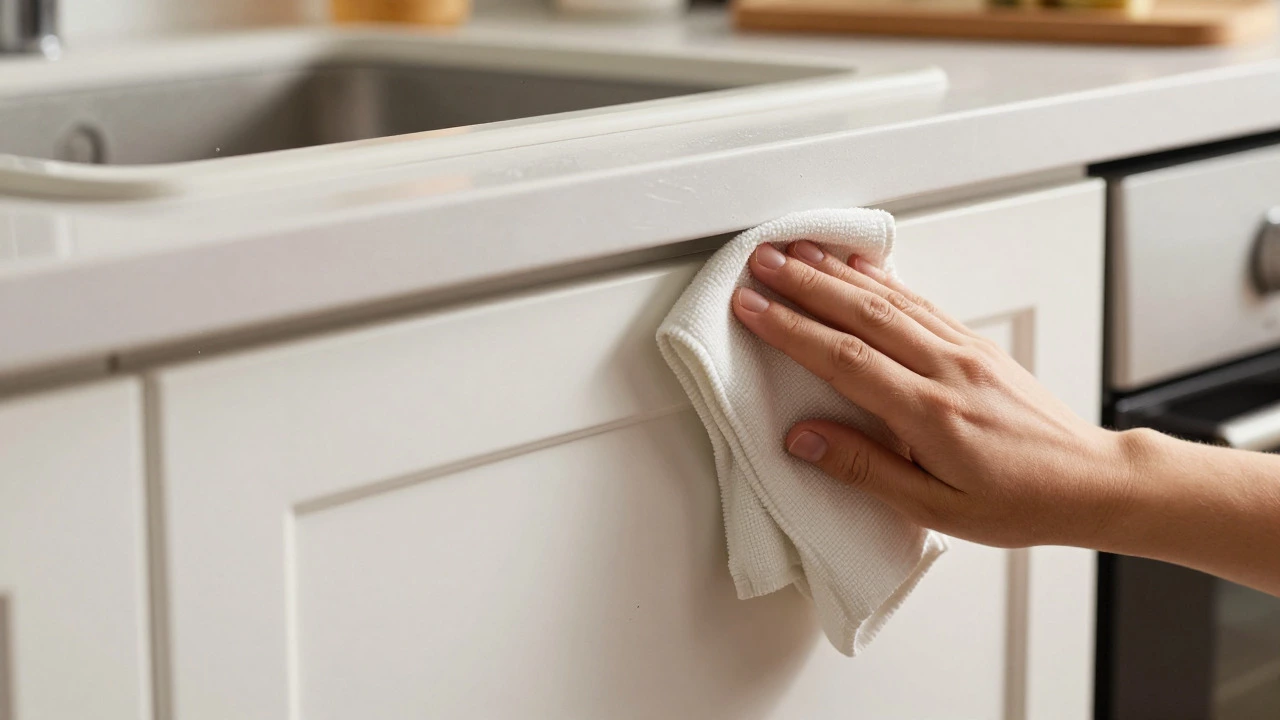
If you decide that white cabinets are not a fad for your lifestyle, you must commit to a maintenance routine. Unlike dark wood or stone, white surfaces show every speck of dust, grease splatter, and fingerprint. You will need to wipe down your cabinets weekly, not monthly. Use a microfiber cloth and a mild detergent solution. Avoid abrasive scrubbers, which can scratch the finish and leave permanent marks that are visible against the white background.
For kitchens, grease is the primary enemy. Install range hoods that actually work, and consider using splash guards behind your stove. Water spots from dishwashing sinks can also mar white finishes. Wiping down sink fronts after washing dishes is a small habit that prevents long-term damage. These tasks take less than ten minutes a week but make a significant difference in preserving the appearance of your investment. If you hate cleaning, white cabinets might indeed feel like a burden rather than a blessing.
Is White Still Relevant in 2026?
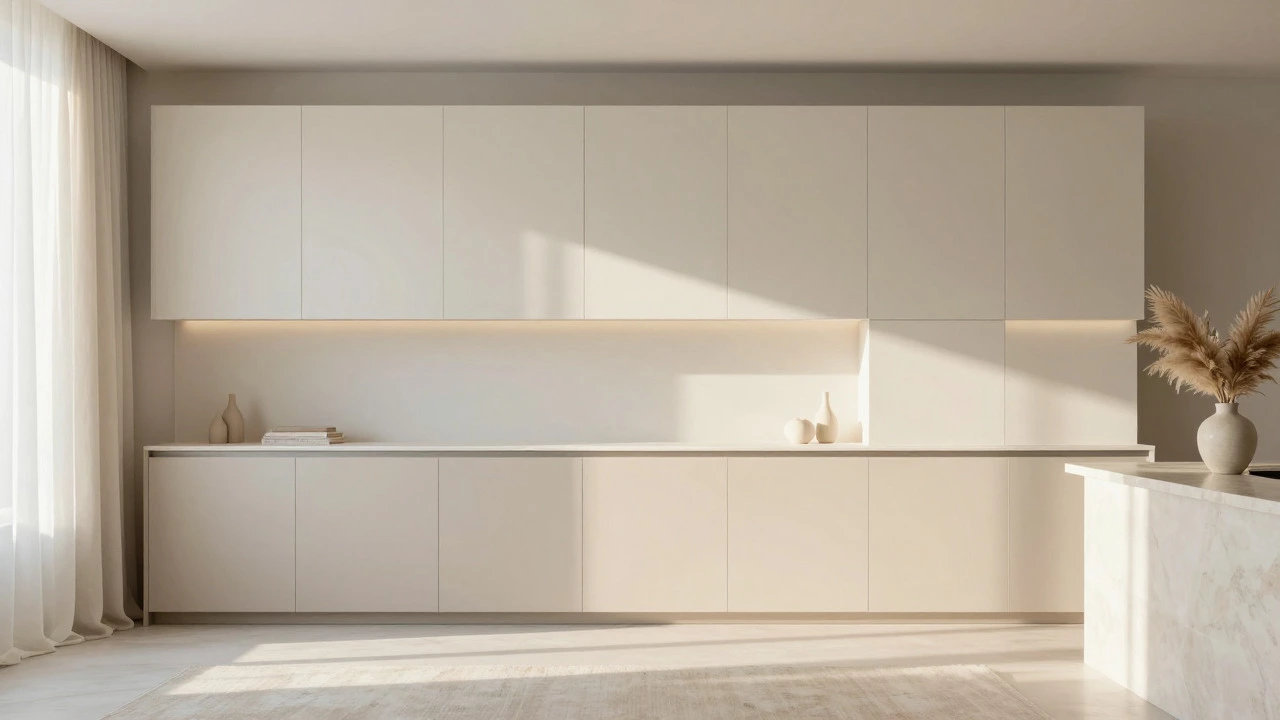
Design trends cycle, but neutrals rarely disappear entirely. While bold colors like emerald green and terracotta have had their moments, white remains the baseline. In 2026, we are seeing a shift toward "warm minimalism." Pure, stark white is giving way to off-whites, creams, and alabaster tones. These shades retain the brightness of white but add a layer of warmth that feels more organic and less institutional. This evolution suggests that white is not fading away; it is maturing.
Furthermore, the resale value argument supports staying with white. Neutral colors appeal to the broadest range of buyers. If you plan to sell your home in the next five to ten years, white cabinets are a safe bet. They allow potential buyers to visualize their own style without the distraction of strong colors. This financial aspect adds weight to the decision. White is not just an aesthetic choice; it is a strategic one for property value.
Alternatives to Consider
If you love the brightness of white but fear the maintenance, consider two-tone designs. Pair white upper cabinets with colored lower cabinets. This keeps the visual lightness while adding personality and hiding dirt on the lower units where hands touch frequently. Another option is white open shelving. Open shelves in white can brighten a room without the commitment of full cabinetry. They are easier to dust and rearrange, offering flexibility if you change your mind later.
Ultimately, the question of whether white cabinets are a fad comes down to personal preference and lifestyle. They are not a fleeting trend that will vanish overnight. They are a foundational element of interior design that continues to evolve. By choosing the right materials, balancing your lighting, and committing to basic upkeep, you can enjoy the benefits of white for decades. It is not about chasing a trend; it is about creating a space that works for you today and remains relevant tomorrow.
Do white cabinets make a small kitchen look bigger?
Yes, white cabinets reflect light, which reduces shadows and creates an illusion of space. This makes them ideal for small kitchens where maximizing perceived square footage is a priority. The reflective quality helps bounce natural and artificial light around the room, enhancing the sense of openness.
What is the best color to pair with white cabinets?
Neutral tones like gray, beige, and black work well with white cabinets. For a pop of interest, consider muted pastels or earthy greens. The goal is to maintain balance; too many bright colors can clash with the crispness of white. Stick to one accent color to keep the design cohesive.
How often should I repaint white cabinets?
With proper care, white cabinets can last 10 to 15 years before needing repainting. Factors like humidity, heat exposure, and usage frequency affect this timeline. Regular touch-ups on chips and scuffs can extend the life of the paint significantly. Inspect your cabinets annually for signs of wear.
Are white cabinets hard to clean?
They require more frequent cleaning than dark cabinets because dirt and grease are more visible. However, the actual cleaning process is straightforward. A damp cloth and mild soap are usually sufficient. The challenge is consistency, not difficulty. Weekly wiping prevents buildup that could stain the surface.
Will white cabinets go out of style soon?
Unlikely. White is a neutral foundation that adapts to changing trends. While specific shades may shift from pure white to cream or alabaster, the concept of light-colored cabinetry remains timeless. Designers continue to recommend white for its versatility and ability to refresh a space without major structural changes.