
NHS Adjustable Bed Eligibility Checker
Check Your Eligibility
1. What medical condition are you dealing with?
2. What symptoms do you experience related to your condition?
3. What treatments have you tried?
4. How long have you had these symptoms?
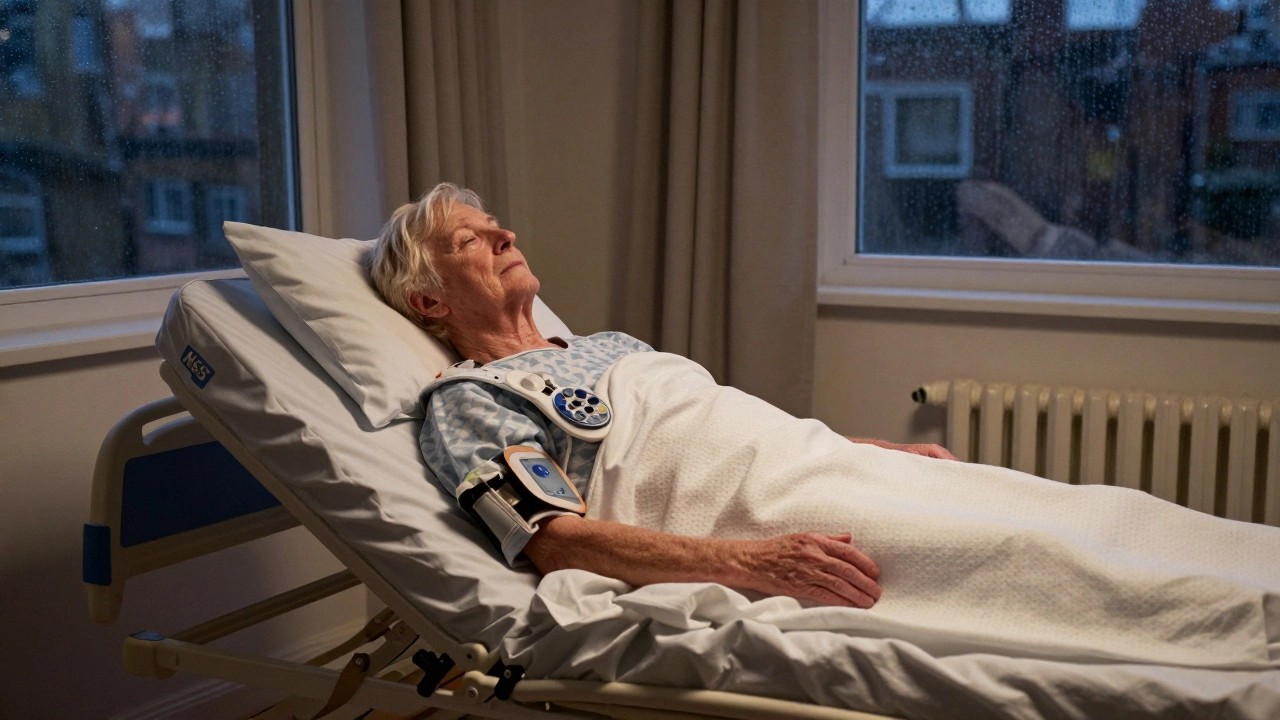
Many people in the UK wonder if they can get an adjustable bed through the NHS or a doctor’s prescription. The short answer is: yes, but only under specific medical conditions. An adjustable bed isn’t just a luxury item-it’s a medical device when used to manage chronic health issues. If you struggle with breathing, back pain, arthritis, or mobility problems, an adjustable bed might be covered under your healthcare needs.
When Is an Adjustable Bed Considered Medical Equipment?
The NHS and private healthcare providers classify adjustable beds as Durable Medical Equipment (DME) when they’re prescribed to treat or manage a diagnosed condition. This isn’t about comfort-it’s about function. For example, elevating your head can help with sleep apnea, reflux, or COPD. Raising your legs reduces swelling from venous insufficiency. Tilting your torso eases pressure on the spine for people with scoliosis or spinal stenosis.
A 2023 study by the British Thoracic Society found that patients with moderate to severe obstructive sleep apnea who used an adjustable bed with a 30-degree head elevation saw a 40% reduction in nighttime breathing disruptions compared to flat beds. That’s not a small improvement-it’s clinically significant.
Doctors don’t prescribe adjustable beds for general tiredness or poor sleep. They prescribe them when your condition worsens without proper positioning. If you’ve tried pillows, foam wedges, or over-the-counter bed risers and still wake up in pain or gasping for air, that’s when a medical-grade adjustable bed becomes relevant.
How to Get a Prescription for an Adjustable Bed
Getting a prescription starts with your GP. You can’t just walk into a showroom and ask for one-you need documentation. Here’s how it works:
- Book an appointment with your GP and explain your symptoms: difficulty sleeping, chronic pain, swelling, or breathing issues at night.
- Be ready to describe how long you’ve had these problems and what you’ve already tried (pillows, painkillers, CPAP machines, etc.).
- Your doctor may refer you to a specialist: a respiratory consultant, physiotherapist, or occupational therapist.
- If they agree the bed is medically necessary, they’ll issue a prescription or referral for an NHS-funded bed.
- The referral goes to your local NHS community equipment service or a contracted medical supplier.
Don’t expect to choose the brand or model. The NHS typically provides basic, functional adjustable beds-often from suppliers like Hill-Rom or Invacare. These beds have manual or electric height adjustment, head and foot elevation, and sometimes pressure-relief mattresses. You won’t get smart features like Bluetooth controls or massage functions unless you pay extra.
What If the NHS Won’t Provide One?
Not everyone qualifies. The NHS has strict criteria. If your condition is mild, or if they believe other treatments (like weight loss, medication, or physiotherapy) could help more, they may decline. That doesn’t mean you’re out of options.
Many people turn to charities like Age UK or local disability support groups. Some offer grants or loan schemes for medical equipment. Others work with suppliers who offer payment plans or discounted rates for those on low income.
If you’re privately insured, check your policy. Some private health plans cover adjustable beds if prescribed by a consultant. You’ll need a formal letter of medical necessity and a quote from an approved supplier.
One patient in Bristol, 68-year-old Margaret T., had severe osteoarthritis in her hips and lower back. After three months of waiting for an NHS bed, she applied for a grant through Arthritis Care. She received £500 toward a mid-range adjustable bed. “It didn’t fix everything,” she said, “but I sleep through the night now. That’s worth more than money.”
What’s the Difference Between a Medical Bed and a Regular Adjustable Bed?
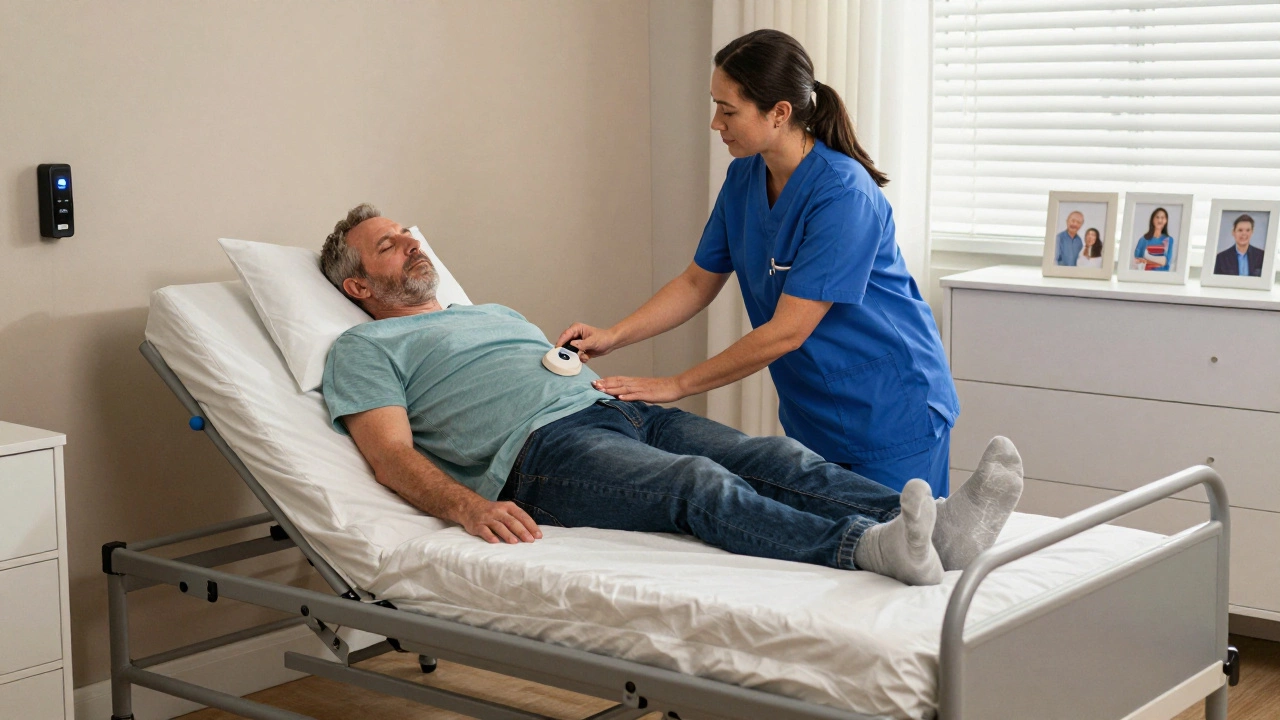
Not all adjustable beds are the same. Here’s what sets medical-grade beds apart:
| Feature | Medical-Grade Bed | Regular Retail Bed |
|---|---|---|
| Frame Strength | Heavy-duty steel, supports up to 400 lbs | Standard steel, often 250-300 lbs limit |
| Adjustment Range | Full head-to-toe control, zero-gravity preset | Basic head/foot tilt, limited angles |
| Mattress Compatibility | Requires pressure-relief or medical foam mattress | Works with most standard mattresses |
| Emergency Features | Manual override, battery backup, call button | No backup systems |
| Warranty | 5-10 years, includes motor and frame | 1-3 years, often excludes motors |
| Cost (New) | £1,200-£2,500 (NHS covers full cost if approved) | £500-£1,800 (out-of-pocket) |
Buying a retail bed might seem cheaper, but if you have a medical need, you risk buying something that doesn’t meet your body’s demands. A bed that can’t support your weight or adjust enough to relieve pressure can make pain worse. Medical beds are built for daily, long-term use-not occasional lounging.
What Conditions Qualify for an NHS Adjustable Bed?
The NHS doesn’t publish a public list, but based on clinical guidelines and local authority policies, here are the most common qualifying conditions:
- Severe arthritis or joint degeneration in hips, knees, or spine
- Chronic obstructive pulmonary disease (COPD) or sleep apnea
- Heart failure with fluid retention (edema)
- Neuromuscular conditions like MS, Parkinson’s, or spinal cord injury
- Post-surgical recovery (e.g., hip or spinal fusion)
- Pressure ulcer prevention or healing (Stage 3 or 4)
- Severe gastroesophageal reflux disease (GERD) unresponsive to medication
It’s not about having one of these conditions-it’s about how much they interfere with your sleep and daily function. If you need help turning over, can’t get out of bed without assistance, or wake up in pain every morning, that’s your evidence.

What Happens After You Get the Bed?
Once the NHS arranges delivery, a trained technician will install it in your home. They’ll show you how to use the controls, check the mattress fit, and ensure the bed is safe for your space. You won’t be left alone with instructions.
After three months, your GP or community nurse may review your progress. If your condition improves and you no longer need the bed, they may arrange for it to be collected. If your needs haven’t changed, you can keep it indefinitely. There’s no time limit on medical equipment use if it’s still necessary.
Common Mistakes People Make
Many people think: “I’ll just buy one myself.” But here’s what often goes wrong:
- Buying a bed that’s too soft-medical beds need firm, supportive mattresses to prevent sinking.
- Choosing a bed without emergency backup-power outages can leave you stuck.
- Not checking if the bed fits through doorways or staircases-medical beds are bulkier than they look.
- Assuming insurance covers it without a prescription-most private insurers require one.
- Waiting too long to ask-delaying means more pain, more sleepless nights, and higher risk of falls or complications.
One woman in Bristol waited two years after her hip replacement before asking for a bed. By then, she’d developed chronic back pain from sleeping in awkward positions. “I thought I could tough it out,” she said. “I didn’t know help was available.”
Next Steps: What to Do Right Now
If you think an adjustable bed could help you:
- Write down your symptoms: When do they happen? How bad are they? What helps or makes them worse?
- Track your sleep: Use a simple notebook or phone app to note how many hours you sleep and how rested you feel.
- Book a GP appointment. Bring your notes. Ask: “Could an adjustable bed help my condition?”
- If they say no, ask for a referral to a physiotherapist or occupational therapist.
- Check local charities or social services for financial help if you’re turned down.
You don’t need to suffer through sleepless nights because you didn’t ask. Adjustable beds save lives-not just comfort. If your body needs support, you deserve it.
Can I get an adjustable bed for free from the NHS?
Yes, if you have a qualifying medical condition like severe arthritis, COPD, or pressure ulcers. The NHS provides basic adjustable beds at no cost after a doctor’s referral. You won’t get luxury features, but the bed will meet your medical needs.
Do I need a doctor’s note to buy an adjustable bed?
No, you can buy one without a prescription. But if you want the NHS or private insurance to pay for it, you’ll need a formal prescription or letter of medical necessity from your GP or specialist.
What’s the difference between a hospital bed and an adjustable bed?
Hospital beds are designed for clinical use: they have side rails, call buttons, and are often taller. Adjustable beds for home use are quieter, more compact, and look like regular beds. Both offer elevation, but hospital beds are built for safety in care settings, while home adjustable beds focus on comfort and daily use.
Can I get an adjustable bed if I’m under 65?
Age doesn’t matter. The NHS bases decisions on medical need, not age. People in their 30s with spinal injuries or chronic pain conditions regularly receive adjustable beds. If your condition requires it, you qualify.
How long does it take to get an NHS adjustable bed?
Wait times vary by region, but most people receive their bed within 4 to 8 weeks after approval. Delays can happen if you need a specialist assessment first. If you’re in pain and waiting longer than 12 weeks, contact your GP or local community equipment service for an update.