
Rug Investment Advisor
Not sure if that £1,200 rug is better than the £50 one? Answer these four questions to get an instant recommendation for your specific needs.
Make your selections
to see the analysis.
There’s a moment when you’re standing in a showroom, running your hand over two rugs that look nearly identical. One costs £50. The other is £1,200. Which one do you buy? Most people assume the expensive one is just better marketing, or perhaps a bit softer. But the truth is more complex-and far more interesting. The difference isn’t just about comfort; it’s about engineering, material science, and how long you want that floor covering to last.
If you’ve ever bought a budget rug only to find it shedding like a dog in summer or developing bald spots after six months, you know the frustration. On the flip side, high-end rugs can feel like an intimidating financial commitment. So, what are you actually paying for when the price jumps from pocket change to four figures? Let’s break down the anatomy of a rug to see where the money goes and whether it’s worth it for your specific space.
The Material Divide: Natural vs Synthetic
The single biggest factor driving price is fiber type. This is the foundation of everything else. Wool is a natural protein fiber derived from sheep, known for its durability, insulation properties, and ability to resist dirt. It’s the gold standard for high-quality rugs because it’s resilient-it springs back into shape after being walked on or compressed by furniture legs. Wool also has a natural crimp, which traps air and keeps feet warm in winter while staying cool in summer.
In contrast, most cheap rugs are made from synthetic materials like Nylon or Polyester. Nylon is incredibly strong and stain-resistant, making it popular for high-traffic areas in homes with kids or pets. However, it lacks the natural warmth of wool and can feel slightly plastic-like underfoot. Polyester is even cheaper and holds color well, but it tends to flatten out faster and doesn’t insulate as effectively. If you’re buying a rug for a bedroom where you want that plush, cozy feel, wool or a wool blend is hard to beat. For a hallway or entryway where mud and spills are daily battles, a good quality nylon might be the smarter, more practical choice despite the lower price tag.
Construction Methods: How It’s Made Matters
Material is only half the story. How the rug is put together determines its longevity. There are two main methods: machine-made and hand-knotted (or hand-tufted).
Hand-knotted rugs are rugs created by tying individual knots around a warp thread using a loom, a process that can take months or years to complete. This method allows for intricate designs and superior density. When you lift a hand-knotted rug, you’ll notice the pile stands up straight and feels dense. These rugs can last generations if cared for properly. They are labor-intensive, which explains the high cost. A small 3x5 foot hand-knotted Persian rug can easily cost several thousand pounds because it represents hundreds of hours of skilled craftsmanship.
On the other end, Machine-made rugs are produced by automated looms that weave fibers at high speed, resulting in consistent patterns and lower production costs. This doesn’t mean they’re bad-many modern machine-made rugs are quite durable. However, the tension in the weave is often less precise than human hands can achieve. Over time, this can lead to fraying at the edges or the pile shifting. If you’re looking at a mid-range rug, check the backing. A latex backing is common in cheaper options and can peel off over time, especially in humid environments. A woven jute or cotton backing is more stable and breathable, indicating a higher build quality.
Density and Pile Height: The Feel Factor
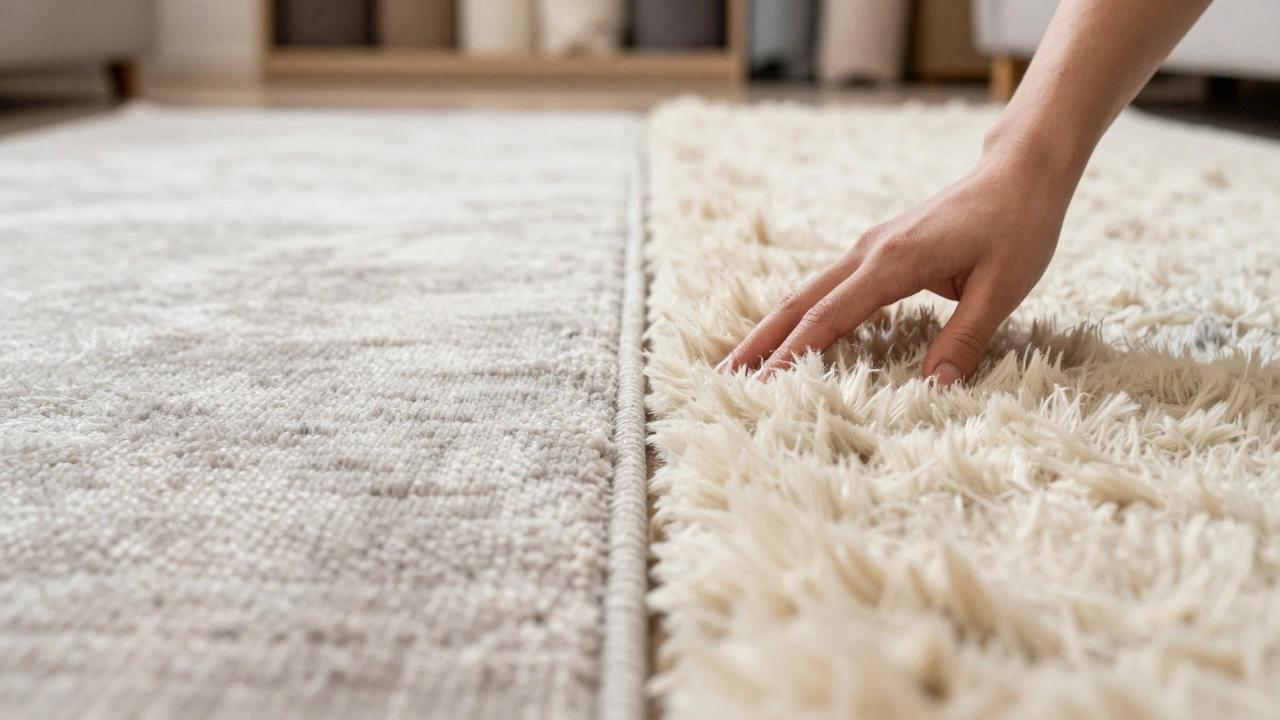
You can test a rug’s quality right in the store by doing the "fold test." Fold the rug in half. If the crease disappears quickly and the pile springs back, you have a resilient fiber. If the crease stays visible for minutes, the fibers are likely weak or synthetic. Another key metric is density, measured in knots per square inch (KPSI) for knotted rugs or weight per square meter for machine-made ones.
- Low Density (Budget): Under 60 KPSI. These rugs tend to show wear faster. The gaps between knots allow dirt to settle deeper into the backing, making cleaning harder.
- Medium Density (Mid-Range): 80-120 KPSI. A sweet spot for many households. Good balance of cost and durability.
- High Density (Luxury): 150+ KPSI. These rugs feel substantial and heavy. They don’t slip around as easily and hide imperfections in the floor beneath them better.
Pile height also plays a role. High-pile shaggy rugs look luxurious but trap dust and pet hair aggressively. Low-pile or flat-weave rugs are easier to vacuum and better suited for formal dining rooms where you need stability under chairs. Don’t let the thickness fool you-a thin, tightly woven silk rug can be more valuable and durable than a thick, loosely tufted synthetic one.
Dyeing Techniques and Colorfastness
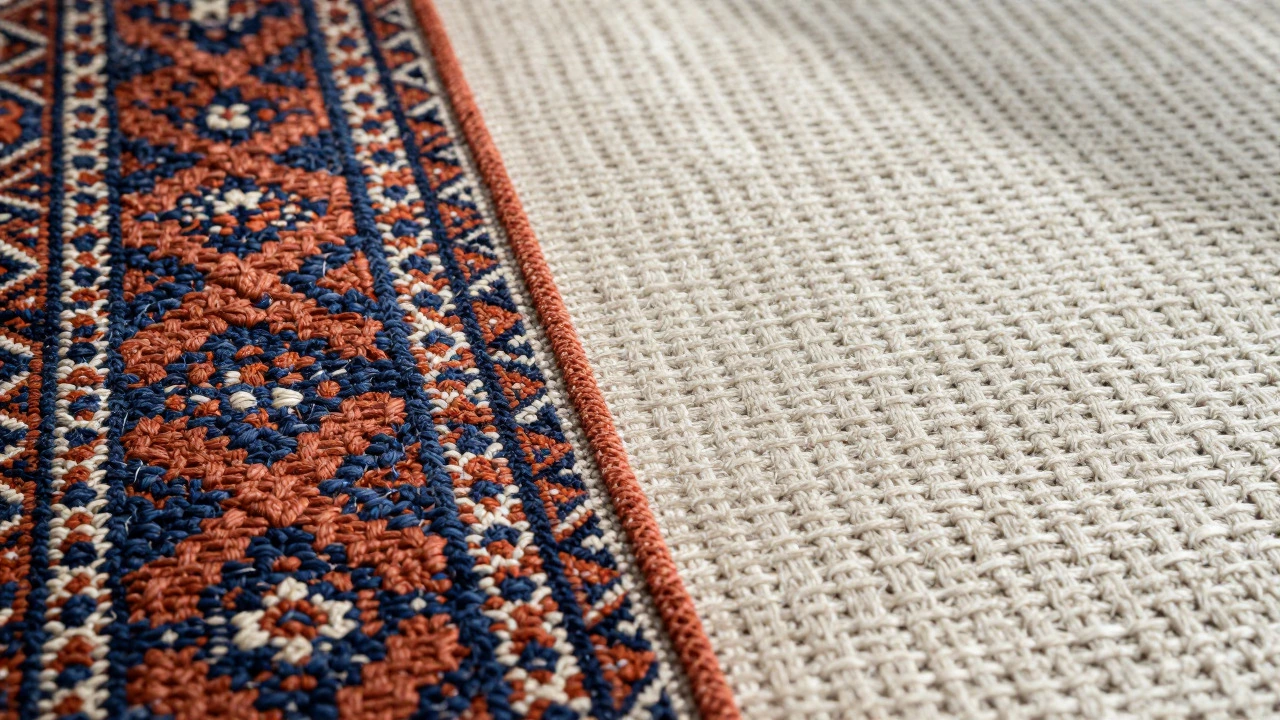
Have you ever noticed how some cheap rugs fade unevenly after a year in the sun? That’s due to the dyeing process. High-quality rugs use acid dyes or natural dyes that bond chemically with the fiber structure. These colors penetrate deep into the wool or silk, ensuring that even if the surface wears down, the color remains vibrant.
Cheap rugs often use reactive dyes or vat dyes applied only to the surface. While these can produce bright, bold colors initially, they are susceptible to UV light and frequent washing. If you’re placing a rug in a room with large windows, invest in one with UV-resistant dyes or plan to rotate it seasonally. Also, check for "colorfastness" ratings if available. A reputable seller should be able to tell you if the dyes are light-fast. This is a subtle detail that separates a rug that looks new for five years from one that looks washed-out after one summer.
When Is It Worth Spending More?
Not every room needs a luxury rug. Here’s a quick guide to help you decide where to splurge and where to save:
| Room Type | Recommended Quality | Reasoning | Budget Tip |
|---|---|---|---|
| Living Room | High (Wool/Silk) | High traffic, central focus, long-term use | Buy once, cry once. Look for wool blends. |
| Bedroom | Medium-High | Softness matters, low traffic | Wool or high-quality viscose for comfort. |
| Kitchen | Medium (Synthetic) | Spills, moisture, easy cleaning | Nylon or polypropylene. Machine washable is ideal. |
| Hallway | Medium-Low (Durable) | Heavy footfall, abrasion | Flat-weave or short-pile nylon. Avoid high pile. |
| Dining Room | High (Stain Resistant) | Furniture movement, food spills | Silk or wool with stain treatment. Flat weave preferred. |
Think of a rug as an investment in your home’s aesthetic and comfort. If you’re renting or moving frequently, a mid-range synthetic rug might make more sense. You won’t be heartbroken if it gets damaged, and it’s easier to replace. But if you’re settling into a home you plan to keep for decades, a high-quality wool rug adds value not just in beauty, but in acoustic dampening and thermal efficiency. It reduces noise between floors and keeps heat in during winter, potentially lowering energy bills slightly over time.
Maintenance and Longevity
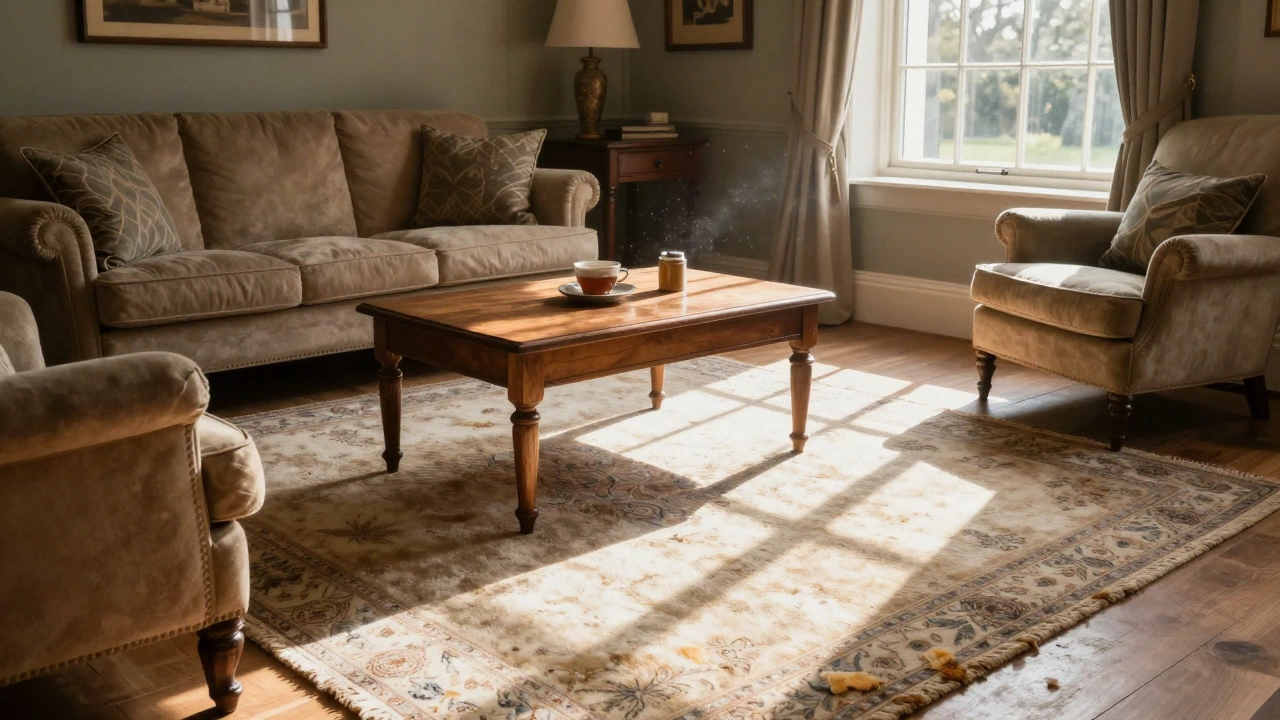
Cheap rugs are often designed to be disposable. They shed, they stain, and they tear. Cleaning them can be tricky because the backing may not withstand professional steam cleaning. Expensive rugs, conversely, are built to be maintained. Wool is naturally stain-repellent because of its lanolin content. Spills bead up on the surface rather than soaking in immediately. This gives you time to blot them before they set.
However, maintenance requires effort. A hand-knotted rug needs regular vacuuming without a beater bar (which can pull at the knots) and occasional professional cleaning every 1-2 years. If you’re not willing to commit to that care routine, a high-end rug might not be the best fit. In that case, a mid-range machine-made rug with a good warranty offers a realistic compromise. Always ask about warranties. Reputable brands offer 5-10 year warranties against defects in workmanship, which is a sign of confidence in their product.
Environmental Considerations
In 2026, sustainability is no longer a niche concern. Cheap rugs often involve non-recyclable synthetics that end up in landfills. Wool, on the other hand, is biodegradable and renewable. If environmental impact matters to you, look for certifications like Green Label or OEKO-TEX Standard 100, which verify that the rug is free from harmful chemicals. Hand-knotted rugs also support traditional craftspeople in regions like India, Nepal, and Morocco, providing fair wages and preserving cultural heritage. Buying one is a vote for slow fashion in the home decor world.
Are wool rugs always more expensive than synthetic ones?
Generally, yes. Wool is a premium natural fiber that takes longer to process and harvest. However, a small, simple wool rug can sometimes cost less than a large, intricately patterned silk or high-density hand-knotted synthetic rug. Price depends on size, complexity, and origin, not just material.
How can I tell if a rug is hand-knotted or hand-tufted?
Flip the rug over. A hand-knotted rug will have visible knots tied around the warp threads, and the backing will look somewhat irregular and textured. A hand-tufted rug will have a smooth, uniform backing, often glued with latex, and the pile will be cut straight through. Knotted rugs are heavier and denser.
Is it worth buying a cheap rug for a rental property?
Yes. Since you won't be there long enough to benefit from the longevity of a luxury rug, a mid-range synthetic rug offers good aesthetics and durability for a fraction of the cost. Just ensure it's easy to clean and remove without damaging the underlying floor.
Do expensive rugs hold their value if I sell my house?
Not directly in terms of resale value of the house itself, but they significantly enhance the perceived quality of the interior. Buyers often associate high-quality furnishings with well-maintained homes. Antique or designer rugs can be sold separately as collectibles, potentially recouping part of the initial investment.
What is the best material for a rug in a home with pets?
Nylon is often recommended for pet owners because it is highly durable, stain-resistant, and easy to clean. Wool is also a good option because it resists odors and static electricity, which attracts less fur. Avoid low-density synthetics that trap hair in the gaps.