
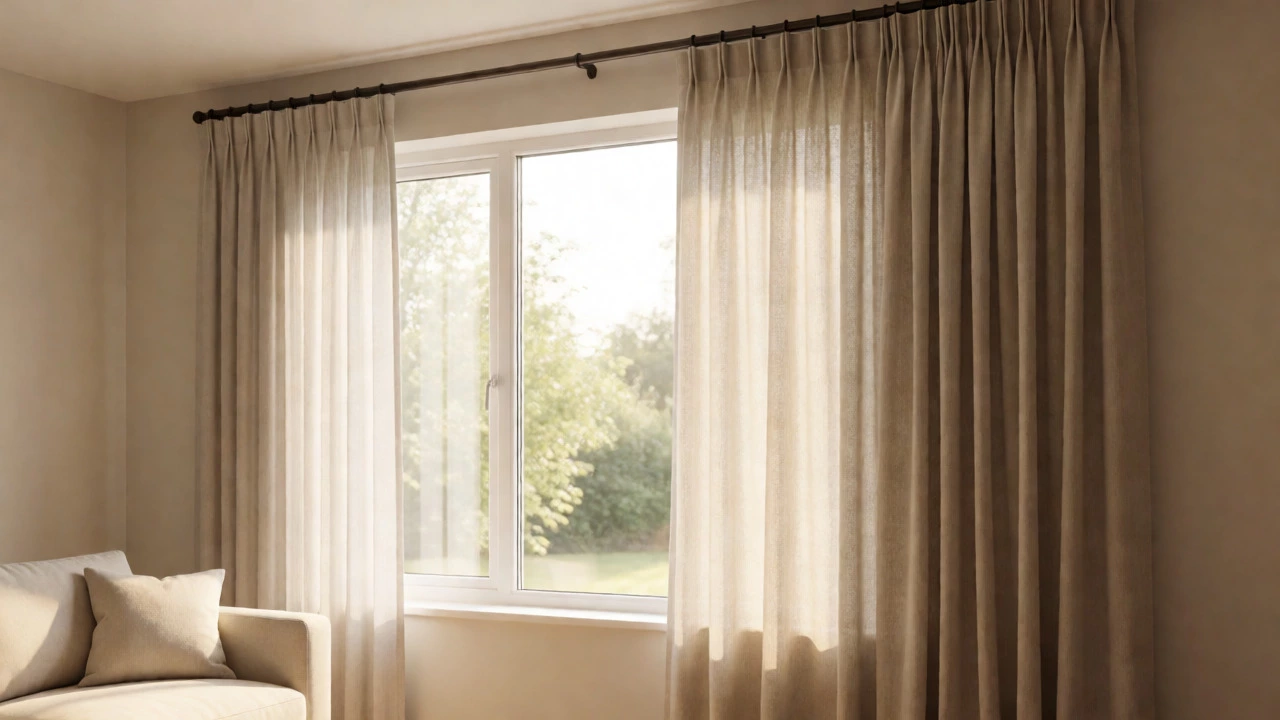
Curtain Width & Fullness Calculator
Enter your window dimensions and preferences below to determine the ideal total fabric width and recommended panel configurations.
Window Specifications
Results & Recommendations
Actual Total Width: 0 inches
Achieved Fullness: 0.0x
Rod Extension Advice:
Enter details to see results
You just measured your window. It’s exactly 72 inches wide. You head to the store, see panels labeled "100% fullness," and suddenly you’re staring at numbers that don’t make sense. Should you buy two 54-inch panels? Three 36-inch ones? Or maybe a single massive piece?
Here is the truth most salespeople won’t tell you: curtain width isn’t about matching the glass. It’s about creating volume. If you buy curtains that are only 72 inches wide total, they will look flat, cheap, and sad against the wall. They will sit there like a stiff shirt collar instead of flowing fabric. To get that expensive, designer look in your Bristol living room or London apartment, you need more fabric than the window itself.
The Golden Rule: Fullness Multipliers
Interior designers use a concept called "fullness." This is simply how much extra fabric you gather when the curtains are closed. For standard residential windows, the industry standard is between 1.5x and 3x the track width. Let’s break down what this means for your specific 72-inch opening.
- 1.5x Fullness (Minimum): Total fabric width = 108 inches. This looks acceptable but can feel sparse if the fabric is thin.
- 2x Fullness (Standard Recommendation): Total fabric width = 144 inches. This provides beautiful pleats and covers the window completely without gaps.
- 3x Fullness (Luxury/Heavy Fabric): Total fabric width = 216 inches. Use this for sheer fabrics or if you want deep, dramatic folds.
Why does this matter? Thin fabrics like linen or cotton sheers need more material to look opaque and rich. Heavy velvet or blackout drapes might get away with 1.5x because the weight creates natural volume. But for a 72-inch window, aiming for 2x is the safest bet for a professional finish.
Calculating Your Specific Needs
Let’s do the math so you don’t have to guess at the checkout counter. Your window is 72 inches. We recommend a 2x fullness ratio. That means you need 144 inches of fabric width in total.
Most ready-made curtain panels come in standard widths: 42, 48, 50, or 54 inches. Here is how you combine them to hit that 144-inch target:
| Panel Width | Number of Panels | Total Fabric Width | Fullness Ratio | Verdict |
|---|---|---|---|---|
| 36 inches | 4 | 144 inches | 2.0x | Perfect for sheers or light fabrics. |
| 48 inches | 3 | 144 inches | 2.0x | Great balance; fewer seams than smaller panels. |
| 54 inches | 3 | 162 inches | 2.25x | Excellent for heavy drapes; very luxurious. |
| 54 inches | 2 | 108 inches | 1.5x | Minimalist; may look thin on bright days. |
Notice that buying three 54-inch panels gives you 162 inches. That’s slightly over our 144-inch target, which is actually better. Extra fabric allows for easier adjustment if your wall isn’t perfectly straight. Buying two 54-inch panels leaves you short. You’ll likely see daylight around the edges when the curtains are pulled shut.
Don’t Forget the Rod Extension
This is where many DIY projects fail. You measure the glass, buy the curtains, install the rod, and then realize the curtains hang *inside* the frame. They block less light and make the window look small.
To fix this, extend your curtain rod beyond the window frame. A good rule of thumb is to add 4 to 6 inches on each side. So, for a 72-inch window, your rod should span roughly 80 to 84 inches. This allows the curtains to stack completely off the glass when open, maximizing natural light and making the room feel larger.
If you extend the rod, do you need even wider curtains? Yes, technically. If your rod is 84 inches wide, a 2x fullness calculation suggests 168 inches of fabric. However, you don’t always need to match the rod width exactly. The key is ensuring the curtains cover the glass plus the overlap when closed. With three 54-inch panels (162 inches), you are close enough to cover an 84-inch rod span effectively, especially if you overlap the center panels by a few inches.
Fabric Type Changes Everything
Your choice of material dictates how much width you actually need. I’ve hung hundreds of pairs of curtains in old Victorian terraces here in the UK, and the fabric weight plays a huge role in how the width reads visually.
Sheer Curtains are transparent. They rely entirely on gathering to create texture. If you skimp on width, sheers look like cheap netting. Always aim for 2.5x to 3x fullness for sheers. For a 72-inch window, that means looking for four or five narrower panels, or very wide custom orders.
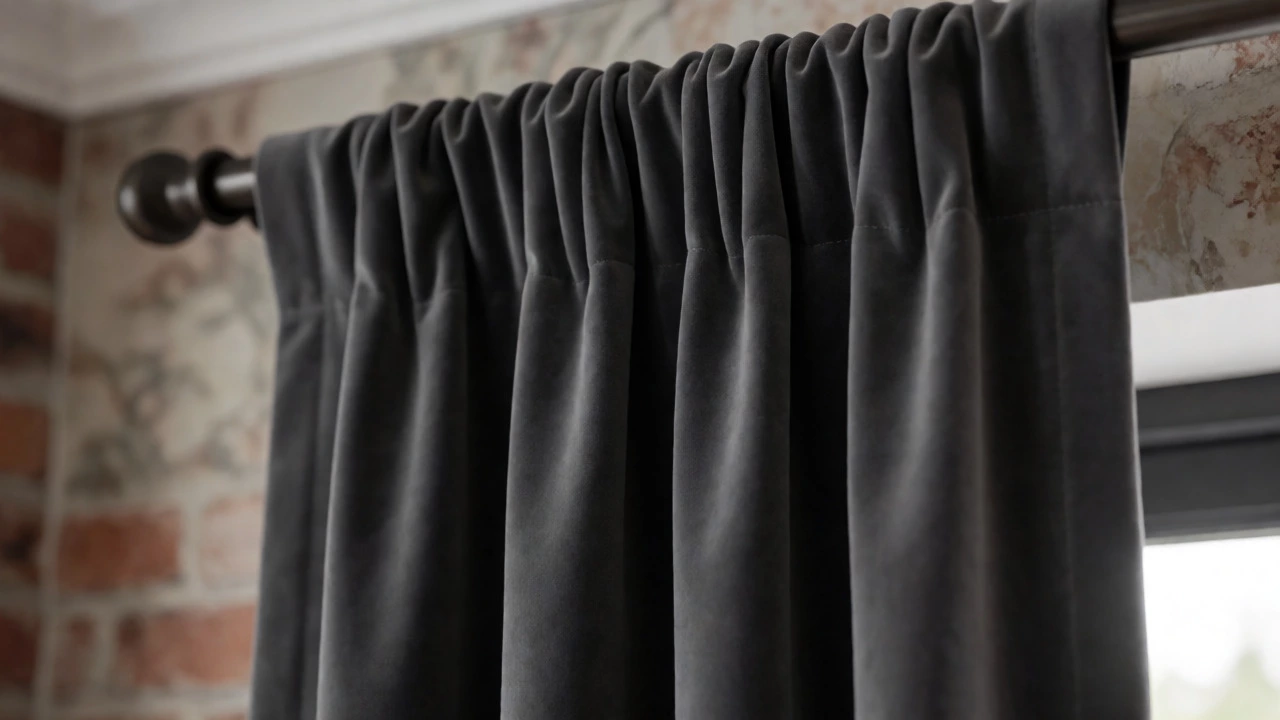
Blackout Drapes are heavier. They hold their shape well. You can get away with 1.5x to 2x fullness. Too much fabric on heavy velvet makes it hard to pull the curtains open and close smoothly. Stick to the lower end of the range if you choose thick materials.
Linen Blends are tricky. They wrinkle easily and lack body. If you use linen, go for 2x fullness minimum. The extra fabric helps hide creases and adds necessary weight to keep the hem hanging straight.
Common Mistakes to Avoid
I see these errors constantly in online forums and customer photos. Avoiding them saves you money and frustration.
- Measuring Only the Glass: Never measure just the visible pane. Measure the entire opening including the frame. Then decide if you want the rod inside or outside that frame.
- Ignoring the Overlap: When two curtain panels meet in the middle, they need to overlap by at least 2-3 inches. Otherwise, a strip of light cuts through the center. Factor this into your total width calculation.
- Buying "Fits Up To" Sizes: Packaging often says "Fits windows up to 72 inches." This usually refers to the rod length, not the fabric width needed for proper fullness. Always check the actual panel dimensions printed on the back of the package.
- Forgetting Hardware Bulk: Eyelet (grommet) curtains lose about 2-3 inches of width per panel due to the metal rings. Pencil pleat or pinch pleat styles retain more usable width. Adjust your calculations accordingly.
Step-by-Step Shopping Checklist
Ready to buy? Follow this simple process to ensure you get it right the first time.
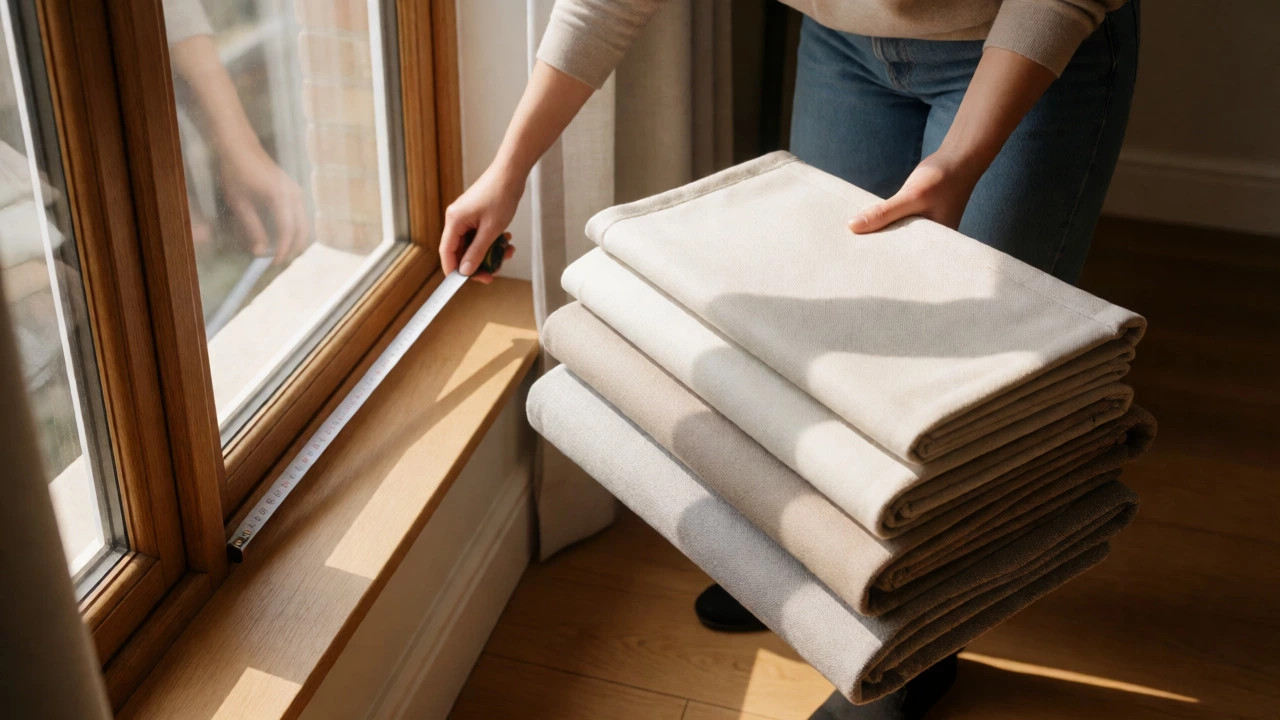
- Measure the Window Frame: Write down the exact width (e.g., 72 inches).
- Determine Desired Fullness: Choose 2x for standard rooms, 3x for sheers/luxury.
- Calculate Total Width Needed: Multiply window width by your chosen multiplier (72 x 2 = 144 inches).
- Select Panel Size: Find panels that sum up to your total. Example: Three 48-inch panels = 144 inches.
- Check Rod Length: Ensure your rod extends 4-6 inches past the window on each side.
- Verify Hardware Type: Confirm the header style (eyelet, pencil pleat) matches your rod and doesn't reduce width too drastically.
What If You Already Have Curtains?
Maybe you already bought two 54-inch panels for your 72-inch window. Now they look thin. What can you do?
You don’t necessarily need to throw them out. Try adding a second layer. Hang a pair of wide, inexpensive sheers behind your existing drapes. This adds visual depth and opacity without requiring new main curtains. Alternatively, you can sew additional fabric strips to the sides of your existing panels to increase width, though this requires some sewing skill. Another quick fix: move the rod closer to the ceiling. While this doesn’t change width, it draws the eye upward and distracts from the lack of horizontal volume.
Do I need wider curtains if I mount the rod outside the window frame?
Yes, slightly. If you extend the rod 6 inches on each side, the total span becomes 84 inches. Ideally, you’d want 168 inches of fabric for 2x fullness. However, since the curtains stack off the glass when open, the critical factor is coverage when closed. Three 54-inch panels (162 inches) will still provide excellent coverage and fullness for an 84-inch rod span, as long as you overlap the center adequately.
Can I use just one wide curtain panel for a 72-inch window?
You can, but it’s rarely recommended. A single panel covering 72 inches needs to be at least 144 inches wide to look good. Most single panels max out at 100-110 inches. Using one narrow panel results in a flat, utilitarian look. Two or three panels allow for better stacking, easier washing, and a more balanced aesthetic.
How much overlap is needed between two curtain panels?
Aim for at least 2 to 3 inches of overlap in the center when the curtains are fully closed. This prevents light leaks. If you calculate your width based on 2x fullness, you naturally have enough fabric to accommodate this overlap without stretching the material.
Does the color of the curtain affect how wide it looks?
Indirectly, yes. Dark colors absorb light and can make folds look deeper, potentially enhancing the perception of fullness. Light colors reflect light and can wash out shadows, making thin curtains look even thinner. If you choose a very light color, consider increasing your fullness ratio to 2.5x to compensate.
What if my window is exactly 72 inches but the wall space is limited?
If you cannot extend the rod outward due to walls or furniture, stick to the 72-inch rod span. In this case, prioritize height over width. Mount the rod as high as possible to draw the eye up. Use lighter fabrics that don’t require excessive bulk, as they won’t crowd the small lateral space. A 1.5x fullness might be acceptable here if extending the rod is impossible.