

Bedding Classification Checker
Confused about what counts as "bedding"? Select an item below to see its classification, wash frequency, and whether it's typically included in a standard set.
Click an item above to analyze its bedding status.
You’re standing in the linen aisle, holding a soft fleece throw in one hand and a crisp cotton sheet set in the other. The label on the box says "Bedding," but does that include the blanket you just picked up? It’s a surprisingly common point of confusion. You want to know if buying a "bedding set" means you’re getting a blanket, or if you need to buy that separately. The short answer is: it depends entirely on who is using the word.
In retail, "bedding is a collective term for all the textiles used to dress a bed, including sheets, pillowcases, duvets, comforters, and sometimes blankets" often refers specifically to the sheet set and pillow shams. In technical laundry terms, however, anything that touches your skin or covers the mattress counts as bedding. This distinction matters when you are budgeting for a bedroom refresh or trying to figure out what goes in the washing machine versus the dry cleaner. Let’s break down exactly what counts, what doesn’t, and how to build a bed that actually makes sense.
The Definition Trap: Retail vs. Reality
If you look at major retailers like John Lewis or IKEA, they categorize products strictly. Sheets, pillowcases, and duvet covers usually live under "Bed Linen." Blankets, throws, and quilts often sit in a separate category called "Throws & Blankets." Why? Because they serve different functions and have different price points. Sheets are essential hygiene items; blankets are comfort add-ons.
However, from a functional standpoint, do blankets count as bedding? Yes. If it lives on your bed, it’s part of your bedding ecosystem. But here is where people get tripped up: a "Bedding Set" sold online rarely includes a heavy blanket. When you see a listing for a "4-Piece Bedding Set," it almost always means:
- 1 Flat Sheet
- 1 Fitted Sheet
- 2 Pillowcases
It does not include the top layer. That is why so many shoppers feel cheated when their new "bedding" arrives without something warm to sleep under. Always check the piece count and the specific list of included items. If it doesn’t say "comforter," "quilt," or "blanket," you likely need to buy that separately.
Anatomy of a Bed: What Actually Counts?
To stop guessing, you need to understand the three distinct layers of a properly made bed. Each layer has a specific job, and knowing which layer an item belongs to tells you whether it’s "essential bedding" or "decorative bedding."
Layer 1: The Hygiene Layer (Essential Bedding)
This is the stuff that touches your body. It includes fitted sheets, flat sheets, and pillowcases. These items must be washed weekly. They are non-negotiable parts of bedding. Without them, you aren’t sleeping clean.
Layer 2: The Warmth Layer (Core Bedding)
This is where the debate gets heated. This layer includes duvets, comforters, quilts, and thick wool blankets. Are these bedding? Absolutely. They provide the thermal regulation necessary for sleep. However, they are often treated differently than sheets. Duvets go inside covers; comforters might need dry cleaning; wool blankets might shrink in hot water. While they are bedding, they don’t follow the same care rules as sheets.
Layer 3: The Decorative Layer (Optional Bedding)
This includes decorative throws, faux fur rugs at the foot of the bed, and extra cushion covers. Do these count as bedding? Technically, yes, because they are on the bed. Practically, no. You don’t wash your decorative velvet throw every week with your sheets. You don’t buy it as part of a "set." Think of this layer as accessories-like jewelry for your outfit. Nice to have, but not part of the base garment.
| Item Type | Counts as Essential Bedding? | Wash Frequency | Included in "Bedding Set"? |
|---|---|---|---|
| Fitted Sheet | Yes | Weekly | Yes |
| Duvet Cover | Yes | Every 2-4 weeks | Sometimes (5-piece sets) |
| Comforter/Quilt | Yes | Monthly/Seasonal | No (usually separate) |
| Wool Blanket | Yes | Seasonal | No |
| Decorative Throw | No (Accessory) | As needed | No |
Why the Confusion Exists: The "Set" Marketing Game
Retailers love bundling. It increases the average order value. But the definition of a "set" varies wildly between brands. Here is what I’ve noticed after helping dozens of friends furnish their homes in Bristol:
UK High Street Brands (e.g., M&S, John Lewis): They tend to be conservative. A "sheet set" is just sheets. A "bedding set" might include a duvet cover and pillowcases. They rarely bundle a weighted blanket into a standard set unless explicitly stated as a "winter bundle."
Online Marketplaces (e.g., Amazon, Wayfair): Chaos reigns here. Sellers often use the keyword "Bedding" to describe everything from cheap polyester microfiber throws to luxury Egyptian cotton suites. You might find a "7-Piece Bedding Set" that includes two shams, a duvet cover, four pillowcases, and a thin decorative bed skirt-but no actual blanket. Always read the fine print.
Luxury Boutiques: They often sell components separately to encourage higher spend. You buy the sheets, then the duvet insert, then the cover, then the throw. In this context, nothing is "included" by default.
The rule of thumb? Never assume. If the product title says "Sheet Set," expect only sheets. If it says "Bedding Bundle," look for images showing multiple layers. If it’s vague, email customer service before clicking buy.
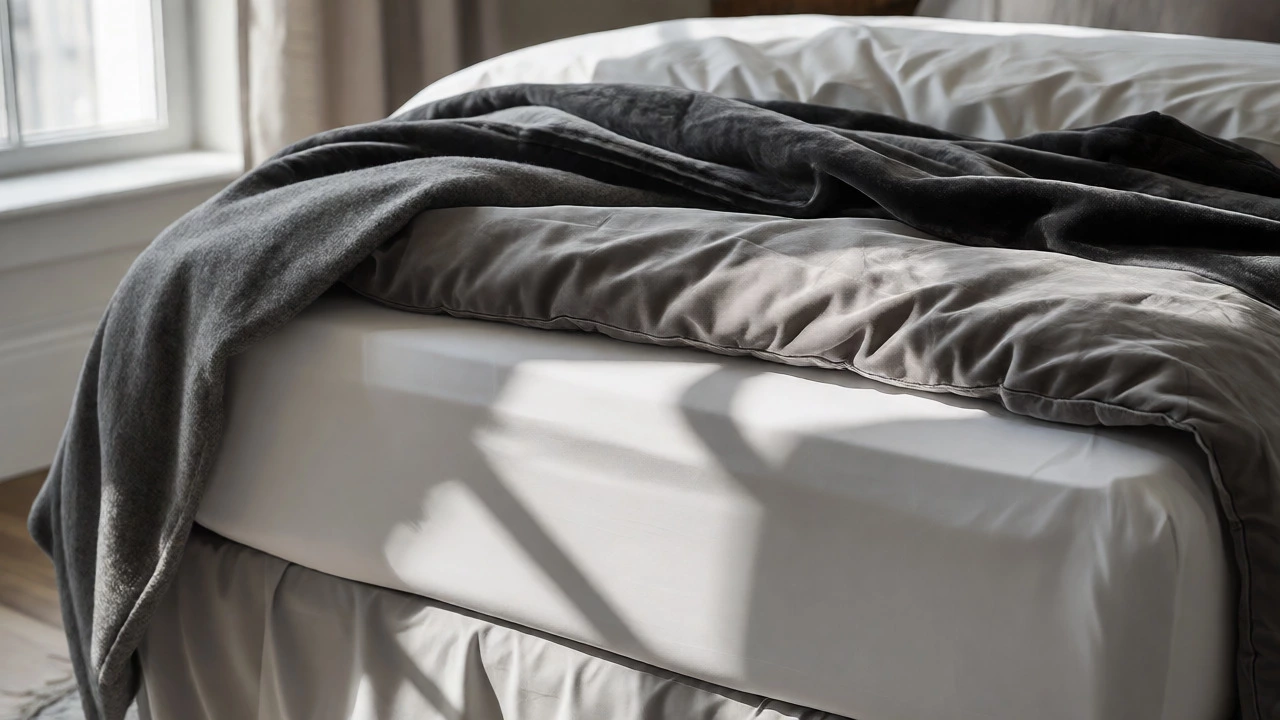
Material Matters: How Fabric Changes Classification
Not all blankets are created equal, and their material determines whether they belong in the "wash with sheets" pile or the "special care" pile. This affects whether you treat them as everyday bedding or occasional luxuries.
Cotton and Bamboo: These are easy. Cotton blankets can usually go in the washing machine with your sheets. They are durable and forgiving. If you buy a cotton quilt, treat it like bedding. Wash it regularly.
Wool: Wool blankets are classic British staples, especially in damp climates like ours. But wool shrinks and felts if agitated too much. You shouldn’t toss a expensive Merino wool blanket in with your cotton t-shirts and sheets. Wool requires cold water, gentle cycles, or dry cleaning. Because of this high maintenance, many people keep wool blankets stored away until winter, removing them from the daily "active bedding" rotation.
Fleece and Microfiber: These are the great equalizers. Cheap, washable, and quick-drying. Fleece throws are often used as both bedding and living room décor. Since they tolerate high heat and frequent washing, they blur the line. You can technically wash a fleece throw with your sheets, but it will collect lint from the towels. Keep them separate if you want your sheets to stay smooth.
Silk and Satin: These are delicate. Silk pillowcases and silk duvet covers are considered premium bedding, but they require specific detergents and air drying. You wouldn’t wash a silk scarf with your jeans, and you shouldn’t wash a silk duvet cover with your gym clothes. Treat these as special-care bedding.
How to Build a Functional Bedding Stack
Now that we’ve cleared up the definitions, let’s talk about building a stack that works for real life. You don’t need twenty pieces of fabric. You need a system that keeps you warm, clean, and stylish without turning laundry day into a nightmare.
Step 1: Secure the Base
Start with a high-quality fitted sheet. This is the foundation. Get a deep pocket size if your mattress is thick (common with modern memory foam). Pair it with a flat sheet if you like the option of kicking off the top layer during summer nights.
Step 2: Choose Your Core Warmth
Decide between a duvet system or a comforter system. A duvet system uses a cover (which you wash) and an insert (which you wash less often). This is the most hygienic approach. A comforter is a single unit-you wash the whole thing. Comforters are easier to make the bed with, but harder to clean. If you choose a comforter, consider adding a lightweight blanket underneath for extra warmth without bulk.
Step 3: Add the Accessory Layer
This is where the "do blankets count" question becomes irrelevant. Buy a throw that matches your décor. Toss it over the foot of the bed. Use it for reading in bed on chilly evenings. When guests come over, it looks intentional. When you sleep, you can pull it up or leave it folded. This layer is flexible. Swap it out seasonally. Light linen throws for summer, chunky knits for winter.
Pro Tip:** Check your washing machine capacity. A King-size duvet cover plus two pillowcases takes up significant space. If you try to cram a King duvet, a Queen blanket, and a towel load into one machine, the rinse cycle won’t work properly. You’ll end up with soapy, heavy wet bedding. Wash large bedding items alone or with similar weights.

Common Pitfalls to Avoid
I’ve seen people make the same mistakes repeatedly when navigating the bedding aisle. Here is how to avoid wasting money.
Mistake 1: Buying a "Duvet Cover" thinking it’s a "Duvet."
A duvet cover is just a shell. It’s like a pillowcase for a giant pillow. If you buy a duvet cover and forget the insert, you’re sleeping under a thin, empty sack. Always confirm if the listing includes the fill.
Mistake 2: Ignoring Thread Count Myths.
Higher thread count doesn’t always mean better bedding. Above 600, the yarns become so thin they tear easily. For breathable, durable bedding, stick to 300-500 thread count percale cotton. Save the ultra-high counts for marketing fluff.
Mistake 3: Mixing Fabrics in the Dryer.
Cotton sheets and fleece blankets dry at different rates. The cotton stays damp while the fleece overheats and pills. Separate them. Or, hang dry the bulky items. It saves energy and extends the life of your fabrics.
Mistake 4: Forgetting Mattress Protectors.
Is a mattress protector bedding? It’s arguably the most important piece. It sits directly on the mattress, under the fitted sheet. It protects against sweat, spills, and allergens. Many people skip it, then wonder why their mattress smells after two years. Buy one. It’s invisible bedding, but it saves your investment.
Final Thoughts: Curate, Don’t Collect
So, do blankets count as bedding? Yes, but they are optional extras in the world of retail sets. Understanding this distinction saves you from surprise shipping fees and mismatched styles. Focus on buying quality essentials first: good sheets, a reliable duvet or comforter, and protective layers. Then, add blankets and throws based on your climate and aesthetic preferences.
Your bed should be a sanctuary, not a puzzle box of conflicting labels. By knowing exactly what each item does-and what isn’t included in that pretty package-you can build a sleep setup that feels luxurious and functions flawlessly. Now go forth and conquer the linen aisle with confidence.
Does a bedding set usually include a blanket?
No, typically not. Most standard bedding sets refer to sheet sets (fitted, flat, and pillowcases) or duvet cover sets. Blankets, throws, and comforters are usually sold separately unless specified as a "bundle" or "complete suite." Always check the itemized list in the product description.
Can I wash my blanket with my bedsheets?
You can, but it’s not always recommended. Heavy blankets can unbalance washing machines and trap lint from lighter sheets. Synthetic fleece sheds significantly, which can cling to cotton sheets. It’s best to wash heavy bedding items separately or with similar materials to ensure a thorough clean and prevent damage.
What is the difference between a duvet and a comforter?
A duvet is a plain, white-filled insert that requires a removable cover (like a pillowcase). A comforter is a finished, patterned, and filled blanket that is used as-is. Duvets are easier to wash because you only clean the cover; comforters require washing the entire bulky item.
Are mattress protectors considered bedding?
Functionally, yes. They are part of the bedding layer stack, sitting directly on the mattress beneath the sheets. However, they are often categorized separately as "mattress protection" rather than "linens" because they are designed for durability and waterproofing rather than comfort or aesthetics.
How often should I replace my bedding?
Sheets and pillowcases last 1-2 years with regular washing. Duvet inserts and pillows should be replaced every 2-3 years as they lose loft and accumulate dust mites. Blankets and throws can last 5+ years if cared for properly, depending on the fabric quality and usage frequency.