
Open Shelving vs. Cabinets Cost Calculator
Traditional Cabinets
£0
Estimated TotalOpen Shelving
£0
Estimated TotalCost Breakdown
| Component | Cabinets | Shelves |
|---|---|---|
| Materials | - | - |
| Hardware | - | - |
| Installation Labor | - | - |
Note: These are estimates based on standard UK market rates. Actual costs may vary depending on specific brands, local labor rates, and structural requirements.
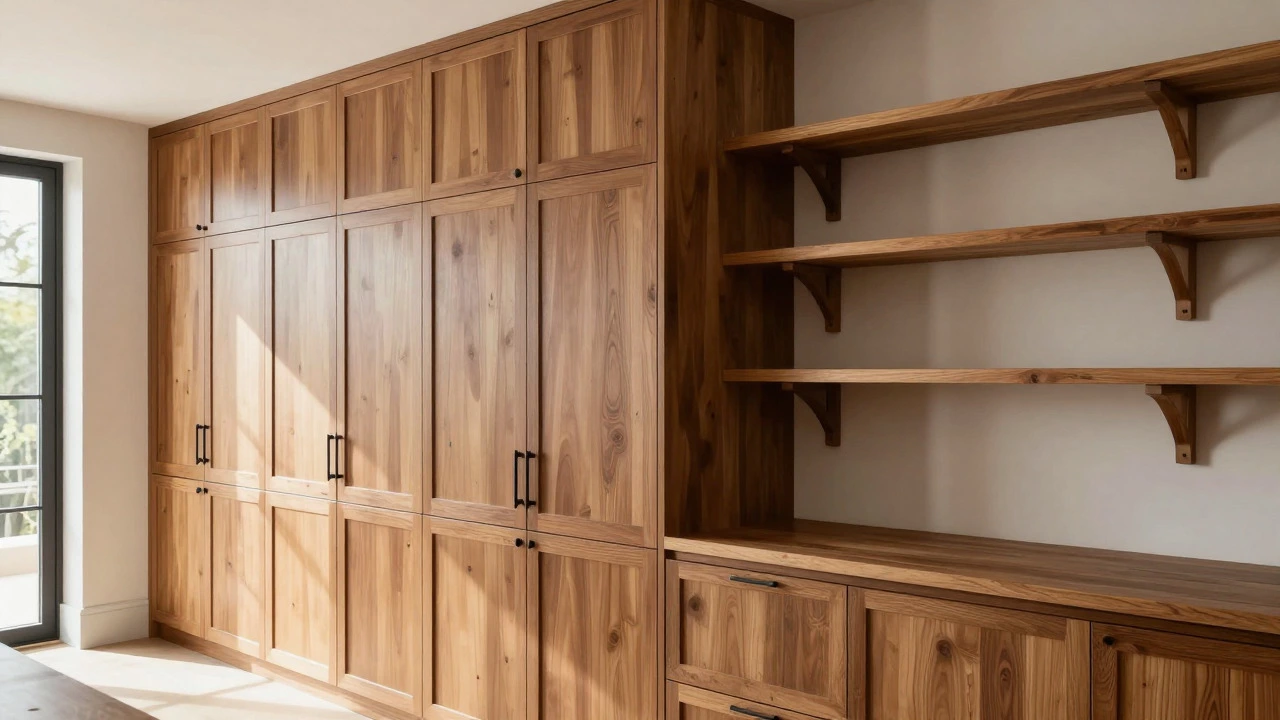
Picture this: You’re standing in a hardware store, staring at two options. On the left, a sleek, floor-to-ceiling cabinet system that looks like it belongs in a magazine. On the right, three simple wooden planks and some brackets. Your wallet feels lighter just looking at the cabinets. It’s no surprise that open shelving has become a darling of interior design trends, especially for homeowners trying to stretch their renovation budgets. But here is the million-dollar question: does skipping the doors actually save you money?
The short answer is yes, but with a catch. While the upfront material costs are significantly lower than traditional cabinetry, the long-term value depends on how you use the space, what materials you choose, and whether you install it yourself. Let’s break down the real numbers so you can decide if this aesthetic choice makes financial sense for your home.
The Upfront Cost Difference: Cabinets vs. Shelves
When we talk about saving money, we usually mean the initial price tag. In this area, open shelving wins by a landslide. Traditional kitchen or bathroom cabinets are complex pieces of furniture. They require boxes, doors, drawer slides, hinges, soft-close mechanisms, and often custom sizing to fit awkward spaces. A single base cabinet from a mid-range brand like IKEA or Semihandmade can easily run between £150 and £300. If you go custom, that number jumps to £500 or more per unit.
Open shelving strips away all that complexity. You need shelf boards (plywood, solid wood, or metal) and mounting hardware. A set of floating shelves for a standard kitchen wall might cost you £50 to £150 total, depending on the wood quality. Even if you hire a professional carpenter to install them, the labor cost is a fraction of what a full cabinet installation requires because there’s no plumbing integration, no electrical wiring behind doors, and no precise alignment of multiple heavy units.
| Component | Traditional Cabinets | Open Shelving |
|---|---|---|
| Materials | £800 - £1,200 | £100 - £300 |
| Hardware (Hinges/Slides) | £150 - £300 | £20 - £50 |
| Installation Labor | £400 - £800 | £150 - £300 |
| Total Estimated Cost | £1,350 - £2,300 | £270 - £650 |
As you can see, you could be saving upwards of 70% on the installation phase alone. For a tight budget, that’s not just pocket change; it’s the difference between finishing your renovation or going into debt.
Hidden Costs That Can Eat Your Savings
If it were just about buying wood and screwing it to the wall, everyone would do it. But open shelving introduces hidden costs that cabinet owners don’t have to worry about. These aren’t always monetary, but they impact your lifestyle and potentially your home’s resale value.
First, consider the cleaning factor. With closed cabinets, dust settles inside and stays there until you need something. With open shelves, every dish, jar, and decorative object collects dust daily. This means you’ll spend more time-and potentially money-on cleaning supplies and maintenance. If you live in an area with high humidity or near a busy road, this effect is amplified. You might find yourself replacing items more often due to wear and tear from frequent handling and cleaning.
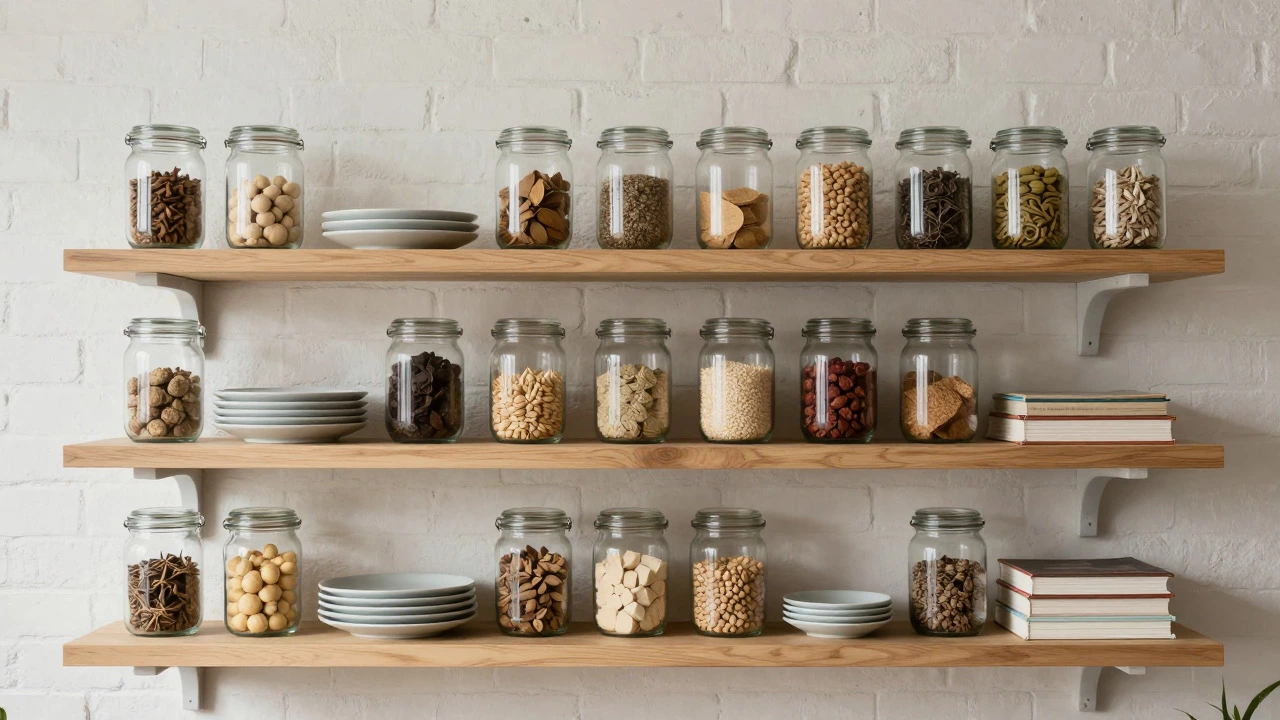
Second, there’s the organization cost. Open shelving demands visual order. You can’t hide mismatched mugs, ugly cereal boxes, or half-used spices. To make it look good, you often need to invest in uniform containers, glass jars, and matching plates. A set of nice ceramic canisters or clear acrylic organizers can quickly add £100 to £200 to your project. Without these, the "savings" look messy rather than stylish.
Finally, think about durability. Cabinet doors protect your contents from accidental knocks. Open shelves expose everything. If you have kids or pets, the risk of breaking expensive dinnerware increases. Replacing a broken plate isn’t huge, but replacing a set of heirloom china adds up fast.
DIY vs. Professional Installation
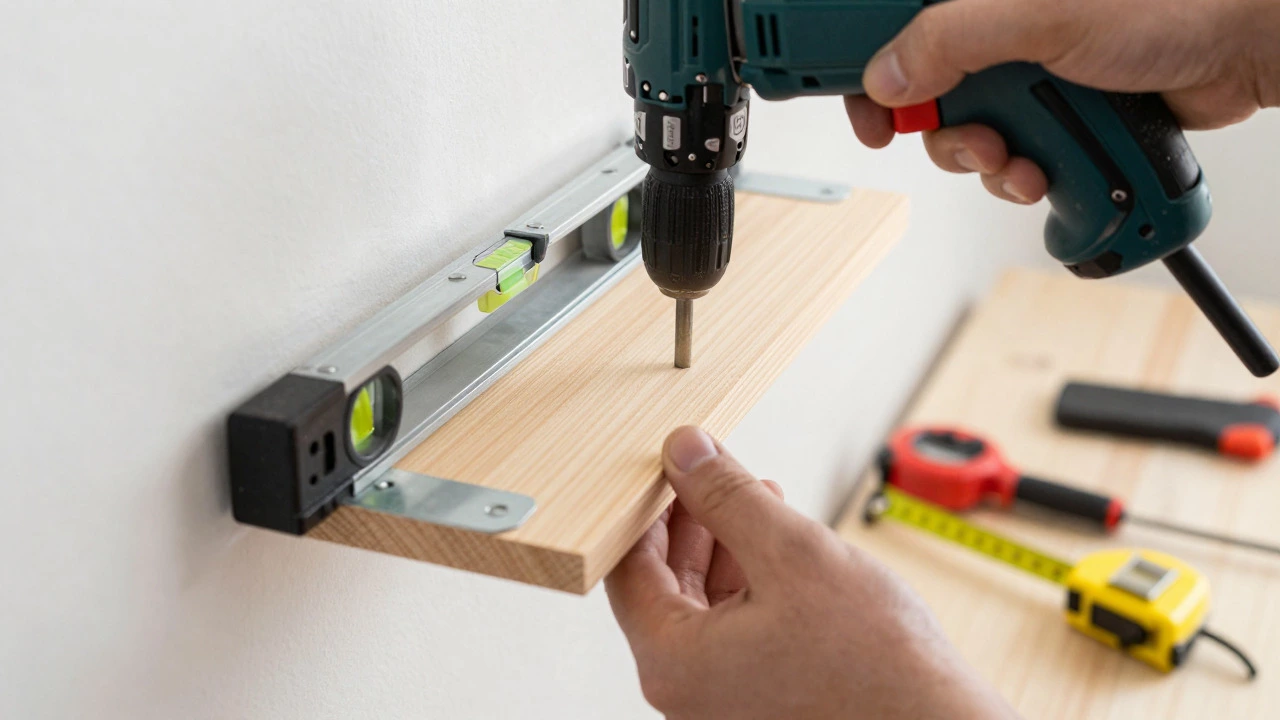
One of the biggest ways open shelving saves money is through the Do-It-Yourself route. Installing floating shelves is one of those projects that sounds intimidating but is manageable for a beginner with basic tools. You need a drill, a level, stud finder, and some patience. If you do it yourself, your only cost is the materials.
However, precision matters. If your shelves aren’t perfectly level or securely anchored into wall studs, they can sag or even fall. A failed DIY job might cost you more in repairs and frustration than hiring a pro initially. If you’re not confident in your handyman skills, budget for a professional installer. Even then, as shown in the table above, professional installation for shelves is cheaper than for cabinets.
In Bristol, where many homes are older Victorian or Edwardian properties, wall structures can be tricky. Plaster walls may not hold screws as well as modern drywall. In these cases, investing in proper anchors or consulting a local builder ensures your savings don’t turn into a safety hazard.
Impact on Home Resale Value
This is where things get nuanced. Does open shelving increase your home’s value? Generally, neutral and functional designs appeal to the broadest range of buyers. Traditional cabinets offer privacy and protection, which many families prefer. Open shelving is trendy, but trends fade. A buyer who loves minimalism might adore your open shelves, while a family with young children might see them as a liability.
Real estate agents often suggest that highly personalized features can deter some buyers. However, if done tastefully with high-quality materials, open shelving can make a small kitchen feel larger and more airy, which is a significant selling point. The key is balance. Mixing open shelving with some closed storage provides the best of both worlds: the aesthetic appeal of display and the practicality of hiding clutter.
If you plan to sell within a few years, consider how easy it is to reverse the decision. Removing open shelves and installing cabinets later is expensive and disruptive. Keeping the option open by using modular systems or ensuring your walls are prepped for future cabinetry might be a smarter long-term financial move.
Material Choices: Where to Splurge and Save
Your material choice drastically affects both cost and longevity. Here’s how to approach it:
- Plywood: Affordable and strong. Look for Baltic birch plywood for a clean edge finish. Seal it properly to prevent moisture damage, especially in kitchens. Cost: Low.
- Solid Wood (Oak, Pine): More expensive but durable and repairable. Oak is a classic choice in UK homes. It ages well and adds warmth. Cost: Medium to High.
- Metal: Industrial style. Very durable and low maintenance. Can be pricey depending on the finish. Cost: Medium.
- Glass: Elegant and makes spaces feel bigger. However, it shows fingerprints and dust easily, increasing maintenance effort. Cost: Medium.
To maximize savings, mix materials. Use sturdy, affordable plywood for the main structural shelves and splurge on a beautiful solid wood top shelf for display purposes. This creates visual interest without breaking the bank.
Practical Tips for Maximizing Savings
If you’re committed to open shelving, here’s how to keep costs down and satisfaction up:
- Measure Twice, Cut Once: Mistakes in measurement lead to wasted materials. Measure your wall space precisely, accounting for outlets, switches, and windows.
- Use Existing Infrastructure: If you’re renovating a kitchen, check if your existing studs align with standard shelf spacing. Adjusting stud positions is costly; working with them is free.
- Buy in Bulk: Purchasing lumber from a local supplier like Travis Perkins or Jewson in bulk can reduce costs compared to retail stores like B&Q or Homebase.
- Repurpose Furniture: Old dressers or bookshelves can be deconstructed and repurposed as open shelving units. This is eco-friendly and nearly free.
- Invest in Good Brackets: Don’t skimp on hardware. Cheap brackets will fail under weight. Spend extra on robust, concealed brackets for a cleaner look and better support.
Conclusion: Is It Worth It?
Open shelving definitely saves money upfront. If you’re on a tight budget, enjoy DIY projects, and value aesthetics over maximum storage capacity, it’s a fantastic option. It allows you to allocate funds elsewhere, perhaps to better appliances or flooring.
However, if you prioritize low maintenance, have a large family, or plan to sell your home soon, traditional cabinets might be the safer financial bet. They protect your belongings and appeal to a wider audience. Ultimately, the best choice balances your current budget with your long-term lifestyle needs. Don’t let trends dictate your finances; let your habits guide your design.
How much cheaper is open shelving compared to cabinets?
Open shelving can be 50% to 70% cheaper than traditional cabinets. While a standard kitchen cabinet setup might cost £1,500+, open shelving for the same area often ranges from £300 to £600, depending on materials and installation.
Do open shelves decrease home value?
Not necessarily. Tasteful open shelving can enhance a home's appeal by making spaces feel larger. However, overly trendy or cluttered installations might deter some buyers. Balancing open and closed storage is usually the safest approach for resale value.
What is the best material for budget-friendly open shelving?
Plywood, particularly Baltic birch, offers a great balance of strength and affordability. It’s easy to work with and can be painted or sealed for a finished look. Solid pine is another cost-effective option if you prefer natural wood grain.
Is it hard to install open shelving yourself?
Installing floating shelves is moderately difficult. It requires accurate measuring, leveling, and securing into wall studs. If you have basic DIY skills and the right tools, it’s manageable. For heavy loads or complex walls, hiring a professional is recommended.
Do open shelves require more cleaning?
Yes, significantly. Dust accumulates on every item displayed, requiring regular wiping. Unlike cabinets where dust hides inside, open shelves demand consistent maintenance to look tidy and inviting.