
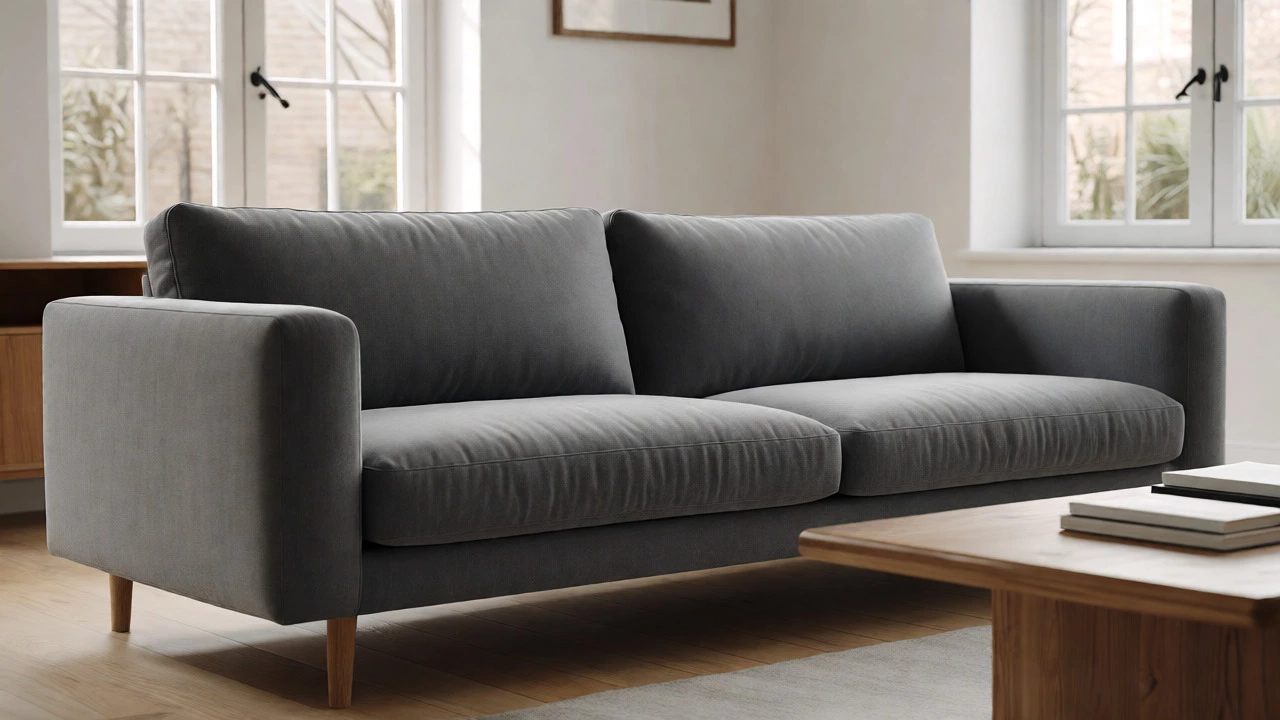
Couch Budget & Cost-Per-Use Calculator
Find out if you should buy a $500 couch or invest in a $2,500 one by analyzing your lifestyle and usage habits.
You walk into a furniture store or scroll through an online retailer, and the price tags hit you like a ton of bricks. One couch is $400. The next one looks identical but costs $2,500. What gives? Is the expensive one actually better, or are you just paying for the brand name? This confusion stops right here.
There is no single "correct" number for how much money to spend on a couch. It depends entirely on your lifestyle, how often you use it, and what you value most in furniture. But there are clear benchmarks that separate throwaway pieces from heirlooms. Let’s break down exactly where your money goes so you can buy with confidence, not regret.
The Three Tiers of Sofa Pricing
Furniture pricing isn’t random. It follows a logic based on materials, construction, and durability. Understanding these tiers helps you decide if you’re getting ripped off or making a smart investment.
| Tier | Price Range (USD) | Lifespan | Best For |
|---|---|---|---|
| Budget | $300 - $800 | 1-3 years | Students, short-term rentals, guest rooms |
| Mid-Range | $900 - $2,000 | 5-7 years | Most homeowners, families, daily use |
| High-End | $2,500+ | 10+ years | Long-term owners, design enthusiasts, heavy users |
Why does this spread exist? A budget sofa usually uses particleboard frames, low-density foam, and synthetic fabrics like polyester. They look fine on day one but sag quickly. A high-end piece uses kiln-dried hardwood, feather-down blends, and performance velvet or top-grain leather. You aren’t just buying comfort; you’re buying longevity.
When to Spend Less: The Case for Budget Sofas
Do you need to drop two grand on a couch? Not always. If you fall into specific categories, spending under $800 is actually the smarter financial move.
- Short-Term Housing: If you’re renting an apartment for less than three years, why invest in a $2,000 sofa that might get stained by your roommate’s dog? Buy something functional and replaceable.
- Guest Rooms: Does your couch sit empty 90% of the time? Comfort matters less when usage is rare. A stylish but inexpensive piece works perfectly for occasional visitors.
- First Furniture Purchase: If you’re moving out for the first time, prioritize flexibility. You might change your style, move to a smaller space, or sell it later. Don’t tie up cash in a permanent fixture yet.
Here’s the catch: budget sofas have hidden costs. They often lack warranty support beyond 90 days. If the frame cracks after six months, you’re out the full amount. So, if you choose this tier, treat it as disposable income spent on temporary comfort.
When to Spend More: Investing in Daily Life
If your couch is the center of your living room-where you watch TV, work from home, or host friends-you should aim for the mid-range to high-end spectrum. Here’s why the extra cost pays off.
Durability is the biggest factor. A well-made sofa uses a kiln-dried hardwood frame, which resists warping and breaking. Cheaper frames use softwood or engineered wood, which snaps under stress over time. According to industry standards, a hardwood frame can last decades, while particleboard fails within a few years.
Comfort compounds over time. High-end sofas offer customizable firmness levels and deeper seats. If you have back pain or tall family members, generic sizing won’t cut it. Paying for ergonomic design prevents discomfort that cheap cushions cause after long sitting sessions.
Consider the "cost per use" formula. Take the price of the sofa and divide it by the number of times you’ll sit on it. A $1,500 sofa used daily for five years (roughly 1,800 uses) costs about $0.83 per use. A $500 sofa replaced every two years costs more annually and offers less comfort during those years.
What Actually Drives Up the Price?
Not all expensive features are worth paying for. Some are marketing fluff. Others are critical for longevity. Here’s what to look for when deciding if a higher price tag is justified.
Frame Construction
This is non-negotiable. Ask salespeople: "Is the frame kiln-dried hardwood?" If they hesitate or say "mixed materials," walk away. Kiln drying removes moisture, preventing mold and warping. This adds cost but guarantees structural integrity.
Cushion Fill
Foam density matters more than thickness. Low-density foam feels plush initially but flattens within a year. High-resilience (HR) foam maintains shape for years. Feather wraps add luxury softness but require constant plumping. If you hate maintenance, skip feathers and pay for high-quality HR foam instead.
Upholstery Fabric
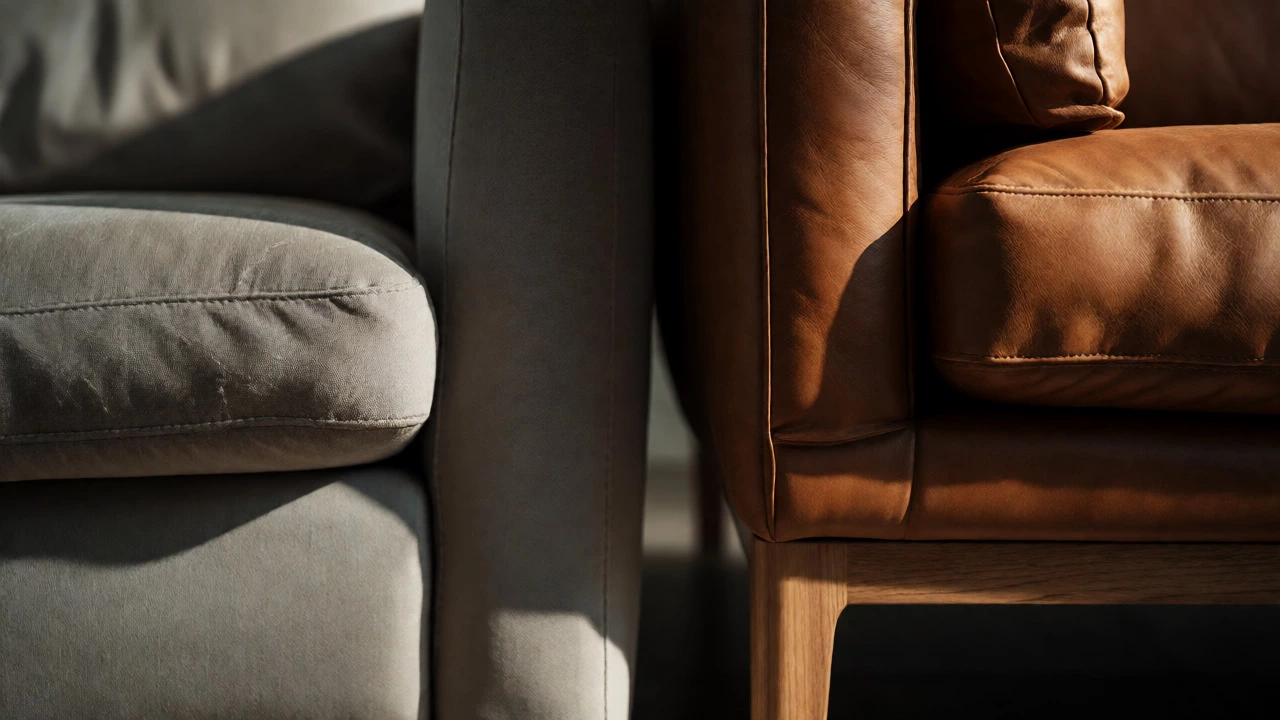
Performance fabrics like Crypton or Sunbrella resist stains and fading. They cost more than standard cotton or linen but save you cleaning fees and replacement costs if you have kids or pets. Leather prices vary wildly based on grade. Top-grain leather ages beautifully; bonded leather peels and looks fake within two years.
Hidden Costs That Blow Your Budget
The sticker price is rarely the final price. Many buyers forget to account for extras that can add hundreds to the total bill.
- Delivery Fees: White-glove delivery (where they carry it inside and remove packaging) often costs $100-$200. Standard curbside delivery might be free but leaves you hauling a heavy box yourself.
- Assembly: Flat-pack sofas require tools and patience. If you hire someone to assemble it, expect to pay $50-$100 per hour.
- Returns: Custom orders are often non-refundable. If you measure wrong and the couch doesn’t fit, you lose your deposit. Always double-check dimensions against your doorway width, not just the room size.
- Protection Plans: Retailers push fabric protection warranties ($100-$300). Read the fine print. Many exclude common issues like pilling or color transfer, making them useless for average households.

How to Determine Your Personal Budget
Forget general advice for a second. Look at your own finances and habits. Use this simple decision tree to find your sweet spot.
- How many people will use it weekly? If four or more, go mid-range ($1,000+). Heavy traffic destroys cheap frames.
- Do you have pets or small children? Yes? Prioritize durable, washable covers. Budget for performance fabric ($1,200+).
- Will you stay in this home for 5+ years? Yes? Invest in quality. No? Rent-friendly options suffice.
- Is this your primary seating? Yes? Comfort is health-related. Spend accordingly.
A good rule of thumb: Aim to spend between 1% and 3% of your annual household income on major living room furniture sets. If you earn $60,000 a year, allocating $600-$1,800 for a sofa set is financially sound without straining your savings.
Smart Buying Strategies to Save Money
You don’t have to pay full retail price to get a great couch. Timing and negotiation matter.
Shop during holiday weekends. Presidents’ Day, Memorial Day, Labor Day, and Black Friday are peak discount periods for furniture. Retailers clear inventory to make room for new styles. Discounts can reach 20-40% off.
Consider floor models. These sofas have been displayed for months but haven’t been lived on. They often come with significant markdowns because they technically aren’t "new." Inspect them closely for scratches, but if they look clean, you’re getting premium quality for a mid-range price.
Buy modular or sectional pieces separately. Sometimes, buying a loveseat and a chair is cheaper than a large sectional, even if they occupy similar space. Plus, you can move them independently if your layout changes.
Frequently Asked Questions
Is it worth buying an expensive sofa?
It is worth it if you use the sofa daily and plan to keep it for more than five years. High-end sofas use better materials that resist sagging and breaking, saving you money on replacements and repairs over time. If you only use it occasionally or move frequently, a cheaper option is more practical.
How long should a good couch last?
A high-quality sofa with a hardwood frame and high-density foam should last 7 to 15 years with proper care. Budget sofas typically last 1 to 3 years before showing significant wear like sagging cushions or loose joints. Mid-range sofas generally offer a lifespan of 5 to 7 years.
What is the cheapest way to get a decent couch?
Buying a floor model from a local furniture store is often the best deal. These items are discounted heavily because they are not brand-new boxed items. Alternatively, shopping during major holiday sales events like Labor Day or Black Friday can yield discounts of 20% to 40% on new inventory.
Does fabric type affect the price significantly?
Yes, fabric choice impacts price substantially. Performance fabrics like Crypton or Sunbrella cost more due to their stain resistance and durability. Natural fibers like genuine leather or high-grade linen are also pricier. Synthetic blends like polyester are the most affordable but may pill or fade faster.
Should I buy a sectional or a regular sofa?
Sectionals often cost more upfront but provide more seating capacity per dollar compared to buying multiple separate chairs. However, sectionals are harder to move and resize. If you have a large family or entertain often, a sectional is usually the better value. For smaller spaces or frequent movers, a standard sofa offers more flexibility.