

Self-Storage Cost Estimator
Enter your details below to get a realistic estimate of your storage expenses, including common hidden fees.
Select options and click Calculate to see your estimated costs.
Monthly Estimate
One-Time Startup Fees
You’re staring at a pile of boxes in your hallway, wondering if it’s worth paying someone else to hold them while you figure out your life. The answer isn’t just "yes" or "no"-it’s about value. If you’re asking how much should I pay for storage, you’re likely trying to balance convenience against your bank account. Spoiler alert: there is no single price tag. It depends on where you live, what you’re storing, and how long you need the space. But we can get you close enough to make a smart decision without getting ripped off.
Self-storage is a service that rents secure, climate-controlled spaces to individuals and businesses for short- or long-term use. Unlike traditional warehousing, which caters to bulk commercial inventory, self-storage offers flexible lease terms, often month-to-month, allowing users to access their belongings whenever they want. The industry has grown significantly since its inception in the 1960s, evolving from simple outdoor sheds to high-tech facilities with app-based access and biometric security.
The Geography Game: Location Drives Price
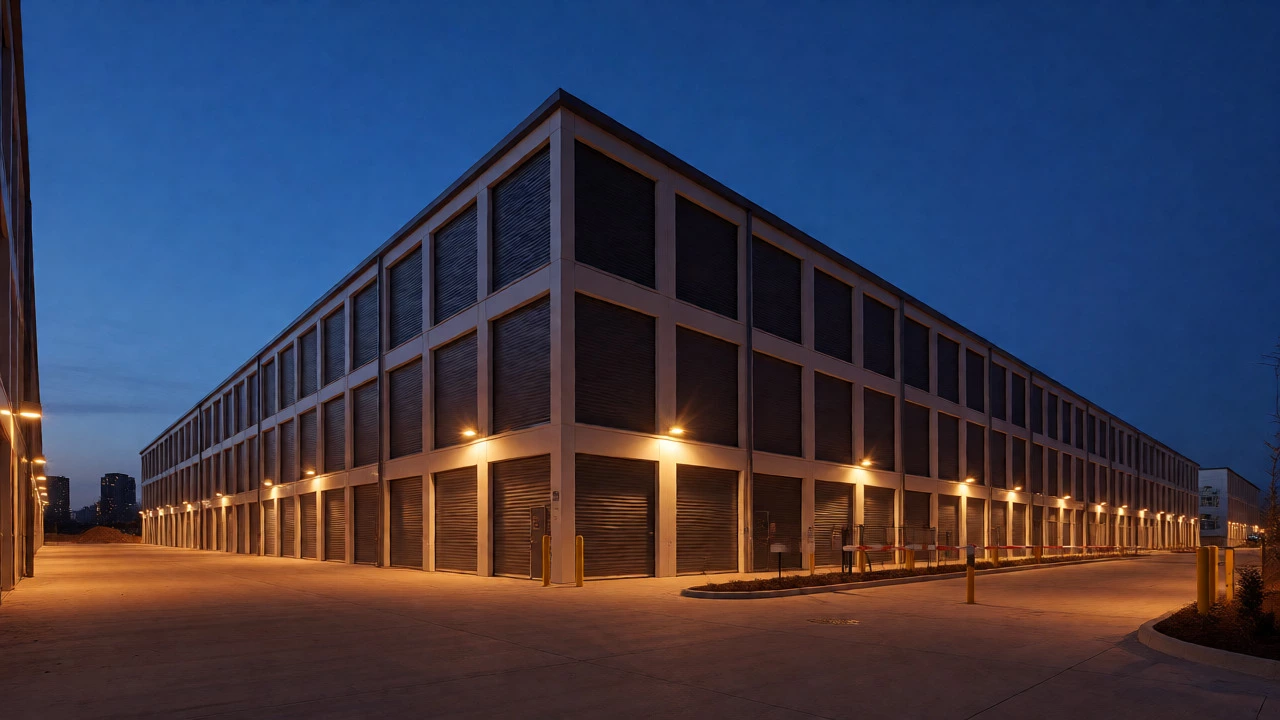
Here’s the first hard truth: location is everything. You aren’t just paying for square footage; you’re paying for real estate value. In London, a standard 5x5 foot unit might set you back £80-£120 per month. Move to Bristol, where I’m writing this from, and that same unit could drop to £45-£70. Head to rural Somerset, and you might find spaces for under £30. Why? Because land in central cities is scarce. Facilities in urban centers often build vertically (multi-story towers) to maximize space, increasing construction and maintenance costs. Rural units are usually single-story, open-air structures with lower overheads.
If you’re planning to move, don’t assume the facility nearest to your new flat is the cheapest. Sometimes driving ten minutes further out saves you 20% annually. Ask yourself: How often will I visit this unit? If it’s once a year to retrieve old tax documents, pay less and drive farther. If you’re using it as an overflow closet for seasonal clothes you need weekly, pay for proximity.
Size Matters: Calculating Your Square Footage
Overpaying for empty air is the most common mistake people make. A 10x10 unit feels small when you walk into it, but it holds the contents of a one-bedroom apartment comfortably. Yet, many renters book a 10x15 or even a 10x20 because they’re afraid of running out of room. That extra 5 feet can double your monthly bill.
Use the "box count" heuristic before booking. Here’s a rough guide:
- 5x5 ft (25 sq ft): Holds ~50 medium boxes. Good for business records, a few pieces of furniture, or student gear.
- 5x10 ft (50 sq ft): Holds ~100 boxes. Fits a studio apartment or a large wardrobe section.
- 10x10 ft (100 sq ft): Holds ~200 boxes. Standard for a one-bedroom home or office archives.
- 10x15 ft (150 sq ft): Holds ~300 boxes. Suitable for a two-bedroom house.
- 10x20 ft (200 sq ft): Holds ~400+ boxes. Equivalent to a three/four-bedroom house or a garage full of cars.
Pro tip: Pack tightly. Use vacuum bags for bedding and clothes. Disassemble furniture. If you stack properly, you can fit 20% more into a smaller unit. Measure your largest items (sofa, mattress) first. If they don’t fit standing up, you’ll waste floor space laying them down.
Climate Control: Do You Really Need It?
This is where budgets diverge sharply. Climate-controlled units maintain a temperature between 13°C and 21°C and regulate humidity. They typically cost 20-50% more than non-climate-controlled units. Is it worth it?
If you’re storing electronics, wooden furniture, leather goods, artwork, or important paper documents, yes. Humidity fluctuations cause wood to warp and metal to rust. In the UK, dampness is a genuine threat to stored items, especially in older, uninsulated buildings. However, if you’re storing plastic bins, garden tools, or non-sensitive clothing in a sealed container, you can save money by skipping climate control. Just ensure the facility is pest-free and dry. Check reviews specifically mentioning mold or leaks.
| Unit Size | Non-Climate Controlled (Monthly) | Climate Controlled (Monthly) | Best For |
|---|---|---|---|
| 5x5 ft | £30 - £45 | £45 - £65 | Records, Plastic Bins |
| 5x10 ft | £50 - £70 | £70 - £95 | Clothing, Small Furniture |
| 10x10 ft | £70 - £100 | £100 - £140 | Apartment Contents, Electronics |
| 10x20 ft | £120 - £160 | £160 - £220 | Household Goods, Vehicles |
Hidden Fees and Contract Traps
The advertised price is rarely the final price. Self-storage companies love add-ons. Here’s what to watch for:
- Admin Fee: Often charged upfront. Can range from £20 to £50. Some waive this during promotions.
- Insurance: Most facilities require proof of insurance. They offer their own policy for roughly 10-15% of your monthly rent. Alternatively, check if your home or renters insurance covers off-premises belongings. This is often cheaper and provides better coverage limits.
- Padlock Cost: Some places force you to buy their branded lock (£15-£25). Bring your own TSA-approved disc lock to avoid this.
- Late Fees: Read the fine print. Some charge £10-£20 per day after a grace period. Others impose a lien on your goods after 60 days of non-payment.
- Auto-Renewal: Many contracts auto-renew at a higher rate after the initial promo period ends. Set a calendar reminder to renegotiate or cancel before the renewal date.
Always ask: "What is the total cost for the first three months?" This reveals hidden fees immediately. Also, clarify the notice period for cancellation. Some require 30 days' written notice via email, not phone calls.
Short-Term vs. Long-Term Strategy
Your timeline changes the math. If you need storage for less than six months, look for "first month free" deals. These are common in competitive markets like Manchester or Birmingham. However, beware of steep price hikes after month one. Calculate the average monthly cost over six months to compare true value.
For long-term storage (over a year), negotiate. Managers have discretion. If you commit to 12 months, ask for a fixed rate. Locking in a price protects you from annual inflation adjustments, which can hit 5-10%. Conversely, if you’re unsure how long you’ll stay, month-to-month flexibility is worth a slight premium. Don’t sign a 12-month contract unless you’re certain you won’t need the stuff sooner.

Alternatives That Might Be Cheaper
Before renting a unit, consider these options:
- Renting a Room: If you have a spare bedroom, listing it on Airbnb might earn you more than it costs to store the items outside. But this requires hosting duties.
- Basement/Garage Rental: Platforms like Neighbor allow you to rent unused basement or garage space from homeowners. It’s often 30-50% cheaper than commercial facilities because there’s no overhead. Downside: less security and accessibility.
- Selling/Discarding: The best storage solution is no storage. If an item hasn’t been touched in two years, sell it on Facebook Marketplace or donate it. The mental load of remembering what’s in a box often outweighs the item’s monetary value.
Compare the annual cost of a 10x10 unit (£1,200-£1,600) against the potential resale value of your clutter. If you’re paying £1,500 a year to store £500 worth of old books, you’re losing money.
Checklist Before Signing
Walk through the facility. Smell the air-if it’s musty, walk away. Check lighting in hallways. Look for signs of pests (droppings, gnaw marks). Test the gate code system. Does it work smoothly at night? Ask current tenants about customer service experiences. Finally, take photos of your items inside the unit upon entry. This protects you against damage claims later.
Paying for storage is a personal finance decision. There’s no shame in paying for convenience, but there is pain in paying for inefficiency. Know your size, know your needs, and read the contract. Your wallet-and your peace of mind-will thank you.
Is it cheaper to rent a storage unit or a self-storage locker?
Generally, larger units have a lower cost per square foot. A 5x5 unit might cost £2.50 per sq ft, while a 10x20 unit might cost £1.20 per sq ft. However, small lockers are ideal for minimal needs. If you only have a few boxes, a locker prevents you from paying for unused space in a larger unit. Always calculate the total monthly cost, not just the rate per square foot.
Do I need insurance for my storage unit?
Yes, most facilities require proof of insurance. You can usually purchase their plan, but check your existing home or renters insurance policy first. Many policies cover belongings stored off-premises up to a certain limit (e.g., 10% of your total coverage). This is often cheaper and avoids duplicating coverage. Ensure your policy covers theft, fire, and water damage.
Can I change my unit size after moving in?
Most facilities allow upgrades or downgrades, subject to availability. Upgrading is usually easy if space is available. Downgrading can be trickier; some companies charge a transfer fee or require you to move your items yourself. Ask about the process and any associated fees before signing the initial contract.
Are storage units accessible 24/7?
Not always. Many facilities have limited access hours (e.g., 6 AM to 10 PM). 24-hour access is a premium feature and may cost extra. If you work irregular hours or need late-night access, verify the gate codes and security protocols. Some places use keypad entry, others use key fobs or smartphone apps.
What happens if I stop paying for storage?
If you miss payments, the facility will send notices. After a specific period (usually 30-60 days), they may place a lien on your goods. This means they can auction off your items to recover unpaid rent. Auctions are public events, and you lose all rights to your belongings. Always communicate with management if you’re facing financial difficulties; they may offer payment plans.