
Medicare Recliner & Cushion Coverage Checker
Answer the questions below to see if your specific situation might qualify for Medicare Part B coverage (Durable Medical Equipment). This is an estimation tool, not a guarantee of payment.
1. Chair Type & Features
2. Medical Necessity
Estimated Outcome
Calculating...Why this result?
Financial Estimate
--
Based on typical Part B coinsurance after deductible.Next Steps
- Review requirements
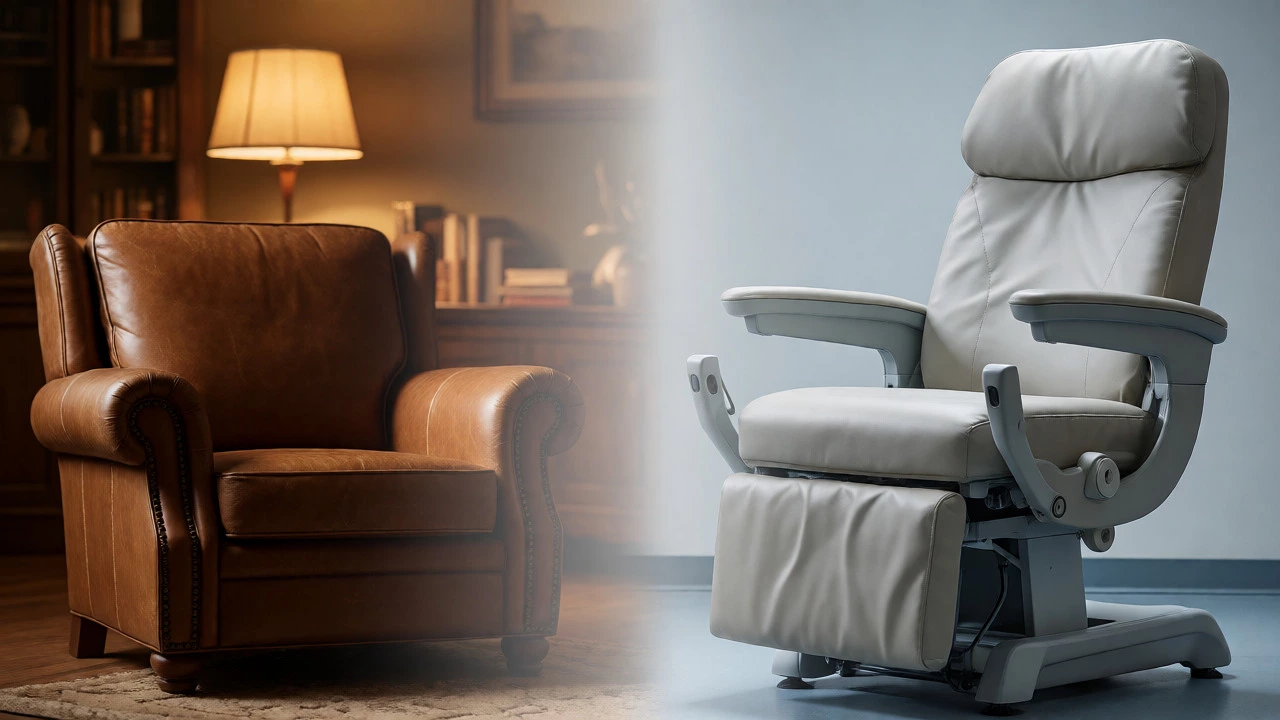
Most people assume Medicare covers every piece of furniture that looks comfortable. That is not how it works. If you buy a plush leather recliner from a department store because your back hurts, you will likely pay the full price out of pocket. Medicare does not cover comfort; it covers medical necessity. However, if your doctor determines that a specific type of recliner chair is essential for treating a diagnosed condition, you might qualify for financial help. The key lies in understanding what makes a chair "medical" versus just "furniture," and how accessories like therapeutic cushions play a role in getting approved.
The Difference Between Furniture and DME
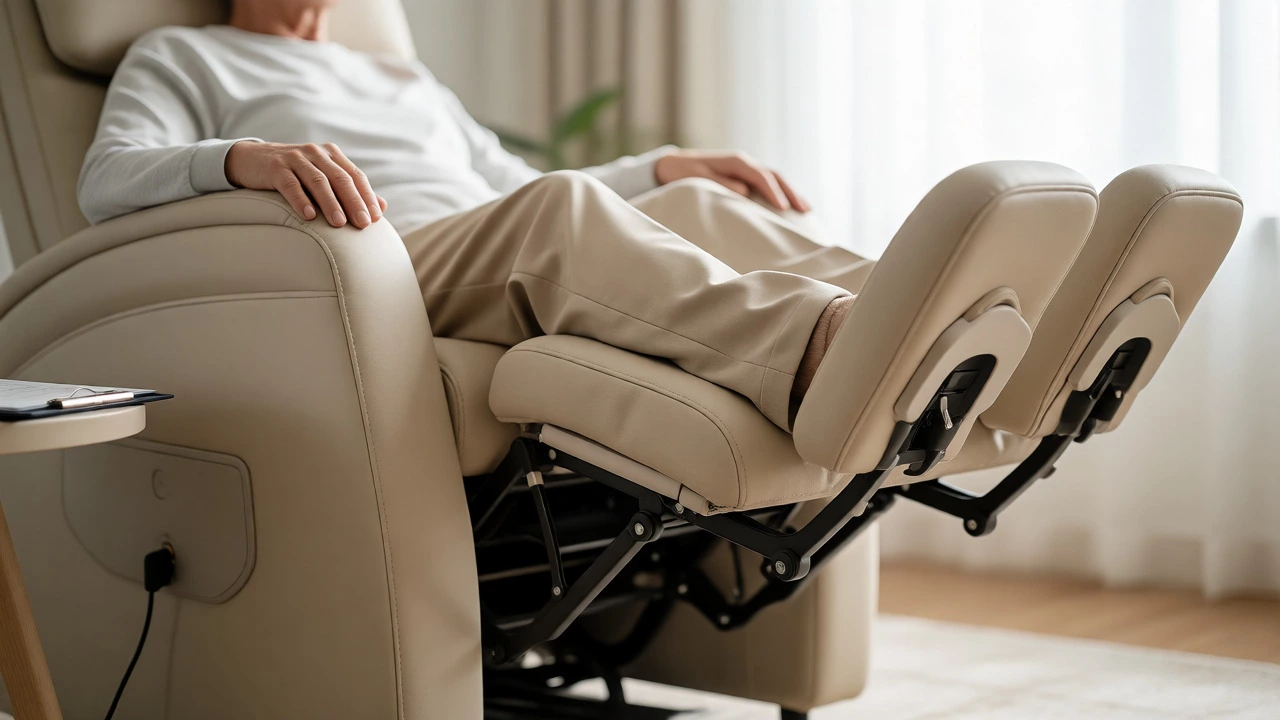
Durable Medical Equipment (DME) is the official term Medicare uses for devices that withstand repeated use, serve a medical purpose, and are generally not useful to someone without an illness or injury. A standard living room recliner fails this test because healthy people use them too. To get Medicare to pay, the chair must be classified as a medical device. This usually means it needs specific features that aid in treatment, such as elevating leg rests to reduce swelling, specialized support for spinal issues, or mechanisms that assist with mobility due to muscle weakness.
You cannot simply tell Medicare you want a new chair. You need documentation. Your healthcare provider must write a detailed order stating exactly why you need the equipment. Vague notes like "back pain" are rarely enough. Specific diagnoses, such as lymphedema, severe arthritis, or post-surgical recovery requirements, carry more weight. The provider must explain how the recliner directly treats the condition. For example, if you have poor circulation in your legs, the chair’s ability to elevate your feet above heart level is a medical function, not a luxury.
Which Parts of Medicare Cover Recliners?
Original Medicare (Part A and Part B) handles most of these claims. Medicare Part B covers outpatient care and DME. If you have a Medigap policy or a Medicare Advantage plan (Part C), the rules can shift slightly. Medicare Advantage plans often offer extra benefits, sometimes including allowances for non-covered items, but they also have stricter networks. Always check your specific plan documents before making a purchase decision.
Under Part B, you typically pay 20% of the Medicare-approved amount after meeting your annual deductible. Medicare sets a "fee schedule" for DME. If the supplier charges more than this approved amount, you pay the difference unless the supplier accepts assignment. Choosing a supplier who accepts assignment is crucial to keeping costs predictable.
The Role of Therapeutic Cushions and Accessories
This is where many applicants get confused. Medicare rarely covers the entire cost of a high-end power recliner. Often, they cover the base chair mechanism if it meets strict criteria, but they may only cover specific add-ons separately. Therapeutic cushions are frequently prescribed alongside recliners for patients at risk of pressure ulcers (bedsores) or those needing spinal alignment.
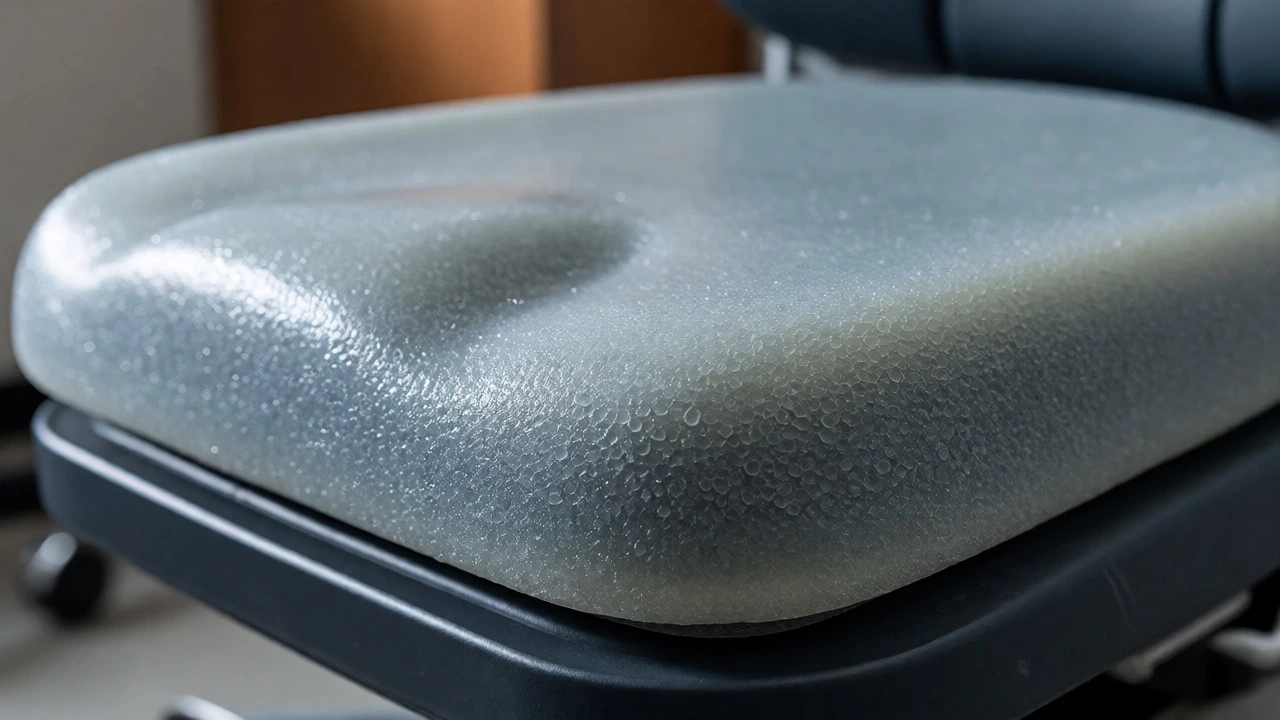
A standard foam cushion is considered general health and wellness, so it is not covered. However, a custom-molded seat cushion or a gel-foam hybrid designed to redistribute pressure for a patient with limited mobility is different. These are coded differently under HCPCS (Healthcare Common Procedure Coding System). If you already have a recliner that isn't covered, buying a Medicare-approved therapeutic cushion might still be reimbursable. It helps manage pain and prevents skin breakdown, which are valid medical outcomes.
| Item Type | Coverage Status | Key Requirement | Patient Cost |
|---|---|---|---|
| Standard Power Recliner | Generally Not Covered | Used for comfort/living room use | 100% Out-of-Pocket |
| Medical Recliner (Elevating Legs) | May Be Covered | Doctor's note citing edema/circulation | 20% Coinsurance |
| Basic Foam Cushion | Not Covered | General comfort item | 100% Out-of-Pocket |
| Custom Pressure Relief Cushion | Often Covered | Risk of pressure ulcers/paralysis | 20% Coinsurance |
Step-by-Step Process to Get Approved
Getting approval is a bureaucratic process. Follow these steps carefully to avoid rejection.
- Visit your doctor: Schedule an appointment specifically to discuss your mobility and pain issues. Do not just ask for a prescription; ask for a "Letter of Medical Necessity."
- Get the right diagnosis codes: Ensure your doctor uses ICD-10 codes that align with DME coverage. Codes related to circulatory disorders, musculoskeletal limitations, or neurological conditions are stronger than generic pain codes.
- Select a Medicare-approved supplier: Not all furniture stores accept Medicare. Look for suppliers listed in the Medicare Supplier Directory. They must be enrolled in Medicare and willing to handle the paperwork.
- Submit the claim: The supplier usually handles this, but verify they have submitted the prior authorization request if required by your plan.
- Review the quote: Before delivery, ask for a written estimate showing the Medicare-approved amount, your deductible status, and your 20% coinsurance.
Common Reasons for Denial
Denials happen more often than approvals. Here is why claims get rejected and how to fix them.
- Lack of specificity: The doctor wrote "patient needs chair for comfort." Change this to "patient requires elevating leg rest to manage bilateral lower extremity edema."
- Wrong supplier: Buying from a non-participating vendor means no Medicare reimbursement. Always verify enrollment status first.
- Non-medical features: Features like cup holders, heat, or massage functions are almost never covered. If the chair has these, Medicare may deny the whole claim or only pay for the basic mechanical parts. Consider buying a simpler medical-grade chair and adding aftermarket accessories.
- Missing face-to-face exam: For certain DME items, Medicare requires that you had a face-to-face visit with the prescribing physician within six months prior to the order date. Without this visit documented, the claim is invalid.
Alternatives When Medicare Says No
If your application is denied, do not lose hope. There are other ways to fund a quality recliner. Many state Medicaid programs have different rules and may cover items Original Medicare denies. Check with your local Area Agency on Aging. They often know about grants for seniors needing home modifications or medical furniture.
Veterans Affairs (VA) benefits also provide options for eligible veterans. The VA may cover recliners if they are part of a comprehensive care plan for service-connected disabilities. Additionally, some private insurance policies offer riders for alternative therapies or home health equipment that Medicare excludes. Always compare the total cost of ownership, including maintenance and warranty, when choosing between a fully covered basic model and a partially covered premium model.
Maintaining Your Medical Recliner
Once you have your chair, keep it clean and functional. Medicare considers DME reusable. If you break it, repairs might be covered if the unit is still under warranty or if the repair is medically necessary. Keep receipts and service records. If you move or change doctors, update your DME supplier immediately. Incorrect billing information is a leading cause of payment delays.
For cushions, hygiene is critical. Custom cushions can harbor bacteria if not cleaned properly. Follow the manufacturer's cleaning instructions strictly. Some covers are machine washable; others require spot cleaning. Damaged cushions can lead to skin infections, which creates a new medical problem-and potentially a new claim opportunity for replacement equipment.
Does Medicare cover electric recliners?
Medicare generally does not cover the electric motor component of a recliner solely for convenience. However, if the electric lift mechanism is necessary for a patient to stand up independently due to muscle weakness or joint pain, it may be considered part of the medical necessity. You must have a doctor's order specifying that manual operation is not feasible for the patient.
Can I buy a recliner online and get reimbursed?
It is risky. Medicare requires purchases from suppliers who accept assignment and are enrolled in Medicare. Most online retail giants are not set up for Medicare DME billing. If you buy from a standard retailer, you will likely pay 100% out of pocket. Stick to medical supply companies or pharmacies that explicitly state they bill Medicare.
Are seat cushions covered separately from the chair?
Yes, therapeutic seat cushions are billed under separate HCPCS codes (like E0697 for custom-molded cushions). They can be covered even if the chair itself is not, provided the patient has a qualifying condition such as paralysis, severe arthritis, or history of pressure sores. The cushion must be deemed medically necessary by a physician.
What if my doctor says no?
You can seek a second opinion from another physician. If both doctors agree the chair is needed but Medicare denies it, you have the right to appeal. Start with a Redetermination request through your Medicare Administrative Contractor (MAC). Include additional evidence, such as physical therapy notes showing improvement when using a similar elevated position.
Does Medicare Advantage cover better than Original Medicare?
Sometimes. Medicare Advantage plans are allowed to offer supplemental benefits that Original Medicare does not cover, such as over-the-counter allowances or fitness memberships. Some plans include a small stipend for home safety equipment. However, they often have tighter restrictions on which suppliers you can use. Always review your Summary of Benefits for the current year.