
Curtain Length Calculator
Find the perfect curtain length for that expensive, high-end look. The ideal length depends on your window size and style preferences. Input your measurements below to get accurate results.
Everyone wants their windows to look like they belong in a high-end interior design magazine. But here’s the truth: you don’t need to spend thousands on custom drapes to get that rich, layered, expensive look. It’s all in the details-things most people overlook. The fabric matters, sure, but so does how you hang them, how long they are, and even the color of the rod. I’ve seen people spend £80 on a pair of curtains from a big-box store and turn them into the centerpiece of a room with just three simple changes. Let me show you how.
Choose the Right Fabric
Not all fabrics scream luxury, but some do it naturally. Avoid thin polyester blends that look shiny and cheap under daylight. Instead, look for materials with weight and texture. Linen, velvet, and silk blends are the top three. Linen has that relaxed, lived-in elegance. Velvet catches light in a way that makes any room feel warmer and more intimate. And silk blends? They shimmer just enough without looking gaudy.
Here’s a trick: hold the fabric up to the light. If you can see your fingers through it, it’s too thin. Good curtain fabric should block about 70% of light without being blackout-heavy. You want soft diffusion, not a prison cell. And never buy curtains without feeling the weight. A good pair of floor-length curtains in velvet should feel substantial-like they’re meant to drape, not flutter.
Hang Them Higher and Wider
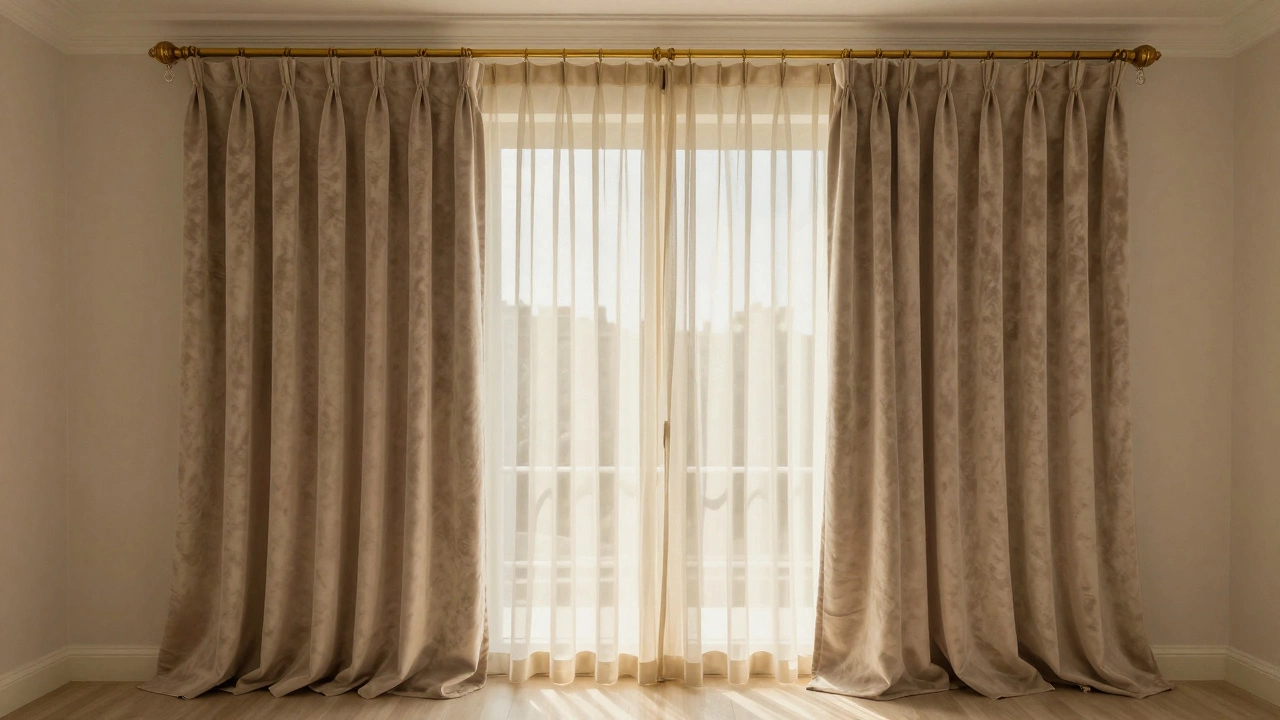
This is the single biggest mistake people make. They hang curtains right above the window frame. That makes the window look smaller and the room feel cramped. The fix? Mount the rod at least 4 to 6 inches above the top of the window. If you have crown molding, hang it right under that. It instantly makes ceilings feel taller.
And don’t stop there. Extend the rod 6 to 12 inches beyond each side of the window. This creates the illusion of a wider window, which makes the whole room feel more spacious. When the curtains are open, they’ll sit neatly beside the window instead of blocking natural light. I’ve seen this one change turn a dingy bedroom into a bright, airy retreat-no new paint needed.
Use the Right Length
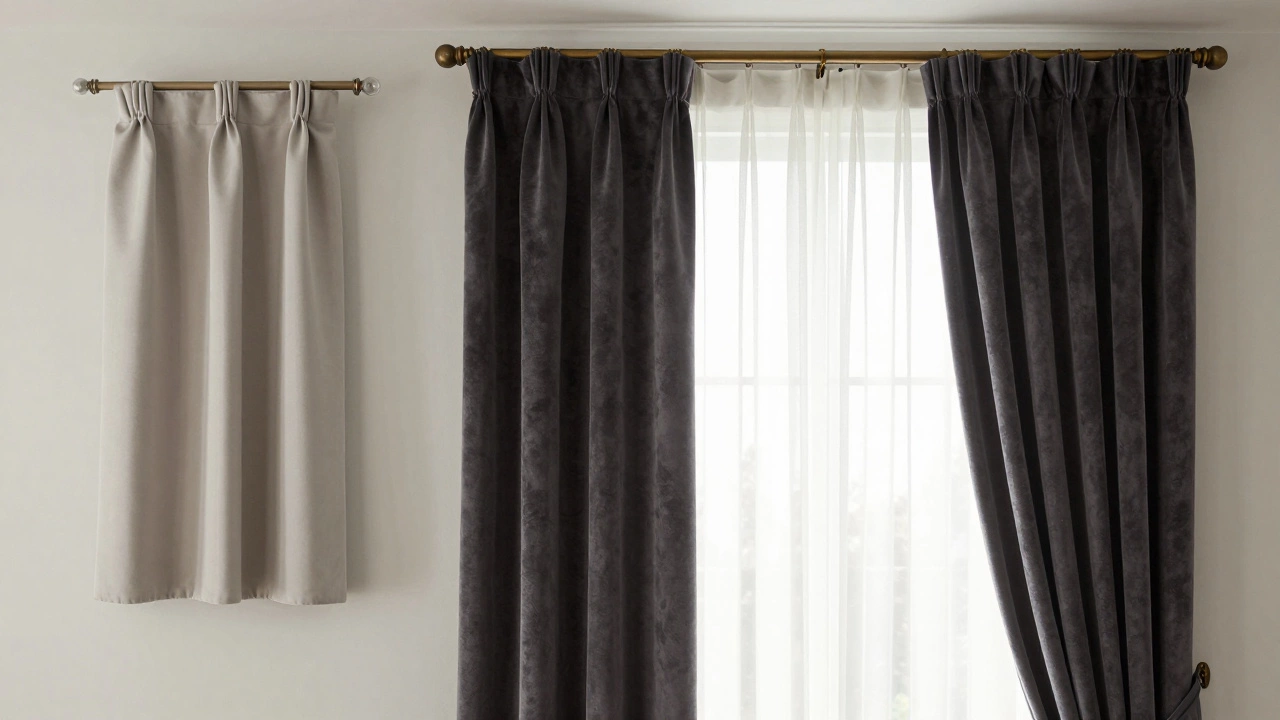
Short curtains are the quickest way to make a room look dated. Even if your windows are small, go for floor-length. The ideal length? Just barely kissing the floor-about a quarter inch above it. This creates a clean, elegant line. If the fabric pools slightly, that’s fine too, but only if it’s a heavy material like velvet. Pooling on lightweight fabric looks sloppy.
Here’s what most people don’t realize: curtains that stop mid-wall look like they’re hiding something. They draw attention to the window’s size, not its beauty. Floor-length curtains, on the other hand, lead the eye down and create a sense of calm. It’s why luxury hotels always do it this way.
Invest in a Quality Rod
A flimsy plastic or thin metal rod ruins even the best fabric. You need a rod that looks like it belongs with your curtains. Go for brushed brass, matte black, or oil-rubbed bronze. Avoid chrome unless your whole room is industrial. The diameter matters too-go for at least 1.5 inches thick. Thicker rods hold heavy fabrics better and look more substantial.
And here’s a pro tip: use decorative finials. Those end caps aren’t just for show. A simple ball, crystal, or carved wooden finial adds personality. I’ve seen people spend £20 on a rod and £150 on fabric, then use a £5 plastic rod from the hardware store. The result? A mismatch that screams “I tried.” Don’t let your rod be the weak link.
Add Layers
One panel of fabric? That’s a basic window covering. A layered look? That’s luxury. Start with a sheer underlayer-think linen or voile-for soft daylight filtering. Then hang your main curtain panel behind it. When the sun hits, you get that beautiful glow. At night, pull the sheers closed for privacy, or keep them open to let the heavier curtain take center stage.
Some people add a third layer: a blackout liner behind the main curtain. It’s not just for sleep-it adds depth and structure. The liner keeps the curtain from fading in sunlight and helps it hold its shape. You can buy ready-made lined curtains, or sew a liner in yourself. Either way, it’s worth it.
Use the Right Hardware
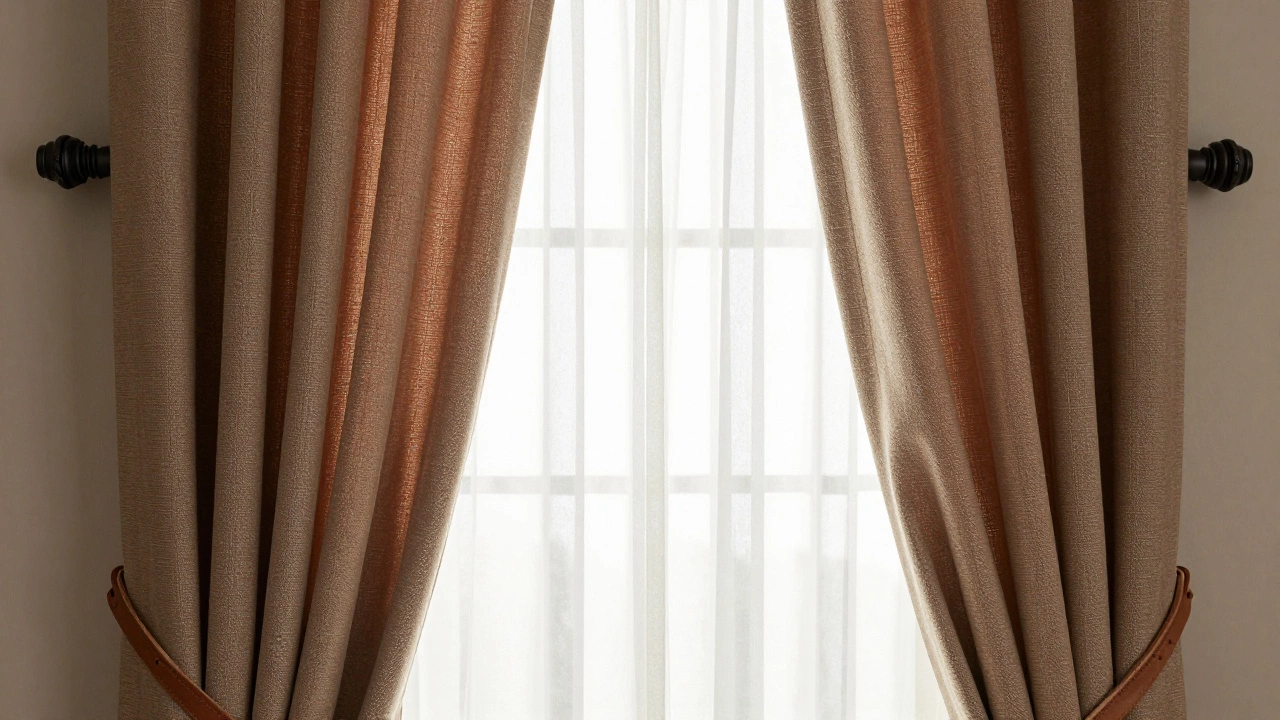
It’s not just about the rod. The way you hold the curtains open matters. Tiebacks made from thick rope, leather, or even braided silk elevate the whole setup. Avoid cheap plastic or plastic-coated metal ones. They look like they came with a kids’ room set.
And don’t forget the rings or tabs. If your curtains have grommets, make sure they’re metal, not plastic. If they’re tab-top, the tabs should be wide enough to cover the rod fully. Sewn-in tabs that are too narrow make the curtain look like it’s slipping off. And if you’re using pinch pleats, they should be evenly spaced and crisp-not saggy or uneven.
Keep Them Clean and Pressed
Even the most expensive curtains look cheap if they’re dusty or wrinkled. Wash or dry clean them at least once a year. If you’re not sure how, check the label. Some fabrics can be steamed; others need professional care. A quick steam before hanging them back up removes creases and restores the drape.
And vacuum them regularly-use the brush attachment on your vacuum. Dust settles on fabric faster than you think. After a few months, that velvet you loved starts to look dull. A quick pass every few weeks keeps it looking new.
Color and Pattern Matter More Than You Think
Neutrals like charcoal, cream, and deep navy always read as expensive. They’re timeless. Bold patterns can work too-but only if they’re subtle. A small-scale damask, a faint geometric, or a tonal stripe adds texture without overwhelming. Avoid large florals or loud prints unless your whole room is designed around them.
Here’s a trick I use: match the curtain color to your walls, but one shade darker. That creates depth without contrast. Or go one shade lighter than your sofa. It ties the room together without shouting. I’ve had clients come back saying, “I didn’t even realize the curtains were the reason the room feels so put together.” That’s the goal.
Don’t Forget the Bottom Edge
That hem matters more than you’d think. A crooked or uneven hem looks sloppy. Even if your curtains are store-bought, take them to a tailor or dry cleaner and have them professionally hemmed. It costs £15-£30, but it’s the difference between “bought this at a sale” and “designed by a pro.”
If you’re DIY-inclined, use a blind hem stitch. It’s invisible from the front. Don’t just fold and sew-it’ll bulge. And never use fusible tape on heavy fabrics. It’ll come loose after a few washes.
Seasonal Swaps Make a Difference
Switching curtains with the seasons isn’t just practical-it’s a luxury habit. In winter, use heavier fabrics like velvet or wool blends. In summer, go for light linen or cotton. It changes the whole feel of the room without any renovation.
People think this is extra work. But if you keep your old curtains clean and stored properly, you can swap them in 20 minutes. It’s like changing your wardrobe. And it keeps your space feeling fresh and intentional.
| Element | What to Do | What to Avoid |
|---|---|---|
| Fabric | Velvet, linen, silk blends | Thin polyester, shiny plastics |
| Hanging Height | 4-6 inches above window | Right at window frame |
| Length | Just above floor or slight pool | Mid-calf or too short |
| Rod | 1.5-inch diameter, metal finish | Plastic, thin chrome |
| Layers | Sheer + main panel + optional liner | Single panel only |
| Hem | Professionally sewn, even | Hand-stitched, uneven, fusible tape |
Why This Works: The Psychology of Luxury
It’s not magic. It’s design psychology. Humans associate height with grandeur, weight with quality, and soft light with comfort. When you hang curtains high and wide, your brain reads it as “expensive space.” When the fabric drapes smoothly, your brain thinks “tailored.” When the rod looks solid, your brain assumes the whole thing was custom-made.
Studies in environmental psychology show that people rate rooms with floor-to-ceiling window treatments as 37% more luxurious than those with short curtains-even when the furniture and paint are identical. It’s not about the price tag. It’s about the cues your eyes pick up without even noticing.
Common Mistakes (And How to Fix Them)
- Mistake: Buying curtains that are too short. Fix: Measure from rod to floor and add 1 inch. Order custom length if needed.
- Mistake: Using the same rod for sheers and heavy curtains. Fix: Install two rods-one for sheers, one for main panels.
- Mistake: Ignoring the back of the curtains. Fix: Choose curtains with a finished back. No raw edges showing when open.
- Mistake: Not cleaning them before hanging. Fix: Steam or dry clean new curtains before installation.
Can I make cheap curtains look expensive without replacing them?
Yes. Start by upgrading the rod and hanging them higher and wider. Add a sheer layer behind them if possible. Steam them to remove wrinkles and trim the hem if they’re too long. Even a simple change like this can make a huge difference.
What’s the cheapest way to get luxury-looking curtains?
Buy plain, floor-length linen or cotton panels on sale-often under £40 a pair. Then invest £25 in a thick metal rod and £15 in professional hemming. Add tiebacks and hang them 6 inches above the window. You’ve spent under £100 and got a look that costs thousands.
Should I match my curtains to my walls or my furniture?
Match them to neither. Instead, pick a color one shade darker than your walls or one tone lighter than your sofa. This creates harmony without being matchy-matchy. Neutrals like taupe, charcoal, or oatmeal work best for this.
Do I need blackout lining for every curtain?
No. Only use it in bedrooms or media rooms. In living areas, it kills the natural light and makes the space feel closed off. A light thermal liner is enough for insulation and drape without blocking the sun.
How often should I replace my curtains?
If you care for them-clean them, avoid direct sun, and steam them-you can keep curtains for 8-10 years. But many people swap them every 3-5 years just to refresh the room’s feel. That’s fine too. It’s like changing your sofa cover.
Final Thought: It’s About Intention
Expensive-looking curtains aren’t about the price. They’re about care. Every detail-from how high you hang them to how you fold them at the end of the day-adds up. People notice when something feels intentional. They don’t notice the cost. So skip the flashy labels. Focus on the quiet details. That’s what makes a room feel like it was designed, not just decorated.