
Tiny House Space Optimizer
Answer these quick questions to see how well you are utilizing your tiny home's potential and get specific recommendations.
Your Space Efficiency Score:
--Personalized Tips for You:
You just bought the keys to your dream tiny home. It’s charming, efficient, and probably about 200 square feet of pure potential. Then reality hits: where do you put the vacuum? The winter coats? That stack of books you swear you’ll read someday? In a tiny house, every inch counts, and bad organization feels like living in a closet. But here’s the good news-maximizing space isn’t about cramming more stuff into fewer corners. It’s about smart design choices that make your home feel twice as big.
The secret lies in three core strategies: going vertical, using multi-purpose furniture, and ruthlessly editing what you own. You don’t need a renovation budget to start. Sometimes, it’s just about changing how you look at empty walls or underutilized nooks. Let’s break down exactly how to reclaim your space without turning your home into a Tetris game.
Think Up, Not Out: Vertical Storage Strategies
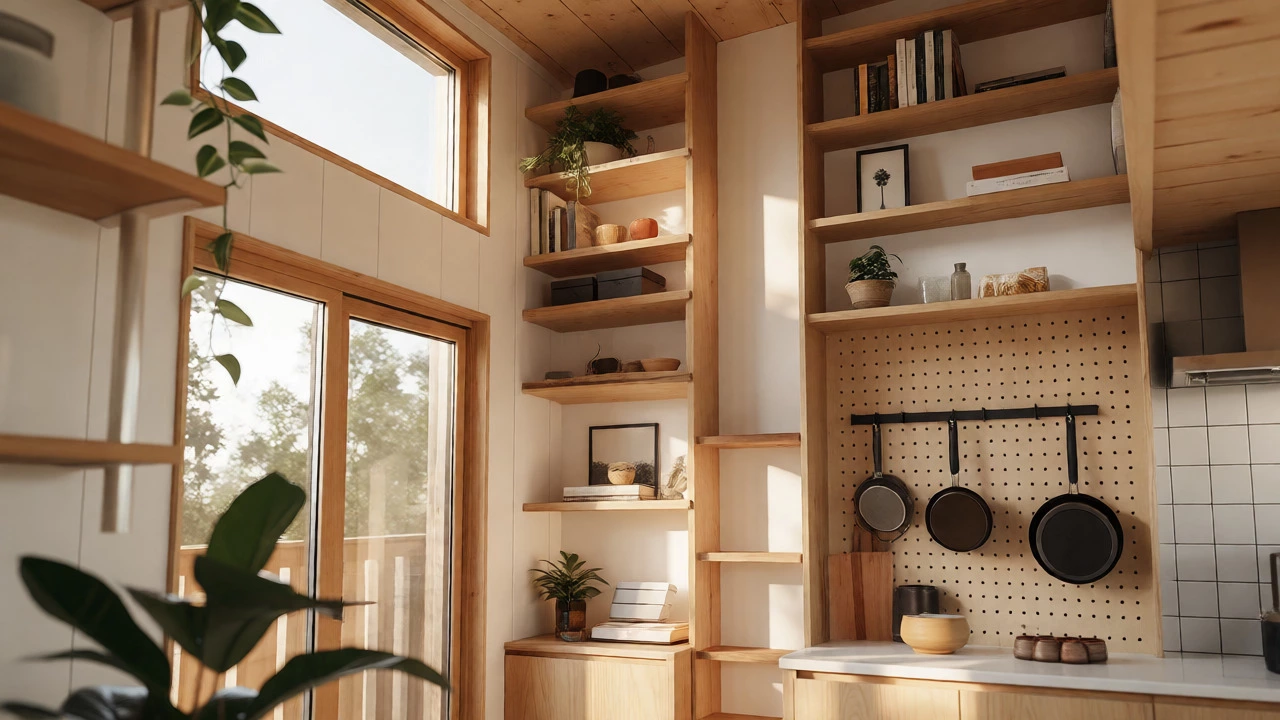
When floor space is limited, the only direction left to go is up. Most people ignore wall height, but in a tiny house, those upper walls are prime real estate. Instead of standard bookshelves that stop at eye level, install floor-to-ceiling shelving units. This draws the eye upward, making ceilings feel higher while storing everything from spices to seasonal gear.
Vertical storage also includes hanging solutions. Use pegboards in the kitchen for pots and pans, freeing up cabinet doors. In the bathroom, magnetic strips can hold knives, tools, or even jewelry on bare metal surfaces. If you have a loft area, utilize the sloped ceiling edges with custom-fitted cabinets that follow the roofline. These tight spots often go wasted, but they’re perfect for flat items like linens or documents.
- Pegboards: Customizable and easy to rearrange as needs change.
- Magnetic strips: Ideal for metallic tools and kitchen essentials.
- Hanging organizers: Over-the-door racks for shoes, cleaning supplies, or toiletries.
- Ceiling mounts: Great for bikes, kayaks, or rarely used sports equipment.
Furniture That Works Double Duty
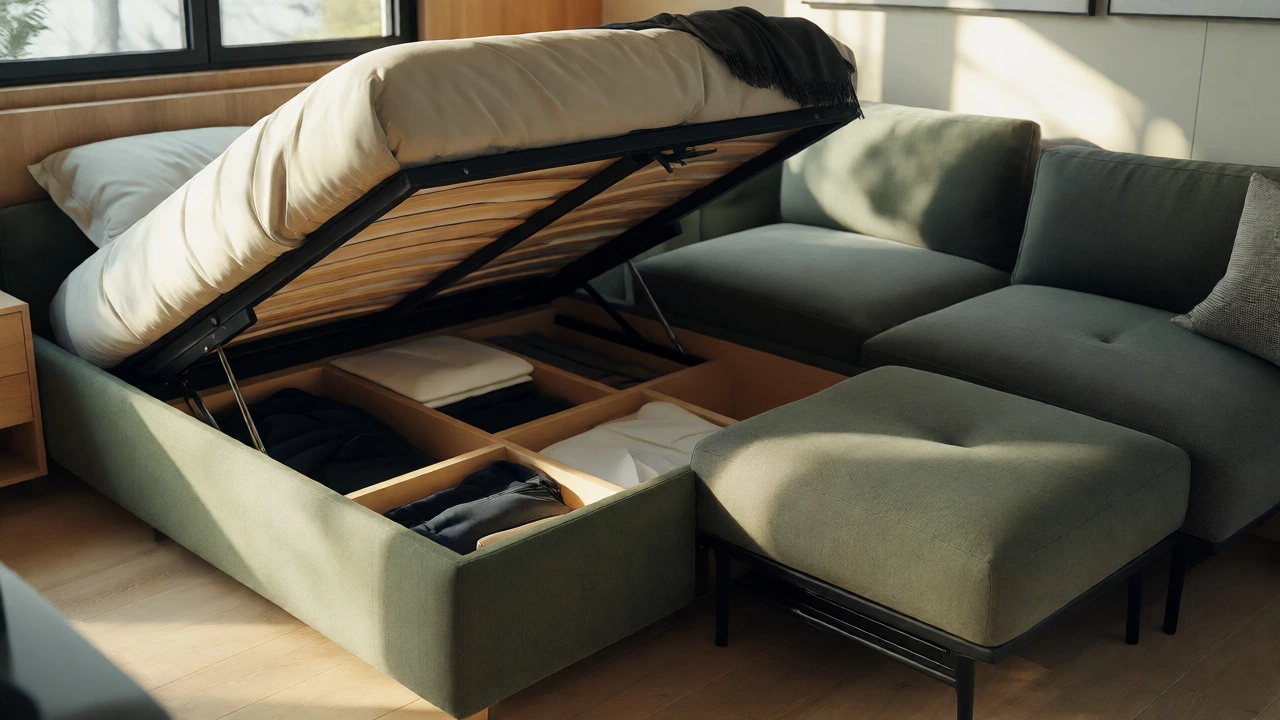
In a traditional home, you might buy a sofa, then a coffee table, then an ottoman. In a tiny house, each piece must earn its keep by doing at least two jobs. Multifunctional furniture is non-negotiable. A bed should lift up to reveal deep storage drawers underneath. A dining table should fold against the wall when not in use or expand to seat six guests for holidays.
Consider modular systems. Modular sofas can be rearranged to fit different room configurations or split into individual seats. Stackable stools serve as seating, side tables, or steps to reach high shelves. When shopping for new pieces, always ask: "What else can this do?" If the answer is "nothing," leave it on the showroom floor.
| Furniture Type | Primary Function | Secondary Function | Space Saved |
|---|---|---|---|
| Ottoman with Storage | Seating/Footrest | Hides blankets, remotes, toys | High (replaces side table + bin) |
| Murphy Bed | Sleeping | Folds away to create floor space | Very High (frees entire bedroom zone) |
| Nesting Tables | Surface area | Stacks compactly when unused | Medium (flexible layout) |
| Bench with Lift Top | Entryway seating | Stores shoes and outdoor gear | High (eliminates shoe rack) |
The Art of Decluttering: Less Is More
No amount of clever shelving will fix a hoarding problem. The most effective way to maximize space is to simply have less stuff. This sounds obvious, but it’s psychologically tough. We attach memories to objects, fearing we’ll regret getting rid of them. However, in a tiny house, clutter creates visual noise that makes rooms feel cramped and chaotic.
Adopt the "one-in, one-out" rule. For every new item you bring home, remove an old one. Try the 90/90 rule: if you haven’t used an item in the last 90 days, and you won’t use it in the next 90, let it go. Digitalize paperwork, photos, and music to eliminate physical media stacks. Be honest about duplicates. Do you really need three can openers? Probably not.
Remember, storage solutions often encourage accumulation because they give us a place to hide things. Before buying another basket or box, ask yourself if you actually need the item stored there, or if you can part with it entirely.
Hidden Spaces and Underutilized Nooks
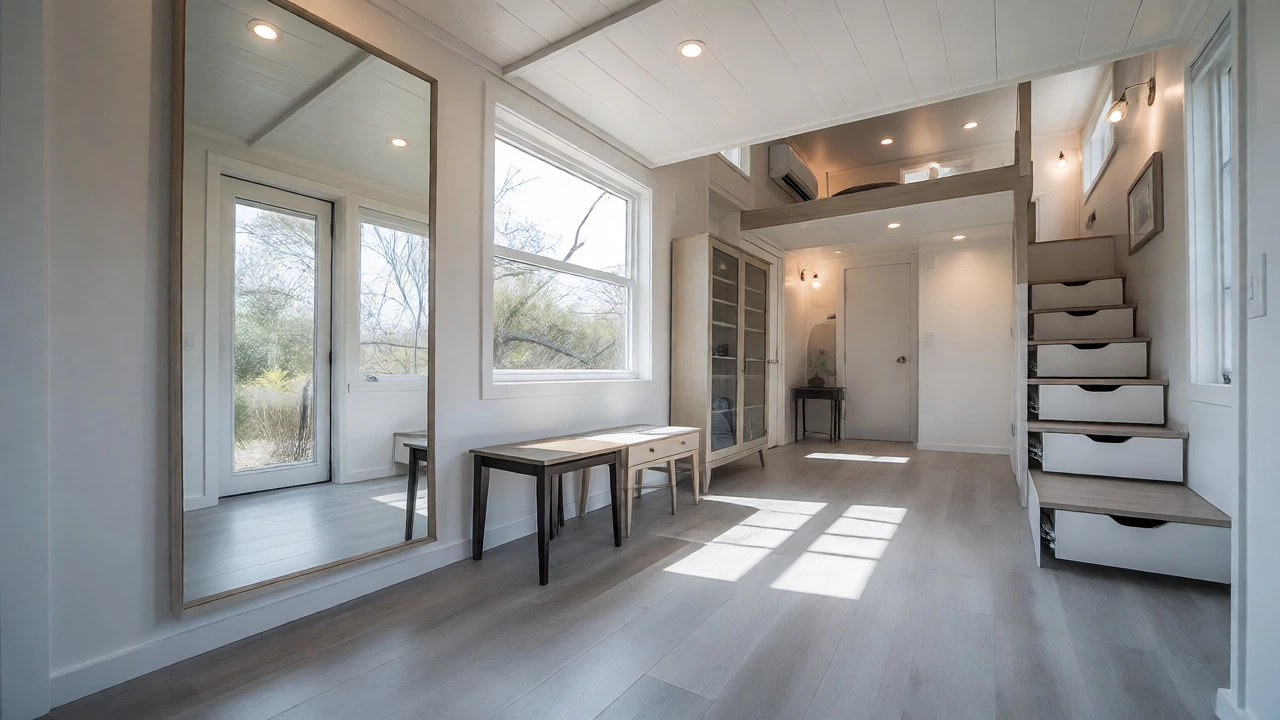
Tiny homes are full of hidden pockets that standard builders overlook. Stairs leading to a loft, for instance, can be built with pull-out drawers in each step. This turns dead space into accessible pantry or linen storage. Under-window sills can become shallow cubbies for plants or books. Even the space above doorways can hold narrow shelves for infrequently used items.
Kitchens are particularly tricky. Install toe-kick drawers beneath base cabinets. These are usually ignored but offer surprising capacity for flat items like baking sheets or cutting boards. Use tension rods inside cabinets to hang spray bottles or create dividers for lids. In closets, double-hang rods allow you to store shirts and pants in the same footprint.
Visual Tricks to Expand Perception
Physical space is finite, but perceived space is flexible. You can trick your brain into feeling like your home is larger than it is. Light colors reflect light, making rooms airier. White, cream, or pale gray walls help boundaries recede. Mirrors amplify natural light and create depth; placing a large mirror opposite a window doubles the view outside.
Keep sightlines clear. Avoid blocking windows with tall furniture. Low-profile pieces allow eyes to travel across the room uninterrupted. Glass-fronted cabinets or open shelving prevent the heavy, enclosed feeling of solid wood doors. Consistent flooring throughout the home also helps spaces flow together rather than feeling chopped up into small boxes.
Outdoor Living as Indoor Extension
If your tiny house has a deck or patio, treat it as an extra room. Store outdoor cushions in waterproof benches during the day. Keep grilling tools in a weatherproof chest outside rather than taking up indoor closet space. During warm months, move dining outdoors to free up interior floors for hobbies or work.
This approach reduces the pressure on indoor storage. By extending your living area outward, you reduce the need for bulky indoor alternatives. Just ensure any outdoor storage is secure and weather-resistant to avoid bringing dampness or pests inside.
Is it worth investing in custom cabinetry for a tiny house?
Yes, if your budget allows. Custom cabinets fit awkward angles and odd dimensions perfectly, eliminating wasted gaps common with stock units. However, DIY modifications to standard IKEA-style cabinets can achieve similar results at half the cost.
How many clothes should I own in a tiny house?
There is no magic number, but most tiny homeowners thrive with a capsule wardrobe of 30-40 items. This includes tops, bottoms, layers, and accessories. Rotating seasonal items off-site or in vacuum-sealed bags under the bed helps maintain manageability.
Do mirrors really make small rooms look bigger?
Absolutely. Mirrors bounce light around the room and create an illusion of depth. Placing a large mirror on a wall perpendicular to a window reflects the outdoors, effectively doubling the visual space and brightness.
What is the best way to store shoes in a tiny entryway?
Use over-the-door organizers or slim vertical shoe racks behind the entry door. Alternatively, build a bench with internal compartments for daily wear shoes and store seasonal pairs in bins under the bed or in a dedicated closet.
Should I use baskets or bins for organization?
Bins are better for uniformity and stacking, especially in visible areas like open shelves. Baskets add texture and warmth but can look messy if overstuffed. Choose bins with labels for clarity and ease of retrieval.