
Wardrobe Space Calculator
How Many Clothes Do You Have?
Enter your current number of clothing items to calculate potential space savings
Your Results
Based on UK home storage standards
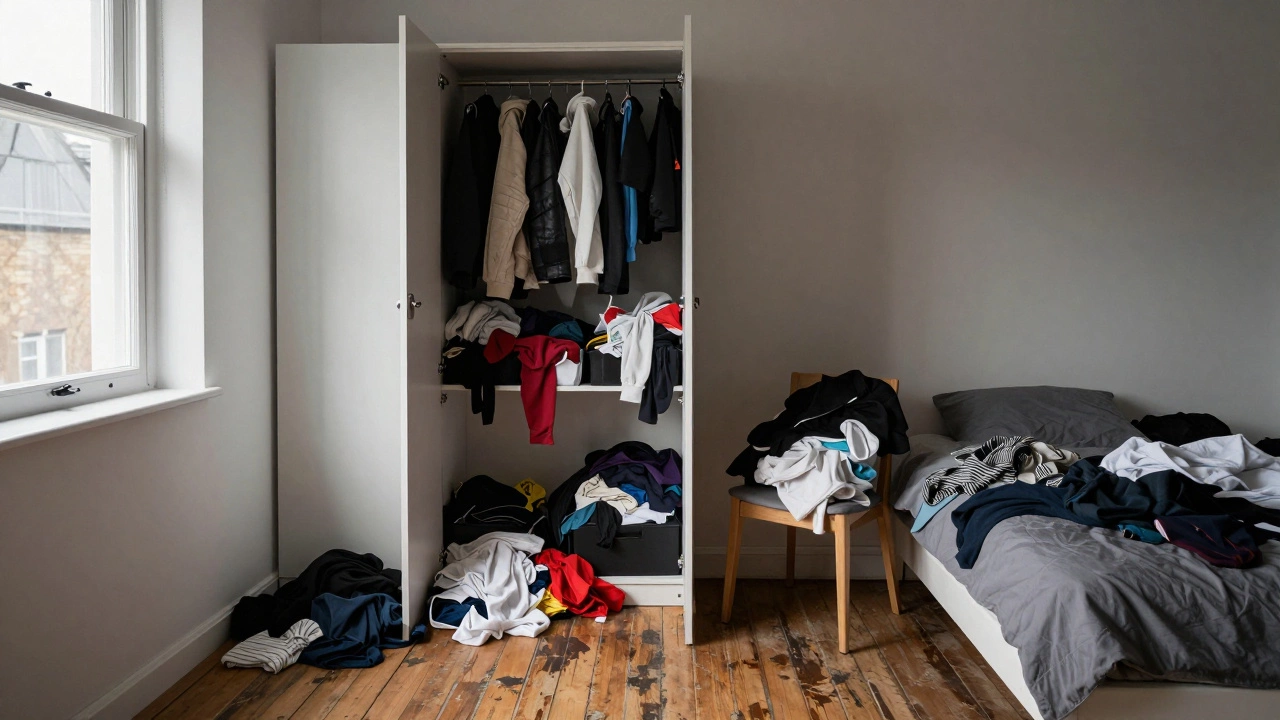
Ever opened your closet and felt like you’re drowning in clothes-even though you’ve worn half of them this year? You’re not alone. In UK homes, the average person owns over 150 items of clothing, but most wardrobes only have space for 60-80. That gap? It’s where the stress lives. If you’re living in a flat in Bristol, sharing a room, or just squeezed into a studio apartment, you don’t need more space-you need smarter ways to use what you’ve got.
Start by sorting, not just stuffing
Before you buy a single bin or hook, take everything out. Yes, everything. Lay it on the bed, the floor, even the dining table. This isn’t about being dramatic-it’s about seeing what you actually own. You’ll find things you forgot you had, things you swore you’d wear again, and things that haven’t seen daylight since 2021. Go through each item and ask: Have I worn this in the last 12 months? If the answer’s no, it’s not storage-it’s clutter. Donate it, sell it, or recycle it. Studies show people keep clothes they never wear because they feel guilty about wasting money. But that guilt doesn’t fit in your drawer. Let it go. You’ll free up at least 30% of your space just by removing the dead weight.Use vertical space like a pro
Your walls aren’t just for pictures. They’re storage gold. Install a sturdy wall-mounted rack or pegboard in your bedroom, hallway, or even the bathroom. Hang robes, belts, scarves, and folded sweaters on hooks. You can even use tension rods inside closets to create double hanging rows-perfect for shirts and pants. One 36-inch rod costs less than £15 and adds 20% more hanging space without touching the floor. Don’t forget the back of your door. Over-the-door organizers aren’t just for shoes. Look for ones with deep pockets-ideal for folded t-shirts, underwear, or workout gear. A six-pocket door organizer can hold up to 30 items. That’s a whole drawer’s worth, hidden behind a door that’s already there.Master the KonMari fold (and why it works)
The secret to fitting more clothes in drawers isn’t buying bigger drawers-it’s how you fold. The KonMari method isn’t about minimalism-it’s about visibility and stability. Fold clothes into rectangles that stand upright, like files in a cabinet. T-shirts, jeans, and sweaters all work. No more digging. No more collapsed piles. You see everything at once. Try this: Lay a t-shirt flat, fold the sleeves in, then fold it in thirds lengthwise. Now fold it in half or thirds again, depending on drawer height. Do this for everything. Suddenly, your drawer holds twice as much, and you don’t need to pull out five items to find the one you want.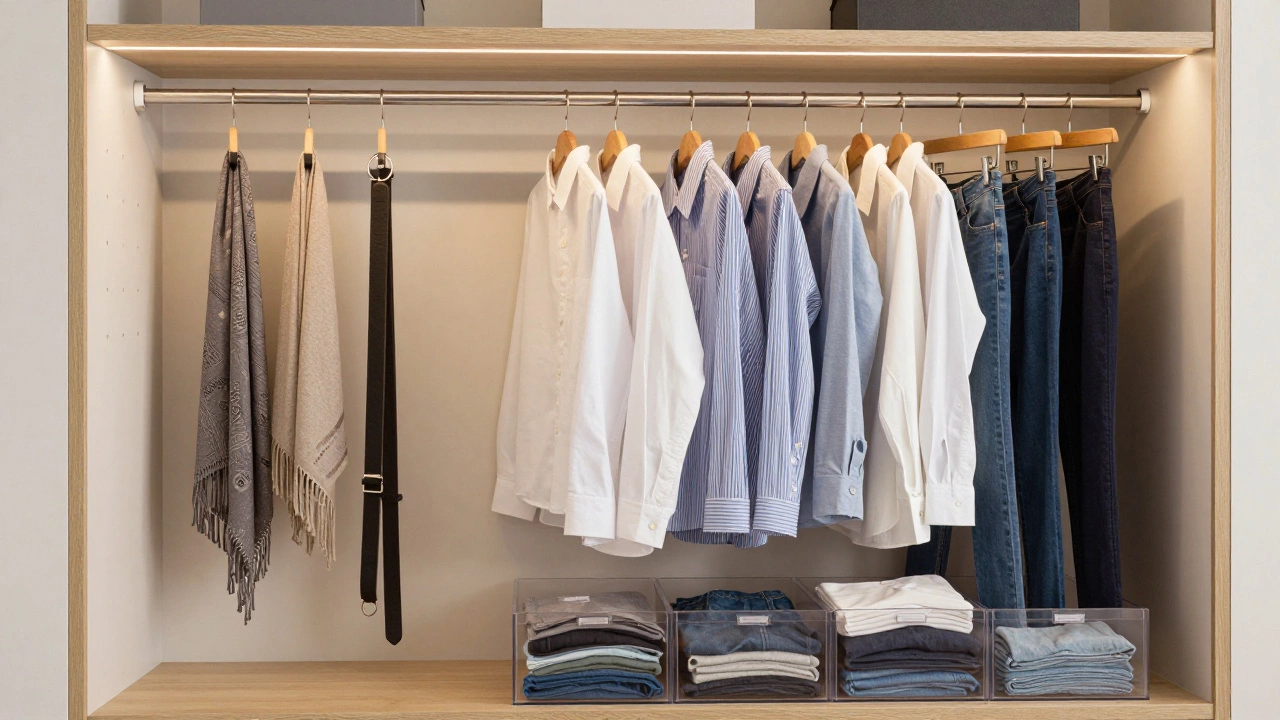
Under-bed storage: the silent hero
That dark, dusty space under your bed? It’s not wasted-it’s waiting. Slide-out plastic bins with wheels are the easiest fix. Look for ones with handles and low profiles (under 10 inches tall) so they slide smoothly. Store off-season clothes, extra bedding, or bulky knitwear. Vacuum-seal bags work too, but only if you’re okay with the hassle of re-packing. For most people, rigid bins are better: they protect clothes from dust, moisture, and accidental kicks. Pro tip: Label each bin with a photo of what’s inside. You won’t remember which one holds your winter scarves. A quick glance at a picture beats guessing every time.Use furniture that works double duty
Your bench? It’s not just for sitting. Get one with a lift-top lid and hidden storage. Same with ottomans, beds with drawers underneath, or even a coffee table with a hollow base. These aren’t luxury items-they’re practical tools. A simple storage bench costs under £50 and can hold 15-20 folded sweaters. You get seating, style, and storage in one. If you have a bookshelf, turn it into a clothes rack. Use baskets or fabric bins on the shelves. They’re softer than plastic, breathe better than sealed containers, and look nicer than cardboard boxes. Place them on the bottom shelves for heavier items like jeans and sweaters. Keep lighter things like scarves and socks on top.Seasonal rotation: less is more
You don’t need to store all your clothes all year. In the UK, winters are long, summers are short. That means you can rotate. Pack away summer dresses, shorts, and sandals in late October. Swap in coats, boots, and thermal layers in November. Then reverse it in March. Use clear, breathable cotton storage bags for this. They let air in, keep moths out, and don’t trap moisture like plastic. Store them in a cool, dry spot-under the bed, in a closet corner, or even behind a door. Rotate every season, and you’ll cut your visible wardrobe by half without losing anything.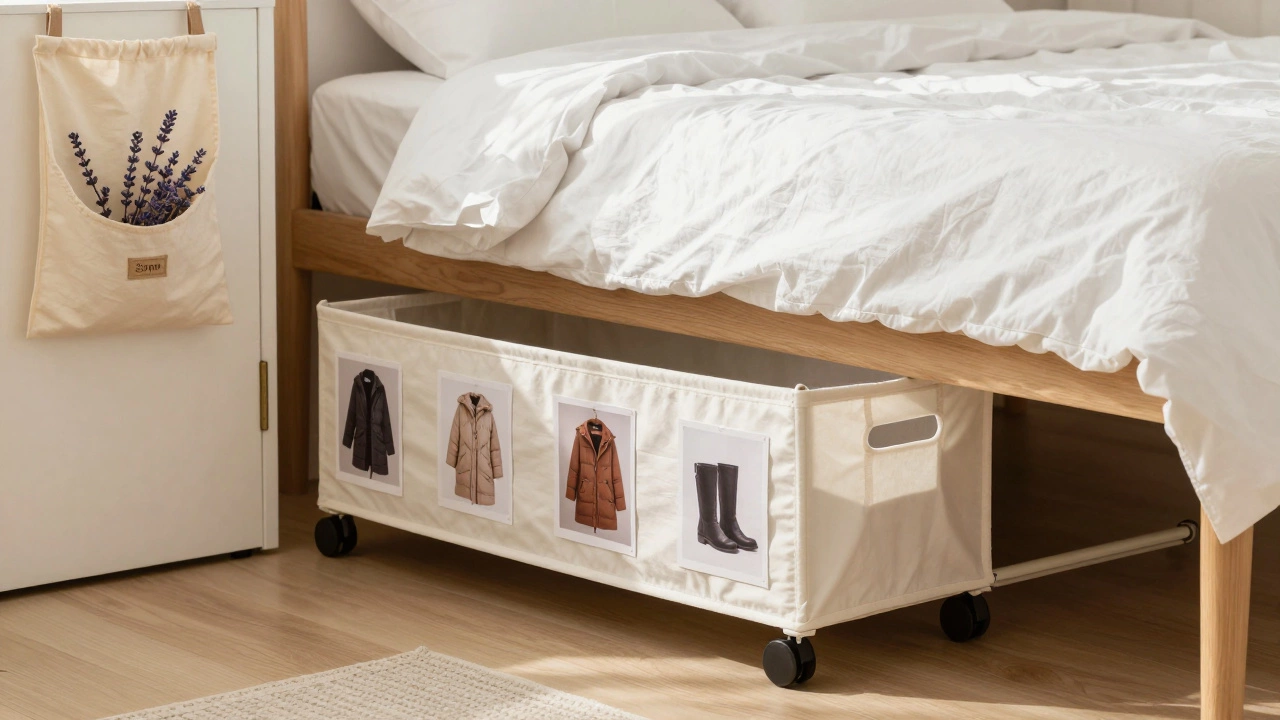
What not to do
Avoid cramming clothes into plastic bins without ventilation. Moisture builds up. Mildew follows. Your favourite jumper will smell like a damp basement by spring. Never use cardboard boxes long-term-they attract bugs and collapse under weight. And don’t hang heavy knits like sweaters. They stretch out. Fold them instead. Also, resist the urge to buy more storage containers before you’ve sorted. You don’t need five bins. You need three good ones and the discipline to use them.Real-life example: a 25m² flat in Bristol
Sarah, 32, lives in a one-bedroom flat in Clifton. Her closet was overflowing. She used to spend 15 minutes every morning digging through piles. After applying these steps, here’s what changed:- She donated 40 items she hadn’t worn in two years
- She installed a tension rod under her existing closet bar
- She started KonMari folding all t-shirts and jeans
- She bought two under-bed bins for winter coats and boots
- She swapped her old dresser for a storage bench
Final tip: Make it stick
Storage only works if you stick with it. Set a reminder every three months to re-sort one drawer. Put a small basket by your bed for clothes you’ve taken off but won’t wear again. Wash them, then put them in the donation pile the next day. Make it a habit, not a chore. You don’t need a bigger home. You need a smarter system. Start small. Sort one drawer today. Fold one pile. Slide one bin under the bed. That’s how you reclaim your space-without spending a fortune.What’s the best way to store winter clothes in a small flat?
Use breathable cotton storage bags and store them under the bed or behind a door. Avoid plastic bins-they trap moisture and can cause mildew. Label each bag with a photo of what’s inside so you don’t have to open everything to find your gloves. Rotate them seasonally: pack away summer clothes in October, bring out winter gear in November.
Can I use vacuum bags for clothes storage?
Yes, but only for short-term storage or bulky items like winter coats. Vacuum bags compress clothes tightly, which can damage delicate fabrics like wool and silk over time. They’re also hard to reseal once opened. For everyday use, rigid plastic bins with lids or fabric storage boxes are better-they protect clothes without crushing them.
How do I stop my clothes from smelling musty in storage?
Always make sure clothes are completely dry before storing. Add cedar blocks or lavender sachets to drawers and bins-they repel moths and absorb odours naturally. Avoid mothballs-they’re toxic and leave a strong smell. If you’re storing in a damp area like a basement, place a small dehumidifier or silica gel packs nearby.
Is it better to hang or fold clothes?
Hang shirts, dresses, jackets, and suits-they keep their shape. Fold sweaters, jeans, t-shirts, and knitwear. Hanging knits stretches them out over time. Use padded hangers for delicate items. For drawers, fold clothes vertically using the KonMari method so you can see everything at a glance without pulling everything out.
How often should I reorganize my clothes?
Every three months. That’s when seasons change and you’ve likely accumulated new items or stopped wearing old ones. Take 20 minutes to go through one drawer or shelf. Donate what you haven’t worn. Re-fold what’s messy. It takes less time than you think-and keeps your space from turning into a clutter trap.