
Rug Quality Inspector
Quality Checklist
Click items to mark them as verified-
+15 pts
-
+20 pts
-
+20 pts
-
+15 pts
-
+15 pts
-
+15 pts
Rating:
Walk into any furniture store or scroll through an online marketplace, and you’ll see rugs priced from $50 to $5,000. The visual difference isn’t always obvious. A cheap synthetic rug can look just as vibrant as a hand-knotted wool piece. But within months, the cheap one will flatten, fray, or fade. The expensive one stays plush and vibrant for decades. Knowing how to tell if a rug is good quality before you buy saves you money and frustration.
Quality isn’t about price tags; it’s about construction materials and craftsmanship. You don’t need to be an interior designer to spot a well-made rug. You just need to know what to look for. Let’s break down the physical signs of durability, comfort, and longevity so you can make a confident purchase.
The Touch Test: Fiber Content Matters
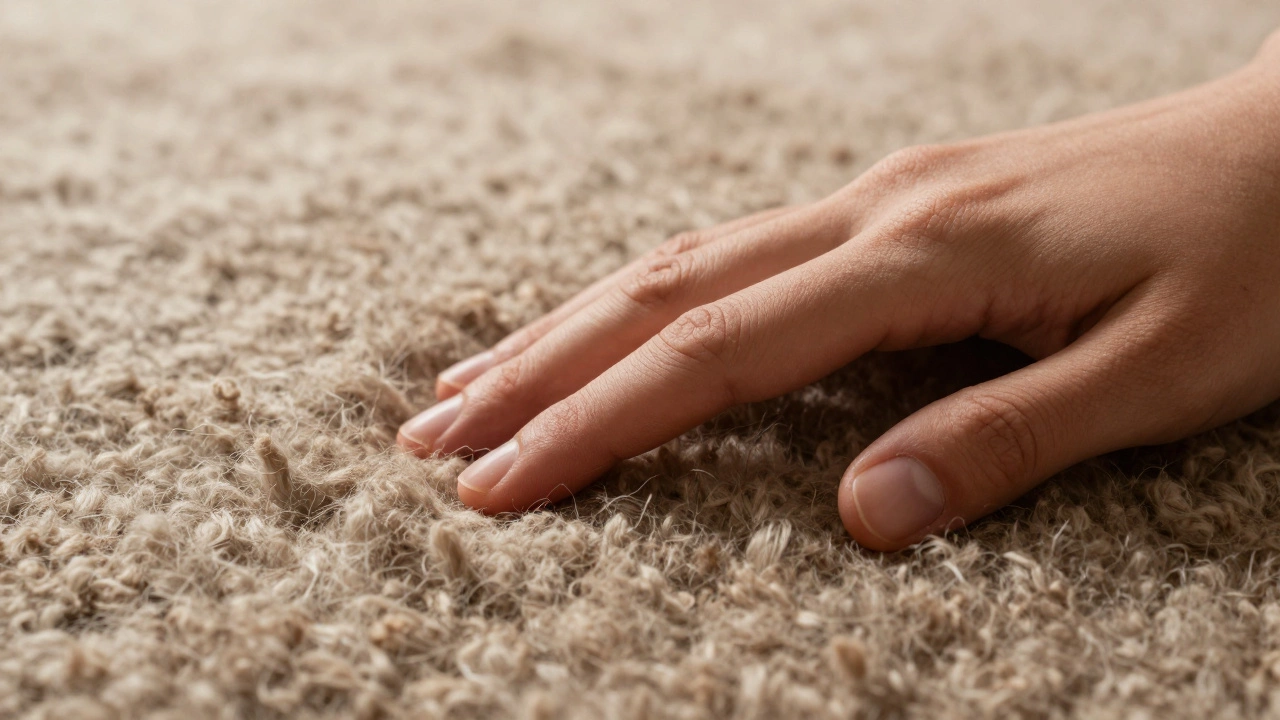
Wool is the gold standard for residential rugs. It has a natural crimp that allows it to bounce back after heavy foot traffic. If you press your thumb into the pile, a high-quality wool rug should spring back quickly. Synthetic fibers like polypropylene (olefin) or polyester might feel softer initially, but they tend to mat down over time. They also hold onto static electricity and dust more readily.
If the rug claims to be made of silk, it should feel incredibly smooth and cool to the touch. Silk is strong for its weight but delicate. A pure silk rug is usually reserved for low-traffic areas. If you’re buying for a hallway or living room, a wool-silk blend offers the best of both worlds: the sheen of silk with the durability of wool.
Avoid rugs labeled simply as "synthetic" without specifying the fiber. High-quality polypropylene exists, but it’s often used in outdoor settings because it resists moisture. For indoor use, natural fibers generally provide better insulation and air quality.
Check the Back: Construction Methods
Flip the rug over. This is where most buyers miss critical details. The backing tells you how the rug was made and how long it will last.
- Hand-Knotted: Look for individual knots visible on the back. Each knot is tied by hand around vertical warp threads. This is the most durable and valuable type of rug construction. The pattern on the front matches the knots on the back perfectly.
- Hand-Tufted: These rugs have a latex coating on the back to hold the pile in place. While not as durable as hand-knotted rugs, they are still considered high quality if the latex layer is thick and even. Check for cracks or peeling in the latex, which indicates poor manufacturing.
- Machine-Made: Machine-woven rugs often have a grid-like pattern on the back. They are affordable but less durable. The fibers are glued or woven mechanically, meaning they can unravel faster under stress.
- Needle-Punched: Common in inexpensive area rugs, these have no distinct weave. The fibers are compressed together. They wear out quickly and cannot be repaired.
If you see loose threads or gaps in the backing, put the rug down. A tight, consistent backing ensures the rug won’t shift or degrade prematurely.
Knot Density: The Secret Metric
For knotted rugs, knot density is a key indicator of quality. This refers to the number of knots per square inch (KPSI). Higher density means a finer, more detailed pattern and greater durability.
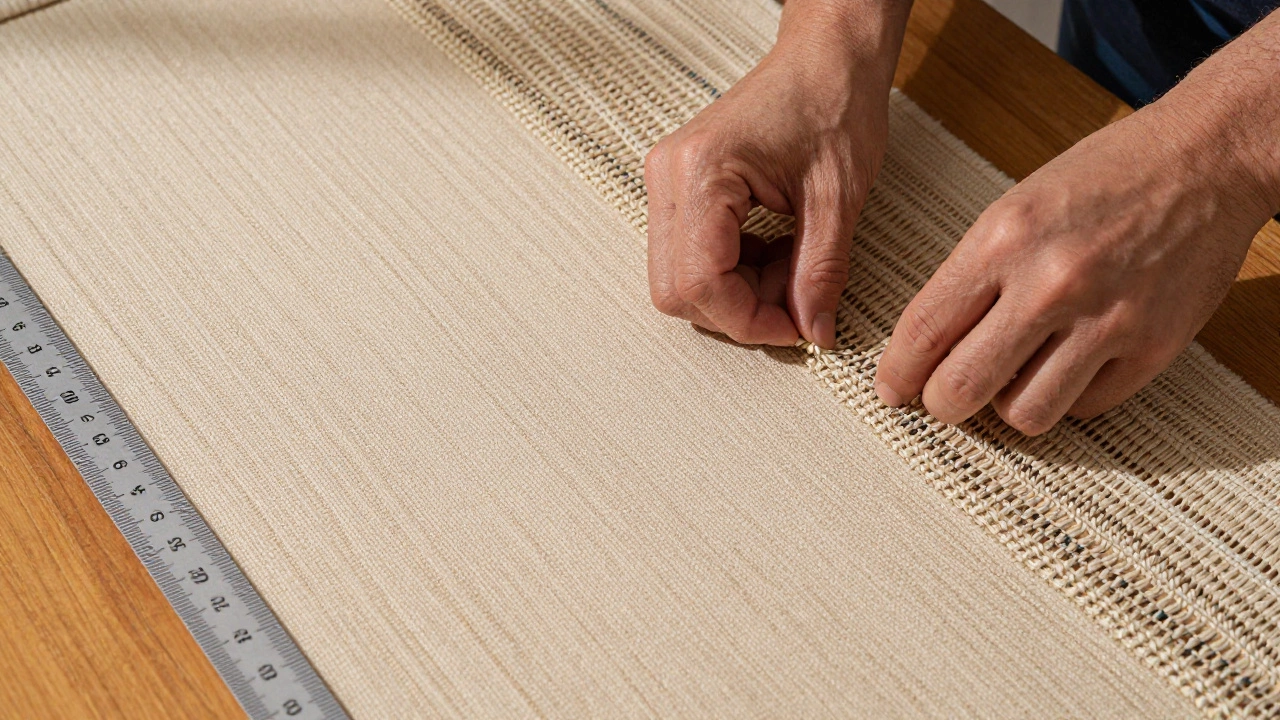
You can estimate this yourself. Take a ruler and count the knots along one inch of the horizontal weft thread, then do the same for the vertical warp thread. Multiply these two numbers. For example, if you find 8 knots horizontally and 10 vertically, the density is 80 KPSI.
| KPSI Range | Quality Level | Best Use Case |
|---|---|---|
| Below 40 | Low / Coarse | Outdoor, temporary decor |
| 40 - 80 | Medium | High-traffic hallways, casual living rooms |
| 80 - 150 | High | Living rooms, bedrooms, dining areas |
| 150+ | Very High / Fine Art | Low-traffic display areas, heirlooms |
A rug with 100+ KPSI will likely last generations. Lower density rugs are fine for budget-conscious buyers, but expect them to show wear sooner. Don’t confuse pile height with density. A shaggy rug can have low density but high pile, making it comfortable but less durable.
Dye Quality and Color Fastness
Good dyes penetrate the fiber deeply. Cheap dyes sit on the surface and wash off or fade quickly when exposed to sunlight. To test color fastness, take a white cotton swab or cloth and rub it firmly against an inconspicuous area of the rug, preferably on the back where the dye is more exposed.
If color transfers to the cloth, the dye is unstable. This means the rug could bleed onto your floors or other furniture during cleaning. Natural vegetable dyes, often used in traditional Persian or Oriental rugs, may have slight variations in shade. This is actually a sign of authenticity and quality, not a defect. Synthetic dyes produce uniform colors but can look artificial and flat.
UV resistance is another factor. If you plan to place the rug near a window, ask about UV-treated fibers. Wool naturally resists fading better than synthetics, but no rug is immune to direct sun exposure. Rotate your rug every six months to ensure even wear and fading.
Edge Finishing and Binding
Look closely at the edges. Fraying is the first sign of a failing rug. High-quality rugs have reinforced edges. Hand-knotted rugs often have a selvedge, which is a tightly woven border created during the knitting process. This is the strongest type of edge finish.
Machine-made and tufted rugs usually have serged or bound edges. Serging involves stitching a strip of fabric around the perimeter. Check the stitching for consistency. Loose or uneven stitches indicate rushed workmanship. Bound edges, where a separate fabric wrap covers the raw edges, are common in modern styles. Ensure the binding is securely attached and doesn’t peel away easily.
If the edges curl up immediately after unrolling, the rug may lack proper tension in its foundation. While some curling is normal for new rugs, persistent curling suggests structural issues.
Weight and Foundation
Pick up the rug. A high-quality rug feels heavy for its size. Weight correlates with material density and foundation strength. A lightweight rug often uses thinner fibers and fewer layers, leading to faster wear.
Examine the foundation-the underlying structure that holds the pile. In knotted rugs, this consists of warp and weft threads. Cotton foundations are preferred for their strength and flexibility. Jute or synthetic foundations are cheaper but can stretch or rot over time, especially in humid environments.
Press the rug between your hands. It should feel firm, not floppy. A rigid foundation supports the pile, preventing it from collapsing under furniture legs or foot traffic. If the rug feels flimsy, it will likely develop bald spots in high-use areas within a year or two.
Common Pitfalls to Avoid
Don’t rely solely on the label. "Made in Turkey" or "Handmade" doesn’t guarantee quality. Counterfeit rugs are common. Always inspect the physical attributes described above.
Beware of overly bright, neon colors. These often require harsh chemical dyes that degrade fibers. Subtle, earth-toned palettes usually indicate higher-quality natural dyes and better longevity.
Finally, consider maintenance. A beautiful rug is useless if you can’t clean it. Ask if the rug is dry-clean only or machine washable. Wool rugs can often be professionally cleaned, while some synthetic blends may shrink or distort. Factor in cleaning costs when evaluating total value.
How can I tell if a rug is handmade or machine-made?
Flip the rug over. Handmade rugs show irregularities in the knots and pattern alignment. Machine-made rugs have perfect, repetitive patterns and a grid-like backing. Hand-knotted rugs will have visible individual knots on the back, while machine-woven rugs have a uniform, flat texture.
Is wool better than synthetic for rugs?
Yes, for most indoor uses. Wool is naturally stain-resistant, durable, and resilient. It bounces back after compression and regulates temperature. Synthetics like polypropylene are cheaper and water-resistant but mat down faster and hold static. Choose wool for longevity and comfort, and synthetics for budget or outdoor use.
What is a good knot density for a rug?
Aim for at least 80 knots per square inch (KPSI) for a durable, high-quality rug. Densities above 150 KPSI indicate fine art pieces suitable for low-traffic areas. Lower densities below 40 KPSI are coarse and less durable, best for temporary or outdoor use.
Why do some rugs shed excessively?
New rugs, especially those with loose piles like shags or hand-tufted styles, shed initially as loose fibers release. This should stop after a few weeks. Persistent shedding indicates poor construction, weak adhesives, or low-quality fibers that are breaking down. Vacuum regularly to manage initial shedding.
How do I prevent my rug from slipping?
Use a non-slip rug pad underneath. This protects the floor, adds cushioning, and prevents shifting. Avoid double-sided tape as it can damage floors and rugs. For hardwood, choose felt pads; for tile, rubberized pads. Ensure the pad is slightly smaller than the rug itself.