
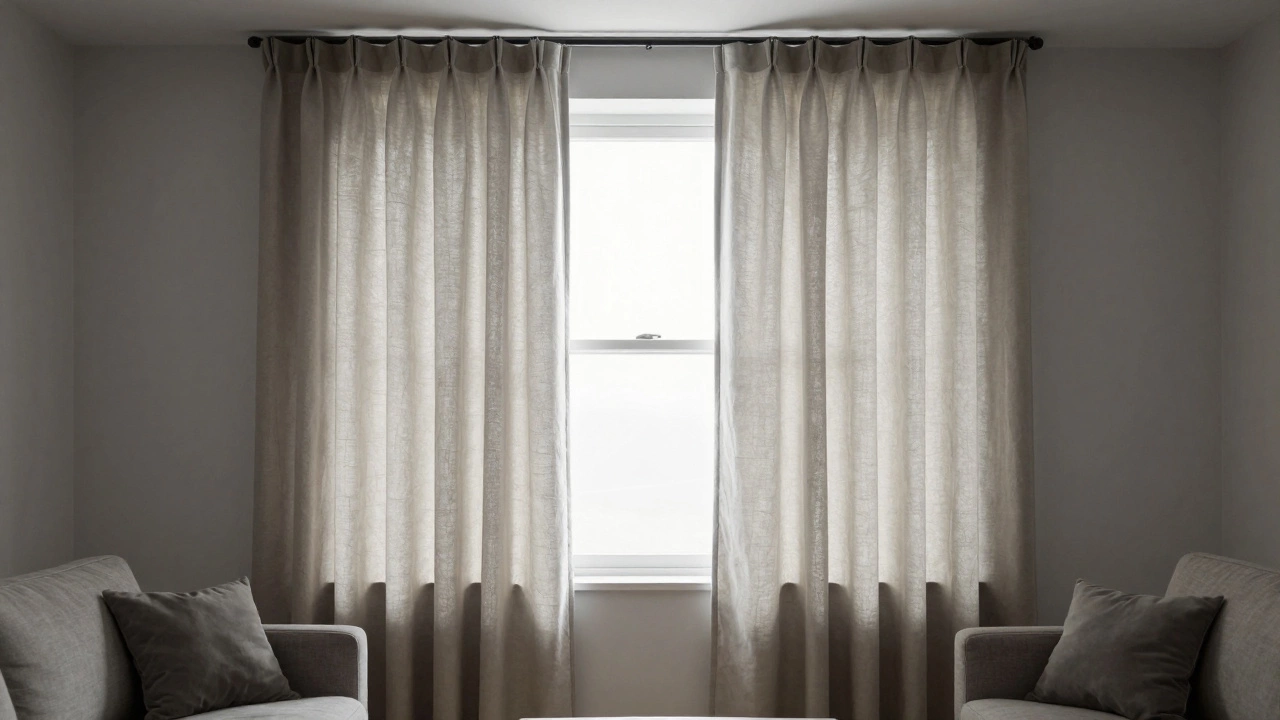
Curtain Width Calculator for 36-Inch Windows
Calculate the perfect curtain fabric width to achieve a luxurious, full look based on your rod size and desired fullness ratio.
Your Results
You measure the window. It’s exactly 36 inches wide. You head to the store, grab a pair of panels that look perfect on the hanger, and hang them up. Then you pull them closed. They look thin, stretched, and cheap. Why did this happen? Because you bought curtains based on their open width, not their closed fullness. This is the most common mistake in home decor, and it ruins the look of an otherwise beautiful room.
Getting the width right isn't just about covering the glass; it's about creating volume. When you want your home to feel expensive and cozy, the fabric needs to bunch up nicely when drawn. If you are looking for specific details on how to calculate this, understanding the math behind curtain fullness is key. For those interested in other lifestyle directories, such as this resource, the principles of presentation and detail matter just as much, though the context is entirely different. Back to your living room: let’s fix that stretched-out look once and for all.
The Golden Rule of Curtain Width
To make your curtains look luxurious, you need to follow the "fullness rule." In the interior design world, we aim for a specific ratio between the width of your window treatment and the width of the rod or window frame. The standard recommendation is a 2:1 ratio. This means if your window (or rod) is 36 inches wide, your total curtain fabric should be 72 inches wide.
Why 2:1? Think about how fabric folds. If the fabric is only equal to the width of the window (1:1), there is no extra material to create soft, elegant pleats. The curtains will lay flat against the wall like a sheet. With a 2:1 ratio, you have enough excess fabric to create deep, rich folds that catch the light and add texture to the room. For a truly opulent, heavy look-think velvet drapes in a formal dining room-you might even go for a 3:1 ratio, which would mean 108 inches of fabric for a 36-inch span. But for most homes, 2:1 is the sweet spot.
Calculating for a 36-Inch Window
Let’s do the math specifically for your 36-inch window. First, decide where your curtain rod will sit. Do you want the curtains to cover the bare window frame, or do you want them to extend outward to make the window look larger?
- Scenario A: Rod matches window width. Your rod is 36 inches long. To get a 2:1 fullness, you need 72 inches of total curtain width. Since curtains usually come in pairs, you need two panels that are each 36 inches wide.
- Scenario B: Rod extends beyond the window. This is the pro move. You mount the rod 4 to 6 inches wider than the window on each side. So, a 36-inch window gets a 48-inch or 54-inch rod. Let’s say you choose a 48-inch rod. Now you need 96 inches of total fabric (48 x 2). That means two panels, each 48 inches wide.
Most standard ready-made curtains come in widths of 52 inches or 54 inches per panel. If you buy two 52-inch panels, you have 104 inches of total fabric. If your rod is 48 inches wide, your fullness ratio is roughly 2.16:1. This is perfect. It gives you that plush, gathered look without wasting money on excessive fabric.
Measuring Like a Pro: Rod vs. Window
A critical distinction often missed by beginners is whether you are measuring the window or the rod. Always measure the rod. The rod determines the space the curtains must cover when open. If you measure the window glass but install the rod higher and wider, your calculations will be off.
Here is how to set up your measurement:
- Determine Rod Length: Measure the distance between the finials (the decorative ends) of your rod. Exclude the hardware that sticks out past the wall.
- Apply the Ratio: Multiply that rod length by 2 for standard fullness, or by 3 for extra fullness.
- Divide by Two: Divide the total required width by 2 to find the width needed for each individual panel.
For example, if you have a small 36-inch window but you install a 60-inch rod to make the window appear grander, you need 120 inches of total fabric. Two 60-inch-wide panels would give you a 2:1 ratio. However, since 60-inch-wide panels are less common in standard retail sizes, you might need to custom order or buy multiple narrower panels and sew them together, which adds complexity.
Choosing the Right Fabric
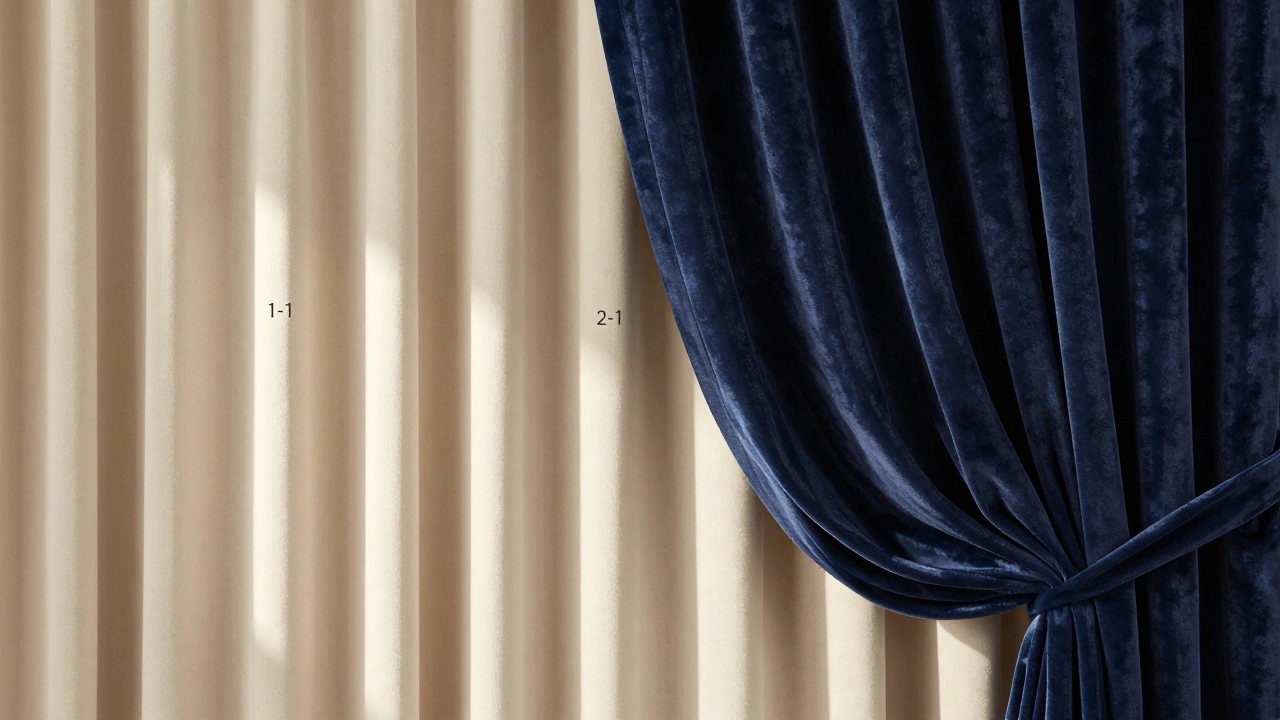
The material of your curtains changes how they drape and fold. A stiff linen blend holds its shape differently than a fluid silk or a heavy blackout velvet. Lighter fabrics may require slightly more width to achieve the same visual weight as heavier materials because they don’t hold large, structured pleats as well. Conversely, very heavy fabrics can look bulky if you go overboard with the width.
If you are using sheer curtains, you can often get away with a lower fullness ratio, perhaps 1.5:1, because sheers are meant to be airy and translucent. You don’t need deep, dark folds here. But for main drapes that provide privacy and insulation, stick to the 2:1 rule. It ensures that when you close them at night, they overlap in the center rather than leaving a gap of light from the street outside.
Common Mistakes to Avoid
One major error is buying curtains that are too narrow. Many people see a "36-inch" label on a curtain package and assume it fits a 36-inch window. That label usually refers to the width of the panel when it is fully extended and flat, not the amount of gathering it provides. If you buy two 36-inch panels for a 36-inch window, you have a 2:1 ratio relative to the window, but if your rod is wider, you’re short-changed. Always check the "total width" of both panels combined.
Another mistake is ignoring the mounting height. While this doesn’t affect width, hanging curtains too low makes the window look smaller. Mount the rod 4 to 6 inches above the window frame, or even halfway to the ceiling, to draw the eye upward. This vertical emphasis balances the horizontal fullness of the wide curtains.
| Window/Rod Width | Desired Fullness Ratio | Total Fabric Needed | Width Per Panel (Pair) |
|---|---|---|---|
| 36 inches | 2:1 (Standard) | 72 inches | 36 inches each |
| 36 inches | 3:1 (Luxury) | 108 inches | 54 inches each |
| 48 inches (Extended Rod) | 2:1 (Standard) | 96 inches | 48 inches each |
| 60 inches (Extended Rod) | 2:1 (Standard) | 120 inches | 60 inches each |
Ready-Made vs. Custom Options
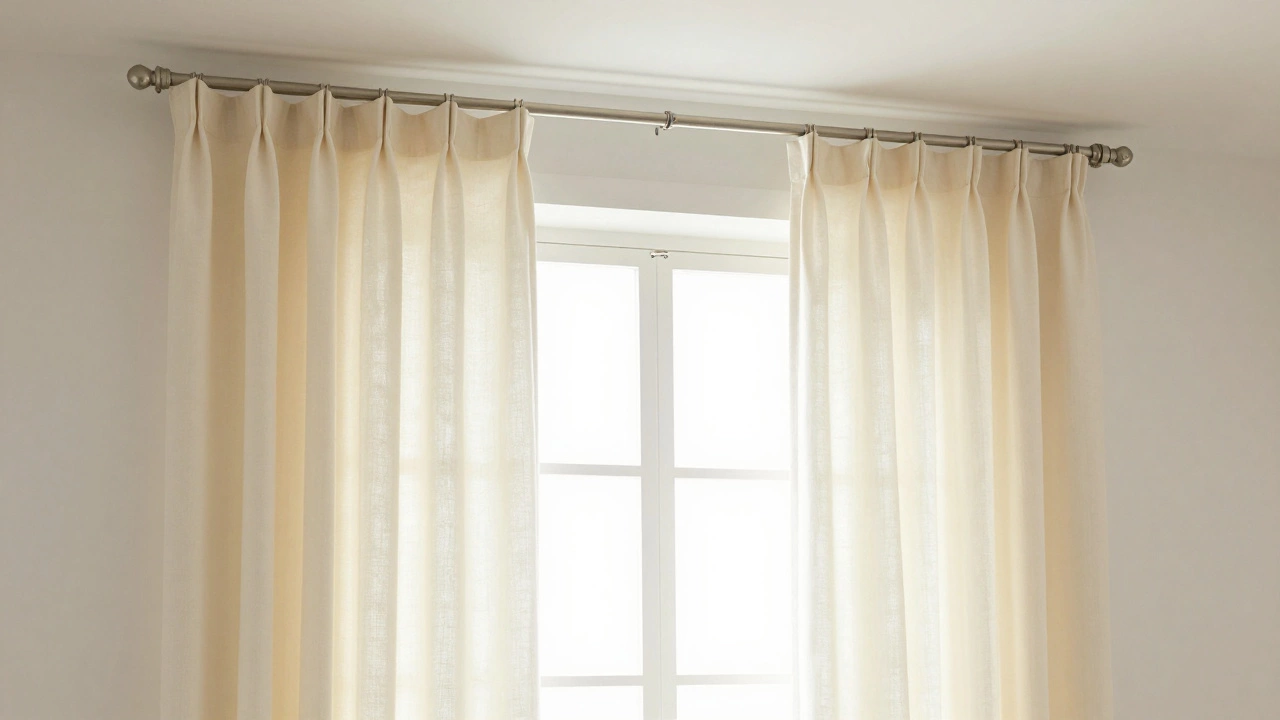
When shopping for ready-made curtains, look for panels that are 52 inches or 54 inches wide. These are industry standards. For a 36-inch window with a slightly extended rod (say, 44-48 inches total), two 52-inch panels will provide excellent fullness. You will likely have a little extra fabric, which is better than having too little. You can always take in the sides if they pool too much on the floor, but you can’t easily add width.
If you are going custom, tell the tailor your rod length and your desired fullness ratio. Most tailors default to 2:1 unless asked otherwise. Specify the heading style as well-pleated headings gather more tightly than grommet tops, which can affect the perceived fullness. Grommet curtains tend to stack back neatly but may look flatter when closed compared to pinch-pleat styles.
Final Tips for Installation
Once you have the right width, installation matters. Use plenty of hooks or rings. If your curtains have back tabs or pencil pleats, use every available slot. Spacing the hooks evenly ensures the fabric distributes uniformly across the rod. Uneven spacing leads to clumps of fabric on one side and gaps on the other, ruining the symmetrical look.
Iron or steam your curtains before hanging. Wrinkled fabric looks messy and hides the beautiful folds you paid for. A quick steam pass will help the fabric fall naturally and highlight the texture. Remember, the goal is to transform a simple 36-inch window into a focal point of elegance. With the correct width and fullness, your curtains will frame the view beautifully, adding warmth and style to any room.
What is the ideal curtain width for a 36-inch window?
For a 36-inch window, if you mount the rod directly over the window, you need a total curtain width of 72 inches (two 36-inch panels) for a standard 2:1 fullness. However, it is recommended to extend the rod beyond the window frame. If you use a 48-inch rod, you should aim for two 52-inch panels, giving you 104 inches of total fabric for a lush, gathered look.
Do I measure the window or the rod for curtain width?
Always measure the curtain rod. The rod determines the span the curtains must cover when open. Measuring the window alone ignores the space the curtains take up when stacked to the sides, which can lead to insufficient coverage and poor aesthetics.
What does a 2:1 fullness ratio mean?
A 2:1 fullness ratio means the total width of your curtain fabric is twice the width of the curtain rod. This creates soft, elegant folds when the curtains are closed. A 1:1 ratio results in flat, stretched-looking fabric, while a 3:1 ratio creates very dense, luxurious pleats.
Are 52-inch curtains too wide for a 36-inch window?
No, they are not. In fact, two 52-inch panels (104 inches total) are ideal for a 36-inch window if you extend the rod slightly beyond the window frame. This provides ample fullness and allows the curtains to stack back neatly without blocking the natural light when open.
How high should I hang curtains above a 36-inch window?
Hang the curtain rod 4 to 6 inches above the window frame. For a more dramatic effect that makes the ceiling look higher, mount the rod halfway between the top of the window and the ceiling. This vertical placement complements the horizontal fullness of the curtains.