
Kitchenware Classifier
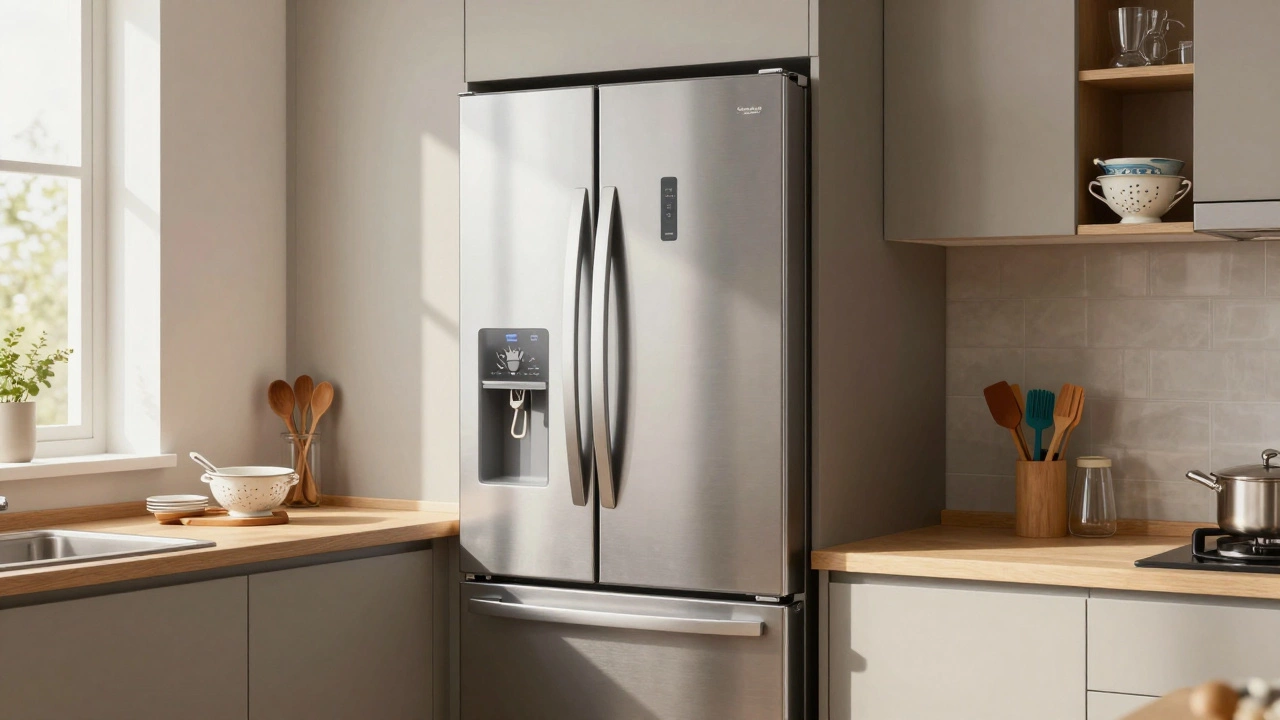
When you walk into a kitchen, what do you think of as kitchenware? Pots, pans, spatulas, knives? What about the big white box humming in the corner? Is a refrigerator kitchenware? The answer isn’t as simple as it seems-and it matters more than you think, especially if you’re shopping, organizing, or even just trying to clean out your cabinets.
What Exactly Is Kitchenware?
Kitchenware refers to the tools, utensils, and equipment used to prepare, store, and serve food. That includes everything from wooden spoons and measuring cups to blenders and microwaves. But here’s the catch: not everything in the kitchen counts as kitchenware. Some things are appliances. Others are fixtures. And the line between them gets blurry.
Think of it this way: kitchenware is what you pick up, move around, and use directly in cooking or serving. A whisk? Kitchenware. A toaster? Also kitchenware. A built-in oven? That’s kitchen equipment. A refrigerator? It’s not something you hold. You don’t stir soup with it. You don’t chop veggies on it. But you absolutely rely on it to keep your ingredients safe and usable.
The Refrigerator’s Role in the Kitchen
Without a refrigerator, modern cooking as we know it wouldn’t exist. It preserves perishables-milk, meat, vegetables, leftovers-keeping them fresh for days or weeks. In the UK, where food waste is a growing concern, the fridge is one of the most important tools for reducing spoilage. According to the Waste and Resources Action Programme (WRAP), households throw away nearly 4.5 million tonnes of food each year. A working fridge cuts that number significantly.
But function doesn’t always equal classification. A refrigerator is an appliance first. It’s plugged in, uses electricity, has a compressor, and often comes with warranties and service manuals. It’s not something you store in a drawer or hang on a hook. It’s installed. Fixed. Part of the kitchen’s infrastructure.
How Industry and Retail Classify It
Look at how retailers organize their shelves. At John Lewis or Argos, refrigerators sit in the Major Appliances section, not with mixing bowls and colanders. The same goes for online stores like Amazon or IKEA. You won’t find a fridge under "Kitchenware"-you’ll find it under "Kitchen Appliances" or "Large Appliances".
Even manufacturers treat it differently. Whirlpool, Samsung, and Bosch label their fridges as "kitchen appliances," not "kitchenware." They use the term "kitchenware" to describe items like cutting boards, silicone spatulas, and dish towels. These are things you buy in bulk, replace often, and don’t need professional installation for.
What About Built-In Fridges?
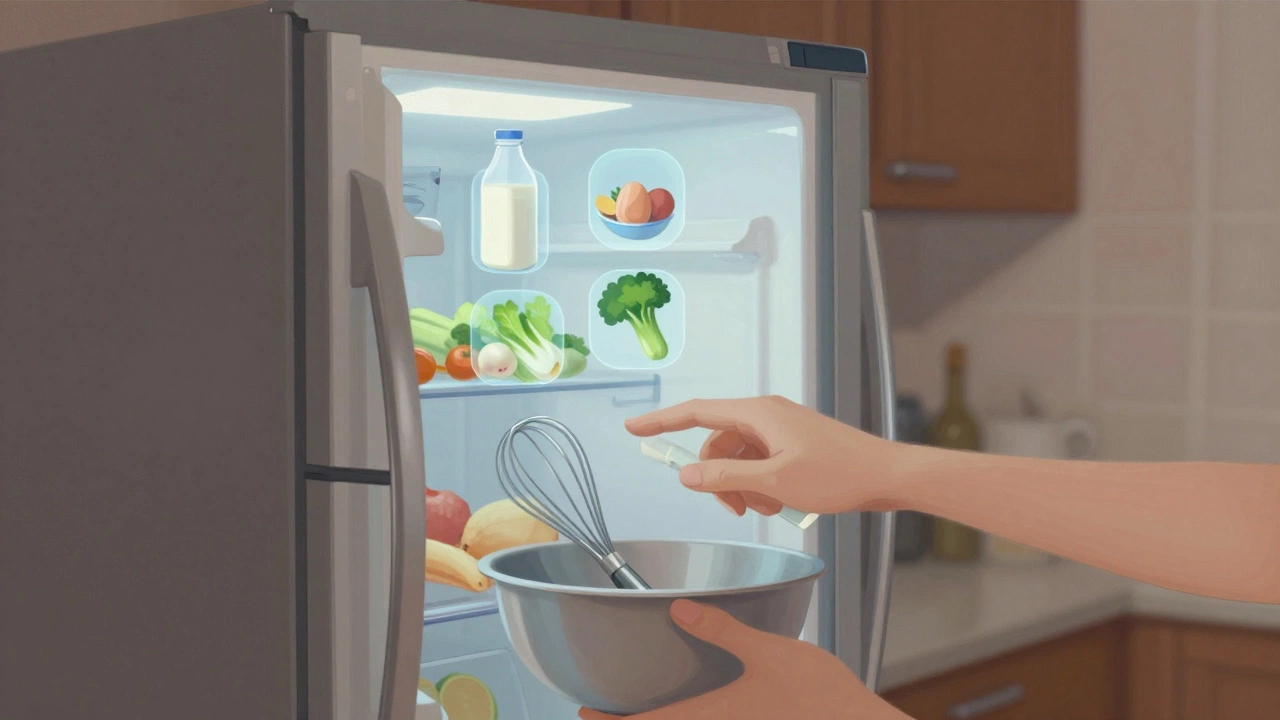
If your fridge is built into cabinetry, does that make it part of the kitchen itself? Sort of. Built-in models are often treated like cabinetry or fixtures, similar to a sink or a cooktop. They’re integrated into the design. But even then, they’re still appliances. The fact that they’re hidden doesn’t change how they work or how they’re classified by plumbers, electricians, or building inspectors.
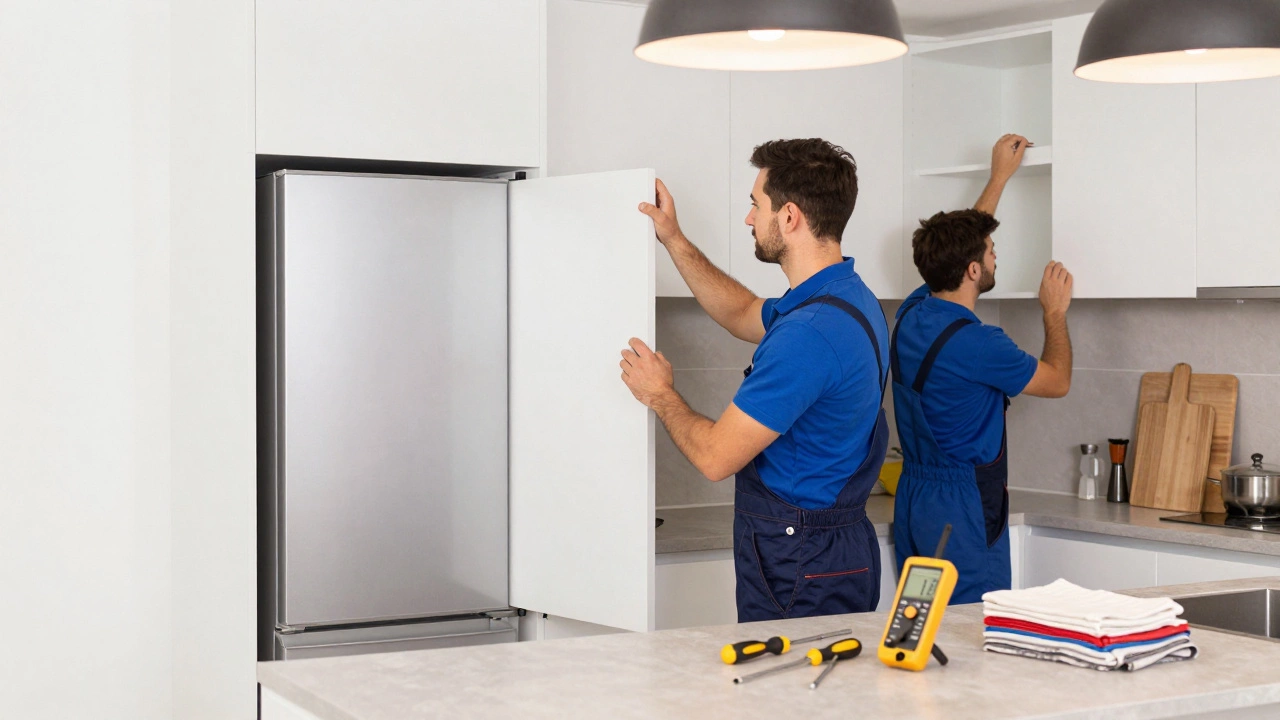
In fact, when you’re renovating a kitchen in the UK, building regulations treat fridges as appliances-not fixed elements. That means if it breaks, you don’t call a carpenter. You call an appliance technician.
Why the Confusion Exists
The confusion comes from how we use language. We say "kitchen" to mean the whole room. So anything in it feels like it should be kitchenware. But that’s like saying a car is a garage because it’s parked inside. The room contains things. The things have roles. And those roles determine their categories.
Think of it like this: a hammer is a tool. A power drill is a power tool. A garage is a structure. All three are in your driveway, but they’re not the same thing. Same with the fridge. It’s in the kitchen. But it’s not kitchenware.
What Counts as Kitchenware? A Quick Reference
Here’s a clear breakdown:
- Yes, kitchenware: Knives, cutting boards, mixing bowls, measuring spoons, colanders, can openers, whisks, spatulas, oven mitts, tea towels, food storage containers, coffee makers, toasters, blenders.
- No, not kitchenware: Refrigerators, ovens, dishwashers, cooktops, microwaves (sometimes debated, but usually considered appliances), trash compactors, water filters.
Notice how most kitchenware items are handheld, manual, or small electric devices you use directly in food prep. Refrigerators are large, fixed, and serve a storage function-not a direct cooking one.
Does It Matter How You Classify It?
Yes, it does. If you’re shopping for kitchen supplies, you’ll waste time scrolling through fridge listings if you’re looking for a new ladle. If you’re writing a product description, using the wrong term can hurt your SEO. If you’re moving house and labeling boxes, calling your fridge "kitchenware" might confuse the movers.
It also affects insurance. If your fridge breaks, you file a claim under "major appliance" coverage. If you call it kitchenware, your insurer might not recognize it as a covered item. In the UK, home insurance policies often separate "fixtures and fittings" from "appliances" and "kitchenware." Getting this wrong could cost you.
So, Is a Refrigerator Kitchenware?
No. A refrigerator is a kitchen appliance. It belongs in the same category as your oven, dishwasher, and microwave. It’s essential to the kitchen. It’s indispensable. But it’s not kitchenware.
That doesn’t make it less important. In fact, it’s arguably more important than most kitchenware. But classification isn’t about importance-it’s about function, use, and industry standards.
If you’re cleaning out your kitchen drawer and wondering what to keep, put the fridge aside. It’s not part of the drawer. It’s part of the room’s backbone. And that’s okay. You don’t need to force everything into one box. Some things are bigger than categories.