
Small Space Storage Finder
Select your living situation to get personalized storage recommendations.
Recommended Solutions
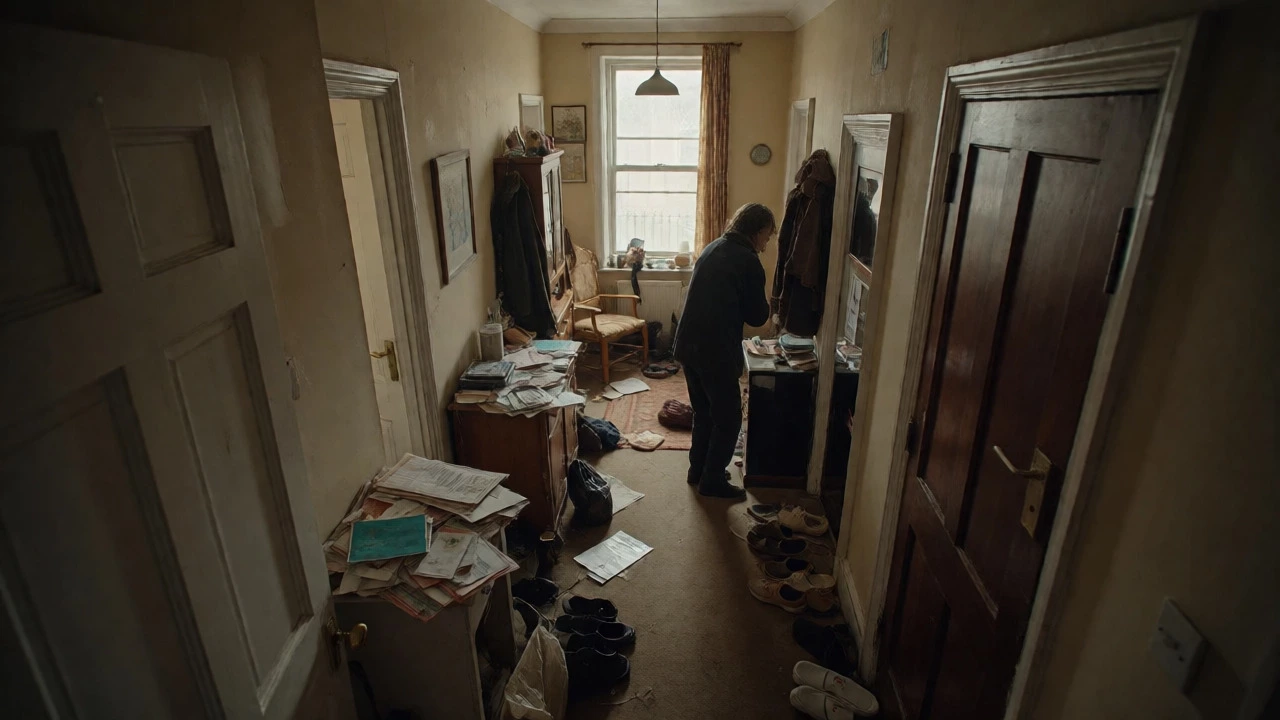
You walk into your room and feel that familiar tightness in your chest. There is nowhere to put the pile of mail on the counter. The shoes are tripping you at the door. You have no built-in closets, no attic access, and maybe not even a garage. It feels like a design flaw, but it is actually a common puzzle for millions of people living in older homes, city apartments, or minimalist spaces. The good news? You don’t need more square footage; you just need to look at your space differently.
Most people think storage means buying a big cabinet. That is usually a mistake when you are already cramped. A large unit eats up floor space, making the room feel smaller and darker. Instead, successful organization relies on three principles: use vertical space, exploit dead zones, and choose dual-purpose items. Let’s break down exactly where to stash your things when you literally have no storage.
Look Up: The Vertical Frontier
If your floors are full, your walls are likely empty. Vertical Storage is the most underutilized resource in small homes. Humans tend to store things between knee and eye level, leaving the top three feet of wall space gathering dust. Why waste it?
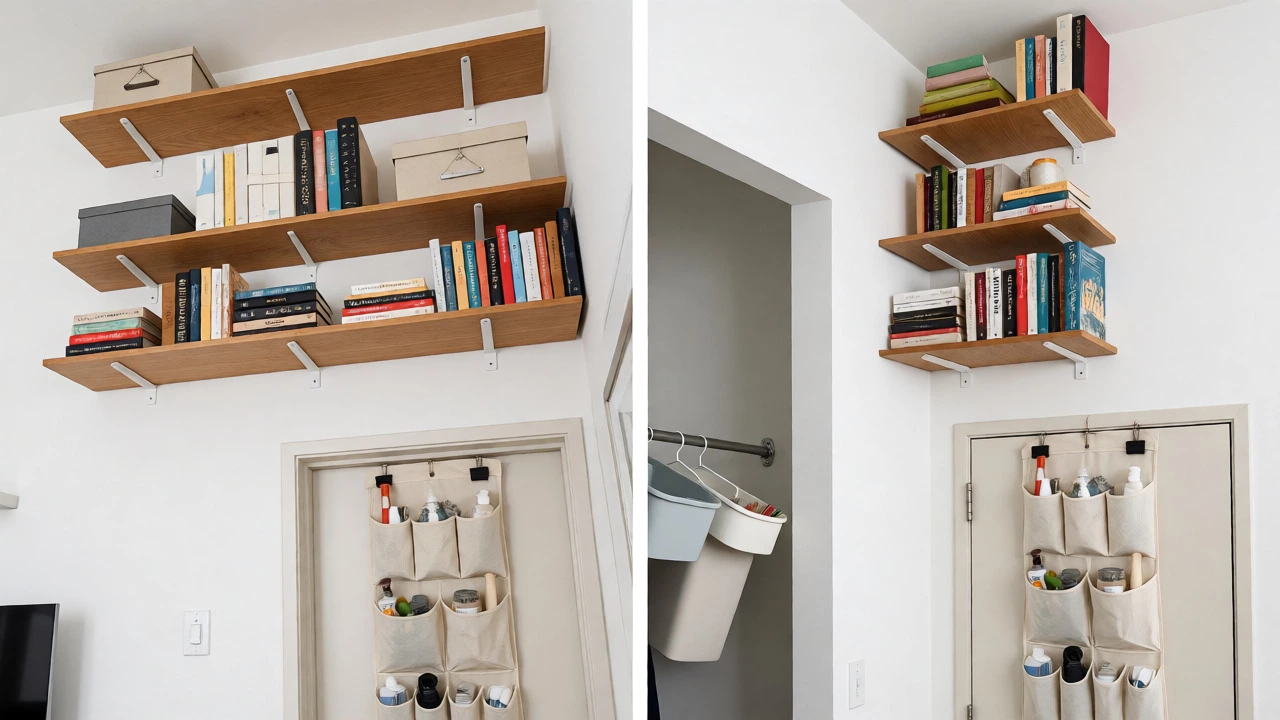
Install floating shelves high up. Use them for books, decorative boxes, or seasonal items you rarely touch. If you rent and can’t drill holes, tension rods inside doorways can hold curtains or lightweight bins. Another trick? Over-the-door organizers. They hang on the back of any standard door and provide pockets for shoes, cleaning supplies, or toiletries. This turns a flat surface into a functional library without occupying a single inch of floor area.
| Option | Best For | Installation Difficulty | Rental Friendly? |
|---|---|---|---|
| Floating Shelves | Books, decor, light kitchenware | Moderate (drilling required) | No |
| Over-the-Door Hooks | Bags, coats, towels | None | Yes |
| Tension Rods | Curtains, scarves, blinds | None | Yes |
| Wall-Mounted Baskets | Fruits, vegetables, toys | Low to Moderate | Depends on mount |
The Floor Is Not Just for Walking
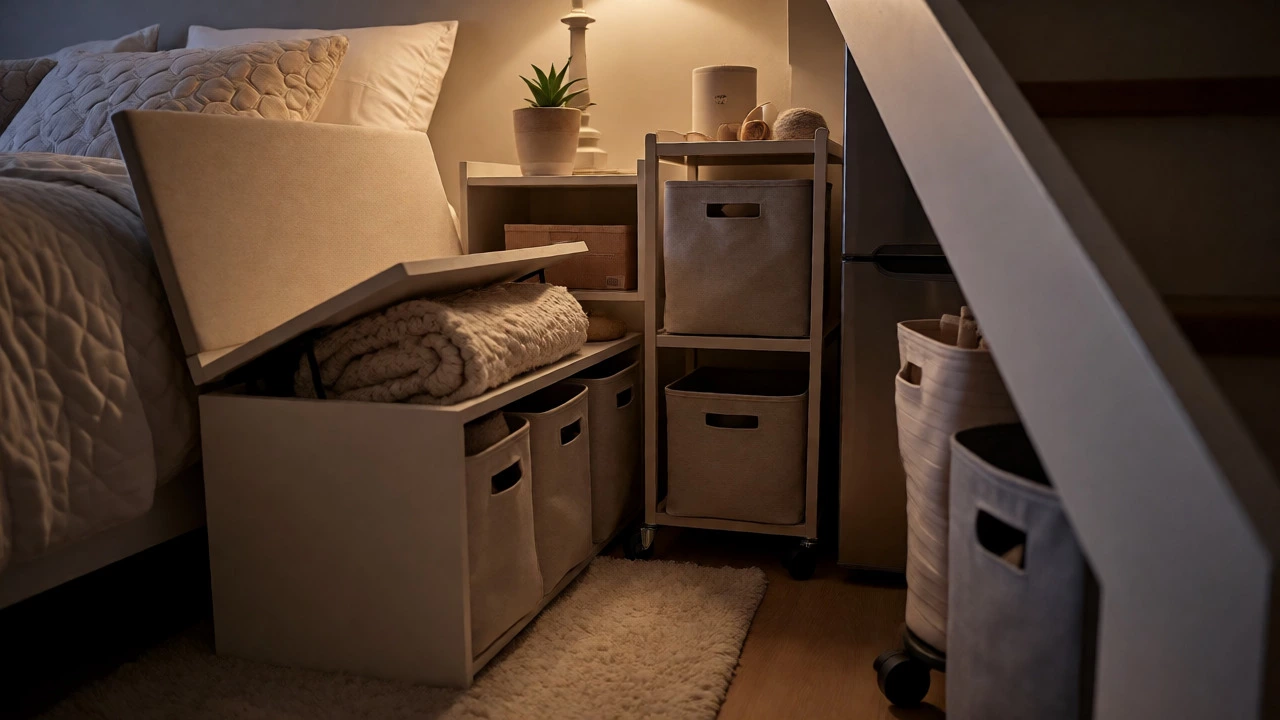
When you lack storage, every piece of furniture needs to pull its weight. Enter Dual-Purpose Furniture. This isn’t just a marketing buzzword; it is a survival tactic for small spaces. An ottoman isn’t just a footrest; it’s a hamper for laundry or a bin for board games. A bed frame with drawers underneath can replace an entire dresser.
Consider a bench at the end of your bed or in the entryway. Unlike a solid table, a hollow bench has open cubbies or lift-up tops. You can hide blankets, pillows, or winter boots inside. In the living room, swap out side tables for nesting stools. When guests come over, spread them out as extra seating. When they leave, tuck them together and use the space underneath for magazines or remotes.
Don’t forget the space above cabinets. In many kitchens, there is a gap between the top of the cupboards and the ceiling. It collects dust because it’s hard to reach. Put pretty baskets or uniform bins up there. Store appliances you use once a year, like the turkey roaster or the fondue set. Out of sight, out of mind, but still accessible when needed.
Exploit Dead Zones and Awkward Corners
Every home has gaps. The narrow space beside the refrigerator? The corner behind the toilet? The spot under the sink? These are "dead zones" because standard furniture doesn’t fit. But custom or slim-line solutions thrive here.
A rolling cart fits perfectly next to the fridge or stove. Use it for spices, oils, or snacks. It rolls out when you need it and tucks away when you don’t. Behind the toilet, install a slim shelving unit or a magnetic strip if the wall is metal. You can store extra toilet paper, cleaning sprays, or hair tools there.
Under the bed is another classic dead zone. If you don’t have drawers, buy low-profile plastic bins with wheels. Label them clearly so you don’t have to dig around. Vacuum-seal bags are great here too-they shrink bulky comforters and winter coats by half, fitting into spaces you thought were impossible.
Think Outside the Box: Alternative Spaces
Sometimes, the best place to put stuff is outside your main living areas. Do you have a balcony? Even a tiny one can hold a weatherproof storage box for gardening tools or patio cushions. Does your hallway have a coat closet that is mostly empty? Add hooks to the sides of the interior walls for umbrellas and dog leashes.
In Bristol, many older terraced houses have unique architectural quirks. Nooks under stairs are often wasted. Install a custom pull-out drawer system or simple shelving to turn that dark corner into a pantry or shoe drop zone. If you live in a studio, consider using bookcases as room dividers. The back of the bookcase faces the sleeping area, giving you two-sided storage. One side holds your books; the other holds your clothes or office supplies.
The Psychology of Decluttering First
Before you buy a single hook or bin, ask yourself: do I actually need this? Often, the problem isn’t a lack of storage; it’s an excess of stuff. We keep things "just in case." That broken toaster from 2019? Toss it. Those three spare phone chargers? Keep one. The rest go to recycling or donation.
Adopt the "one in, one out" rule. If you buy a new shirt, donate an old one. This keeps your inventory static, preventing creep. Also, be ruthless about duplicates. You probably don’t need five pairs of scissors or ten mugs if you only drink from two. Reducing volume makes finding spots for the remaining items much easier. Storage solves logistics, but decluttering solves the root cause.
Practical Hacks for Specific Rooms
- Kitchen: Mount a pegboard on the wall inside a cupboard door. Hang measuring cups, whisks, and peelers. It frees up drawer space for plates and cutlery.
- Bathroom: Use shower caddies that hang from the rod, not the wall. This avoids drilling tiles. Store shampoo, conditioner, and loofahs off the slippery floor.
- Bedroom: Use vacuum-sealed bags for off-season clothing. Slide them under the bed or onto the top shelf of a wardrobe. Label them with the season (e.g., "Winter 2026") so you know what’s inside without opening them.
- Entryway: A simple bowl on a console table catches keys and wallets. A small tray next to it holds sunglasses. This prevents the "key hunt" panic before you leave.
What to Avoid When You Have No Storage
Avoid buying clear plastic bins unless you are disciplined. They show everything inside, which creates visual clutter. If your stuff looks messy, putting it in a clear box just hides the mess slightly but doesn’t clean up the view. Opaque bins or fabric baskets create a calm, unified look.
Also, avoid buying trendy organizers that require specific folding techniques, like KonMari-style drawer dividers, if you hate folding. If a system takes more effort than it saves, you won’t maintain it. Stick to simple bins and shelves. Complexity is the enemy of consistency in small spaces.
How do I store clothes if I have no closet?
Use a freestanding clothing rack. It’s mobile, affordable, and easy to assemble. Pair it with a curtain rail to hide clothes when guests arrive. Alternatively, use a dresser with shallow drawers for folded items and hang delicate pieces on a wall-mounted rail with hangers.
Is it worth renting a self-storage unit?
Only if you have sentimental items or seasonal gear you cannot part with. For daily items, it’s inconvenient. However, if you’re moving soon or renovating, a small unit can free up your living space significantly. Calculate the monthly cost against the value of the peace of mind it brings.
Can I use doors for storage in rentals?
Yes. Over-the-door hooks and racks require no drilling. For heavier items, ensure the door hinges are sturdy. If the door swings freely, check clearance to ensure the organizer doesn’t hit the wall or adjacent furniture.
How do I organize papers without a filing cabinet?
Use a small desktop tray stack or a hanging file folder on a closet rod. Digitize documents using a smartphone scanner app to reduce physical volume. Keep only essential hard copies in a labeled box on a shelf.
What is the cheapest way to add storage?
Thrift stores often sell wooden crates, wire baskets, and small shelving units for very little money. Paint them to match your decor. Cardboard boxes wrapped in nice paper also work well for short-term organization and cost almost nothing.