
Living Room Rug Material Advisor
Answer a few questions about your household to get personalized rug material recommendations and avoid common decorating mistakes.
Your Lifestyle Factors
Top Recommendation
Materials to Avoid
Select your options and click "Analyze" to see results.
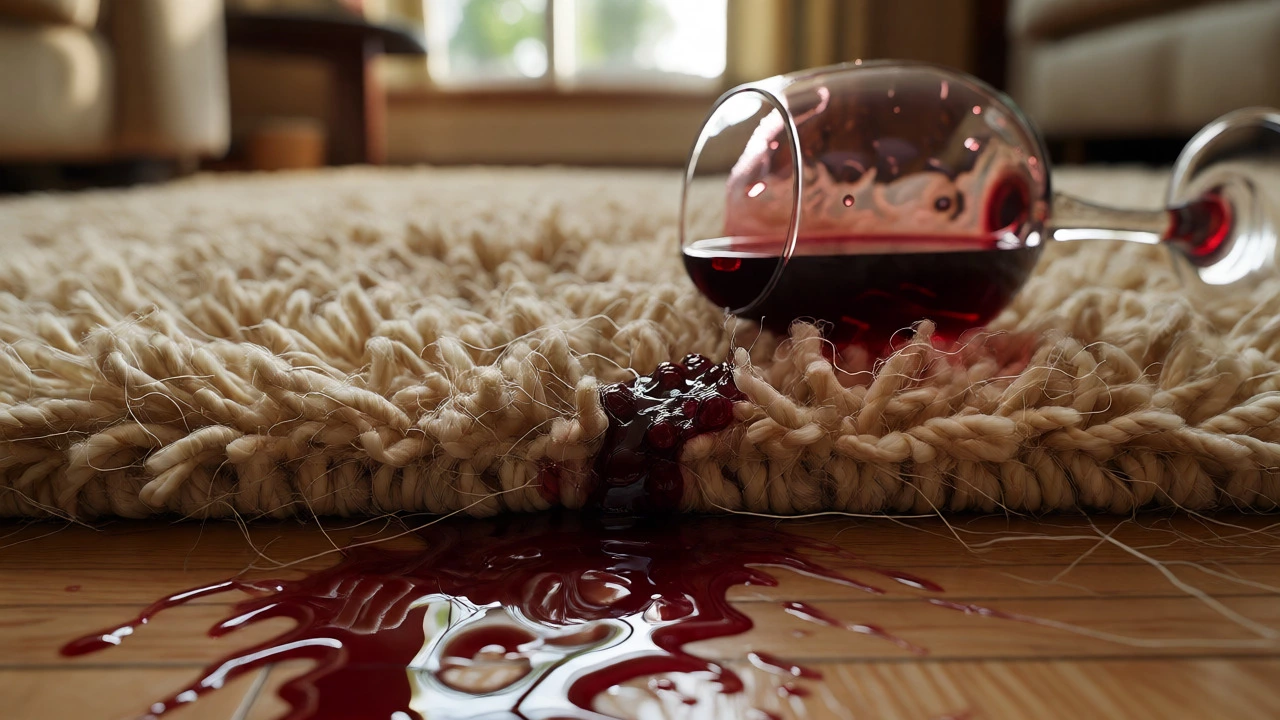
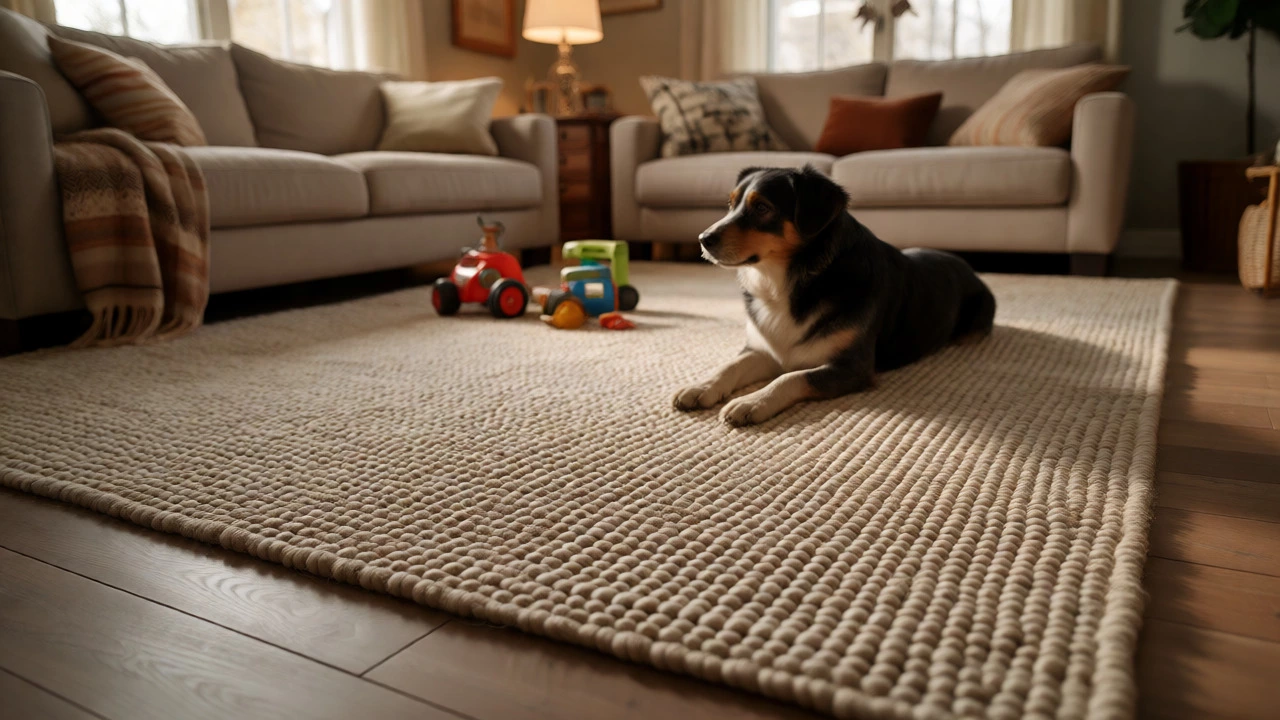
You just found the perfect rug. It looks expensive, feels soft, and fits your budget. You bring it home, unroll it in the living room, and for about three days, everything is great. Then reality hits. The kids spill juice. The dog tracks mud. You vacuum it once, and fibers start shedding like crazy. Suddenly, that beautiful rug is a high-maintenance nightmare you can’t wait to get rid of.
Choosing the wrong rug material is one of the most common decorating mistakes people make. We often buy based on color or texture, ignoring how the fiber actually behaves under daily wear and tear. Your living room isn’t a showroom; it’s where life happens. If you want a rug that survives pets, kids, coffee spills, and heavy foot traffic without turning into a lint trap or a slip hazard, you need to know which materials to steer clear of.
Why Material Matters More Than Style
Before we list the bad actors, let’s talk about why this matters. A rug does more than cover the floor. It anchors the furniture, absorbs sound, and defines the space. But if the material is wrong, those benefits vanish fast. Poor-quality fibers degrade quickly, releasing microplastics or dust. They stain easily, trapping odors that no amount of baking soda can fix. And worst of all, they can be unsafe-slipping around on hardwood floors or harboring allergens deep in the pile.
Think of your rug as an investment in comfort and hygiene. Spending $50 less on a cheap synthetic might cost you hundreds in replacements or professional cleaning within two years. Conversely, picking a material that doesn’t suit your lifestyle means constant frustration. Are you constantly picking pet hair off the surface? Do you avoid eating near the sofa because you’re afraid of crumbs? That’s not relaxation; that’s maintenance work.
The Big Three: Synthetics That Fail Under Pressure
Not all synthetics are created equal, but three specific types tend to cause the most headaches in high-traffic living rooms.
1. Low-Quality Polypropylene (Olefin)
Polypropylene, also known as olefin, is everywhere because it’s cheap and stain-resistant. Sounds great, right? Here’s the catch: while it resists stains, it hates oil-based messes. Butter, salad dressing, or even natural skin oils from feet can leave permanent greasy spots that regular cleaners won’t touch.
More importantly, cheap polypropylene sheds. Like, a lot. If you have allergies or asthma, this shedding releases fine particles into the air every time someone walks across it. It also tends to flatten over time, especially in front of the TV or sofa where everyone sits. Once crushed, it rarely bounces back, leaving your rug looking patchy and worn out after just a year.
2. Thin Acrylic
Acrylic is often marketed as "vegan wool" because it mimics the look and feel of natural wool at a fraction of the cost. But don’t be fooled by the appearance. Acrylic fibers are plastic. In a warm living room with sunlight streaming through windows, acrylic can degrade faster than you’d expect. It becomes brittle and snaps under pressure.
It also generates static electricity. If you’ve ever had a shock when touching a doorknob after walking across a carpet, you know the feeling. Acrylic amplifies this. Plus, it traps heat differently than wool, making it feel oddly clammy in summer or overly insulating in winter. It’s a material that tries too hard to be wool but fails at the durability test.
3. Jute (For Indoor Use Only)
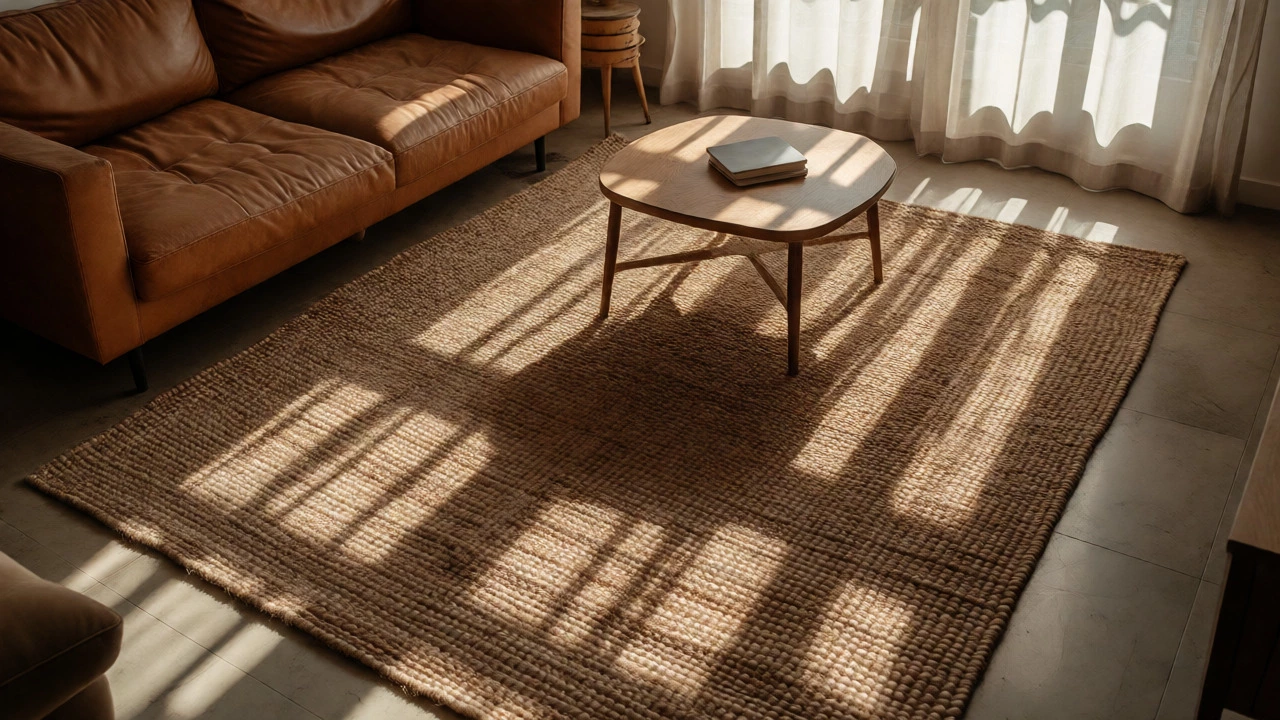
Jute is trendy. It gives that earthy, boho vibe that’s popular right now. But here’s the secret jute sellers don’t tell you: it’s not water-friendly. Jute is a natural plant fiber that absorbs moisture rapidly. Spill a glass of wine? That stain is likely permanent. Humidity spikes in your living room? The rug might warp or develop a mildew smell.
Jute is also rough. Walking barefoot on it feels like stepping on sandpaper. For a living room where you relax in socks or bare feet, this texture can become irritating quickly. It’s best suited for low-traffic areas or covered porches, not the heart of your home.
Natural Fibers That Require Too Much Care
Sometimes the problem isn’t that the material is bad-it’s that it demands more attention than you have time to give.
Silk and Silk Blends
Silk is gorgeous. It shines under light and feels luxurious underfoot. But putting silk in a living room is like wearing white shoes to a mud festival. It stains instantly. Water spots? Permanent. Sunlight? Fades the color unevenly within months.
Cleaning silk requires specialized professionals who charge premium rates. If you have pets, silk is a disaster waiting to happen. Cat claws snag the delicate threads, creating pulls that ruin the pattern. Unless your living room is strictly adults-only and you never eat or drink there, skip the silk.
Unsealed Wool
Wool is generally excellent for rugs. It’s durable, flame-resistant, and naturally stain-repellent due to lanolin. However, unsealed or poorly treated wool can shed significantly during the first few months. More critically, if the backing isn’t properly secured, wool rugs can stretch or ripple over time, especially in humid climates.
Look for tightly woven wool with a secure backing. Loose-weave wool might look artisanal, but it collects dirt deep inside the knot structure, making it nearly impossible to clean thoroughly with a standard vacuum.
How to Test Rug Durability Before Buying
You don’t need a lab to check quality. Use these simple tests in the store or online via samples:
- The Pull Test: Gently pull a few fibers. If they come out easily, the rug will shed. Good rugs hold tight.
- The Bend Test: Fold the rug corner. Does it crack or crease permanently? Stiff, brittle fibers indicate poor quality.
- The Smell Test: Sniff the backing. Strong chemical odors mean volatile organic compounds (VOCs) are off-gassing, which affects indoor air quality.
- The Weight Check: Heavier rugs usually stay put better. Light rugs slide around unless you use a thick pad, which adds another layer of potential slipping.
Comparison: Common Rug Materials vs. Living Room Reality
| Material | Durability | Stain Resistance | Pet Friendly? | Maintenance Level |
|---|---|---|---|---|
| Low-Grade Polypropylene | Low (Crushes easily) | Medium (Oil stains stick) | No (Sheds fur/hair) | High (Frequent vacuuming needed) |
| Acrylic | Medium (Brittle over time) | Low (Absorbs liquids) | No (Static attracts hair) | Medium-High |
| Jute | Low (Water sensitive) | Very Low | No (Snags easily) | High (No wet cleaning) |
| Silk | Very Low | Very Low | No (Claw damage) | Very High (Professional only) |
| High-Quality Wool | High | High (Natural lanolin) | Yes (Hides hair well) | Low-Medium |
| Viscose/Rayon | Low | Very Low (Water spots) | No (Sheds heavily) | High |
Better Alternatives: What to Buy Instead
If you’re avoiding the materials above, what should you choose? For most living rooms, high-quality wool remains the gold standard. It’s resilient, hides dirt until you’re ready to clean it, and lasts decades.
For a budget-friendly option, look for recycled PET polyester. Unlike cheap polypropylene, recycled PET is denser, more durable, and holds its shape better. It’s also easier to clean and resistant to fading.
If you love the natural look, consider sisal blends rather than pure jute. Blending sisal with nylon adds strength and reduces the roughness, making it more livable.
Final Checklist Before You Swipe Your Card
- Does your household have pets or young children? Avoid silk, jute, and thin acrylic.
- Is the room sunny? Skip viscose and low-grade synthetics that fade quickly.
- Do you hate vacuuming? Choose darker colors or textured patterns that hide dust and hair.
- Check the backing. Latex backings can degrade and crumble over time, especially in hot climates. Look for glued or sewn edges instead.
Your living room rug should make your life easier, not harder. By avoiding these problematic materials, you save money, reduce stress, and create a space that feels truly welcoming.
Is polypropylene really that bad for living rooms?
It depends on the quality. Cheap polypropylene crushes easily and sheds, which is annoying for allergy sufferers. High-density polypropylene can be decent for outdoor patios or very low-traffic areas, but for a busy family living room, it often wears out too quickly compared to wool or recycled polyester.
Can I use a jute rug in my living room if I’m careful?
You can, but it’s risky. Jute is highly absorbent. Even small spills can lead to mold or permanent discoloration. If you choose jute, ensure it has a protective backing and keep it away from food and drink zones. It’s also quite rough, so consider if you mind the texture underfoot.
Why does my acrylic rug generate so much static?
Acrylic is a synthetic polymer that doesn’t conduct electricity well. When friction occurs from walking, electrons build up, causing static shocks. This is worse in dry environments. Using a humidifier or an anti-static spray can help, but switching to wool or cotton blends reduces the issue naturally.
Are viscose rugs worth buying for the shine?
Viscose (rayon) looks beautiful initially but is notoriously difficult to maintain. It stains easily with water and oil, and cleaning often leaves visible marks. It’s best reserved for formal dining rooms or bedrooms with low foot traffic, not active living spaces.
What is the most durable rug material for high-traffic areas?
Wool is widely considered the most durable natural fiber due to its elasticity and resilience. For synthetic options, high-density nylon or recycled PET polyester offers excellent durability and stain resistance. These materials bounce back from compression and resist crushing under furniture legs.