
Couch Cleanliness Matchmaker
Answer three quick questions to find the perfect low-maintenance sofa for your home.
Recommended Material:
Match ScoreMaterial Name
Reasoning goes here...
Why this fits your needs:
You just spent a fortune on a beautiful velvet sofa. It looks stunning in the living room photos. Then, Tuesday night happens. Someone spills red wine, the dog tracks mud from the garden, and your toddler decides that yogurt is best applied directly to the armrest. Suddenly, that "stunning" piece of furniture becomes a source of daily anxiety. You aren't alone in this struggle. Most people buy sofas based on aesthetics or comfort, completely ignoring the maintenance reality until it's too late.
So, what is the easiest couch to keep clean? The short answer isn't just one material; it's a combination of fabric type, construction style, and color strategy. If you want a sofa that survives real life-kids, pets, and accidental spaghetti dinners-you need to look beyond the showroom floor. Let's break down exactly which materials win the cleanliness battle and why, so you can stop worrying about stains and start enjoying your living space.
Why Leather Often Wins the Hygiene Battle
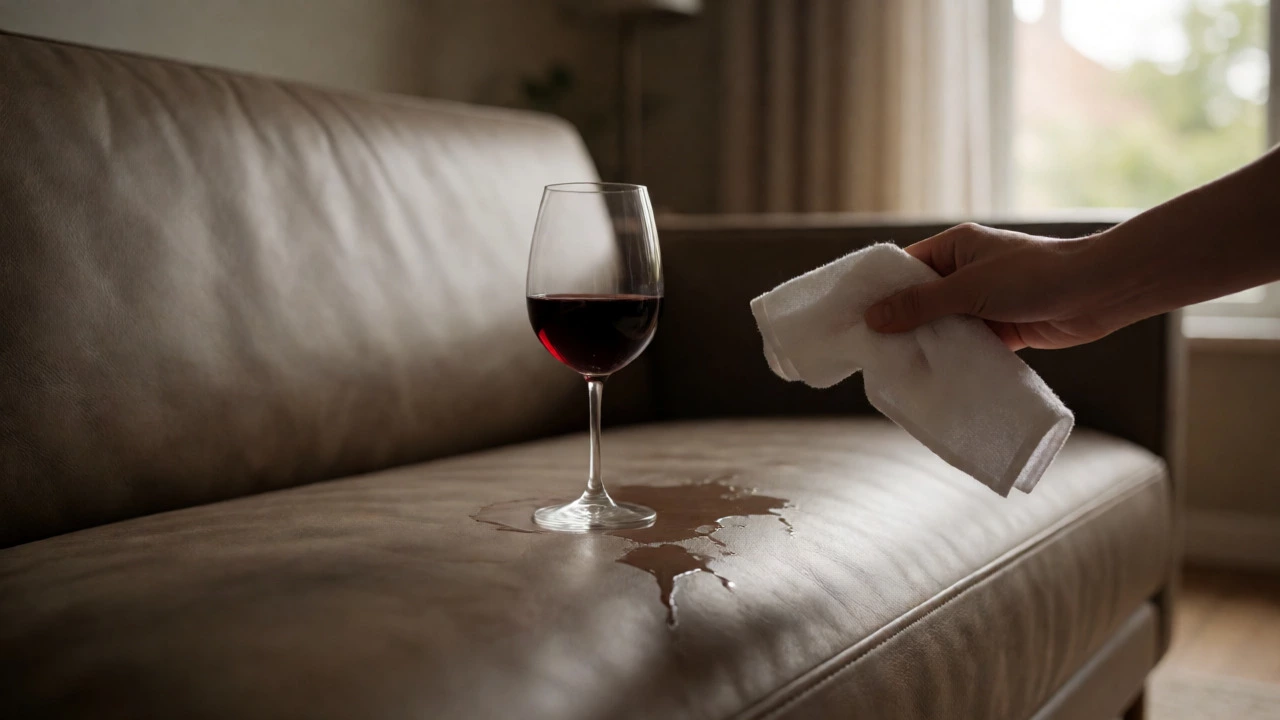
When we talk about cleaning, Leather is often cited as the gold standard for hygiene. Why? Because it doesn't absorb liquids immediately. If you spill coffee on a genuine leather sofa, you have time. You can grab a cloth, wipe it up, and walk away. With most fabrics, the liquid sinks into the fibers within seconds, becoming part of the upholstery forever.
However, not all leather is created equal. There are two main types you'll encounter: aniline (or full-grain) and protected (or corrected) leather. Aniline leather is porous and develops a patina over time. While beautiful, it absorbs oils and stains easily. Protected leather has a polyurethane coating. This coating acts as a shield, making the surface non-porous and incredibly easy to wipe down with a damp cloth and mild soap.
For the absolute easiest maintenance, choose protected leather. It resists scratches better than aniline and wipes clean without conditioning every few months. The downside? It can feel less natural to the touch and may crack if exposed to excessive heat or direct sunlight over many years. But if your priority is low-effort cleaning, protected leather is hard to beat.
The Rise of Performance Fabrics
If you hate the cold feel of leather or worry about it sticking to skin in summer, don't panic. Technology has revolutionized synthetic textiles. Enter Performance Fabric. These are engineered materials designed specifically to resist stains, moisture, and wear. Brands like Crypton, Sunbrella, and Revolution offer fabrics that repel liquids at a molecular level.
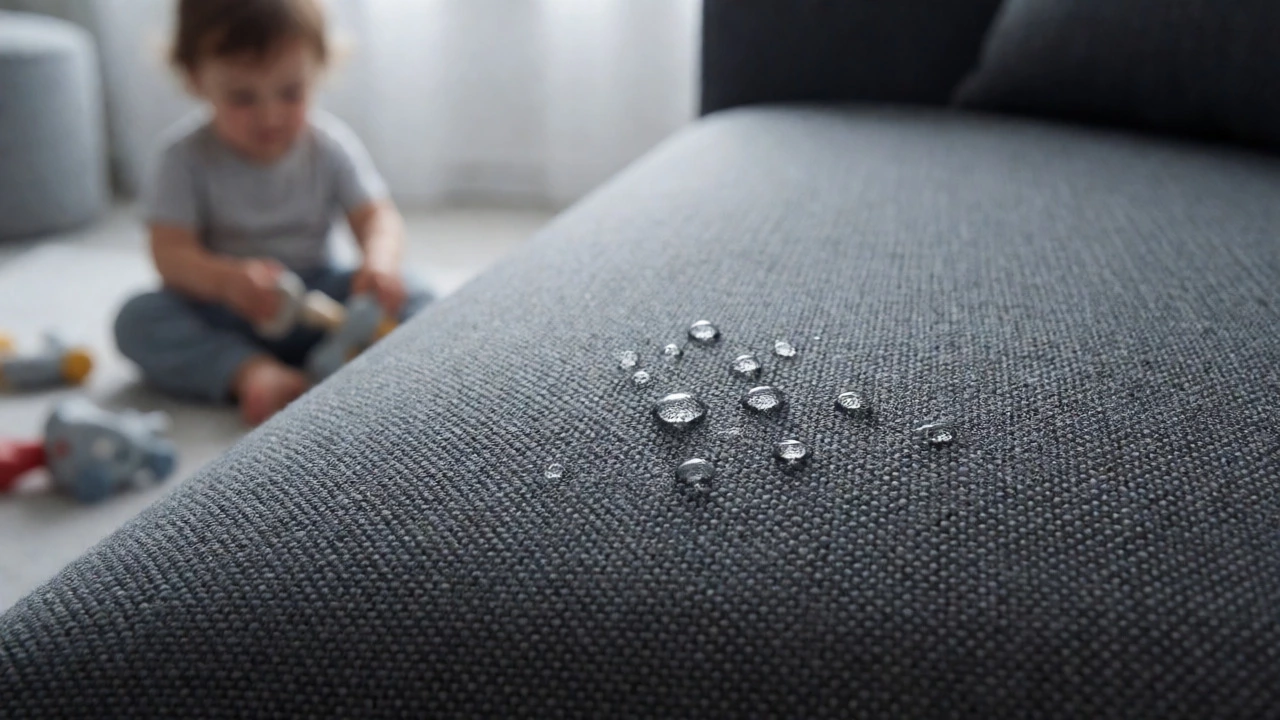
How does it work? Unlike traditional cotton or linen, where fibers soak up water, performance fabrics use tightly woven synthetic threads treated with hydrophobic coatings. When you spill water or juice, it beads up on the surface rather than soaking in. You can blot it away with a paper towel, and the stain disappears. Some advanced versions even allow you to scrub tough stains with bleach-based cleaners without damaging the color.
Microfiber is another contender in this arena. Specifically, high-quality polyester microfiber is dense enough to prevent dirt from penetrating deep into the cushion. It’s also naturally resistant to dust mites and allergens, making it a smart choice for households with allergy sufferers. Just be aware: cheap microfiber can attract lint and hair like a magnet. Look for fabrics labeled "anti-static" or "low pile" to avoid this headache.
Fabric Construction Matters More Than Material
Choosing the right fiber is only half the battle. How that fiber is woven determines how easy it is to clean. A loose-weave linen might look airy and chic, but crumbs and pet hair will settle deep into the gaps between threads. Vacuuming won't reach them. Over time, your sofa starts looking dingy no matter how often you clean it.
Tight weaves are your friend here. Tightly packed fibers create a smoother surface where debris sits on top, ready to be brushed off or vacuumed. Additionally, consider the texture. Smooth surfaces are easier to wipe than nubby, textured ones. Textured fabrics trap dirt in their crevices, requiring more aggressive cleaning methods that can sometimes damage the weave.
Another critical factor is whether the covers are removable. A sofa with zip-off covers is a game-changer. If something terrible happens-say, a permanent marker incident-you can simply take the cover off, toss it in the washing machine, and put it back. No professional steaming required. Check the care label first, though. Not all removable covers are machine washable, and shrinking a cover is a disaster.
Color Strategy: Dark vs. Light vs. Patterned
We all love a white sofa. It makes a small room feel larger and brighter. But let's be honest: keeping a white sofa pristine requires military-level discipline. Every crumb shows. Every shadow of dirt is visible. If you have young children or pets, a stark white fabric is likely to cause stress.
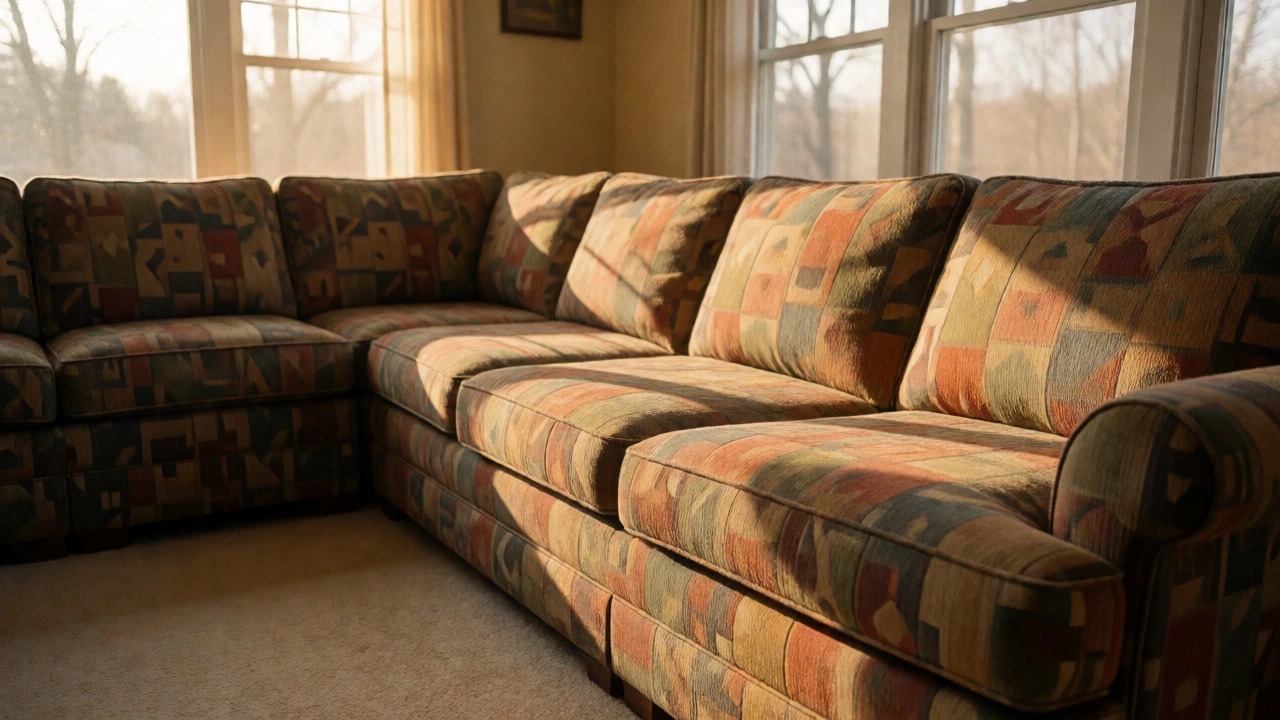
What colors hide messes best? Mid-tones and patterns are your secret weapons. A charcoal grey, navy blue, or warm taupe hides dust and light stains remarkably well. Patterns, especially those with multiple colors or busy prints, are even better. They camouflage minor blemishes effectively. If you spot a small stain, it blends into the pattern rather than standing out against a solid background.
Avoid extreme ends of the spectrum if you want low maintenance. Pure black shows lint and white pet hair instantly. Pure white shows everything else. Aim for the middle ground. Earth tones like olive green, rust orange, or slate grey offer style without the constant vigilance. If you must have light colors, opt for a cool-toned beige or oatmeal, which tends to blend with common household dust better than warm yellows.
Practical Maintenance Tips for Any Sofa
Even the easiest couch needs some basic care. Here is a simple routine to keep any sofa looking fresh:
- Vacuum Weekly: Use the upholstery attachment on your vacuum cleaner. Pay special attention to seams and crevices where crumbs accumulate. This prevents dirt from grinding into the fibers.
- Blot, Don't Rub: If you spill something, blot it immediately with a clean, dry cloth. Rubbing pushes the liquid deeper into the fabric and spreads the stain.
- Test Cleaning Products: Before applying any cleaner to a visible area, test it on a hidden spot (like the back or underside). This ensures it doesn't discolor or damage the material.
- Rotate Cushions: Flip and rotate seat cushions regularly. This ensures even wear and prevents one side from becoming permanently flattened or stained.
For leather, wipe down with a damp cloth once a month to remove body oils and dust. For fabric, consider using a fabric protector spray every six months. These sprays add an extra layer of defense against spills, buying you precious minutes to react before a stain sets.
Comparison: Which Sofa Type Fits Your Lifestyle?
| Material | Cleaning Effort | Stain Resistance | Pet Friendliness | Best For |
|---|---|---|---|---|
| Protected Leather | Very Low | High | Moderate (scratches) | Allergy sufferers, quick cleanup |
| Performance Fabric | Low | Very High | High | Families with kids/pets |
| Microfiber | Low | Moderate-High | Moderate (lint) | Budget-conscious buyers |
| Cotton/Linen | High | Low | Low | Formal, low-traffic rooms |
| Velvet | Medium-High | Moderate | Low (hair traps) | Aesthetic-focused spaces |
Frequently Asked Questions
Is leather or fabric easier to clean?
Generally, leather is easier to wipe down because it is non-porous. However, modern performance fabrics often match or exceed leather's stain resistance while being softer and more comfortable. The key is choosing coated or treated materials rather than raw natural fibers.
Can I wash a microfiber couch cover?
Many microfiber couches have removable covers that are machine washable. Always check the care tag. Typically, you should use cold water and mild detergent, then air dry or tumble dry on low heat. Never bleach unless specified, as it can weaken the fibers.
What is the best color for a sofa with pets?
Choose a color that matches your pet's fur. If you have a black dog, a dark grey or brown sofa hides hair better than white. Patterns are also excellent because they distract the eye from stray hairs and minor stains.
Does vinegar clean sofas?
A solution of equal parts water and white vinegar can help lift odors and light stains from many fabrics. Test it on a hidden area first. Vinegar is acidic, so it might affect certain dyes or finishes, particularly on delicate silks or untreated leathers.
Are slipcovered sofas easier to maintain?
Yes, significantly. Slipcovers act as a barrier between your clothes/spills and the actual sofa frame. When they get dirty, you simply remove them and wash them. This extends the life of the underlying furniture and allows for seasonal style changes.