
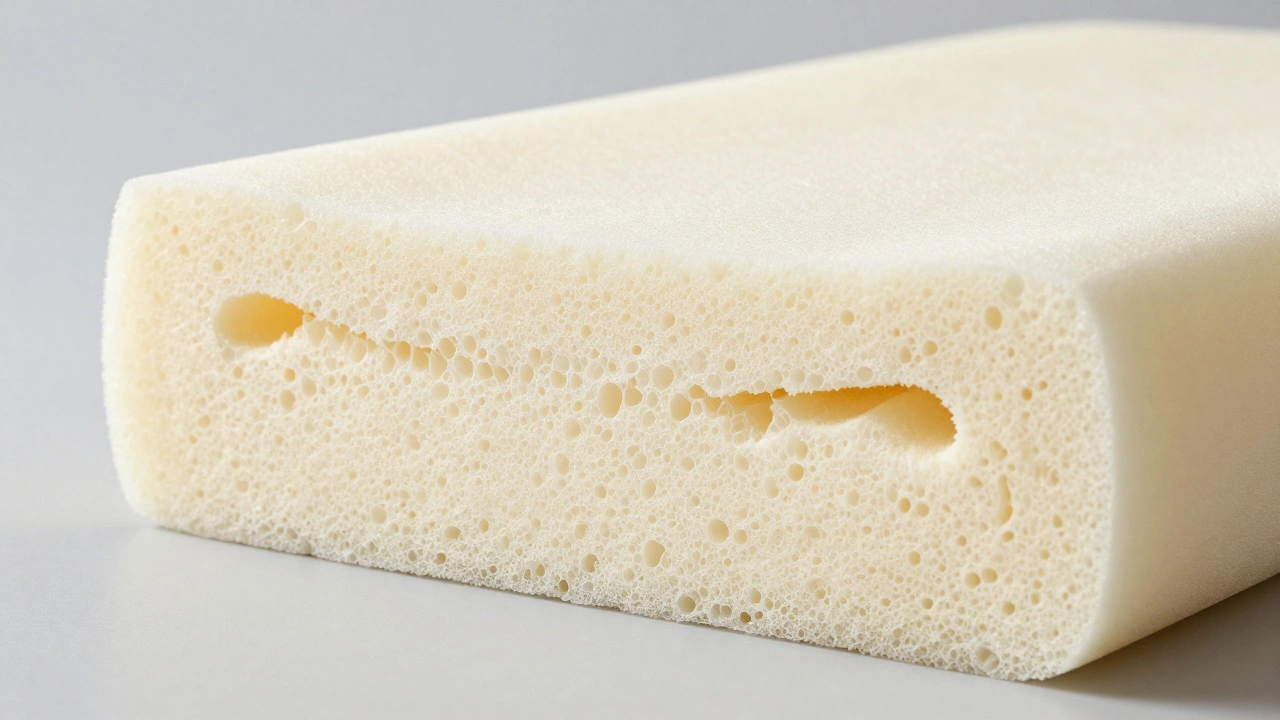
- High-density polyurethane foam is the gold standard for structural longevity.
- Down-wrapped foam offers a balance of luxury and support.
- Avoid low-density "bonded" foams which crumble over time.
- The ability to flip and rotate cushions can extend their life by 30% to 50%.
- Performance fabrics like crypton protect the inner core from moisture decay.
The Heavy Hitters: High-Density Foam
When you're hunting for the longest lasting couch cushions, the first thing you need to know is that not all foam is created equal. High-Density Foam is a polyurethane-based material with a tight cellular structure that resists collapsing under weight. In the industry, this is often measured by "density" (lbs per cubic foot). A standard cheap sofa might use foam with a density of 1.5 lbs, which will flatten out quickly. A high-end, durable piece usually starts at 2.5 lbs or higher.
Why does density matter? Think of it like a sponge. A low-density sponge has huge holes that collapse easily. High-density foam has millions of tiny, strong cells that push back against your weight. This means the cushion returns to its original shape immediately after you stand up. If you're looking for a seat that stays firm for a decade, high-density polyurethane is your best bet. It doesn't breathe as well as natural materials, but it's the undisputed king of structural integrity.
The Luxury Compromise: Down-Wrapped Foam
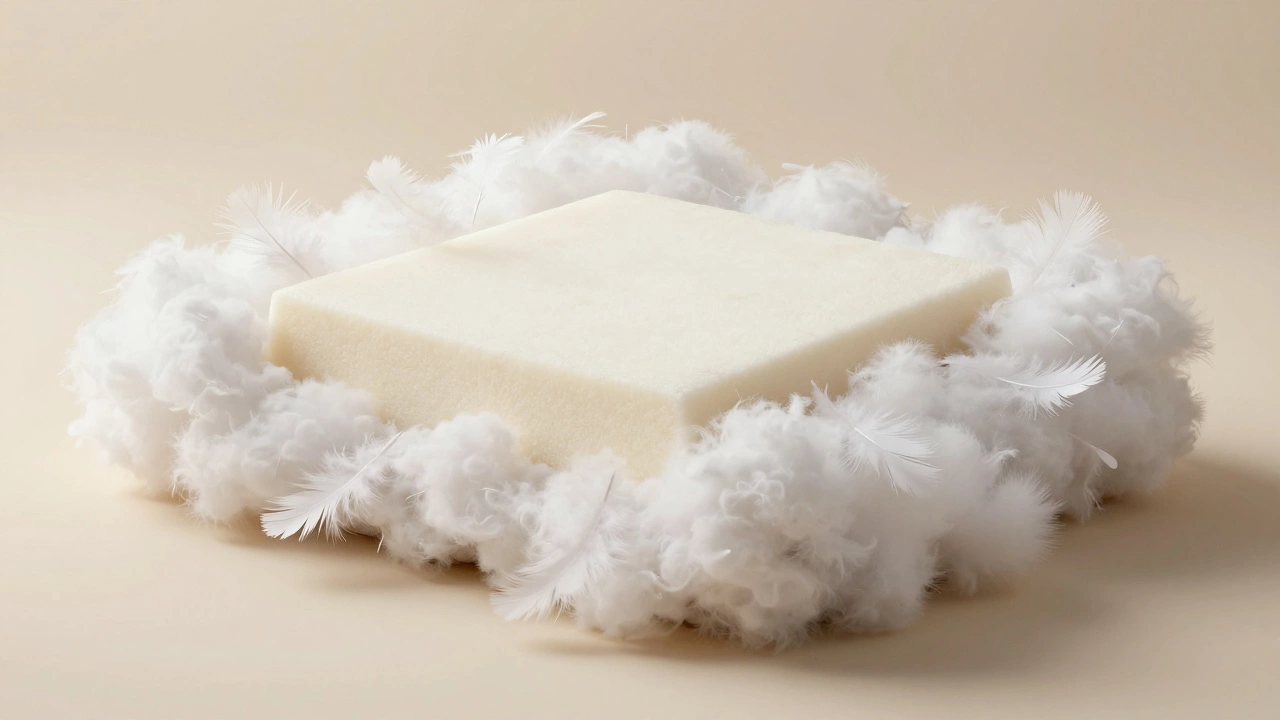
If high-density foam feels too much like sitting on a gym mat, you'll likely see Down Feathers is soft plumage from waterfowl used as a filling for a plush, "sink-in" feel wrapped around a foam core. This is a hybrid approach. You get the cloud-like softness of feathers on the outside, but the high-density foam core prevents the cushion from completely pancaking.
The trade-off here is maintenance. Pure down cushions are a nightmare for longevity because they lose their loft. You'll spend your weekends "fluffing" the pillows to get them back into shape. However, a foam-core down cushion provides the best of both worlds. The foam does the heavy lifting, and the down provides the comfort. Just be aware that the feathers can eventually leak through the fabric if the inner ticking isn't high-quality.
Memory Foam and the Sagging Trap
You've probably heard a lot about Memory Foam is a viscoelastic polyurethane foam that molds to the body's shape using heat and pressure in mattresses. In a couch, however, it's a bit of a gamble. While it's incredibly comfortable for a few minutes, memory foam is sensitive to temperature. In a cold living room, it can feel stiff; in a hot room, it can feel too soft.
More importantly, memory foam is often less "resilient" than high-density foam. Resilience is the ability of the material to bounce back quickly. Memory foam, by definition, remembers the shape. Over years of sitting in the same spot, memory foam can develop permanent indentations more easily than a high-resilience (HR) foam. If you love the feel, look for a blend of HR foam and memory foam to get the support you need without the permanent dips.
| Material | Lifespan | Support Level | Maintenance |
|---|---|---|---|
| High-Density Foam | 10-15 Years | Very High | Low |
| Down-Wrapped Foam | 7-12 Years | Medium-High | Medium (Fluffing) |
| Pure Down/Feather | 3-7 Years | Low | High (Constant) |
| Bonded/Reclaimed Foam | 2-5 Years | Low-Medium | Low |
The Hidden Culprit: Bonded Foam
If you're buying a budget sofa and the cushions feel "okay" in the showroom, be wary of Bonded Foam is a recycled material made by shredding foam scraps and gluing them back together with polyurethane adhesive . To the untrained eye, it looks like regular foam, but it's often multi-colored or has a grainy texture. This is essentially the "particle board" of the cushion world.
Bonded foam is significantly less durable than virgin high-density foam. Because it's made of scraps, the structural integrity is inconsistent. Over time, the glue breaks down and the small chunks of foam lose their elasticity. This is why some couches feel great for six months and then suddenly collapse into a sad, lumpy mess. If the manufacturer doesn't explicitly state "high-density" or "virgin foam," there's a high chance you're dealing with bonded materials.
Extending the Life of Your Seat
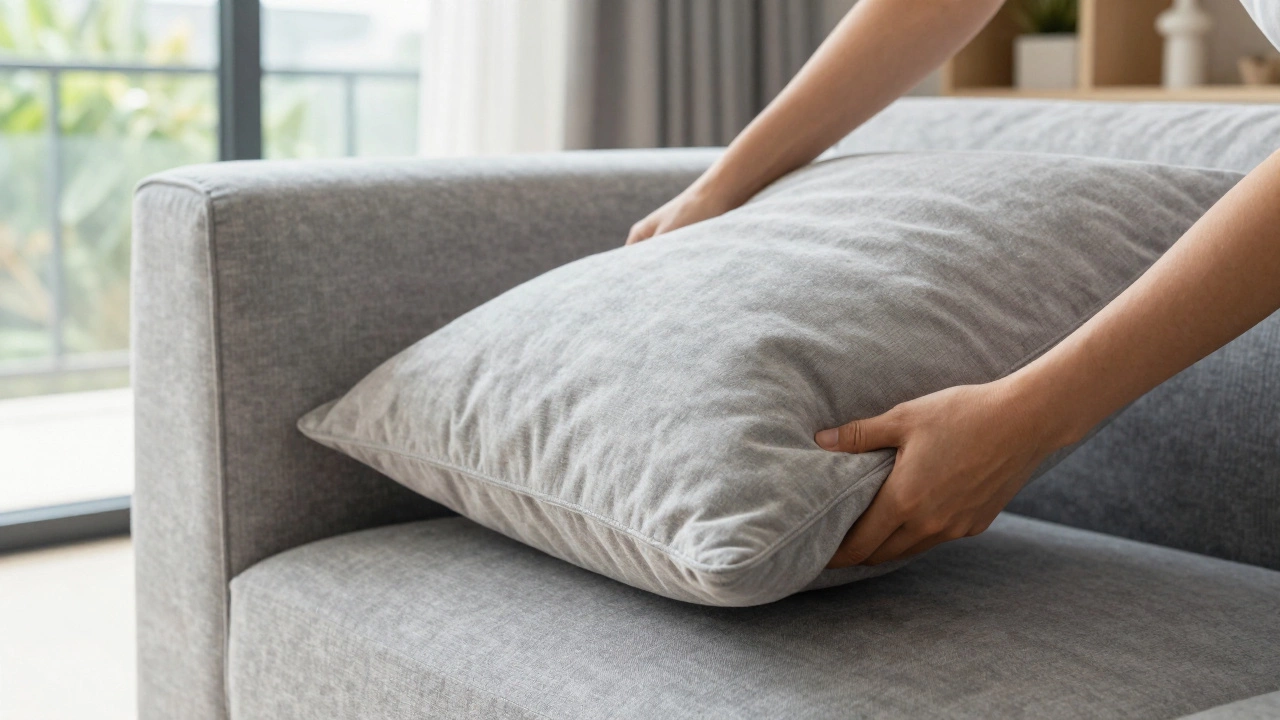
Even the best materials will fail if you treat them poorly. The secret to making a couch last twenty years isn't just what's inside, but how you use it. Most people sit in the same spot every single day-usually the middle cushion. This creates an uneven wear pattern where one section is crushed while the others remain brand new.
To fight this, implement a rotation schedule. Every two weeks, flip your cushions over and rotate them to different positions. This distributes the pressure across the entire foam block and prevents "valleying." Additionally, consider the fabric. Using a Performance Fabric is a textile treated with chemicals or engineered to resist stains, water, and wear like polyester blends or crypton prevents liquids from seeping into the foam. Once foam absorbs moisture or oils from the skin, the chemical bonds begin to break down, leading to premature sagging.
Signs You Need a Replacement
How do you know when the battle is lost? There are a few red flags. First, the "Bottom Out" test. If you sit down and can feel the springs or the wooden deck through the cushion, the foam cells have collapsed. This isn't something you can fix with fluffing; the molecular structure of the foam is gone.
Second, look for permanent creases. If a cushion has a deep fold in the center even when no one is sitting on it, the resilience is gone. At this point, you have two choices: buy a new sofa or invest in a Cushion Replacement is the process of replacing the inner foam core while keeping the original fabric covers . Many local upholstery shops can cut custom blocks of 2.8 lb density foam that will actually outlast the original cushions that came with the couch.
Is memory foam better than high-density foam for a couch?
Not for longevity. While memory foam is great for pressure relief and contouring, it doesn't have the same "push back" as high-density polyurethane foam. For a couch you use daily, high-density foam is far superior because it maintains its shape over many years and resists permanent dipping.
How often should I rotate my couch cushions?
Ideally, every two to four weeks. Rotating the cushions ensures that the weight of your body is distributed evenly across the foam. If you only sit in one spot, that specific area will degrade much faster than the rest of the sofa.
Can I add foam to a sagging cushion?
Yes, you can use a foam insert or "booster" pad. However, if the original foam has collapsed, adding a layer on top is often a temporary fix. The best long-term solution is to remove the old foam entirely and replace it with a high-density block cut to the exact dimensions of the cover.
Do feather cushions last longer than foam?
Generally, no. Feathers compress and shift, requiring constant maintenance to stay plump. While the feathers themselves don't "break down" like chemical foam, they lose their loft, making the cushion feel flat. High-density foam maintains a consistent height for much longer.
What is the best foam density for a living room sofa?
For a primary sofa used daily, look for a density of 2.5 lbs/ft³ or higher. Anything below 1.8 lbs is typically considered "low density" and will likely begin to sag within a few years of regular use.
Next Steps for Sofa Care
If you're currently shopping for a new couch, don't be afraid to ask the salesperson specifically about the foam density. If they can't give you a number, it's probably low-grade foam. For those who already have a sagging sofa, your first move should be checking if the cushions are flippable. If they are, start your rotation schedule today.
If the cushions are sewn-in, you might consider a professional upholstery service to replace the internal cores. It's often significantly cheaper than buying a whole new piece of furniture and allows you to upgrade to a higher quality material than what the factory originally provided.