
Mirror Aversion Insight Tool
Select the feeling that best describes your experience with mirrors to find the potential psychological driver and a helpful coping strategy.
Potential Driver: Spectrophobia
This is an irrational and persistent fear of mirrors. Your brain may be failing to recognize the image as 'self,' leading to a perceived threat.
Potential Driver: Body Dysmorphic Disorder (BDD)
The mirror acts as a judge rather than a neutral tool. You may be focusing on perceived defects that are unnoticeable to others.
Potential Driver: Depersonalization
This is a neurological disconnect where the image looks correct, but the feeling of ownership is gone, creating a sense of unreality.
Potential Driver: Cultural Conditioning
Societal beliefs or childhood folklore may have baked a sense of spiritual risk or misfortune into your subconscious.
Key Takeaways
- Mirror aversion often stems from psychological conditions like Spectrophobia or Body Dysmorphic Disorder.
- Neurological differences in how the brain processes visual feedback can cause a "disconnect" during reflection.
- Cultural superstitions and childhood traumas can create long-term emotional associations with mirrors.
- Managing this discomfort usually involves gradual exposure therapy and addressing the root mental health cause.
The Fear of the Reflection: Understanding Spectrophobia
When someone says they hate mirrors to the point of avoiding them, they might be dealing with Spectrophobia is the irrational and persistent fear of mirrors or seeing one's own reflection. It's not just a dislike; it's a visceral reaction. People with this condition often feel that the reflection isn't actually them, or that something sinister is hiding behind the glass. This isn't about vanity-it's about a perceived threat.
Why does this happen? For some, it's a specific type of anxiety where the brain fails to recognize the image in the mirror as "self." This can lead to a feeling of dissociation, where you feel detached from your own body. If you've ever stared at yourself in a mirror for too long and felt like your face started to look like a stranger's, you've experienced a mild version of this. For someone with spectrophobia, that feeling is amplified and terrifying.
When the Image Doesn't Match the Mind
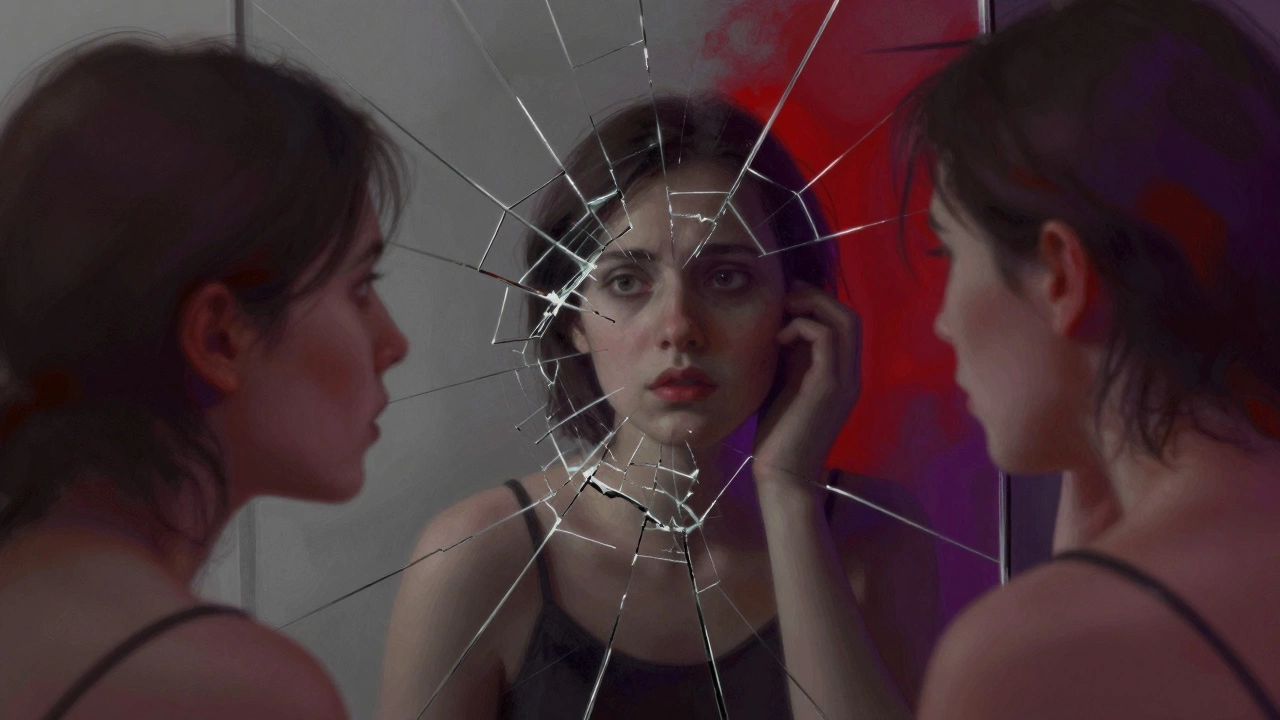
A huge driver of mirror hatred is Body Dysmorphic Disorder (or BDD) is a mental health condition where a person spends a lot of time worrying about flaws in their appearance that are often unnoticeable to others. In this case, the mirror isn't a neutral object; it's a judge. People with BDD don't just see a reflection; they see a distorted version of themselves that focuses on specific perceived defects.
This creates a toxic cycle. You look in the mirror, notice a flaw, feel intense distress, and then either avoid mirrors entirely or spend hours obsessively checking them. It's an exhausting way to live. The mirror becomes a source of pain because it provides a visual confirmation of a feeling of inadequacy, even if the reflection is objectively fine. The hatred isn't directed at the glass, but at the perceived image the glass provides.
The Neurological Glitch: Capgras and Dissociation
Sometimes the issue is purely biological. There are rare neurological conditions, like Capgras Syndrome is a psychological condition where a person believes that a friend, spouse, parent, or other close family member has been replaced by an identical impostor, which can occasionally extend to the person's own reflection. While Capgras usually targets others, the underlying mechanism is a failure in the emotional response to a visual stimulus.
Then there is Depersonalization is a state in which a person feels detached from their own body or mental processes. When someone experiencing depersonalization looks in a mirror, they might feel a profound sense of "wrongness." The image looks correct, but the feeling of ownership is gone. It's like looking at a photograph of yourself and not feeling like the person in the photo is actually you. This disconnect can be deeply unsettling, leading people to cover mirrors in their homes with sheets or remove them entirely to stop the feeling of fragmentation.
Cultural Weight and the "Evil Eye"
We can't ignore the role of culture. Across different societies, mirrors have been shrouded in mystery and dread. In various folklore traditions, mirrors are seen as portals or tools for spirits. Some people grow up in households where they are told not to look in mirrors at night or that breaking a mirror brings seven years of bad luck. While this sounds like simple superstition, these beliefs can bake themselves into the subconscious.
In some cultures, the concept of the Evil Eye is a superstitious belief that a malicious glare can cause misfortune or injury to the person being looked at plays a role. If a person believes that mirrors can trap the soul or allow negative energy to enter the home, the mirror stops being a piece of furniture and becomes a spiritual risk. This cultural conditioning can manifest as a general dislike or fear of reflective surfaces, even in adults who no longer consciously believe in the myths.
| Type of Aversion | Primary Driver | Core Feeling | Typical Behavior |
|---|---|---|---|
| Spectrophobia | Phobic Anxiety | Terror / Dread | Avoiding mirrors entirely |
| BDD | Perceptual Distortion | Shame / Self-loathing | Obsessive checking or avoidance |
| Depersonalization | Neurological Disconnect | Unreality / Detachment | Feeling like a stranger |
| Cultural Beliefs | Societal Conditioning | Superstition / Unease | Covering mirrors at night |
How to Handle Mirror Anxiety
If you or someone you know struggles with this, the path forward usually depends on the cause. If it's a phobia, Cognitive Behavioral Therapy (CBT) is a type of psychotherapeutic treatment that helps people learn a new way of thinking and behaving to improve their mental health is often the gold standard. Specifically, exposure therapy helps. This means starting with a very small mirror in a safe environment and gradually increasing the time spent looking at the reflection until the brain stops flagging it as a danger.
For those dealing with BDD, the focus shifts from the mirror to the thought pattern. Learning that the mirror is lying-that the brain is distorting the image-is a huge part of the healing process. Mindfulness techniques can help a person observe their reflection without immediately jumping to a critical judgment. It's about retraining the brain to see the whole person rather than zooming in on a single perceived flaw.
Common Questions About Mirror Aversion
Is it normal to feel weird when staring at a mirror for too long?
Yes, this is actually a known phenomenon called the Troxler effect. When you stare at one point for a long time, your neurons stop responding to unchanging stimuli. This can cause your reflection to warp, disappear, or look like someone else. It's a visual illusion, not a sign of mental illness, though it can be creepy.
Can mirror aversion be a sign of a larger mental health issue?
It can. While hating mirrors isn't a diagnosis on its own, it is often a symptom of anxiety disorders, OCD, or dissociative disorders. If the avoidance interferes with your daily life-like skipping work because you can't face the bathroom mirror-it's a good idea to talk to a professional.
What is the difference between vanity and mirror obsession in BDD?
Vanity is about enjoying your appearance and wanting others to admire it. Mirror obsession in BDD is rooted in distress and fear. Someone with BDD isn't looking in the mirror to feel good; they are looking to find "proof" of a flaw or to check if a flaw is visible to others.
Why do some people cover mirrors in their bedrooms?
This is often due to a mix of Feng Shui beliefs (where mirrors facing the bed are thought to disrupt energy) and a desire to reduce visual stimulation before sleep. For some with anxiety, covering mirrors prevents them from seeing movement in the periphery of their vision, which can trigger a "jump scare" response at night.
Can children develop a fear of mirrors?
Absolutely. Children go through a phase called the "mirror stage" where they first recognize that the reflection is actually them. If this process is interrupted by a scary experience or if they are exposed to horror movies involving mirrors, they can develop a lasting aversion.
Next Steps for Overcoming the Fear
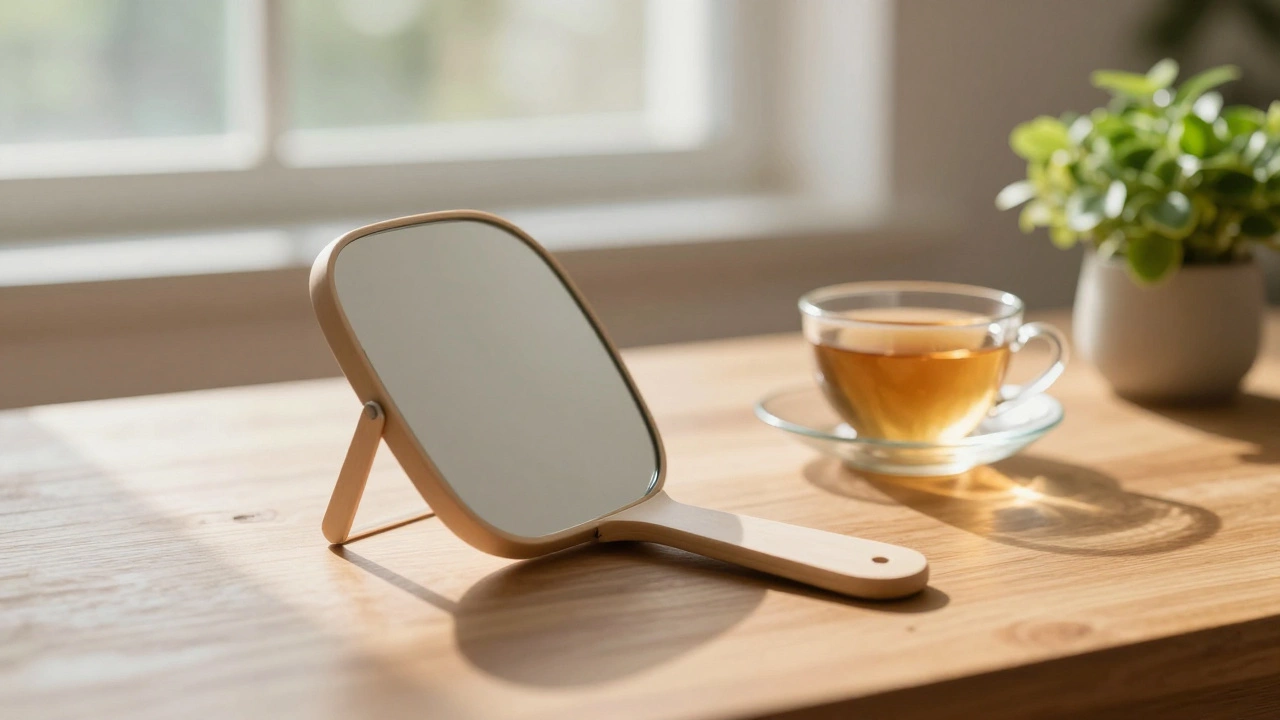
If you're feeling overwhelmed by your reflection, don't force yourself into a "sink or swim" situation. Start small. Try using a handheld mirror that you can put away when you're done. This gives you a sense of control over when you see yourself. If the distress is linked to your appearance, try focusing on functional aspects of your body-what your legs do for you, or how your hands help you work-rather than how they look in the glass.
For those who feel a complete disconnect from their reflection, grounding exercises can help. Touching a cold surface, smelling a strong scent, or naming five things you can see in the room (other than the mirror) can bring you back into your body and reduce the feeling of dissociation. Remember, the goal isn't necessarily to love mirrors, but to reach a point where they don't control your mood or your movements.