
Bathroom Essential Checker
Is your bathroom functional?
This tool checks if your bathroom has all five essential components that make a bathroom actually work. Select your answers below.
Think about your bathroom. What’s actually there? Not the towels, not the fancy soap dispenser, not the scented candle. We’re talking about the five things that make a bathroom function like a bathroom. These aren’t optional upgrades. They’re the core pieces that turn a room into a place where you clean, use the toilet, wash your hands, and get ready for the day. Skip any one of them, and you’re not really using a bathroom-you’re just standing in a wet room with a weird smell.
The Toilet
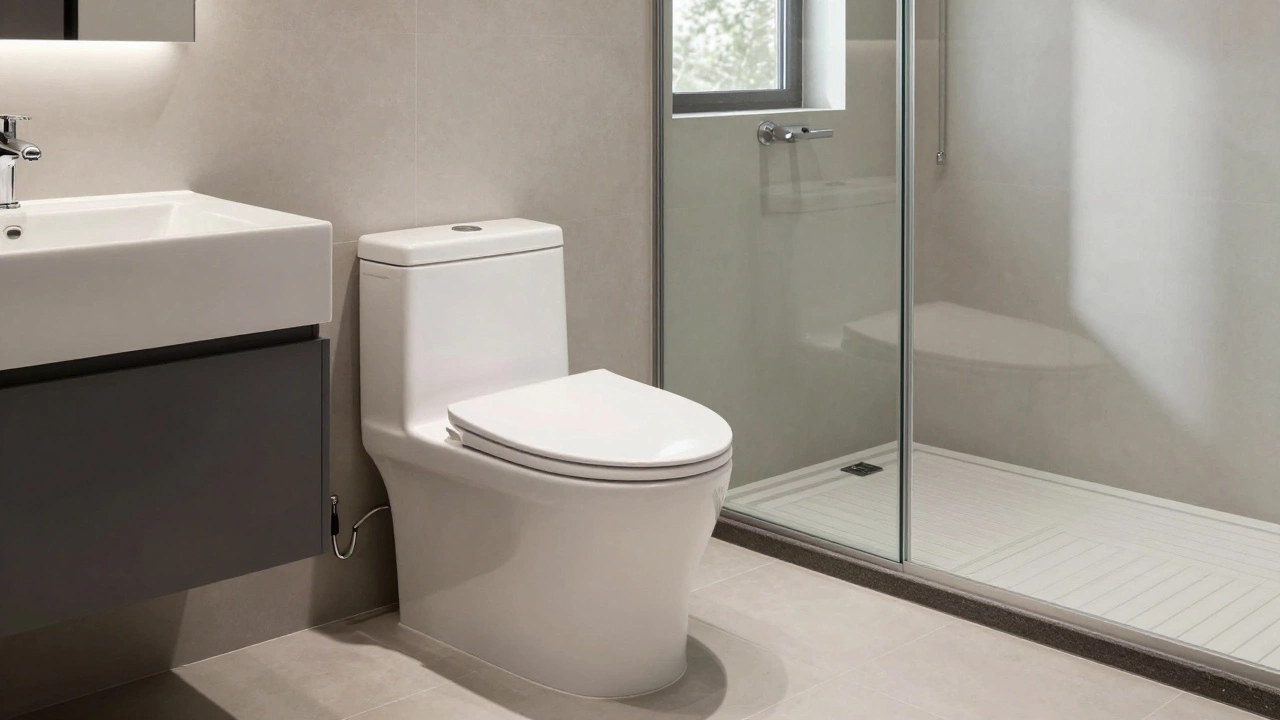
It’s obvious, but it’s also the most misunderstood. A toilet isn’t just a seat with a tank. It’s the single most used fixture in any home. Modern toilets use as little as 1.28 gallons per flush, down from the 3.5 to 7 gallons of older models. That’s a huge difference if you’re thinking about water bills or environmental impact. If your toilet runs constantly, clogs often, or feels wobbly, you’re not just dealing with an annoyance-you’re wasting water and risking damage to your floor. The right toilet fits your space, matches your flush power needs, and doesn’t require a plumber every other month. Look for models with WaterSense certification. They’re tested and proven to save water without sacrificing performance.
The Sink and Faucet
Next to the toilet, the sink is used the most. People wash their hands, brush their teeth, splash water on their face, rinse off shaving cream, and sometimes even wash their hair in it. That’s why the sink and faucet need to work together. A deep, wide basin prevents splashing. A high-arc faucet gives you room to wash your hands without bending over. A single-handle design makes adjusting water temperature easy, even with wet or soapy hands. Older faucets with separate hot and cold knobs? They’re outdated. They’re harder to clean, harder to use, and leak more often. If your sink drips or the faucet handle feels loose, replace it. A good faucet lasts 15-20 years. A cheap one? You’ll be replacing it in five.
The Shower or Bathtub
Some homes have both. Most have one. Either way, this is where the real cleaning happens. A shower is faster, uses less water, and fits better in smaller bathrooms. A bathtub is better for soaking, bathing kids, or relaxing after a long day. But both need to be built right. The shower floor should slope toward the drain. The tub should have a non-slip surface. The walls need waterproofing behind the tile-otherwise, you’ll get mold growing in the walls before you even notice it. If your showerhead spits, sputters, or only gives you cold water after a few seconds, it’s time to upgrade. Modern showerheads have adjustable spray patterns and flow restrictors that cut water use by 30% without making you feel like you’re being sprayed with a garden hose.
The Mirror
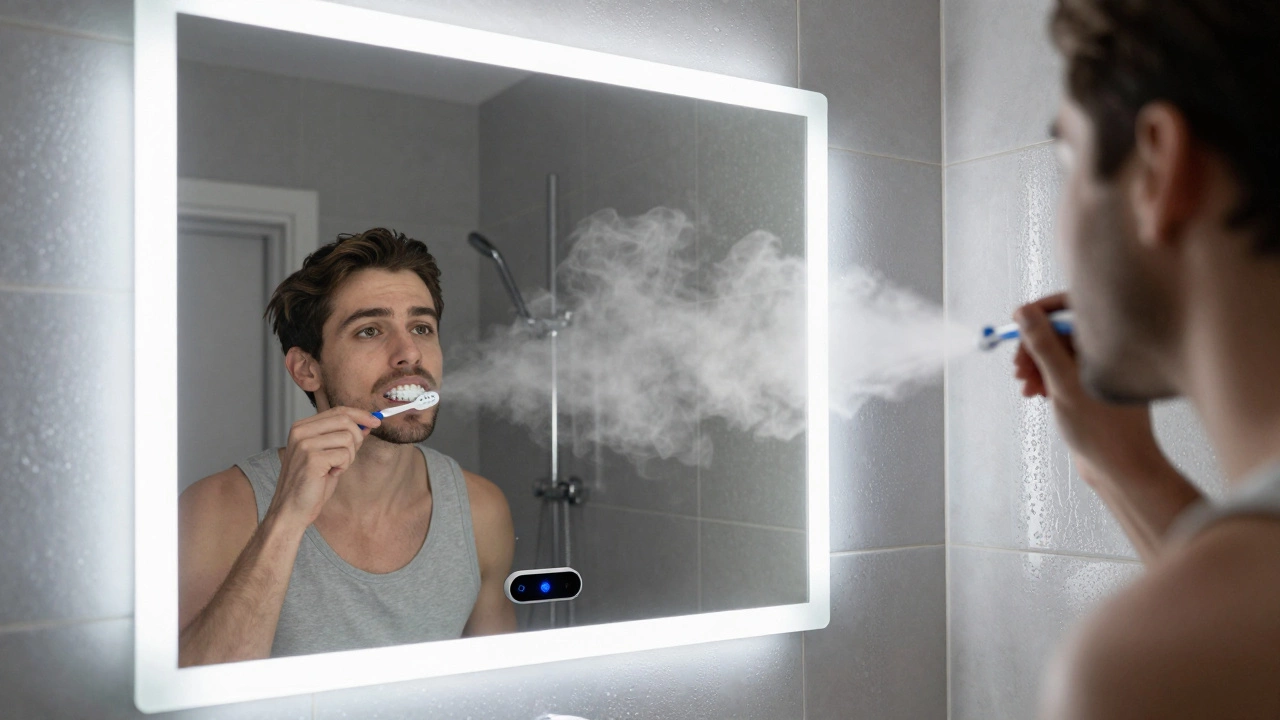
The mirror isn’t just for checking your hair. It’s the first thing you see in the morning and the last thing you check before leaving. A good bathroom mirror is large enough to see your whole face, mounted at the right height (typically 5 to 6 feet from the floor), and free of fog. Foggy mirrors are a nightmare. You wipe them down, and five seconds later, they’re blurry again. The solution? Look for mirrors with built-in defoggers or anti-fog coatings. Some even have LED lighting around the edges, which gives you even, shadow-free light for makeup or shaving. If your mirror is cracked, warped, or covered in water spots you can’t clean, it’s not just ugly-it’s unsafe. Glass can chip. Water damage can rot the wall behind it. Don’t ignore it.
Ventilation (The Exhaust Fan)
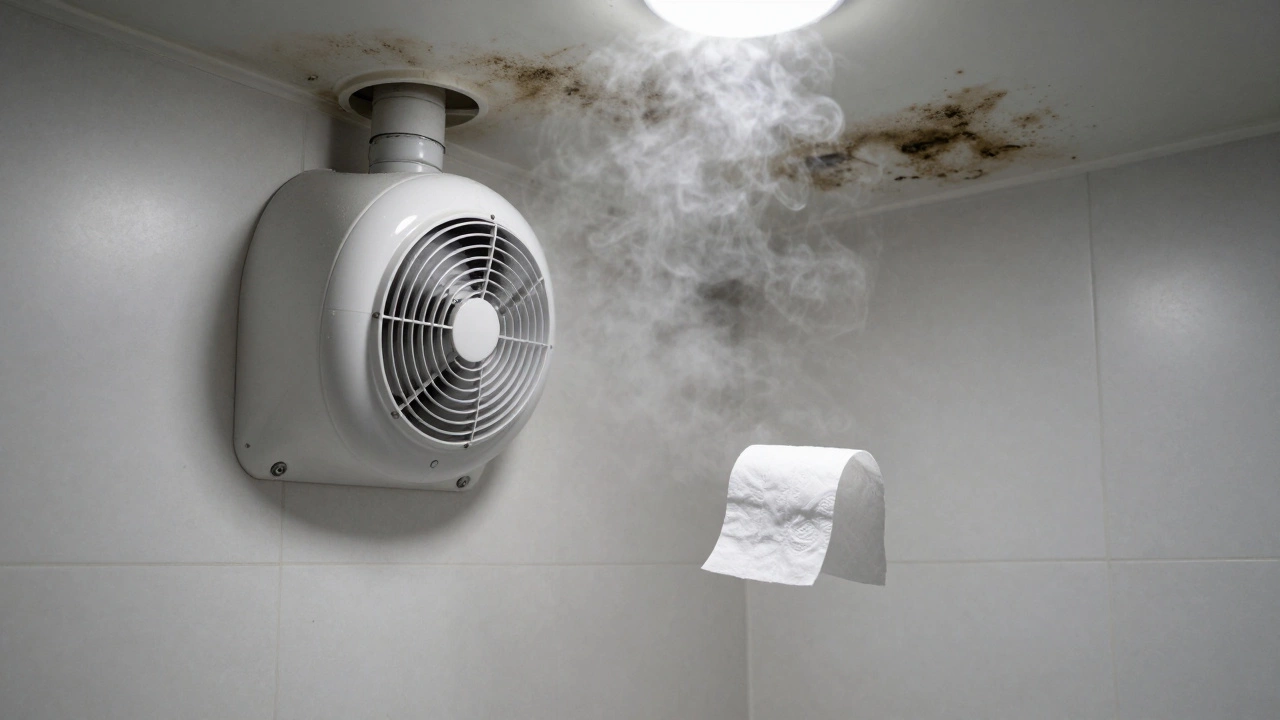
This is the one people forget. You don’t see it. You don’t touch it. But without it, your bathroom turns into a mold factory. Every time you shower, you release steam. That moisture doesn’t just disappear. It settles on walls, ceilings, and towels. Over time, it causes peeling paint, warped wood, and black mold spots that are hard to remove and dangerous to breathe. A proper exhaust fan should move at least 50 cubic feet of air per minute (CFM) for a standard bathroom. Bigger bathrooms? You need more. The fan should vent directly outside-not into the attic. If it’s making a loud noise, doesn’t turn on, or leaves the room feeling sticky after a shower, it’s not working. Replace it. A quiet, efficient fan costs less than $100 and pays for itself in avoided repairs.
Why These Five? Not More, Not Less
You’ll see lists online that say a bathroom needs ten things. Or twelve. Or twenty. But most of those are decorations-towel racks, soap dispensers, toilet paper holders, rugs, baskets. Those are nice. They make things feel cozy. But they’re not essential. You can live without a fancy towel warmer. You can use a plastic cup instead of a toothbrush holder. You can hang towels on a hook instead of a rack. But you can’t skip the toilet, sink, shower, mirror, or ventilation. Without them, the room doesn’t serve its purpose. These five are the foundation. Everything else is just decoration on top.
What Happens When You Skip One?
Let’s say you don’t fix the exhaust fan. In six months, you’ll see dark spots on the ceiling. In a year, the drywall starts to sag. In two years, you’re paying thousands to replace the ceiling and repaint the whole room. Or maybe you ignore the leaky faucet. Water drips under the sink. The cabinet swells. The floor rots. You step on it and go through the wood. Now you’re replacing the floor, the cabinet, and the plumbing. One small ignored piece becomes a $5,000 problem.
Or you use a tiny mirror that only shows your nose. You shave unevenly. You put on makeup that looks fine in the bathroom but terrible in daylight. You feel off all day. It’s not just about looks-it’s about function. Your bathroom should make you feel ready, clean, and in control. That starts with these five pieces working right.
How to Check If Yours Are Working
- Toilet: Flush it. Does the water swirl fast and disappear in one go? Or does it gurgle and leave half the water behind? If it’s the latter, it’s underperforming.
- Sink: Turn the faucet on full. Does the water flow smoothly? Does it spray everywhere? Is there any dripping after you turn it off?
- Shower/Bathtub: Stand in the shower. Does water pool around your feet? Does the drain take more than 30 seconds to clear? Is the tile loose or cracked?
- Mirror: Turn on the lights. Can you see your entire face clearly? Does it fog up within 10 seconds of a hot shower?
- Exhaust Fan: Turn it on. Hold a piece of toilet paper up to the vent. Does it stick? If not, the fan isn’t pulling air. Wait five minutes after a shower. Is the air still humid? If yes, the fan’s too weak or broken.
If any of these fail, don’t wait. Fix it now. It’s cheaper, easier, and safer than waiting until something breaks.
What Comes Next?
Once these five are solid, then you can think about the extras. A heated floor. A smart toilet lid. A towel rack that warms up. A built-in speaker. Those are luxuries. They’re fun. But they’re not the reason a bathroom exists. The real job of a bathroom is to keep you clean, safe, and functional. That’s done by these five. Master them, and your bathroom will work better than 80% of the ones out there.
Are towel racks considered one of the five essential bathroom pieces?
No. Towel racks are convenient, but they’re not essential. You can hang towels on a hook, a door, or even a rod. The five essential pieces are the toilet, sink, shower or bathtub, mirror, and exhaust fan-these are the only items that make a bathroom function as a bathroom. Everything else is decorative or optional.
Can I skip the exhaust fan if I open a window instead?
Opening a window helps, but it’s not enough. Windows don’t work in winter when they’re closed, in apartments where you can’t open them, or in bathrooms without windows. An exhaust fan actively pulls moist air out and vents it outside. It’s the only reliable way to prevent mold and moisture damage. Even in a windowed bathroom, a fan is still recommended by building codes and home inspectors.
What if my bathroom has a bidet instead of a toilet?
A bidet doesn’t replace the toilet-it adds to it. Most bidets are attachments or separate units that work alongside a standard toilet. You still need a toilet to flush waste. A bidet is an upgrade for hygiene, not a replacement. The five essential pieces remain the same: toilet, sink, shower, mirror, and fan.
Is a medicine cabinet required?
No. A medicine cabinet is useful for storage, but it’s not essential. You can store medications and toiletries in a drawer, a basket, or even a shelf. The mirror is the key component-it lets you see what you’re doing. Storage can be added later. The mirror, however, is non-negotiable for daily use.
How do I know if my showerhead needs replacing?
If your showerhead has mineral buildup that you can’t scrub off, if the water flow is weak or uneven, or if it leaks when turned off, it’s time to replace it. Modern low-flow showerheads use less water but still deliver strong pressure. Replacing an old one can cut your water bill and improve your shower experience.