
Curtain Luxury Estimator
Discover how to make your room look expensive by optimizing curtain dimensions and placement. Enter your window details below.
Luxury Potential Score
--Recommended Fabric Width
Total Curtain Width: -- cm
Based on a 2x fullness ratio for maximum luxury effect.
Expert Feedback
You walk into a hotel lobby or a friend’s living room and immediately feel the vibe shift. The space feels curated, calm, and undeniably pricey. You glance around for the source of this magic. It’s rarely the sofa. It’s rarely the rug. Nine times out of ten, it’s the curtains window treatments that hang from ceiling to floor with proper fullness and weight. Most people treat curtains as an afterthought-a quick fix for privacy or sunlight control. But if you want your home to look expensive without remortgaging your house, you need to stop buying "fabric squares" and start investing in architectural soft furnishings.
Here is the hard truth: cheap-looking curtains are usually the result of three specific failures. They are too short, they are too thin, or they are hung too low. Fix these three things, and even budget-friendly fabrics can mimic the aesthetic of bespoke tailoring. Let’s break down exactly what makes a room look luxurious through the lens of window dressing, so you can skip the showroom markup and get the result yourself.
The Height Rule: Ceiling to Floor is Non-Negotiable
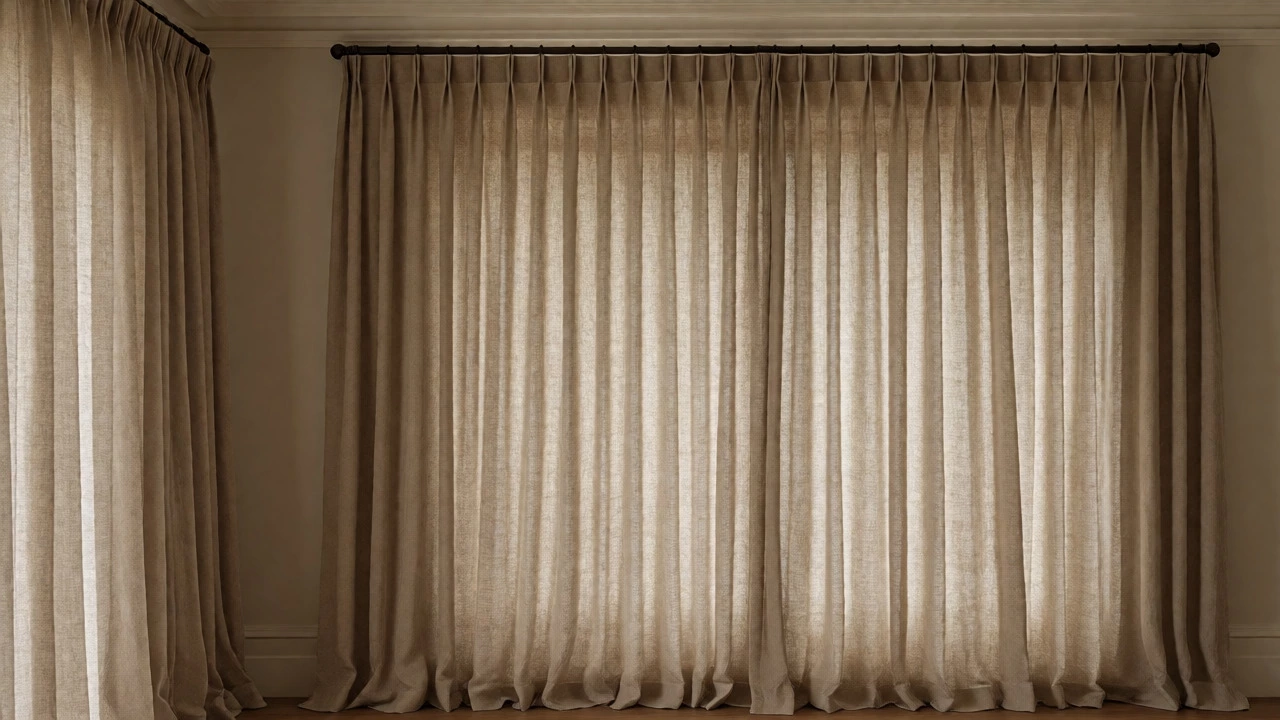
If there is one rule that separates amateur decorating from professional styling, it is verticality. Cheap curtains hang just above the window frame. Expensive curtains ignore the window frame entirely. They start at the ceiling line and end on the floor. Why does this matter? Because it tricks the eye. By extending the visual line of the wall all the way up, you make the ceilings appear higher and the windows appear larger. This creates a sense of grandeur that no amount of expensive furniture can replicate.
In my own flat here in Bristol, I have sash windows that sit about six inches below the ceiling cornice. If I had hung rods just above the frame, the room would have felt cramped. Instead, I installed brackets right under the plaster moulding. The difference was night and day. The room instantly felt taller and more airy. When measuring for drapery heavy fabric panels designed for light blocking and insulation, always measure from the very top of your intended rod position to the floor. Then subtract half an inch. You want the fabric to graze the floor slightly, creating a subtle "break." This small puddle of fabric suggests abundance and care, implying that you have enough material to spare. Hanging them two inches off the ground looks like a mistake; hanging them touching the floor looks intentional.
Fabric Weight and Texture: The Feel of Luxury
Lightweight polyester blends flutter when you open a window. Heavy linen, velvet, or wool blends drape. That word-drape-is key. Luxury is defined by how fabric falls under its own weight. Thin, flimsy materials cling to the rod and create jagged, uneven folds. High-quality fabrics fall in deep, symmetrical pleats that look sculpted rather than accidental.
You do not necessarily need silk to achieve this. In fact, real silk is often impractical because sunlight destroys it quickly. The secret weapon of high-end interiors is linen a natural textile made from flax fibers known for its breathability and textured appearance. Pure linen wrinkles easily, which some find messy, but heavy-weight linen (look for GSM over 300) holds its shape beautifully. It has a natural slub texture that catches light softly, adding depth to a plain wall. Another excellent option is cotton-velvet. Velvet reflects light differently depending on the angle, giving the room a rich, dynamic quality during the day and a cozy, enveloping feel at night. Avoid shiny satin-like synthetics unless you are going for a very specific retro look. Matte finishes almost always read as more expensive.
Fullness: More Fabric Equals More Money
This is where most DIYers go wrong. They buy panels that are exactly the width of their window. The result? When closed, the curtains look tight and stretched. When open, they disappear completely, offering no visual interest. Professional designers use a concept called "fullness ratio." For a standard residential look, you want your fabric width to be at least 1.5 to 2 times the width of your window track or rod.
Let’s say your window is 100cm wide. You should buy panels totaling 200cm to 300cm in width. This extra fabric allows the curtains to stack neatly when open and form deep, luxurious waves when closed. Think of it like a tailored suit jacket. A well-fitted jacket has extra fabric in the back to allow movement and structure. A cheap one pulls across the shoulders. Your curtains need that same ease. If you are on a budget, buy less patterned fabric and more solid color. Pattern matching eats up yardage, whereas solids allow you to maximize fullness without blowing the budget.
The Hardware: Rods and Rings Matter
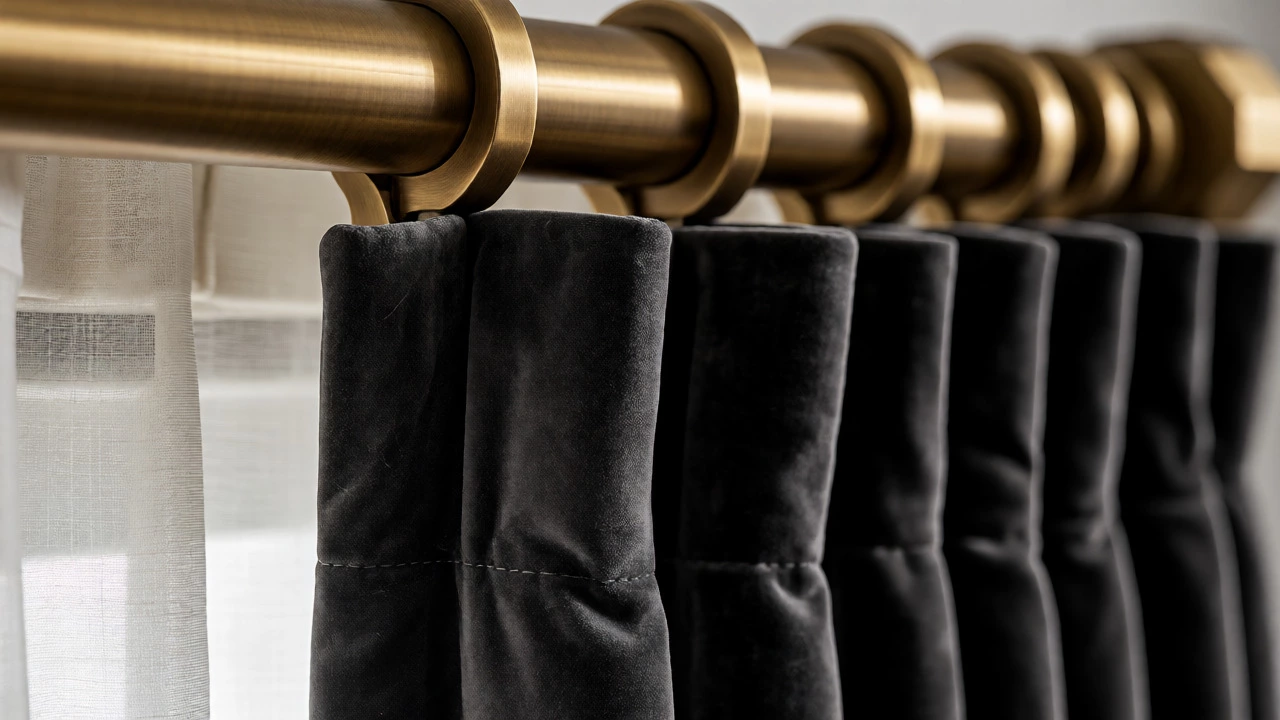
You can have the most expensive cashmere blend hanging on a flimsy, hollow aluminum telescoping rod, and it will still look cheap. The hardware supports the fabric, both physically and visually. Thick, solid wood or metal rods in finishes like brushed brass, matte black, or antique bronze signal quality. Thin, white plastic rods signal "rental property."
Consider the mounting style. Exposed rods are trendy and easy to install, but they can look cluttered if the rings are mismatched. For a truly seamless, expensive look, consider a cornice a decorative molding or box used to conceal curtain tracks and hardware or pelmet. This hides the mechanics entirely, allowing the fabric to emerge directly from the ceiling line. If you prefer exposed rods, choose thick diameters (at least 1.5 inches) and ensure the finials (the decorative ends) are substantial. Small, delicate finials look fragile. Large, geometric, or classic ball finials add weight and presence.
| Feature | Budget Look | Luxury Look |
|---|---|---|
| Length | Below sill or apron length | Ceiling to floor with slight break |
| Width/Fold | Flat panel, minimal gathering | Double pinch pleat or wave fold, 2x fullness |
| Fabric | Thin polyester, shiny synthetic | Heavy linen, velvet, wool blend, matte finish |
| Hanging | Rod just above window frame | Rod mounted near ceiling, extended beyond frame |
| Hardware | Thin metal/plastic rod, visible brackets | Thick solid rod, concealed track, or cornice |
Color Strategy: Neutrals and Tone-on-Tone
Pattern is risky. Bold prints can date a room quickly and clash with other elements. If you want that timeless, high-end gallery feel, stick to neutrals. Cream, oatmeal, taupe, charcoal, and navy are safe bets. But here is the pro tip: don’t just match the walls. Go tone-on-tone. Choose a curtain color that is one shade darker or lighter than your wall paint. This creates subtle contrast without visual noise.
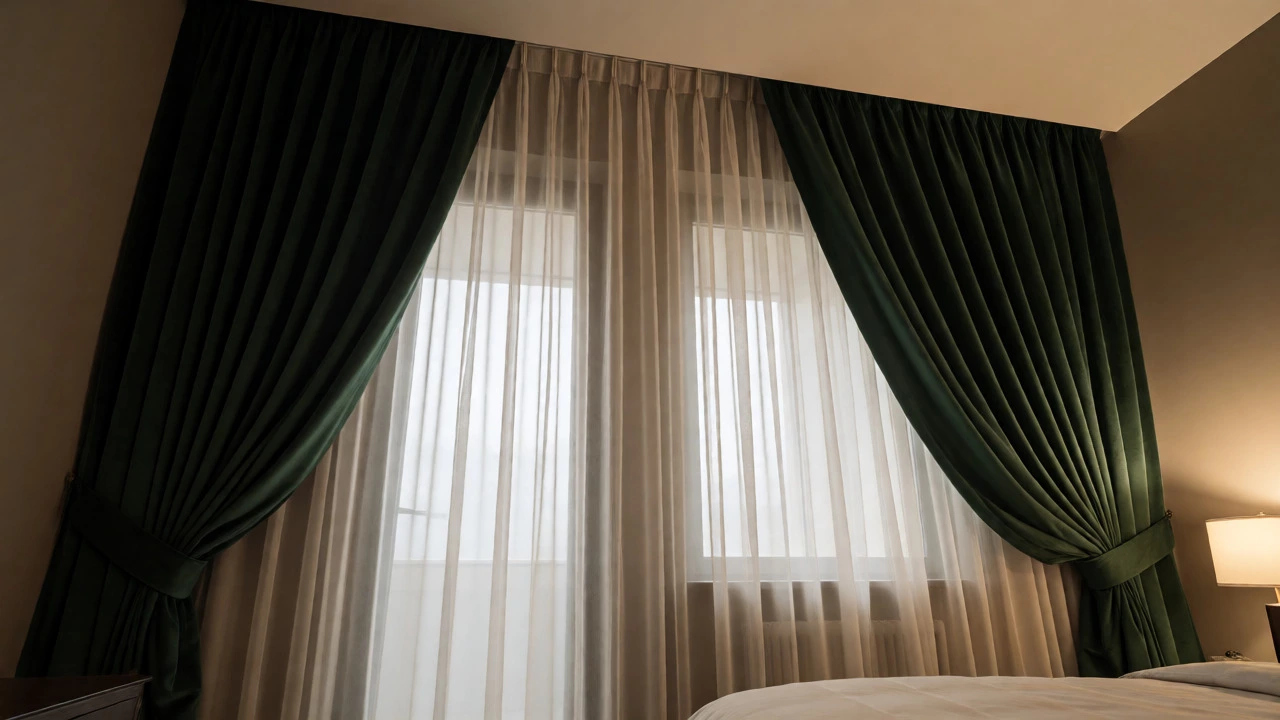
For example, if your walls are a warm beige, choose a curtain in a slightly deeper sand color. The variation in texture between the painted wall and the woven fabric provides the interest, not the color itself. This approach works exceptionally well in small rooms, where loud patterns can make the space feel chaotic. Darker curtains, like deep forest green or charcoal, can also add drama and define a space, making it feel intimate and sophisticated, especially in bedrooms or studies.
Layering: Sheers Behind Drapes
One single layer of heavy fabric blocks light but kills the atmosphere during the day. Two layers-sheers behind drapes-create depth. The sheer filter diffuses harsh daylight, casting a soft glow throughout the room, while the heavier drape offers privacy and darkness when needed. This layering technique is standard in five-star hotels for a reason. It adds complexity and richness to the window treatment.
You don’t need to buy two separate sets of custom-made curtains. Many retailers sell double-track rods or allow you to clip sheers onto the same ring system as your main drapes. Just ensure the sheer is lightweight and translucent, not stiff. The goal is invisibility during the day-you shouldn’t notice the sheer, only the effect it has on the light.
Common Pitfalls to Avoid
Even with good intentions, certain mistakes scream "cheap." First, avoid ironing creases into linen unless you want a crisp, formal look. Most luxury linens look better with a natural, lived-in wrinkle. Second, never use tie-backs that pull the curtains tightly against the wall. This exposes the ugly side of the window frame and breaks the vertical line. If you must tie them back, do so loosely, keeping the volume intact. Third, check your hemming. Uneven hems ruin everything. Take the time to pin and sew them properly, or pay a local seamstress $20 to do it right. It’s the cheapest upgrade you can make.
Finally, remember that lighting plays a huge role. Install dimmer switches. Bright, overhead lighting flattens textures. Soft, layered lighting highlights the weave of your linen or the pile of your velvet, emphasizing the quality of the material.
How much wider should curtains be than the window?
For a luxurious look, your total curtain width should be 1.5 to 2 times the width of the window opening. This ensures deep folds when closed and a neat stack when open. Anything less looks skimpy and cheap.
Should curtains touch the floor or puddle?
Ideally, they should graze the floor or have a very slight break (about half an inch). A large puddle (more than 2-3 inches) can look messy and collect dust, reading as sloppy rather than expensive. Floating 1-2 inches above the floor looks modern but less traditional-luxurious.
What is the best fabric for an expensive look on a budget?
Heavyweight linen or linen-blend fabrics offer the best value-to-luxury ratio. They drape well, have a natural texture, and are durable. Cotton velvet is another great affordable option that adds immediate richness and warmth to a room.
Do I need lining for my curtains?
Yes. Lining protects the face fabric from sun damage, improves insulation, and gives the curtain body and weight. Without lining, most fabrics will look flat and transparent when backlit. Use blackout lining for bedrooms and thermal lining for living areas.
How high should I hang the curtain rod?
Hang the rod as high as possible, ideally 4-6 inches above the window frame, or even closer to the ceiling if space permits. This draws the eye upward, making ceilings look taller and windows look larger, which is a key trick in high-end interior design.