
Cushion Durability & Comfort Estimator
Select your preferred filling type and daily usage habits to see how well your cushions will keep their shape over time.
Enter your preferences to see estimated lifespan and care tips.
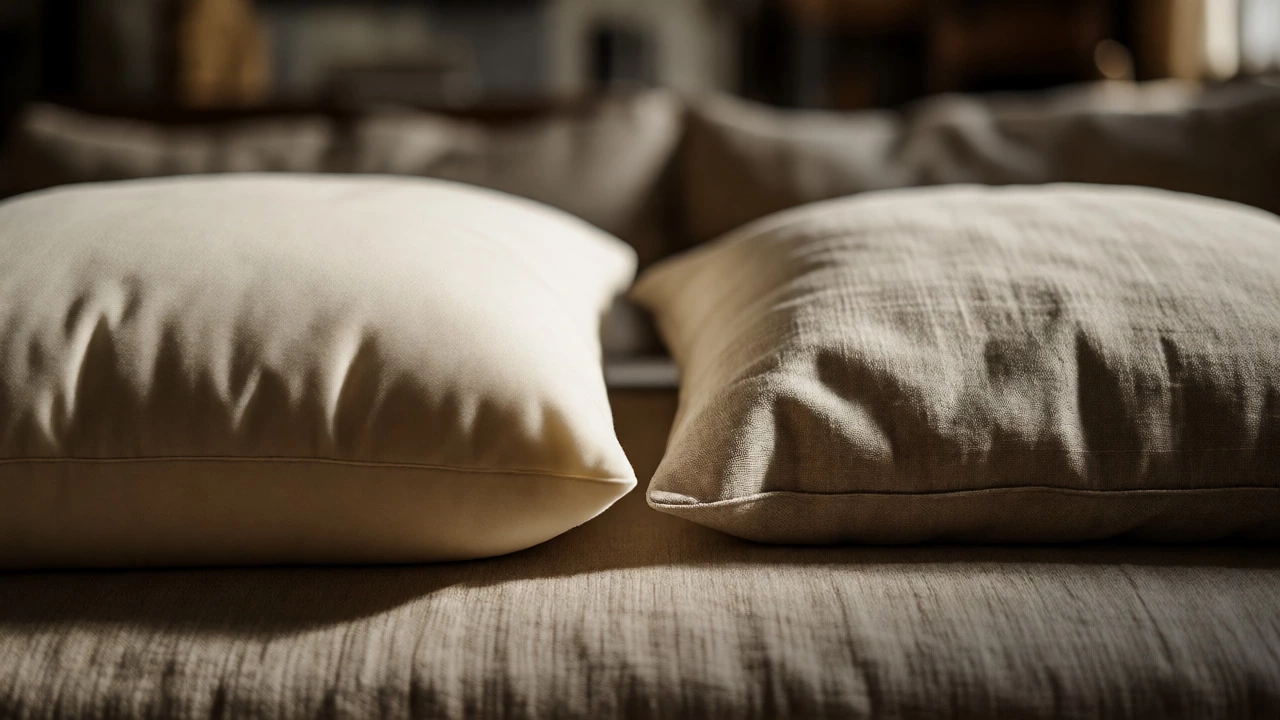
You know the feeling. You buy a plush, inviting cushion for your sofa. It looks perfect in the showroom photos. Three months later, it’s a sad, flat pancake that makes you want to sink into the floor rather than the seat. Why does this happen? It’s not just bad luck; it’s physics and material science working against you. Most people focus on the cover fabric-the velvet, the linen, the pattern-when they should be obsessing over what’s inside. The filling is the engine of comfort, and if it fails, the whole thing collapses.
So, which cushions actually keep their shape? Is it high-density foam? Expensive down feathers? Or some modern hybrid miracle? The answer depends on how you use them, but there are clear winners in the durability race. Let’s break down exactly what goes into a cushion that survives daily life without needing constant fluffing.
The Core Problem: Compression Set
To understand why cushions fail, you need to know about "compression set." This is a technical term for when a material loses its ability to bounce back after being squashed. Think of a sponge left under a heavy book overnight. When you take the book away, the sponge doesn’t spring back to its original height immediately-or ever. That’s compression set.
Cheap foam suffers from high compression set. The cell structure breaks down under pressure. Over time, the air pockets collapse, and the material becomes dense and hard, or worse, crumbly. High-quality materials resist this. They have elastic memory. They want to return to their original form. Your goal as a buyer is to find materials with low compression set and high resilience.
Foam: Density Matters More Than Softness
Polyurethane Foam is the most common filling in the world. It’s cheap, versatile, and comes in every softness imaginable. But here is the trap: most people buy foam based on firmness (soft vs. firm). That’s wrong. You must buy based on density.
Density is measured in pounds per cubic foot (PCF) or kilograms per cubic meter (kg/m³). Low-density foam (under 1.5 PCF) feels great initially because it’s fluffy. But it has large, weak cells. Within six months of daily use, those cells rupture. The cushion goes flat. It might feel "broken" even if it’s still technically soft.
High-resilience (HR) foam is the gold standard for shape retention. HR foam has a more complex cellular structure that acts like thousands of tiny springs. It resists permanent deformation. If you see "HR Foam" or "High-Density Foam" on the label, you’re looking at something that will likely last five to ten years. Look for densities above 2.0 PCF for seat cushions and 1.8 PCF for back cushions. Anything lower is decorative only.
Feathers and Down: Luxury with Maintenance
Feather and Down is the traditional choice for luxury hotels and classic British sofas. It offers an unmatched level of softness and moldability. You sink into it, and it wraps around you. But does it keep its shape?
Yes, but only if you work for it. Feathers are natural quills with a central shaft and soft vanes. They interlock and trap air. However, they compress significantly. A pure down cushion will flatten within hours of sitting on it. To keep it looking plump, you need to fluff it vigorously every day. Shake it out, punch it, rotate it. If you neglect it, the feathers clump together, leaving empty spaces and lumpy patches.
There is a middle ground: a feather-foam wrap. This is where a core of high-density foam is wrapped in a layer of feathers or down. You get the support of the foam core (which holds the shape) and the soft touch of the feathers (which provides the luxury feel). This hybrid approach is often the best compromise for living room sofas that get heavy use but still need to look expensive.
Hollow Fibre and Synthetic Alternatives
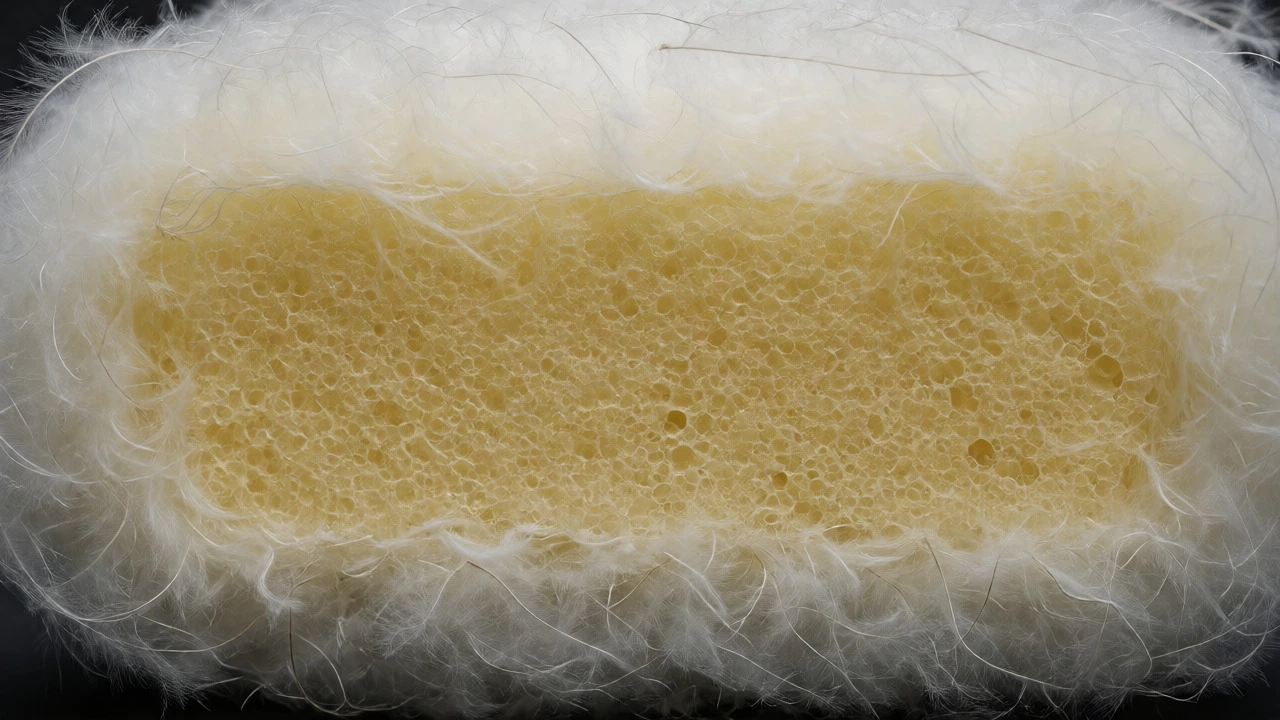
If you hate fluffing feathers but don’t want the stiffness of solid foam, Hollow Fibre is your friend. Unlike regular polyester stuffing, hollow fibre strands have air channels running through their center. This design mimics the insulating properties of down while maintaining structural integrity better than cheap polyester wadding.
Hollow fibre is resilient. It bounces back well after compression. It’s also hypoallergenic and machine washable, which is a massive win for households with pets or kids. However, it can eventually mat down if washed too aggressively or dried on high heat. To maximize its lifespan, use a gentle cycle and tumble dry on low with tennis balls to break up clumps.
Another rising star is silicone-coated fibre. The coating reduces friction between fibres, allowing them to slide past each other instead of tangling. This keeps the cushion loftier for longer. It’s slightly more expensive but worth it if you want a "cloud-like" feel that doesn’t require daily maintenance.
Comparison: Which Filling Wins?
Let’s put these materials side-by-side so you can decide based on your lifestyle. Are you lazy about maintenance? Do you have allergies? Do you need support for your back?
| Material | Shape Retention | Comfort Level | Maintenance | Best For |
|---|---|---|---|---|
| High-Density Foam | Excellent (Low compression set) | Firm to Medium | Minimal (Rotate occasionally) | Sofa seats, office chairs, back support |
| Feather & Down | Moderate (Requires fluffing) | Very Soft / Luxurious | High (Daily fluffing required) | Decorative pillows, low-use armchairs |
| Feather-Foam Wrap | High (Foam core supports) | Soft Exterior, Firm Core | Medium (Occasional fluffing) | Main sofa cushions, guest beds |
| Hollow Fibre | Good (Resilient but may mat) | Soft / Bouncy | Low (Washable) | Kids' rooms, pet-friendly homes |
| Cheap Polyester Wadding | Poor (Flattens quickly) | Initial Fluffiness | N/A (Replace often) | Budget decor, short-term use |
Construction Techniques That Save Your Sofa
It’s not just about the stuff inside; it’s about how it’s packaged. Even the best foam can fail if the construction is poor. Here are three features to look for:
- Zipper Access: Always choose cushions with hidden zippers. This allows you to remove the insert. If the filling starts to degrade, you can replace just the inner pad instead of throwing away the whole cushion. It also lets you wash the cover separately.
- Inner Bag Quality: The filling should be contained in a ticking or inner bag made of tight-weave cotton or non-woven fabric. This prevents feathers from poking out and stops foam crumbs from leaking. Cheap cushions often skip this step, leading to messy failures.
- Layered Construction: Look for multi-layer inserts. A common pro trick is a "sandwich" method: a thin layer of foam on the outside for crisp edges, a thick layer of hollow fibre in the middle for volume, and a core of high-density foam for support. This combination maximizes both shape retention and comfort.
How to Test Shape Retention Before Buying
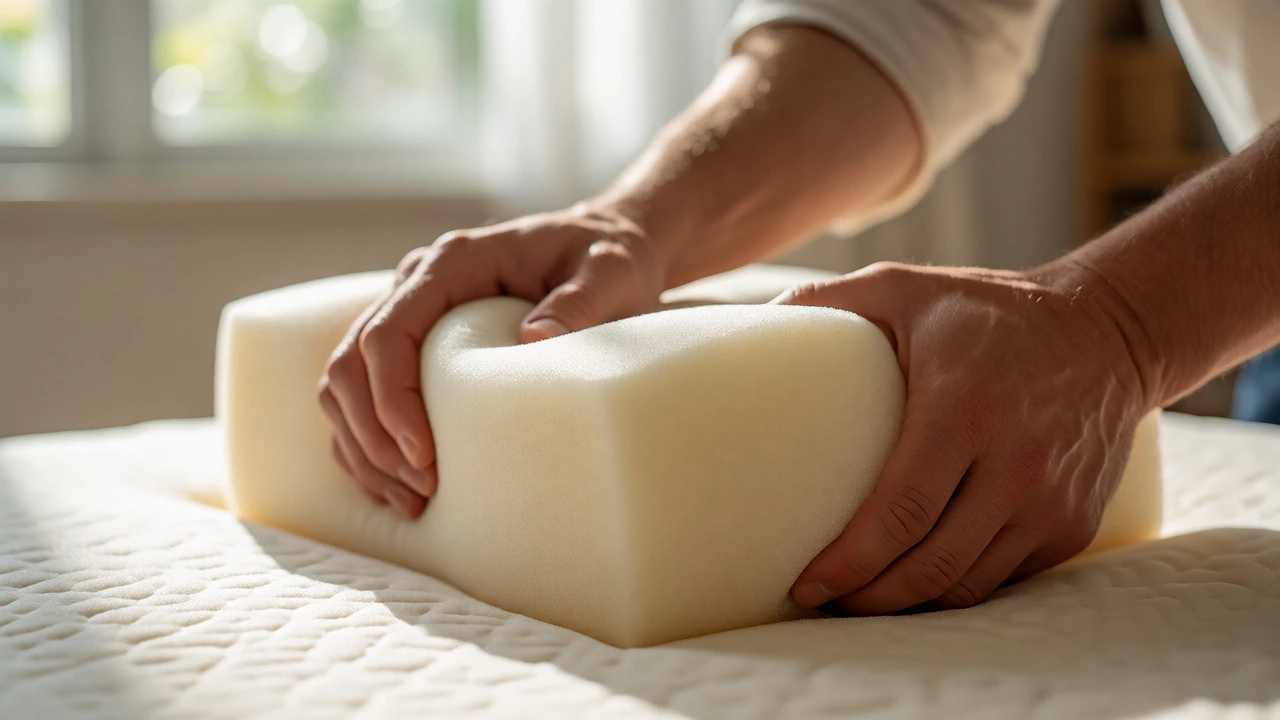
You can’t always see the density on a label, especially in big-box stores. So, use your hands. Perform the "Squeeze Test":
- Compress: Squeeze the cushion firmly with both hands. Hold it for ten seconds.
- Release: Let go suddenly.
- Observe: Watch how fast it returns to its original shape.
A good quality cushion should snap back almost instantly. If it stays compressed for a few seconds, it has high compression set and will flatten quickly. If it feels like a brick and doesn’t compress much at all, it’s likely very high density, which is durable but might be uncomfortable for lounging. You want a balance: immediate rebound with enough give to be comfortable.
Also, check the corners. Press your thumb into the corner of the cushion. If you can feel a distinct edge where the foam ends, the cut is clean. If the corner feels rounded and undefined, the foam was likely cut poorly or is already degrading. Sharp corners indicate precision manufacturing, which usually correlates with higher quality materials.
Caring for Your Cushions to Extend Lifespan
Even the best cushions need help. Gravity and usage are enemies of loft. Here is your weekly routine to keep them looking new:
- Rotate Weekly: Flip and rotate your cushions. If one side gets more sun or weight, it will degrade faster. Rotating ensures even wear.
- Plump Daily: For feather or hybrid cushions, grab two opposite corners and pull them apart sharply. This re-aerates the fibres and breaks up clumps. It takes ten seconds and saves your sanity.
- Avoid Direct Sunlight: UV rays break down chemical bonds in foam and fade fabrics. Keep cushions out of direct afternoon sun if possible, or use UV-blocking window films.
- Store Properly: If you store cushions off-season, do not squash them in vacuum bags for long periods. Vacuum sealing can permanently crush the cellular structure of foam. Store them loosely in breathable cotton bags.
When to Replace vs. Refill
Should you throw them out or fix them? If the cover is damaged, replace the whole unit. But if the cover is fine and the insert is flat, refill it. Buying replacement inserts is cheaper than buying new designer cushions. Measure your old insert precisely (width x depth x thickness) and order a custom-cut high-density foam block or a pre-made insert with similar specs. Many local upholstery shops offer refilling services for a small fee. Bring your covers in, and they’ll stuff them with fresh foam or feathers. It’s eco-friendly and cost-effective.
Why do my foam cushions go flat so quickly?
Most likely, you bought low-density polyurethane foam. Low-density foam has weak cell structures that collapse under repeated pressure, a process known as compression set. To prevent this, always look for "high-resilience" or "high-density" foam labels, which have stronger cellular structures that bounce back to their original shape.
Are feather cushions better than foam?
Neither is universally better; they serve different purposes. Feather cushions offer superior softness and a luxurious, moldable feel but require daily fluffing to maintain shape. Foam cushions offer consistent support and shape retention with minimal maintenance but lack the cloud-like softness of down. For the best of both worlds, consider a feather-foam wrap, which combines a supportive foam core with a soft feather exterior.
Can I wash my cushion inserts?
It depends on the material. Hollow fibre and synthetic blends are usually machine washable on a gentle cycle. Solid foam blocks cannot be washed in water as they absorb moisture and take forever to dry, leading to mould. Feathers can be washed but require careful drying with tennis balls to prevent clumping. Always check the care label before washing.
How often should I replace my sofa cushions?
With proper care, high-density foam cushions can last 5-10 years. Feather cushions may last longer if maintained but lose loft faster. Cheap polyester fills often degrade within 6-12 months of daily use. If you notice permanent flattening, visible lumps, or loss of elasticity, it’s time to replace the insert, not necessarily the cover.
What is the best filling for outdoor cushions?
For outdoor use, quick-dry foam or open-cell foam is best. These materials allow water to pass through and evaporate quickly, preventing mould and mildew. Standard closed-cell foam traps moisture and can become heavy and smelly if left wet. Ensure the outer fabric is also weather-resistant and treated for UV protection.