
Rug Psychology & Design Advisor
Based on your lifestyle and the mood you want to create, which rug type best fits your sanctuary? Select a profile below to see the psychological and practical impact.
The Minimalist
Values purity, precision, and maximum brightness.
The Cozy Host
Values warmth, invitation, and balanced comfort.
The Pragmatist
Values coziness, ease of maintenance, and grounding.
Analysis & Recommendations
Psychological Effect
Space Dynamics
Maintenance Level
Design Tip
Кey Takeaways
- White rugs symbolize purity, cleanliness, and a fresh start.
- Psychologically, they open up a space and reduce feelings of claustrophobia.
- In a practical sense, they signal a high-maintenance lifestyle or a commitment to strict organization.
- They act as a neutral base that amplifies the colors of surrounding furniture.
The Psychology of Pure White in Your Living Space
Colors aren't just visual; they trigger chemical responses in our brains. In the world of Color Psychology, white is the ultimate blank slate. When you place a white rug in a room, you're essentially telling the brain that the environment is controlled and sterile. This can be incredibly soothing for someone with a chaotic work life. Coming home to a bright, white space can act as a mental "reset" button, clearing away the noise of the day.
However, there's a flip side. Too much white can feel clinical. Have you ever noticed how hospitals use white floors and walls? It's for hygiene, but it can also feel cold and impersonal. If a room is dominated by a white rug without any warm textures, it might feel more like a gallery than a home. The trick is balancing that "sterile" feeling with organic elements like wood or plants to keep the room from feeling like a lab.
Symbolism and Social Signals
Beyond the brain's reaction, there's a social meaning to a white rug. In many cultures, white is linked to innocence and purity. But in a modern home, a white rug is often seen as a symbol of status. Why? Because it's notoriously difficult to keep clean. Owning a spotless white rug suggests that you either have the time to meticulously maintain it, the budget to have it professionally cleaned weekly, or a household with no pets, toddlers, or messy hobbies.
It's a quiet way of signaling a certain level of discipline. A person who maintains a white rug in a high-traffic area is often perceived as someone who values order and precision. It's the interior design equivalent of wearing a white linen suit to a summer party-it looks effortless and sophisticated, but everyone knows it takes a lot of work to keep it that way.
How White Rugs Transform Room Dynamics
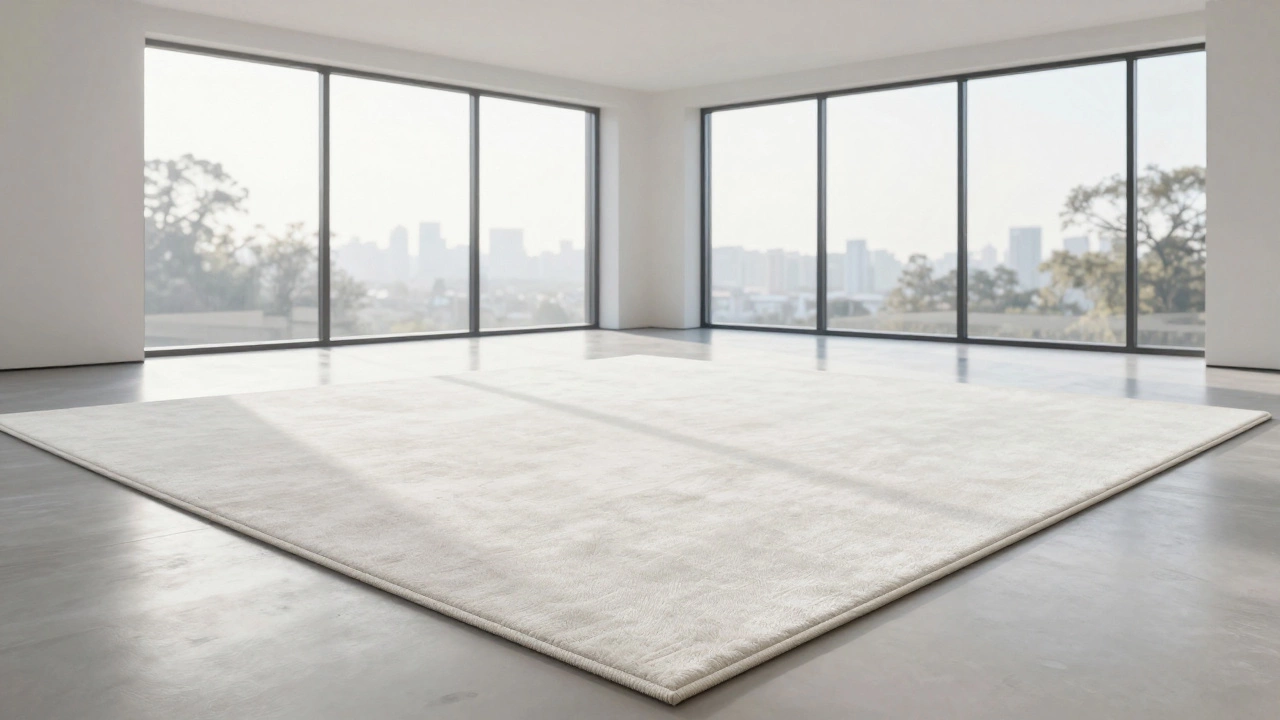
From a technical design perspective, a white rug is a tool for light manipulation. White surfaces have a high Light Reflectance Value (LRV). This means instead of absorbing sunlight, the rug bounces it back up toward the ceiling and walls. In a dark apartment or a room with small windows, a white rug can make the space feel significantly larger and brighter than it actually is.
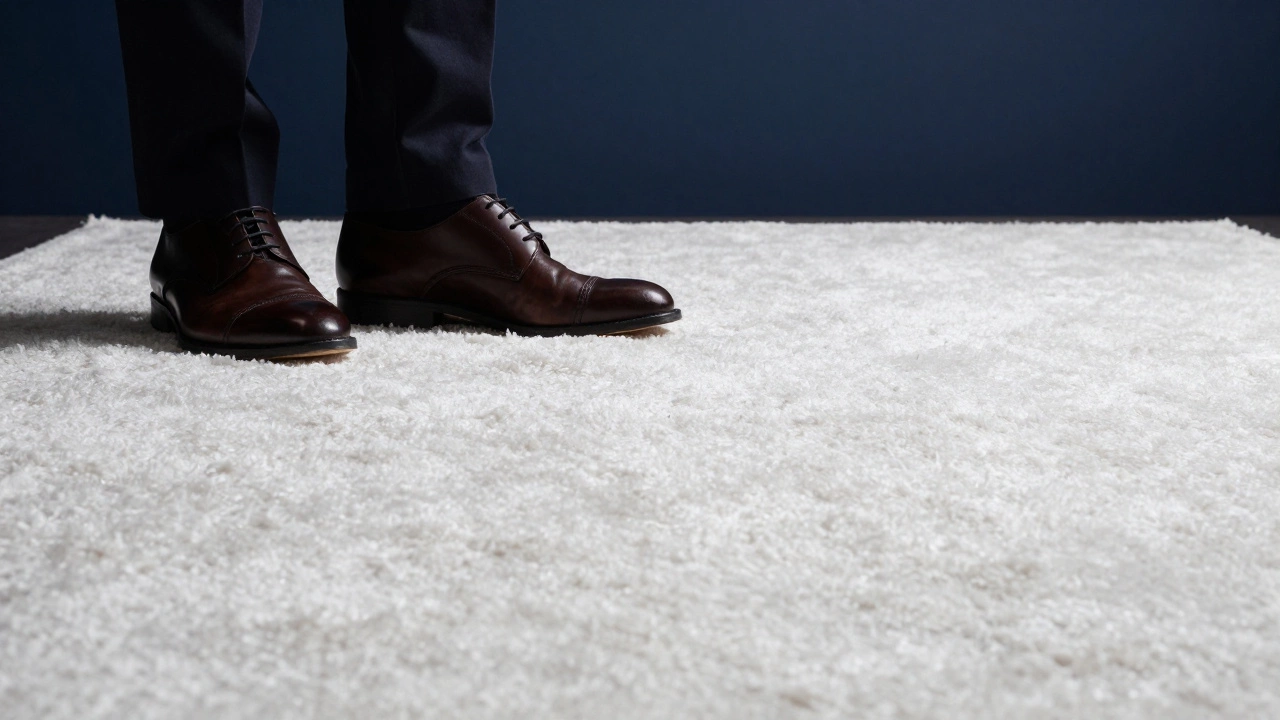
Think about a room with dark navy walls and a dark brown floor. Adding a white rug creates an immediate point of contrast. This contrast defines different "zones" in an open-concept living area. For example, placing a white rug under a dining table effectively creates a "room within a room," separating the eating area from the lounging area without needing walls.
| Attribute | White Rug | Dark/Patterned Rug |
|---|---|---|
| Perceived Space | Expands the room; feels airy | Contracts the room; feels cozy |
| Light Impact | Reflects light (increases brightness) | Absorbs light (creates mood/shadow) |
| Maintenance | High; shows every speck of dust | Low; hides stains and debris |
| Emotional Vibe | Clean, serene, formal | Grounded, warm, casual |
Choosing the Right Material for the Meaning
The meaning of a white rug also changes based on the material you choose. A white Shag Rug-those deep, fluffy piles-screams "comfort" and "luxury." It moves the vibe from "sterile gallery" to "cloud-like sanctuary." It's about indulgence and tactile pleasure. When you see a white shag rug, the meaning shifts from purity to coziness.
On the other hand, a white Wool Rug or a flat-weave cotton rug feels more grounded and organic. Wool is naturally more resilient and has a matte finish, making the white feel softer and more natural. These materials suggest a preference for sustainability and timeless quality over trendy luxury.
Practical Challenges and the "Fear Factor"
We can't talk about the meaning of a white rug without talking about the fear of staining. This fear is a huge part of the experience. When you have a white rug, you're consciously aware of every movement in the room. You notice the mud on your shoes or the red wine glass perched precariously on the edge of the table. This creates a state of heightened awareness in the home.
But for some, this is actually the point. It forces a level of mindfulness. You become more aware of your environment and more careful with your belongings. It transforms the way you interact with your space, moving from a "throw it anywhere" mentality to a more intentional way of living. Of course, if this causes you stress rather than a sense of order, it might be a sign that a cream or off-white tone would be a better psychological fit.
Styling Your White Rug for Maximum Impact
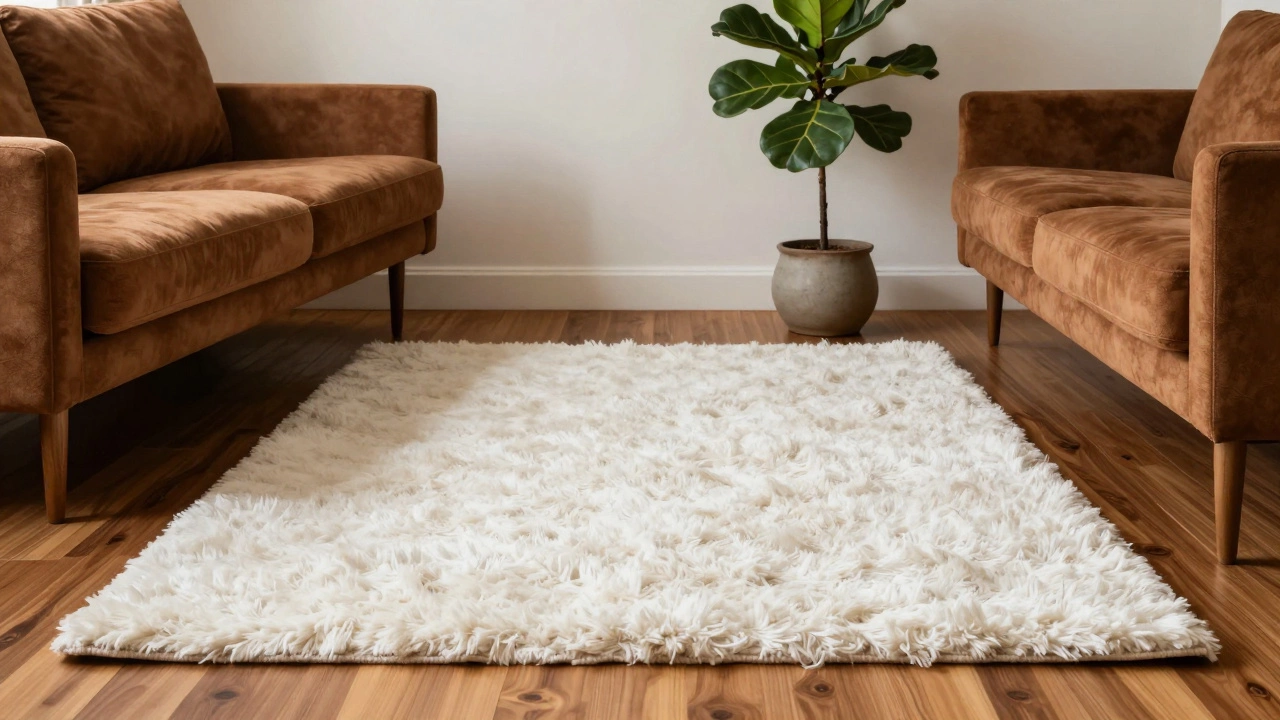
To avoid the "hospital look," you need to layer your textures. If you have a white rug, pair it with Mid-Century Modern furniture with warm walnut tones. The contrast between the crisp white floor and the rich brown wood creates a balanced, sophisticated look. Adding a few deep green plants-like a Fiddle Leaf Fig-introduces a biological element that breaks up the monochrome palette.
If you're going for a minimalist aesthetic, keep the rest of the room in shades of gray and beige. This creates a tonal gradient that feels expensive and curated. The white rug acts as the anchor, tying all the other neutral tones together. It's a way of saying, "I appreciate the beauty in simplicity," without making the room feel empty or devoid of personality.
Does a white rug make a room look bigger?
Yes. Because white reflects the most light, it eliminates dark corners and creates a seamless flow across the floor. This tricks the eye into perceiving more square footage than there actually is, making it a great choice for small apartments or narrow hallways.
What is the best way to maintain a white rug?
The gold standard is a combination of daily vacuuming and immediate spot treatment. Using a high-quality vacuum with a HEPA filter prevents dust from settling deep into the fibers. For stains, avoid rubbing; instead, blot the area with a mixture of white vinegar and mild detergent to lift the pigment without spreading it.
Is a white rug a bad idea for pets?
Not necessarily, but it depends on the pet. If you have a white dog or cat, it's actually a great way to hide shedding. However, for pets that track in mud or have "accidents," it can be a nightmare. If you have pets, look for washable white rugs or those made from synthetic, stain-resistant fibers like polypropylene.
What is the difference between white and cream rugs in terms of vibe?
Pure white is high-contrast and can feel more modern, energetic, and sometimes sterile. Cream or off-white has yellow or brown undertones, which the brain perceives as "warm." Cream rugs feel more inviting, traditional, and relaxed, making them better for cozy bedrooms or family rooms.
Can a white rug actually be calming?
Absolutely. In color psychology, white is associated with clarity and peace. By removing visual clutter (patterns and dark colors) from the floor, you reduce the amount of sensory information your brain has to process, which can lower stress levels and create a feeling of serenity.
Next Steps for Your Home
If you're still on the fence about whether a white rug fits your lifestyle, start with a smaller accent rug in a bathroom or bedroom. This lets you test how you feel about the maintenance and the visual impact before committing to a giant piece in your main living area. If you find that the starkness is too much, try a "broken white" or an ivory shade-you'll still get the brightness and space-expanding benefits, but with a softer, more forgiving edge.