
French Bedding Fabric Selector
Your Perfect French Bedding Match
Based on your selections above
Why this fits you:
Since you run hot and prefer a crisp feel, Percale is ideal. It offers that classic, breathable "hotel sheet" experience without trapping heat.
Have you ever walked into a luxury hotel room and felt an instant sense of calm? The sheets are crisp, the pillows are perfectly plumped, and the whole bed looks like it was made by someone who actually cares about your sleep. You might have heard this style referred to as French bedding. But what does that term actually mean? Is it a specific type of fabric? A special way to fold the corners? Or is it just marketing speak for expensive linen?
The short answer is that "French bedding" isn't a single product you can buy off a shelf. It’s a method. Specifically, it refers to the traditional European way of making a bed, which prioritizes layers, texture, and a lived-in but polished look. Unlike the tight, military-style tucking common in some American hotels, the French approach is looser, more relaxed, and significantly more comfortable for tossing and turning.
The Anatomy of a French-Style Bed
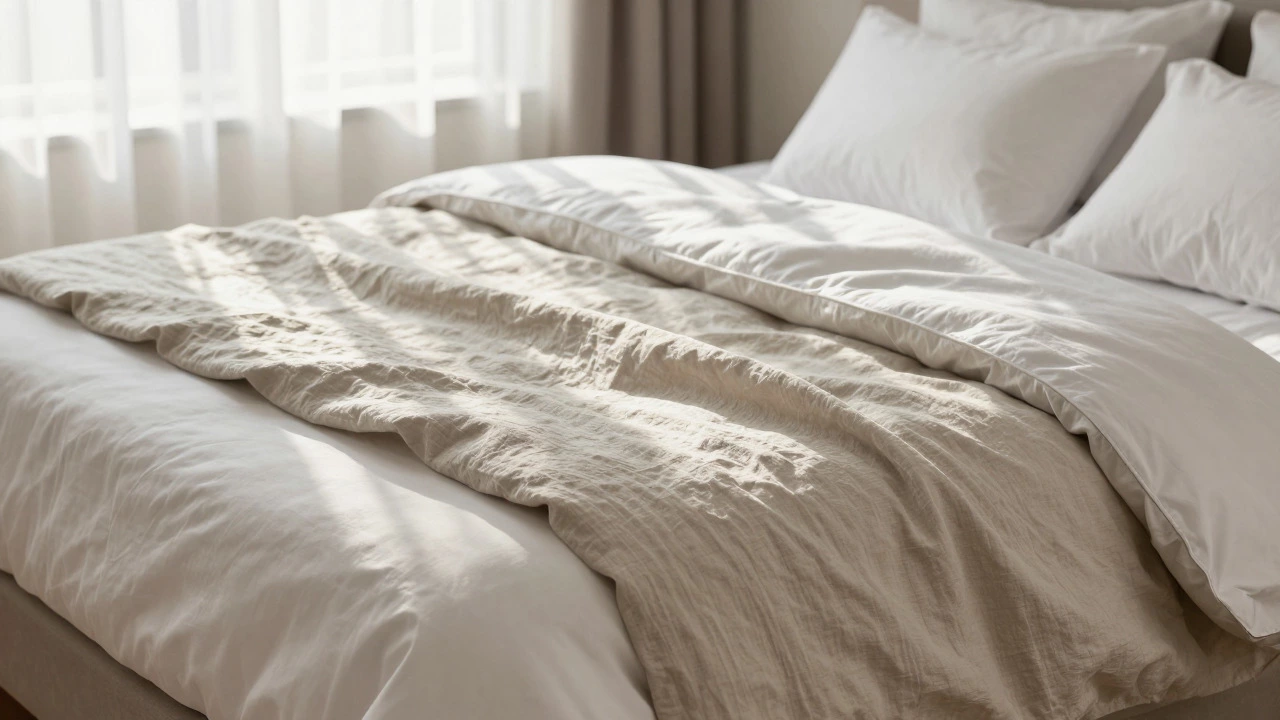
To understand what French bedding means, you first need to understand how the bed is constructed. In the United States, the standard setup usually involves a fitted sheet, a flat sheet, and a top blanket or comforter. In France, and much of Europe, the system is different. They don’t typically use flat sheets in the same way we do. Instead, they rely on a duvet (or continental quilt) encased in a removable duvet cover.
This distinction changes everything. When you hear "French bedding," think of the following layering strategy:
- The Base Layer: A high-quality fitted sheet made from natural fibers like cotton or linen. This stays on the mattress.
- The Middle Layer: The duvet insert. This is the actual warm part of the bed. It contains down, feathers, wool, or synthetic fill. Crucially, it is never left exposed. It goes inside a duvet cover.
- The Outer Layer: The duvet cover. This acts like a giant pillowcase for the duvet. It protects the expensive fill from sweat and oils while allowing you to change the look of your bedroom easily.
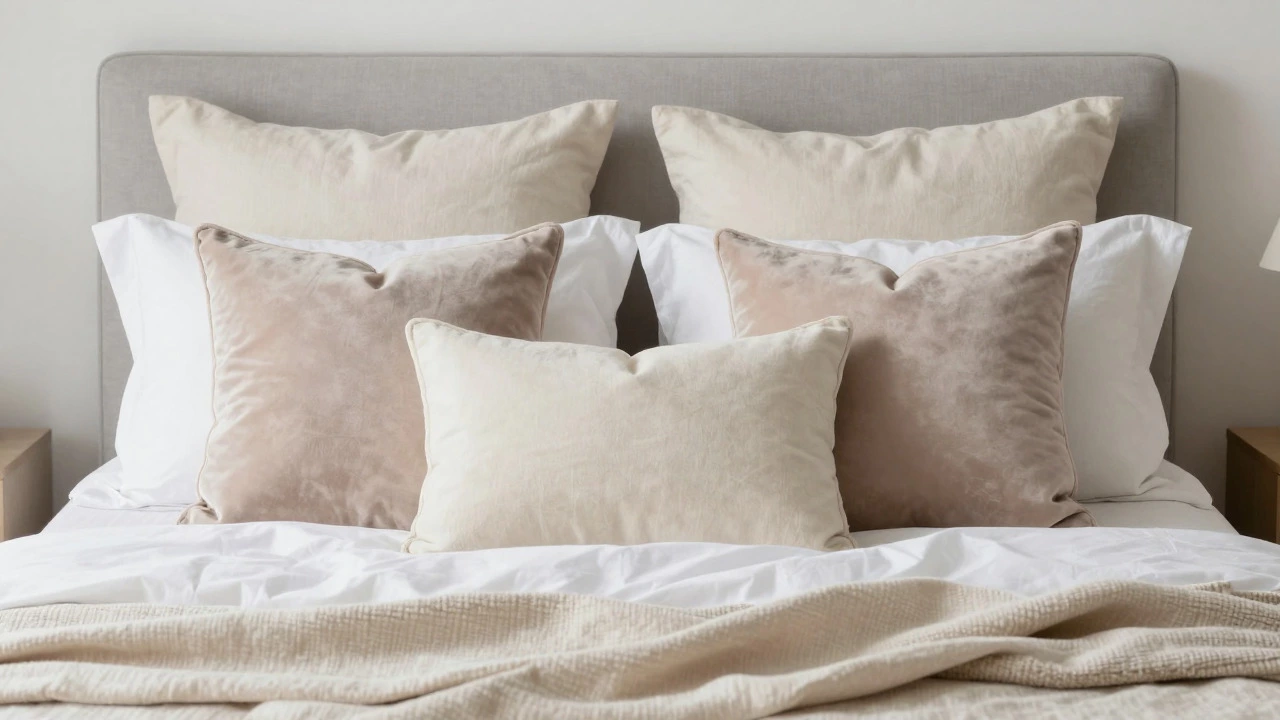
- The Decorative Layer: Euro shams, decorative pillows, and sometimes a lightweight throw blanket at the foot of the bed.
The magic of French bedding lies in the interaction between these layers. Because the duvet cover is loose-fitting, it creates soft folds and wrinkles that look inviting rather than sterile. There is no need to tuck the top sheet tightly under the mattress because the weight of the duvet keeps everything in place naturally.
Why Do People Call It "French"?
The term likely stems from the fact that this bedding system is the standard across France and many other European countries. If you travel to Paris, you won’t find hotels using flat sheets tucked in tightly. You’ll find duvets with covers. Over time, interior designers and hospitality experts in the US began adopting this style for its aesthetic appeal and ease of maintenance. As it gained popularity in high-end design circles, the label "French bedding" stuck.
It also aligns with the broader concept of art de vivre, or the art of living well. French home decor emphasizes comfort, natural materials, and a slightly imperfect, human touch. A perfectly smooth, hospital-cornered bed can feel cold and impersonal. A French-made bed, with its rumpled duvet cover and layered pillows, feels like a place to retreat. It signals relaxation before you even sit down.
Fabric Matters: Cotton vs. Linen
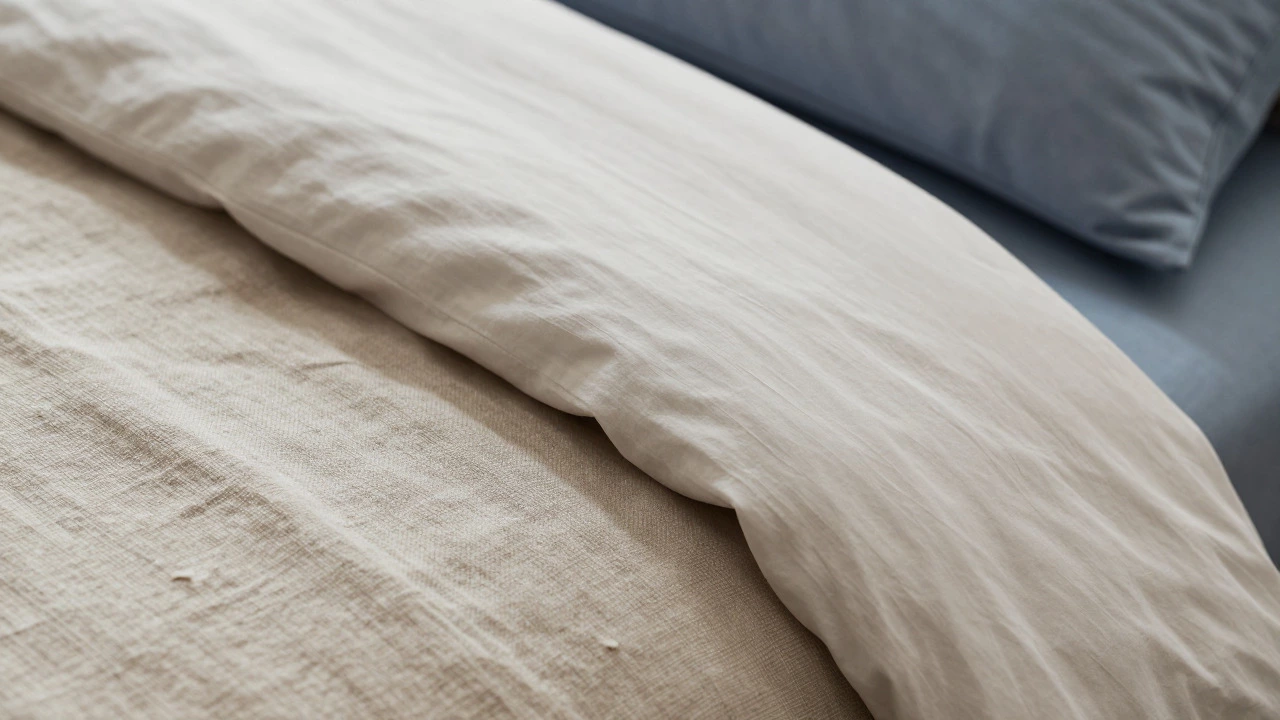
You can’t talk about French bedding without talking about fabric. While you can technically make a French-style bed with polyester, the authentic experience relies on natural fibers. Two materials dominate this space: percale cotton and stonewashed linen.
Percale cotton is a weave known for its crisp, cool feel and matte finish. It breathes well and gets softer with every wash. This is the classic white hotel sheet look. It’s clean, bright, and feels luxurious against the skin. If you prefer a cooler sleep environment, percale is your go-to.
On the other hand, Linen is made from flax fibers and is prized for its durability and temperature regulation. Linen has a distinctively textured appearance. It wrinkles easily, which fits perfectly with the relaxed aesthetic of French bedding. Many people worry that linen is rough, but high-quality stonewashed linen is incredibly soft. It’s also more absorbent than cotton, making it ideal for hot sleepers or humid climates. Plus, linen lasts decades, often outliving several sets of cotton sheets.
| Feature | Percale Cotton | Sateen Cotton | Linen |
|---|---|---|---|
| Feel | Crisp, cool, matte | Smooth, silky, lustrous | Textured, breathable, rustic |
| Wrinkle Resistance | Moderate | Low (stays smooth) | Low (embraces wrinkles) |
| Durability | High | Medium-High | Very High |
| Best For | Hot sleepers, classic look | Luxury feel, cooler climates | Texture lovers, long-term use |
How to Make a French-Style Bed
So, how do you achieve this look in your own home? It’s simpler than you might think, and it saves you time in the morning. Here is the step-by-step process:
- Start with a Fitted Sheet: Put your fitted sheet on the mattress. Make sure it’s snug, but don’t obsess over perfect corners. The goal is neatness, not perfection.
- Add the Duvet Cover: Insert your duvet into the cover. Most modern duvet covers have internal ties or buttons to keep the fill from shifting. Use them. Shake the duvet out so it’s evenly distributed.
- Place the Duvet: Lay the duvet across the bed. Let it hang down the sides. Unlike a flat sheet, you don’t need to tuck the bottom edge tightly under the mattress unless you want a very streamlined look. A slight drape adds to the cozy vibe.
- Layer the Pillows: Start with your sleeping pillows against the headboard. Then add Euro shams (large square pillows) behind them for height. Finally, add smaller decorative pillows in front. Mix textures-a velvet pillow against a linen duvet cover creates visual interest.
- Fluff and Fold: This is the secret step. Gently pull the duvet back at the top to create a V-shape or a soft fold. Fluff the pillows. The bed should look inviting, not rigid.
Notice there is no flat sheet involved in this version. Some people still like to sleep with a flat sheet under the duvet for extra hygiene or warmth. That’s fine. Just leave it untucked at the top. The key to the French look is avoiding the tight, wrapped-up appearance of a traditional hospital corner.
Common Misconceptions About French Bedding
There are a few myths floating around online that confuse people trying to replicate this style. Let’s clear them up.
Myth 1: French bedding always means white. While white is iconic in French hotels because it conveys cleanliness and allows for easy bleaching, it’s not a rule. Many French homes use earth tones, pastels, or bold patterns. The style is defined by the layering and fabric quality, not the color palette.
Myth 2: You need expensive brands. You don’t need to spend hundreds of dollars on designer linens to get the look. Thrift stores often have high-thread-count cotton sheets or vintage linen tablecloths that can be repurposed as duvet covers. The aesthetic comes from the texture and the way the fabric drapes, not the price tag.
Myth 3: It’s hard to maintain. Actually, it’s easier. Washing a duvet cover is faster than washing a heavy comforter. And because you’re not tucking sheets tightly, you can remake the bed in under two minutes. Just shake out the duvet, fluff the pillows, and you’re done.
Why Choose French Bedding for Your Home?
Adopting a French bedding style isn’t just about copying a trend. It’s about improving your daily routine and your sleep environment. Here are three practical benefits:
- Temperature Control: By using a duvet and cover instead of multiple heavy blankets, you can adjust your warmth easily. Remove the duvet in summer; add a heavier insert in winter. The breathable nature of cotton and linen helps regulate body heat throughout the night.
- Aesthetic Flexibility: Changing your duvet cover is the easiest way to refresh your bedroom decor. Want a seasonal update? Swap a light beige cover for a deep navy one. No need to buy new sheets or comforters.
- Comfort: Without the constraint of a tightly tucked flat sheet, you have more freedom to move. The duvet moves with you, creating a cocoon-like effect that many sleepers find psychologically comforting.
In a world where our homes are increasingly filled with screens and noise, the bed remains a sanctuary. French bedding reminds us that this space should be soft, tactile, and welcoming. It’s a small shift in how we arrange our linens, but it can transform the feeling of the entire room.
Is French bedding the same as European bedding?
Yes, largely. The term "French bedding" is often used interchangeably with "European bedding" because the duvet-and-cover system is standard across most of Europe. The sizing may differ slightly (European beds are often wider), but the method of layering a duvet inside a removable cover is the same.
Do I need a flat sheet if I use French bedding?
No, a flat sheet is not required. The duvet cover serves the protective function of a flat sheet. However, if you prefer the feel of a sheet directly against your skin or want an extra layer of warmth, you can still use a flat sheet underneath the duvet. Just leave it untucked at the top to maintain the relaxed look.
What size duvet cover do I need for a King bed?
For a standard US King bed (76" x 80"), you typically need a duvet insert measuring around 90" x 90" or 92" x 92". The cover should match the insert size exactly. Always check the dimensions of both your mattress and the duvet insert before purchasing a cover to ensure a proper fit.
How do I wash a duvet cover without damaging it?
Most cotton and linen duvet covers are machine washable. Use a gentle cycle with cold or warm water and a mild detergent. Avoid bleach, especially on linen, as it can weaken the fibers. Tumble dry on low heat or line dry for best results. Ironing is optional but recommended for cotton if you want a crisp look; linen looks better when slightly wrinkled.
Can I use a comforter instead of a duvet for French bedding?
Technically yes, but it defeats the purpose. Comforters are usually quilted and meant to be used alone, making them harder to wash and less versatile. A duvet is designed to be inserted into a cover, which allows you to change colors and protect the fill. If you already have a comforter, you can buy a "comforter cover," but a true duvet system offers better airflow and longevity.