
US Currency Slang & History Explorer
Click on a bill denomination below to reveal its common nicknames, historical origins, and current usage status.
Test Your Currency Knowledge
Loading question...
Quiz Complete!
0/0
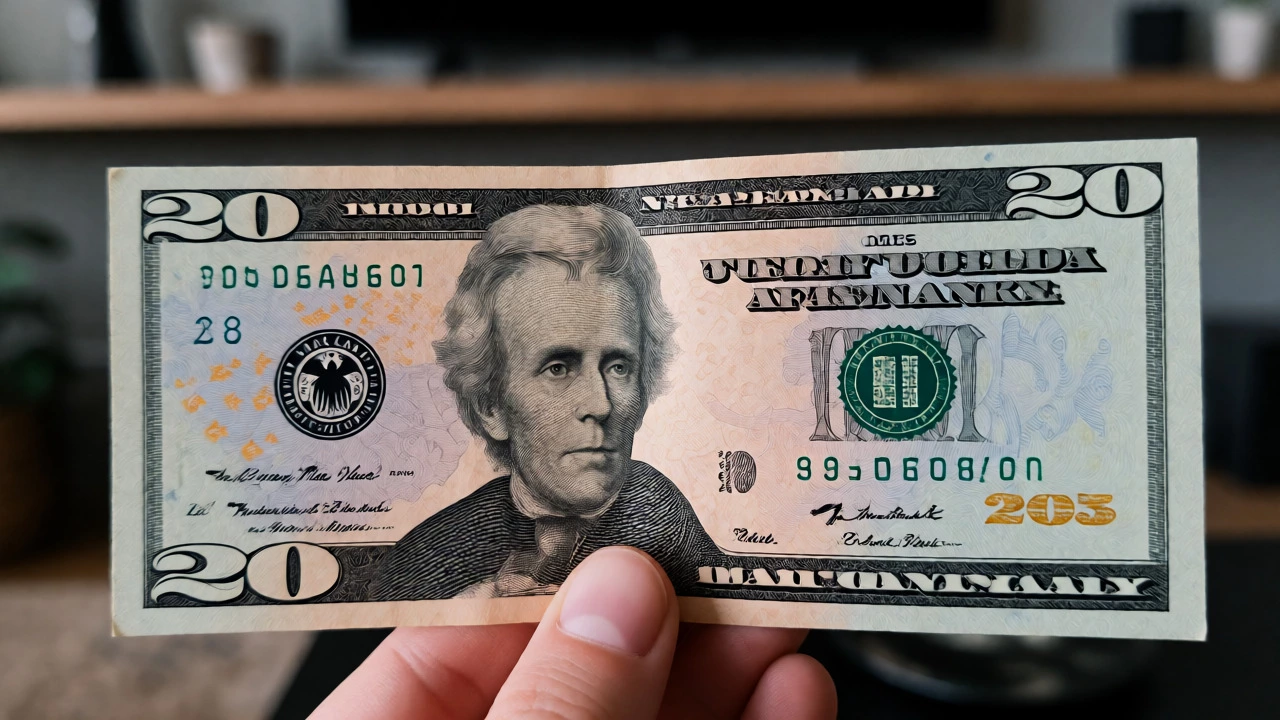
You pull a crisp green note from your wallet, glance at Andrew Jackson’s stern face, and wonder: does anyone actually call it anything other than "twenty dollars"? If you’ve ever heard someone refer to cash as "folding money," "greenbacks," or even just "a sawbuck," you might be confused about which term applies to the $20. The truth is, this specific denomination has a surprisingly rich vocabulary attached to it, ranging from historical nicknames like "Jacksons" to modern slang that barely sticks.
While you won’t find these terms in a bank ledger, understanding them adds a layer of personality to how we talk about value. And since you’re here on a site dedicated to home organization and shelving, you might be wondering what a piece of paper currency has to do with shelves. Plenty, actually. People frame rare notes, display vintage bills for aesthetic reasons, or organize their change jars by denomination. Knowing the proper name-and the slang-helps if you’re cataloging a collection or explaining a gift to a guest who spots a framed $20 bill on your living room shelf.
The Official Name vs. The Nicknames
Technically, there is no special official name for the $20 bill issued by the United States Federal Reserve. It is simply a twenty-dollar bill. However, the public has never been great at sticking to technicalities. The most common nickname you’ll hear today is simply "a Jackson," referring to the portrait of Andrew Jackson, the seventh U.S. President, who has appeared on the note since 1928. Before Jackson took over the spot, the note featured various figures, including Liberty and Hugh McCulloch, but those eras are long gone from everyday circulation.
Why "Jackson" and not something more creative? Partly because the portrait is so recognizable. When people say, "I’m short a Jackson," they mean they need twenty bucks. It’s concise, clear, and universally understood in American English. But dig deeper into older slang, and you’ll find terms that have faded into obscurity, mostly because they belonged to an era when physical cash was the only way to pay for groceries.
Historical Slang: Why "Sawbuck" Doesn't Apply Here
A common misconception is that all large bills have unique animal-based names. You’ve likely heard "C-note" for a $100 bill (the C stands for Century) or "Buck" for a dollar. So, is a $20 bill a "Sawbuck"? No. A "sawbuck" is specifically slang for a $10 bill. The term comes from the X-shaped legs of a sawhorse, which resembled the Roman numeral X (10). Since the $20 bill doesn’t feature an X prominently enough to trigger that association, the name didn’t stick.
Instead, the $20 bill has historically been called a "double sawbuck" in very old, rural dialects, though you’d be hard-pressed to find anyone under the age of 70 using that phrase today. More commonly, during the Civil War era, all paper currency was referred to as "greenbacks" due to the green ink used on the back to prevent counterfeiting. While "greenback" can technically apply to any U.S. paper money, it’s rarely used exclusively for the $20. If you’re organizing a vintage shelf display featuring Civil War-era artifacts, labeling a note as a "Greenback" is historically accurate but vague. Labeling it as a "$20 Legal Tender Note" is precise.
Modern Slang and Pop Culture References
In contemporary conversation, the $20 bill lacks the iconic slang status of its neighbors. The $100 bill gets "Benjamin" or "Hun." The $5 bill sometimes gets "Lincoln" or "Fiver." The $20? It’s often just "a twenty." This lack of colorful slang might be because the $20 sits in an awkward middle ground-it’s too small to be considered "big money" but too large to be loose change.
However, pop culture has tried to give it identity. In hip-hop lyrics, artists occasionally refer to stacks of twenties, emphasizing volume rather than a specific nickname. There is also a persistent myth that the $20 bill is "lucky" or "rare," largely because many Americans avoid spending them, hoarding them in drawers or shoeboxes. This scarcity mindset has led some to call them "unicorn bills," joking that finding one in change is as unlikely as spotting a mythical creature. If you keep a jar on your kitchen shelf for spare change, you’ve probably noticed that twenties are the first to disappear, leaving behind pennies and dimes.
Why Do We Hoard $20 Bills?
This brings us to the practical side of knowing what a $20 bill is called-or rather, how we treat it. Behavioral economists have studied why people resist spending $20 bills. One theory is the "denomination effect": people feel psychologically richer when holding smaller bills, so they spend fives and tens quickly but save the larger denominations. Another factor is superstition. Some believe keeping a $20 bill brings good luck, a notion fueled by internet memes and viral TikTok videos showing people framing new bills.
If you’re into home styling, this behavior impacts your shelving needs. That stack of unspent twenties isn’t sitting in your wallet; it’s likely in a decorative box, a safe, or tucked behind a bookshelf. Recognizing the psychological weight of the $20 helps explain why we curate our spaces around objects of perceived value, even if that value is purely monetary.
Displaying Currency on Shelves: Aesthetic Choices
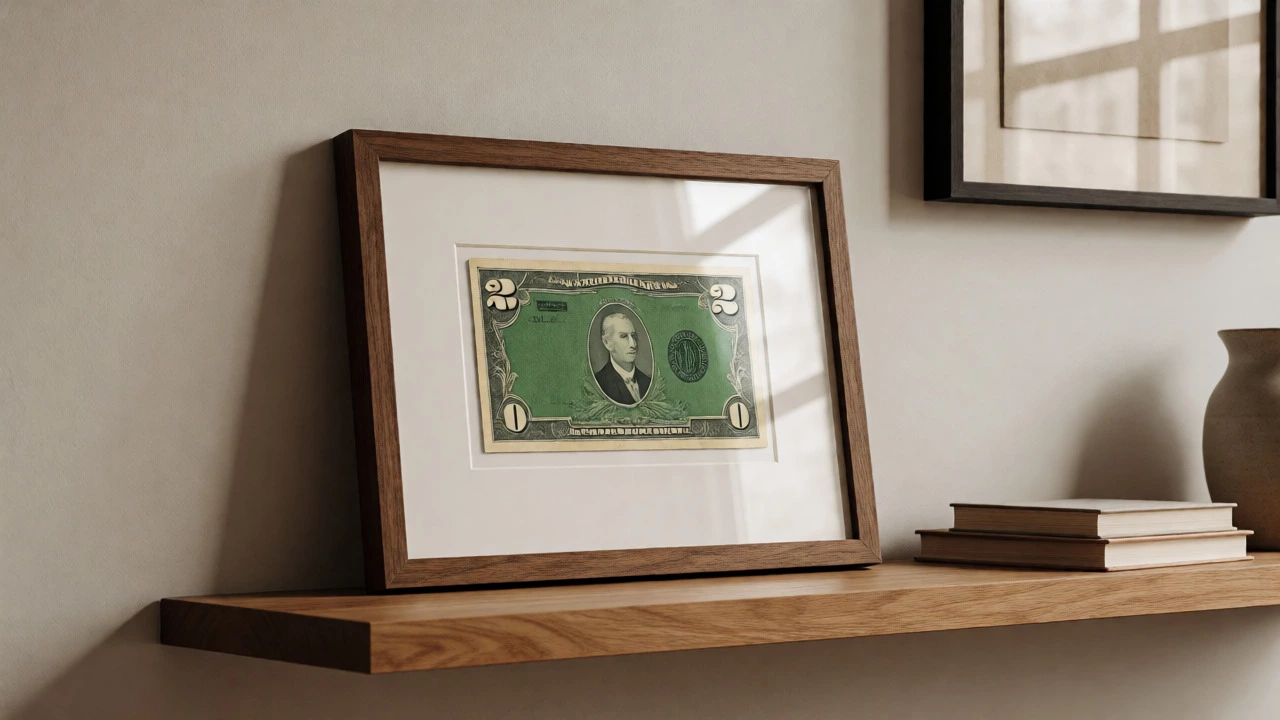
So, how does this relate to your home? Many people display currency as part of their interior design. A framed $20 bill can serve as a minimalist art piece, especially if it’s a star note (one with a serial number containing repeated digits or patterns). Star notes are collected by enthusiasts and can fetch prices well above face value. If you’re building a gallery wall or arranging books on a floating shelf, a single framed note can add texture and a touch of Americana.
| Denomination | Common Nickname | Origin/Reason | Current Usage |
|---|---|---|---|
| $1 | Buck | Frontier trade goods (deerskins) | Very Common |
| $5 | Fiver / Lincoln | Value / Portrait | Moderate |
| $10 | Sawbuck | Roman Numeral X shape | Low (Older Gen) |
| $20 | Jackson / Twenty | Portrait of Andrew Jackson | High (Literal) |
| $100 | Benjamin / Hun | Portrait / Hundred | High |
When choosing which note to display, consider the condition. Crisp, uncirculated notes look best under glass. A wrinkled, coffee-stained twenty might look charming in a rustic setting but could detract from a modern, sleek shelf. Also, check the series date. Newer designs (post-2003) feature subtle background colors like peach and blue, which might clash with certain color palettes. Older, solid-green backs offer a classic, neutral look that fits almost anywhere.
Care and Preservation for Displayed Notes
If you decide to showcase a $20 bill on your shelf, don’t just tape it to the wall. Paper degrades when exposed to sunlight and humidity. Use UV-protective glass if placing the frame near a window. Avoid direct contact with acidic materials; use archival-quality matting between the note and the glass. This ensures that whether you call it a Jackson, a twenty, or a lucky charm, it retains its visual appeal for years.
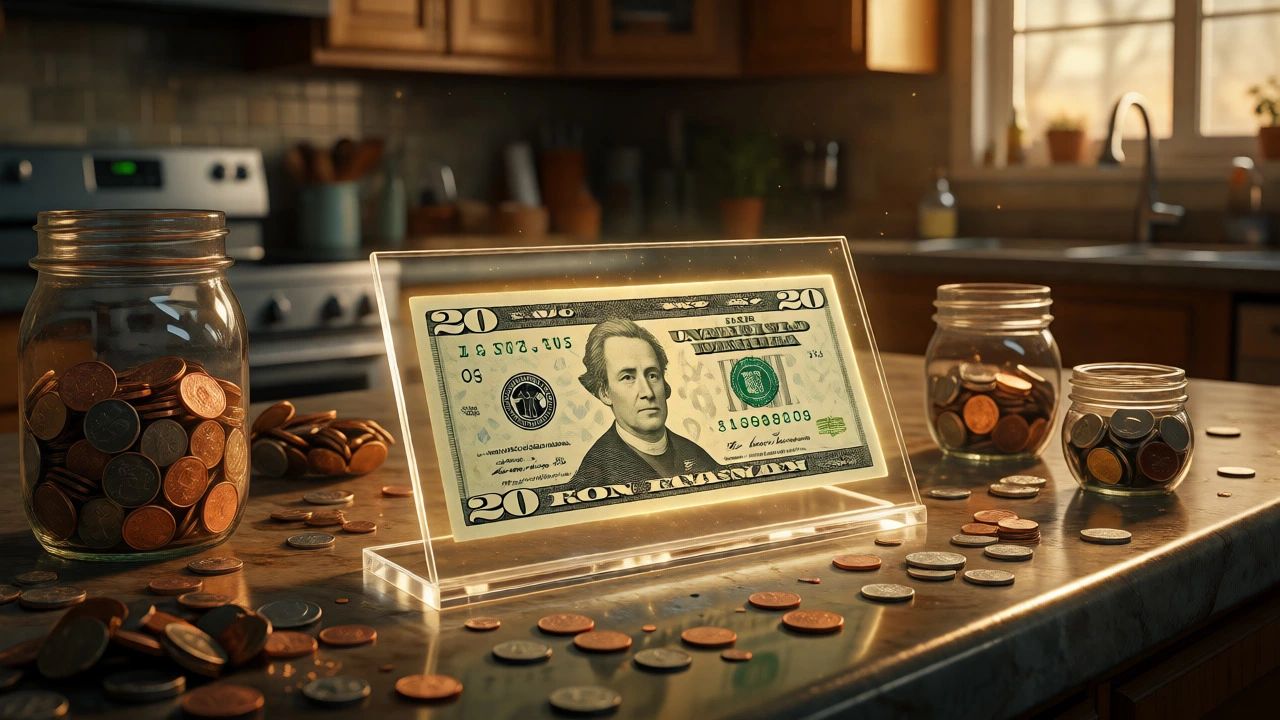
For those who prefer not to frame their money, consider a clear acrylic stand. These allow the note to be viewed from both sides, highlighting the intricate engraving on the front and the White House illustration on the back. This dual-sided visibility makes the object more engaging for guests who pick up the stand to examine it closely.
Is a $20 bill officially called a Jackson?
No, it is not an official government designation. "Jackson" is a colloquial nickname derived from the portrait of President Andrew Jackson printed on the front. The official name remains the twenty-dollar bill.
Why is the $20 bill less common in circulation?
Many consumers perceive the $20 bill as uncommon and tend to hoard them, spending smaller denominations first. This behavioral pattern reduces their frequency in daily transactions, creating a self-fulfilling prophecy where they seem rarer than they actually are.
Can I sell my $20 bill for more than face value?
Yes, if it has unique features such as being a star note, having a low serial number, or being in pristine uncirculated condition. Collectors may pay premiums for these specific attributes, turning a standard bill into a valuable collectible suitable for display.
What is the safest way to display a bill on a shelf?
Use a frame with UV-protective glass and acid-free backing materials. Alternatively, a sealed acrylic block or stand protects the note from dust and handling while allowing visibility. Avoid direct sunlight to prevent fading.
Are there other nicknames for the $20 bill besides Jackson?
You might hear "double sawbuck" in very old slang, referencing the ten-dollar sawbuck. Some younger generations jokingly call them "unicorns" due to their perceived rarity. However, "twenty" remains the dominant term in everyday speech.