
Deep Pan Selector Tool
Select Your Cooking Scenario
Select your options and click "Find the Right Pan" to see our recommendation.
Picture this: you've just pulled a steaming, cheese-laden masterpiece out of the oven. The crust is golden, the toppings are bubbly, and your family is waiting. But before you can serve it, someone asks, "Where did that come from?" You look at the heavy, high-sided vessel in your hand and realize you don't actually know what to call it. Is it a skillet? A casserole dish? A pot?
If you're looking for the specific name for a **deep pan**, the answer depends entirely on what you're cooking. There isn't one single word for every deep-sided cookware item. Instead, we have a whole family of tools, each designed with a specific shape, material, and purpose. From the classic pizza pan to the rugged Dutch oven, understanding these names helps you shop smarter and cook better.
The Pizza Pan: The Most Common Deep Pan
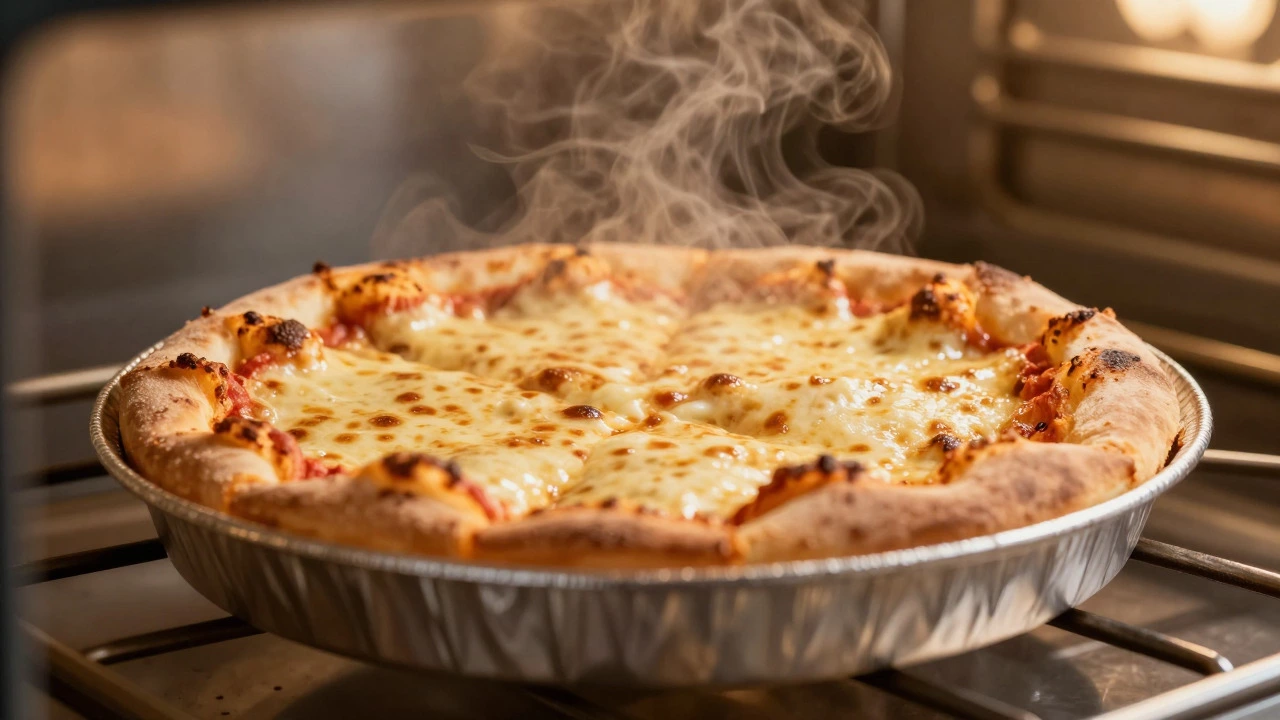
When most people ask, "What is a deep pan called?" they are usually holding a round, metal tray with raised edges. In the world of home cooking, this is almost always referred to as a pizza pan, also known as a pizza tray or pizza screen.
This isn't just a marketing term; it's a functional description. Unlike a standard baking sheet, which is flat, a pizza pan has sides that rise about 1 to 2 inches (2.5 to 5 cm). This design serves two critical purposes. First, it contains the sauce and toppings so they don't slide off during transport. Second, and more importantly, it supports the dough. If you try to bake a thick-crust or deep-dish pizza on a flat sheet, the center sags because the dough is too wet and heavy to support itself. The high walls of the pizza pan hold the structure together until the crust sets.
You'll find these pans made primarily from aluminum or carbon steel. Aluminum is lightweight and conducts heat quickly, which is great for getting a crisp bottom. Carbon steel is heavier and develops a non-stick patina over time, similar to cast iron. Professional pizzerias often use perforated screens-metal sheets with hundreds of tiny holes-to allow air to circulate underneath the crust, preventing sogginess. For home cooks, a solid aluminum pan is the workhorse.
The Dutch Oven: The Heavyweight Champion
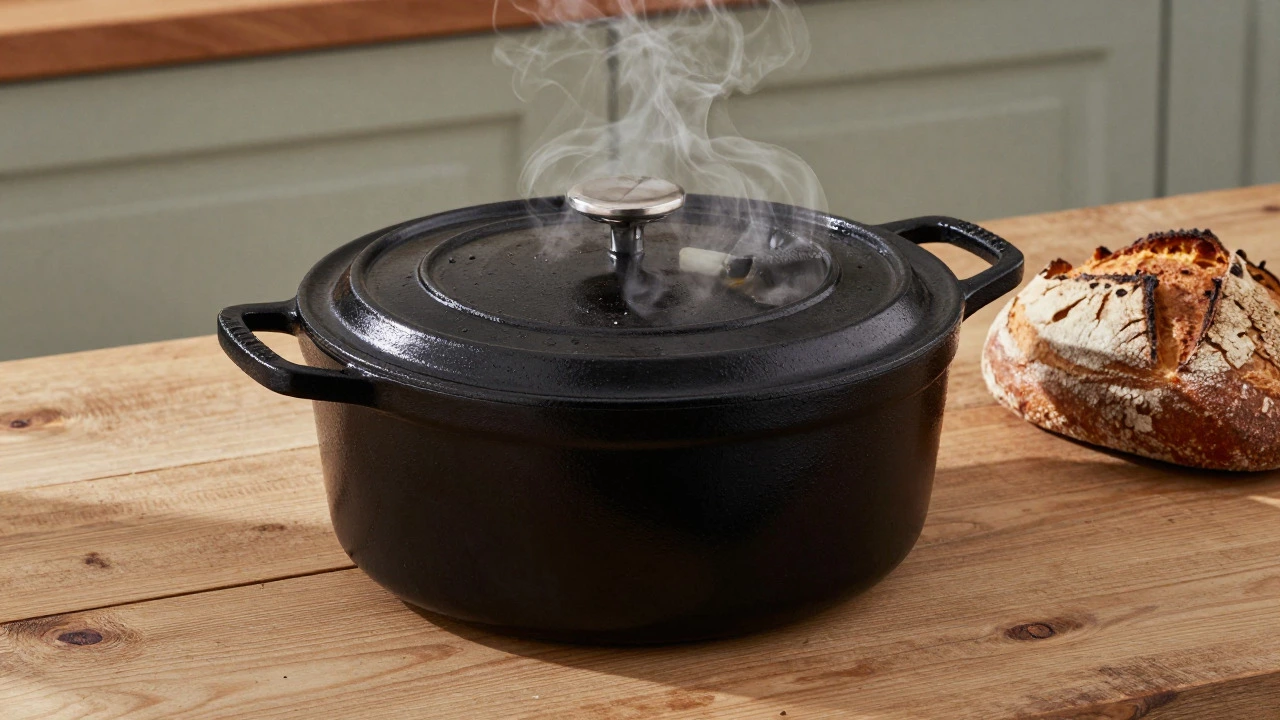
If your deep pan is made of thick, black iron and weighs enough to hurt your foot if you drop it, you're looking at a Dutch oven. This is perhaps the most versatile piece of cookware in history. While it looks like a pot, it functions as a deep frying pan, a braiser, and a bread baker all in one.
The key difference between a Dutch oven and other deep pans is its construction. It is typically made of enameled cast iron or bare cast iron. Cast iron has incredible thermal mass, meaning it holds heat for a long time and distributes it evenly. This makes it perfect for slow-cooking tough cuts of meat, like brisket or chuck roast, where you want the collagen to break down into gelatin without burning the outside.
But here's the secret weapon of the Dutch oven: steam retention. When you bake artisan sourdough bread, you need intense, moist heat for the first 20 minutes to allow the loaf to expand rapidly (oven spring) before the crust hardens. By placing the lid on the Dutch oven, you trap the steam released by the dough. No other common kitchen tool does this as effectively. Brands like Le Creuset and Staub have popularized the enameled version, which doesn't require seasoning but is more fragile if dropped. Lodge offers the traditional bare cast iron option, which is cheaper and virtually indestructible.
Baking Dishes and Casserole Dishes: The Glass and Ceramic Options
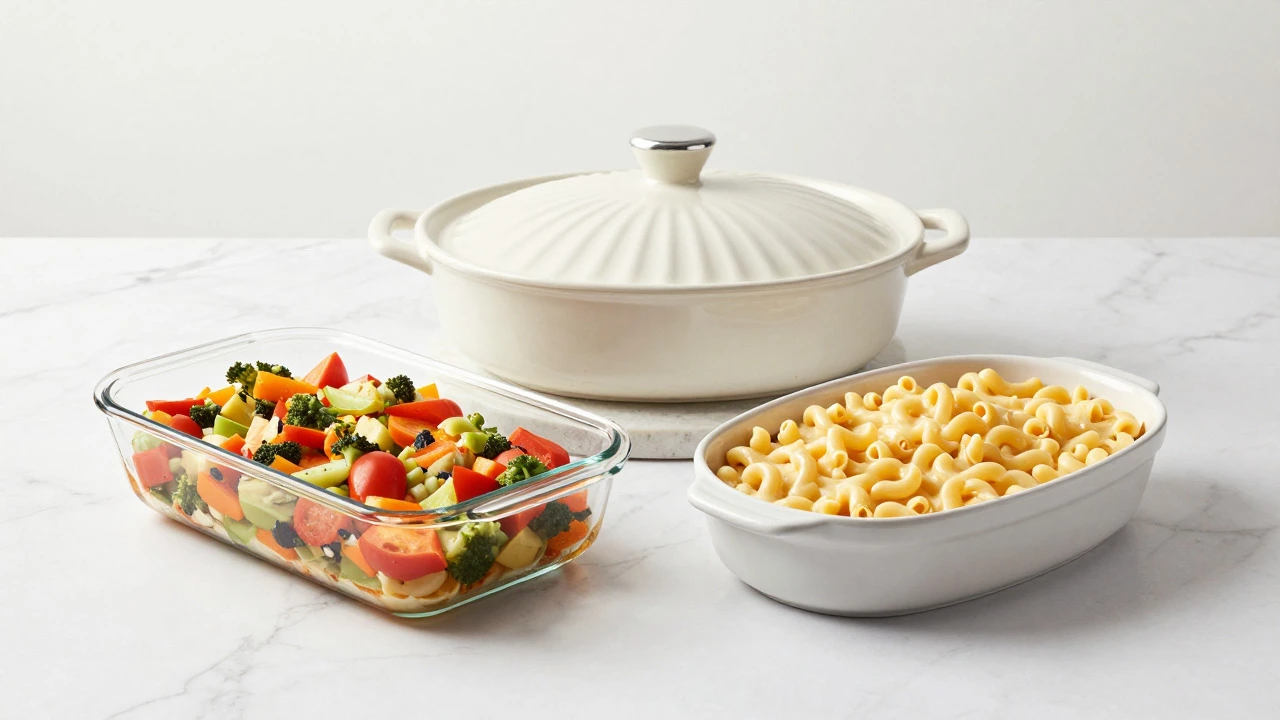
Now, let's talk about those rectangular or oval dishes you see in grandma's kitchen. These are generally called baking dishes or casserole dishes. They are distinct from pizza pans and Dutch ovens because of their material and intended use.
Most baking dishes are made from tempered glass (like Pyrex), ceramic, or stoneware. They have straight or slightly sloped sides and are designed for even, gentle heating. You wouldn't sear a steak in a glass baking dish-it would shatter. Instead, you use them for lasagna, macaroni and cheese, baked ziti, or roasted vegetables.
The beauty of glass and ceramic is transparency and neutrality. Glass allows you to see the food browning without opening the oven door, which causes temperature fluctuations. Ceramic retains heat well after being removed from the oven, keeping food warm at the table. However, they are prone to thermal shock. If you take a cold glass dish from the fridge and put it directly into a hot oven, it might crack. Always let them come to room temperature first, or start with a cool oven and increase the heat gradually.
The Skillet vs. The Saute Pan: Understanding Depth
Confusion often arises when comparing skillets and saute pans. Both are used for stovetop cooking, but their depth dictates their name and function.
A standard skillet, or frying pan, has low, flared sides. This design makes it easy to toss food and flip pancakes. It's not considered a "deep pan" in the culinary sense because it lacks the volume to hold significant liquid or stack ingredients vertically.
In contrast, a saute pan has higher, straight sides. This extra depth allows you to cook larger quantities of food without spilling, and it traps more heat and moisture than a skillet. If you're making a stir-fry or a pan sauce with wine and butter, a saute pan is the right choice. Some chefs refer to a very deep saute pan as a "braiser," especially if it comes with a tight-fitting lid. The boundary between a deep saute pan and a shallow Dutch oven can be blurry, but the lid is usually the deciding factor.
Specialty Deep Pans: Roasting Pans and Springforms
There are other specialized vessels that fit the "deep pan" description depending on the task.
Roasting pans are large, rectangular, and deep, designed specifically for holding whole chickens, turkeys, or roasts. They often come with a rack to lift the meat off the bottom, allowing fat to drip away and air to circulate. Unlike a Dutch oven, they are usually made of thinner metal to heat up faster and are not meant for stovetop use.
Springform pans are round, deep, and have a removable side wall held in place by a latch. You'll use these for cheesecakes, tortes, or delicate cakes that need to be unmolded carefully. The depth ensures the cake has enough height, while the spring mechanism prevents damage during removal.
| Pan Type | Primary Material | Best Use Case | Oven Safe? | Stovetop Safe? |
|---|---|---|---|---|
| Pizza Pan | Aluminum, Carbon Steel | Deep-dish pizza, quiches | Yes | No (usually) |
| Dutch Oven | Cast Iron, Enameled Cast Iron | Braising, bread baking, stews | Yes | Yes |
| Baking Dish | Glass, Ceramic, Stoneware | Casseroles, lasagna, gratins | Yes | No |
| Saute Pan | Stainless Steel, Non-stick | Sauces, stir-fries, shallow frying | Often (check handle) | Yes |
| Roasting Pan | Carbon Steel, Aluminum | Whole poultry, large roasts | Yes | No |
How to Choose the Right Deep Pan for Your Kitchen
Selecting the right pan isn't just about aesthetics; it's about matching the tool to the technique. Ask yourself three questions:
- Where will it cook? If you need to start on the stove and finish in the oven, you need a Dutch oven or a stainless steel saute pan with an oven-safe handle. Glass and ceramic baking dishes go only in the oven.
- What are you cooking? For acidic foods like tomato sauce, avoid bare cast iron as the acid can strip the seasoning and impart a metallic taste. Use enameled cast iron or stainless steel instead. For bread, the moisture-trapping capability of a lidded Dutch oven is unmatched.
- How much space do you have? Dutch ovens are bulky and heavy. If you have limited cabinet space, a multi-purpose stainless steel saute pan with a lid might be a more practical alternative, though it won't retain heat as well.
Don't feel pressured to buy expensive brands immediately. A basic aluminum pizza pan costs less than $10 and performs identically to a $30 premium version for most home needs. Similarly, a generic enameled cast iron pot can handle braising just as well as luxury brands, provided the enamel quality is good and free of chips.
Maintenance Tips for Long-Lasting Cookware
Regardless of what you call your deep pan, proper care extends its life significantly. For cast iron, never soak it in water and always dry it thoroughly to prevent rust. Apply a thin layer of oil after cleaning to maintain the seasoning. For non-stick surfaces, avoid metal utensils and high heat, which can degrade the coating. Glass and ceramic dishes should be washed gently to avoid scratching the surface, which can weaken the glass over time. Finally, check the handles of stainless steel pans regularly; loose screws can make a pan dangerous to use.
Understanding the specific names and functions of these deep pans transforms how you approach cooking. You stop guessing and start selecting the right tool for the job. Whether you're baking a crispy deep-dish pizza or slow-braising a pot roast, having the correct vessel makes the difference between a good meal and a great one.
Is a deep pan the same as a Dutch oven?
Not necessarily. While a Dutch oven is a type of deep pan, the term "deep pan" is broader. A Dutch oven specifically refers to a heavy pot, usually made of cast iron, with a tight-fitting lid. Other deep pans include pizza trays, baking dishes, and saute pans, which may not have lids or be made of heavy iron.
What is the best material for a deep pizza pan?
Aluminum is widely considered the best material for home pizza pans because it conducts heat efficiently, leading to a crispier crust. Carbon steel is another excellent option that becomes naturally non-stick over time. Avoid dark-colored pans if possible, as they can burn the bottom of the pizza.
Can I use a baking dish on the stovetop?
Generally, no. Glass and ceramic baking dishes are not designed for direct stovetop heat and can crack or shatter due to thermal shock. Only use pans explicitly labeled as stovetop-safe, such as cast iron, stainless steel, or certain copper-bottomed pots.
Why is my deep-dish pizza soggy on the bottom?
Sogginess usually occurs because the pan isn't preheated or the dough is too wet. Preheat your pizza pan in the oven for at least 15-20 minutes before adding the dough. This ensures the crust starts cooking immediately upon contact. Also, ensure your oven is hot enough (typically 425°F to 450°F / 220°C to 230°C).
What is the difference between a saute pan and a skillet?
The main difference is the height of the sides. A skillet has low, flared sides, making it ideal for flipping and tossing food. A saute pan has higher, straight sides, which contain liquids and splatters better, making it suitable for sauces and braising small amounts of food.