
UK Nappy Cost vs. Disposable Calculator
Disposable Total
One-time purchase onlyReusable (MCN) Total
Initial stash + washing costsYou save approximately:
£0.00
by choosing reusable nappies.
Breakdown:
- Disposable:
- MCN Initial:
- MCN Washing:
You pack your bags for a trip to London, grab the essentials, and then hit a wall at the supermarket. You need diapers, but the sign says nappies. You ask for wipes, and they hand you "baby wipes." It’s a small moment of confusion that happens to almost every visitor from the US or Canada. The question isn’t just about semantics; it’s about navigating a different cultural landscape where even basic baby gear has distinct names.
If you are wondering what a diaper is called in England, the short answer is: **nappy**. But if you are planning a stay longer than a weekend, knowing this single word won't save you from other linguistic hurdles. From "bottles" to "pushchairs," the terminology shifts in ways that can make shopping for baby supplies feel like learning a new dialect. Let’s break down exactly what you need to know so you don’t stand out as a tourist while trying to buy essentials.
The Core Difference: Diapers vs. Nappies
In the United States, Australia, and New Zealand, the disposable garment used by infants is universally called a diaper. In England, Scotland, Wales, and Northern Ireland, it is almost exclusively referred to as a nappy. This term comes from the older English word "napery," which related to linen or cloth. While the US moved toward "diaper" (derived from the French *drap*, meaning cloth) in the early 20th century, the UK stuck with "nappy" as the industry standardized on disposable products.
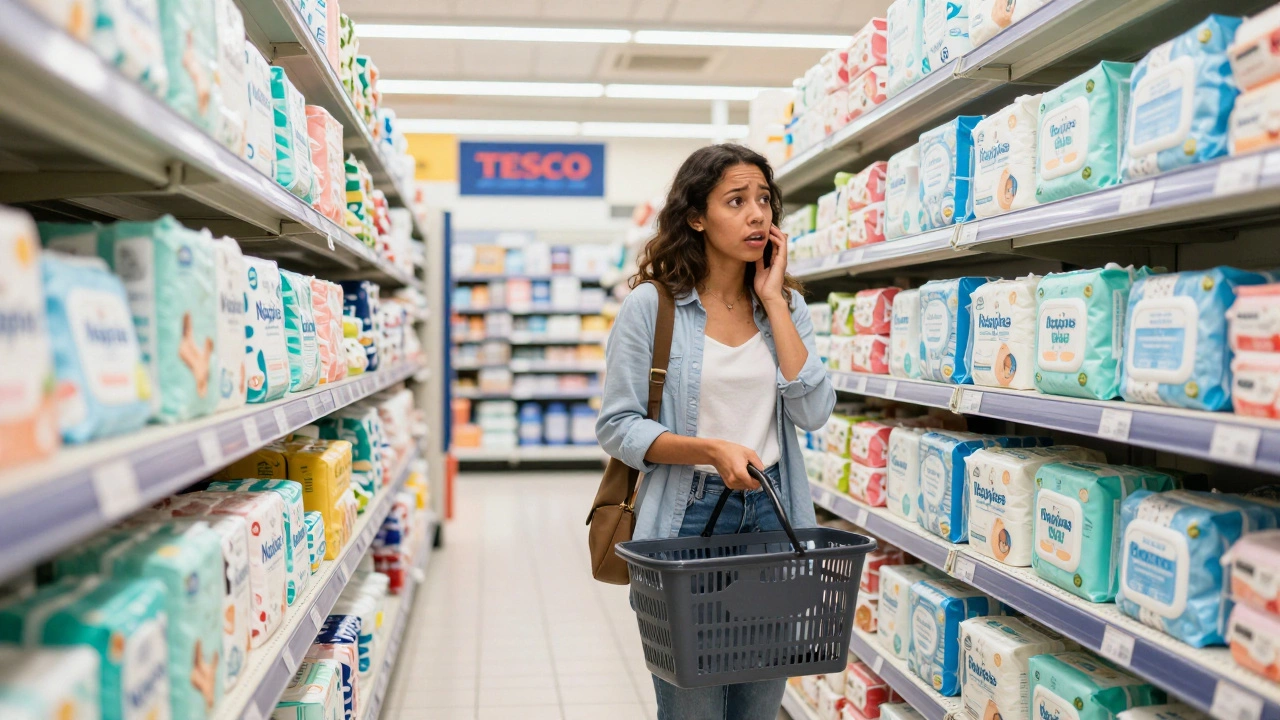
There is no functional difference between the two words when referring to modern disposable products. If you walk into a Boots or Tesco in Manchester and ask for diapers, the staff will likely understand you, but they might raise an eyebrow. If you ask for nappies, you’ll be pointed straight to the aisle. For reusable options, the terms split further. In the US, you hear "cloth diapers." In the UK, you’ll see "nappies" or specifically "modern cloth nappies" (MCNs). The brand names also differ; Pampers and Huggies dominate both markets, but Little Freddie and BumGenius have stronger footholds in the UK eco-friendly sector.
| Item | US Term | UK Term |
|---|---|---|
| Disposable absorbent garment | Diaper | Nappy | Cloth absorbent garment | Cloth diaper | Cloth nappy / MCN |
| Protective pad for surfaces | Changing pad cover | Nappy change mat |
| Baby carrier/walker | Stroller / Pram | Pushchair / Pram |
| Baby food pouches | Pouches | Pots / Pouches |
Related Vocabulary: Beyond the Nappy
Knowing that a diaper is a nappy is step one. Step two involves the accessories that go with it. The ecosystem of baby care products has its own lexicon in the UK, and using the wrong terms can lead to search failures online or awkward moments in-store.
Consider the surface you change the baby on. In the US, you buy a "changing table" or "changing station." In the UK, these are often called "changing units" or simply part of a "chest of drawers" with a changing top. The protective sheet itself is rarely called a "pad." Instead, look for "nappy change mats" or "waterproof changing covers." Brands like Munchkin and Skip Hop use similar naming conventions globally, but local retailers like Mothercare (now largely replaced by John Lewis and independent boutiques) historically marketed these under distinctly British headings.
Then there is the issue of disposal. In the US, you might use a "diaper pail" with scented liners. In the UK, the concept is less standardized. Many parents simply use a dedicated bin with a tight lid, often lined with standard trash bags. Specialized systems like Ubbi exist, but they are niche. More commonly, you’ll hear about "nappy sacks"-small plastic bags used to wrap dirty nappies before throwing them away, especially when traveling or visiting friends. This practice is more culturally ingrained in the UK due to smaller living spaces and stricter etiquette around smells in shared environments.
Reusable Options: The Rise of Modern Cloth Nappies
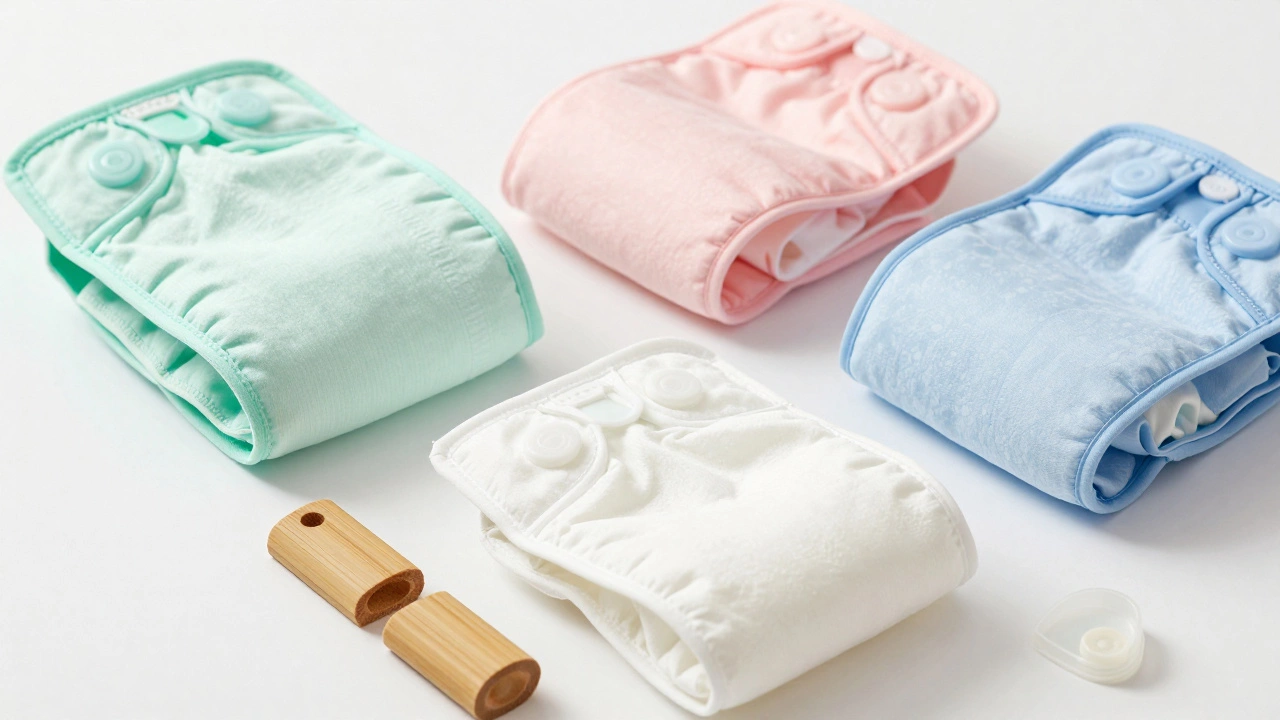
If you are considering eco-friendly options, the UK has a robust market for reusable nappies. Unlike the US, where "cloth diapering" often conjures images of pinning and washing heavy cottons, the UK market leans heavily toward "Modern Cloth Nappies" (MCNs). These are all-in-one or pocket-style nappies that function much like disposables but are washed and reused. They feature adjustable snaps, waterproof outer layers made from PUL (polyurethane laminate), and inserts made from bamboo or microfiber.
The cost calculation differs here too. In the UK, the environmental tax on landfills and higher water efficiency standards have made reusable nappies more appealing. A full stash of MCNs costs around £150-£200 upfront, but saves money over time compared to buying disposables. The average UK baby uses about 6,000 nappies before potty training. At £0.30 per disposable nappy, that’s nearly £1,800. Reusables cut that bill significantly, though you must factor in electricity and water costs for washing. Most UK households wash nappies at 60°C to ensure hygiene, which aligns with general laundry practices for bedding and towels.
Brands like Alva Baby, TotsBots, and Berrythyme are household names in the UK reusable community. They offer starter kits and subscription services for inserts, making the transition easier for new parents. Online forums and Facebook groups dedicated to "nappy sharing" or "second-hand nappies" are active, reflecting a culture of reuse and sustainability that permeates many aspects of British parenting.
Shopping for Nappies in the UK: What to Expect
When you head to a store, you’ll find nappies categorized by weight ranges rather than age. Sizes typically go: Newborn (up to 10 lbs), Size 1 (8-14 lbs), Size 2 (12-17 lbs), Size 3 (16-23 lbs), Size 4 (22-37 lbs), and Size 5 (35+ lbs). Some brands, like Pampers, use a "Night & Day" distinction, offering thicker versions for overnight use. Huggies focuses on "Little Movers" for active babies. Always check the fit guides, as European sizing can run slightly smaller than US equivalents.
Pricing varies. Budget brands like Tesco Value or Asda Own Brand cost around £0.20-£0.25 per nappy. Mid-range brands like Pampers and Huggies sit at £0.30-£0.40. Premium organic options, such as EcoByBaby or Naty by Nature Babycare, can exceed £0.50 per unit. Bulk buying is common, with large packs of 100+ nappies available online via Amazon UK or directly from manufacturer sites. Delivery is usually free for orders over £40, making it easy to stock up without hauling heavy boxes from the car park.
One thing to note: UK supermarkets often place baby products near the entrance or in a dedicated "Baby & Toddler" section, separate from adult toiletries. This makes navigation easier, but it means you won’t find nappies tucked away next to feminine hygiene products as they sometimes are in US stores. Look for signs saying "Baby Care" or "Infant Health."
Cultural Nuances: Etiquette and Perception
Using the word "diaper" in casual conversation in England might mark you as an American immediately. It’s not offensive, but it does signal outsider status. Locals tend to be polite and accommodating, but repeated use of US terms can create a subtle distance. Switching to "nappy" helps build rapport, especially in parent groups or pediatrician offices.
There’s also a perception around cleanliness. In the UK, public changing facilities are generally well-maintained, but space is limited. Changing tables in pubs or restaurants are often small, requiring you to fold the mat carefully. Parents are expected to clean up thoroughly after themselves, including wiping down the surface with provided disinfectant wipes. Leaving a dirty nappy unbagged is considered poor form and can lead to disapproving looks. This emphasis on tidiness reflects broader social norms around consideration for others in shared spaces.
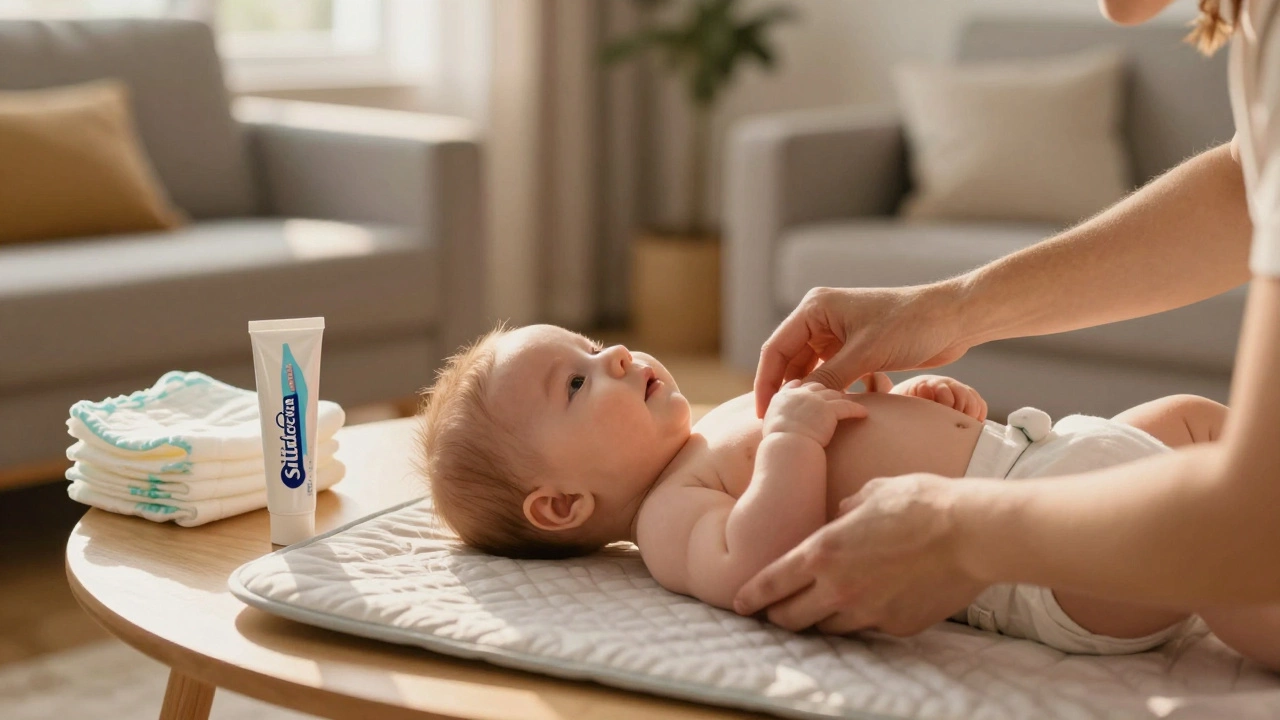
Additionally, the concept of "nappy rash" is taken seriously. Creams like Sudocrem and Bepanthen are staples in every UK home. Sudocrem, in particular, is iconic-a zinc oxide-based paste that doubles as a treatment for cuts, burns, and insect bites. If you’re dealing with skin irritation, asking for Sudocrem will get you immediate recognition and assistance.
Frequently Asked Questions
Is 'nappy' the same as 'diaper'?
Yes, functionally they are identical. 'Nappy' is the British English term for what Americans call a 'diaper.' Both refer to the absorbent garment worn by infants to contain waste. There is no difference in material, design, or usage between the two terms when referring to modern disposable products.
Where can I buy nappies in England?
Nappies are widely available in major supermarkets like Tesco, Sainsbury's, Asda, and Morrisons. Pharmacies such as Boots and Superdrug also carry a range of brands. Specialty baby stores like Mothercare (now operated by John Lewis) and online retailers like Amazon UK offer extensive selections, including bulk packs and eco-friendly options.
Are reusable nappies popular in the UK?
Yes, reusable nappies, particularly Modern Cloth Nappies (MCNs), have gained significant popularity due to environmental concerns and cost savings. Brands like Alva Baby and TotsBots are well-known, and many parents join online communities to share tips on washing and fitting. The initial investment is higher, but long-term savings are substantial.
What do Brits call baby wipes?
They are still called 'baby wipes' in the UK. Unlike 'diaper,' the term 'wipes' has not changed regionally. However, some brands may label them as 'cleansing cloths' or 'flushable wipes,' though the latter are discouraged due to plumbing issues.
How do I dispose of dirty nappies in the UK?
Dirty nappies should be wrapped securely, often in a small plastic bag known as a 'nappy sack,' before being placed in the general waste bin. In public places, use the designated bins and ensure the area is cleaned with provided wipes. Flushing nappies is strictly prohibited and can cause severe blockages.
What is the best cream for nappy rash in the UK?
Sudocrem is the most recognized and trusted brand for treating nappy rash in the UK. It contains zinc oxide and benzyl alcohol, which soothe irritation and protect the skin. Bepanthen is another popular option, especially for newborns, as it promotes healing with vitamin B5.
Do UK nappies fit differently than US ones?
Generally, yes. European sizing tends to be slightly smaller than US sizing. For example, a UK Size 3 nappy may correspond to a US Size 2. It’s advisable to check the weight ranges listed on the packaging rather than relying solely on size numbers. Trying a smaller pack first can help determine the right fit for your baby.