
Peekaboo Bathroom Design Planner
Your Preferences
Recommended Method: --
Why this works for you:
Select your preferences to see the recommendation.
Adjust the settings on the left and click "Analyze Layout" to find your ideal peekaboo solution.
Quick Takeaways for Your Remodel
- Space Illusion: By removing full walls, small bathrooms feel double their size.
- Light Flow: It lets natural light from the bedroom or hallway bleed into the bathroom.
- Privacy Control: Uses "visual blocks" to hide the toilet while showing the vanity.
- Modern Vibe: It creates a high-end, spa-like atmosphere common in luxury hotels.
How a Peekaboo Layout Actually Works
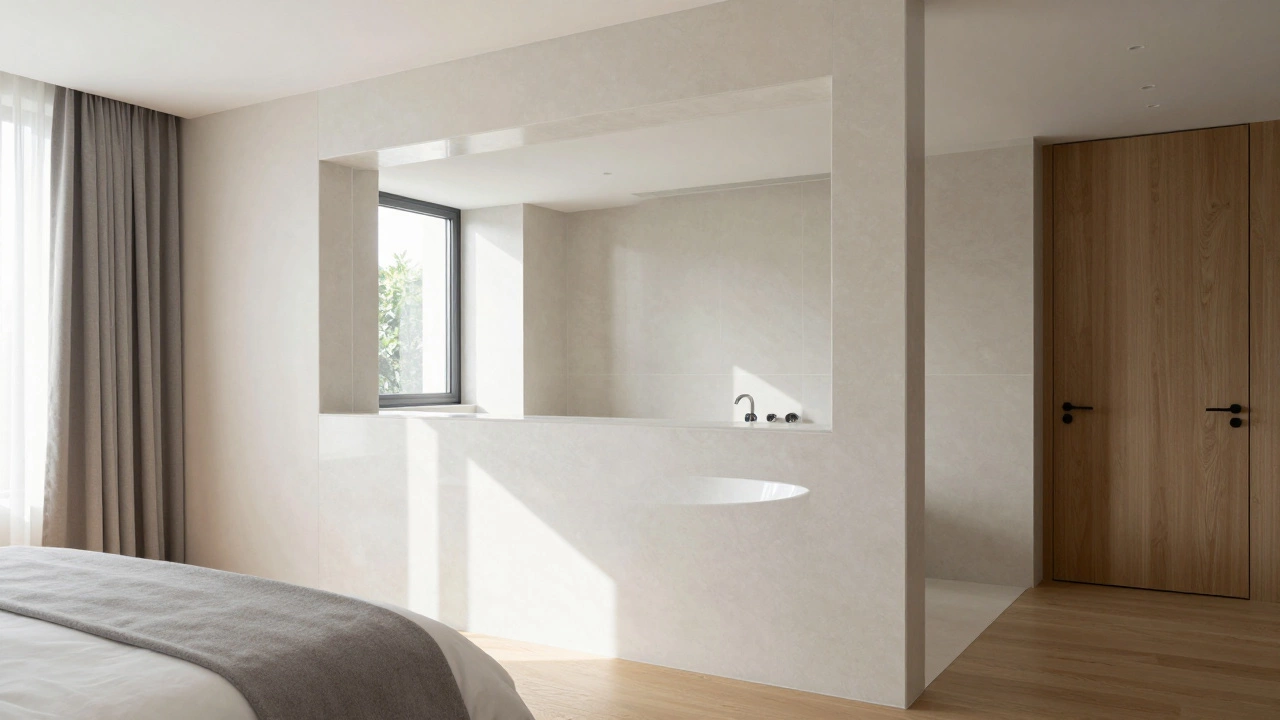
Most traditional bathrooms are essentially boxes. You enter a door, close it, and you're in a private zone. A peekaboo setup breaks that box. Instead of a 90-degree angle wall that goes from floor to ceiling, you might have a Pony Wall-a short wall that usually hits about 36 to 42 inches high. This allows your eyes to travel across the entire room, which tricks your brain into thinking the square footage is much larger than it actually is. Another common method is the use of Interior Glazing. This isn't just any glass; it's often fluted, frosted, or reeded glass. These materials let the light pass through (which is great for those windowless bathrooms) but blur the shapes of people and objects inside. You get the "peek" of the color and light, but not the "boo" of seeing someone in the shower.The Strategic Art of Hiding the Toilet
Let's be real: nobody wants their toilet to be the center of a peekaboo design. The golden rule of this layout is to keep the "wet zone" private and the "dry zone" visible. In a well-designed peekaboo bathroom, the vanity and the bathtub are the stars. They are the parts you're happy to show off because they look like decor. To keep things classy, designers usually implement a Water Closet. This is a separate, fully enclosed small room just for the toilet. By putting the toilet in its own little pod, the rest of the bathroom can be as open as you like. If you don't have room for a full pod, a high-sided partition wall or a heavy-duty curtain can create a visual barrier that blocks the line of sight from the bedroom door specifically toward the commode.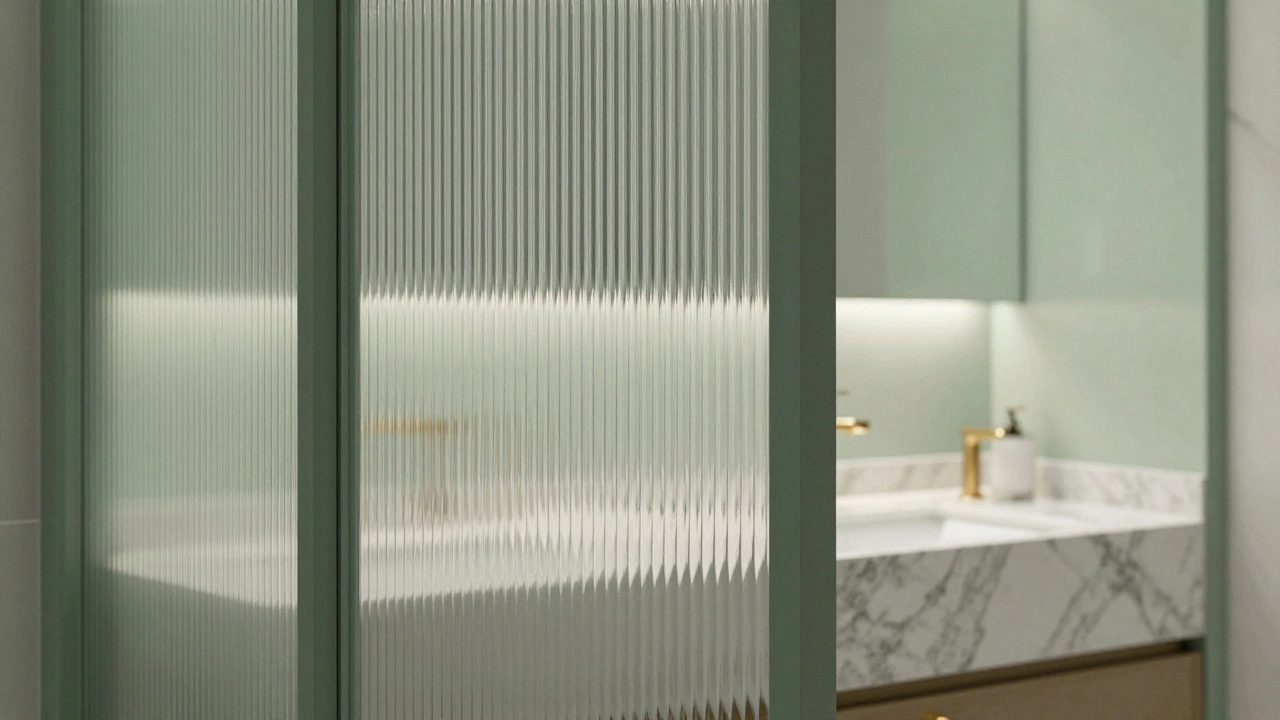
Choosing the Right Materials for Visual Balance
When you're opening up a space, the materials you choose act as the "invisible walls." If you're using a partial wall, the capping material matters. A thick piece of polished quartz or a reclaimed wood beam on top of a pony wall defines the boundary without closing it off. For those using glass, consider the texture. Clear glass is essentially a fishbowl-not what we're going for here. Reeded glass is a huge trend right now because it creates a linear, ribbed effect that distorts the image perfectly. It looks like a piece of art from the outside but provides enough cover for the person inside to feel secure.| Method | Privacy Level | Light Transmission | Best For... |
|---|---|---|---|
| Pony Wall | Medium | High | Small apartments/Condos |
| Frosted Glass | High | High | Master suites/Spas |
| Open Archway | Low | Maximum | Single-person households |
| Slatted Wood Panels | Medium | Medium | Mid-century modern styles |
Dealing with the Practical Downsides
It's not all aesthetic bliss. When you remove a door or a full wall, you lose a sound barrier. The sound of a flushing toilet or a running faucet will travel directly into the bedroom. To fight this, you need to invest in high-quality, quiet fixtures. Look for "slow-close" toilet seats and faucets with dampened flow to reduce that loud splashing sound. Humidity is another factor. In a fully enclosed bathroom, the steam stays put until the exhaust fan clears it. In a peekaboo setup, steam can drift into your bedroom, potentially affecting your wallpaper or clothing in the closet. To stop this, your Exhaust Ventilation needs to be top-tier. A high-CFM (Cubic Feet per Minute) fan is non-negotiable here to ensure moisture is sucked out of the room before it can wander into the rest of the house.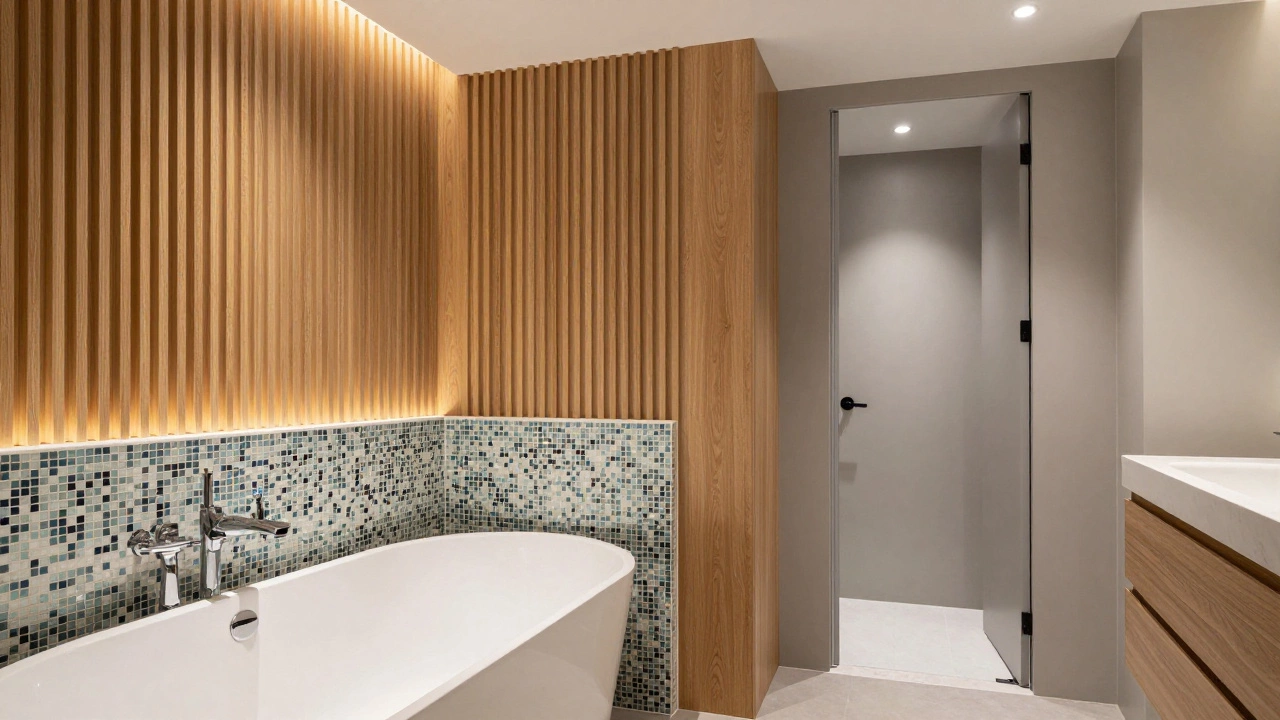
Step-by-Step: Planning Your Peekaboo Transition
If you're looking to convert a standard bathroom into a peekaboo style, don't just start knocking down walls. You need a plan that respects both the structure of your home and your need for a private moment.- Map the Sightlines: Stand in your bedroom and look toward the bathroom. Mark exactly where your eyes hit. This is where your "privacy blocks" (like a pony wall or frosted screen) need to be placed.
- Identify Load-Bearing Walls: Before you remove any part of a wall, check if it's holding up your ceiling. If it's a load-bearing wall, you'll need a structural beam (a header) to keep the house from sagging.
- Zone the Room: Separate the "Show Zone" (vanity, tub, decorative tiles) from the "No-Show Zone" (toilet, shower drain). Ensure the No-Show zone is tucked behind a full wall or a heavy curtain.
- Pick Your Glass: If you're going with a glass partition, decide between frosted (smooth blur), reeded (vertical lines), or tinted (darker hue).
- Upgrade the Fan: Install a more powerful ventilation system to handle the open-air humidity flow.
Is This Style Right for Your Lifestyle?
Not everyone is a candidate for a peekaboo bathroom. If you share a room with a partner and one of you is extremely modest, this design can lead to daily arguments. However, for couples who are comfortable with each other or for people living alone, it removes the claustrophobia of a tiny bathroom. It's also a fantastic choice for accessibility. Removing heavy doors and creating wider, open-concept entries makes it much easier for someone using a wheelchair or walker to navigate the space. It transforms a restrictive utility room into an integrated part of the living suite.Does a peekaboo bathroom lower home resale value?
Generally, no. In modern luxury real estate, semi-open bathrooms are seen as a high-end feature. However, the key is that the toilet must remain private. As long as there is a dedicated water closet or a full wall hiding the toilet, most buyers see the open vanity and tub area as a positive, spa-like attribute.
What is the best glass for a peekaboo wall?
Reeded or fluted glass is currently the gold standard. It provides a sophisticated, architectural look that distorts shapes enough to provide privacy while still allowing nearly 100% of the light to pass through, unlike frosted glass which can sometimes look like a shower curtain.
How do I stop smells from escaping an open bathroom?
The solution is twofold: a powerful exhaust fan and a separate enclosure for the toilet. If the toilet is in its own room with a door, the smells are contained there. If you can't build a wall, an automatic air freshener or a high-grade carbon filter fan can help mitigate odors.
Can I do a peekaboo bathroom on a budget?
Yes. Instead of expensive glass walls, use heavy, floor-to-ceiling linen curtains or install a freestanding slatted wood screen. These provide the same visual break and "peek" effect without the need for major construction or expensive glaziers.
Will this make my bathroom feel colder?
Potentially, as heat can escape more easily into the bedroom. To counter this, consider installing Radiant Heating under the bathroom tiles. This keeps the floor warm and helps maintain a cozy temperature even without a sealed door.