
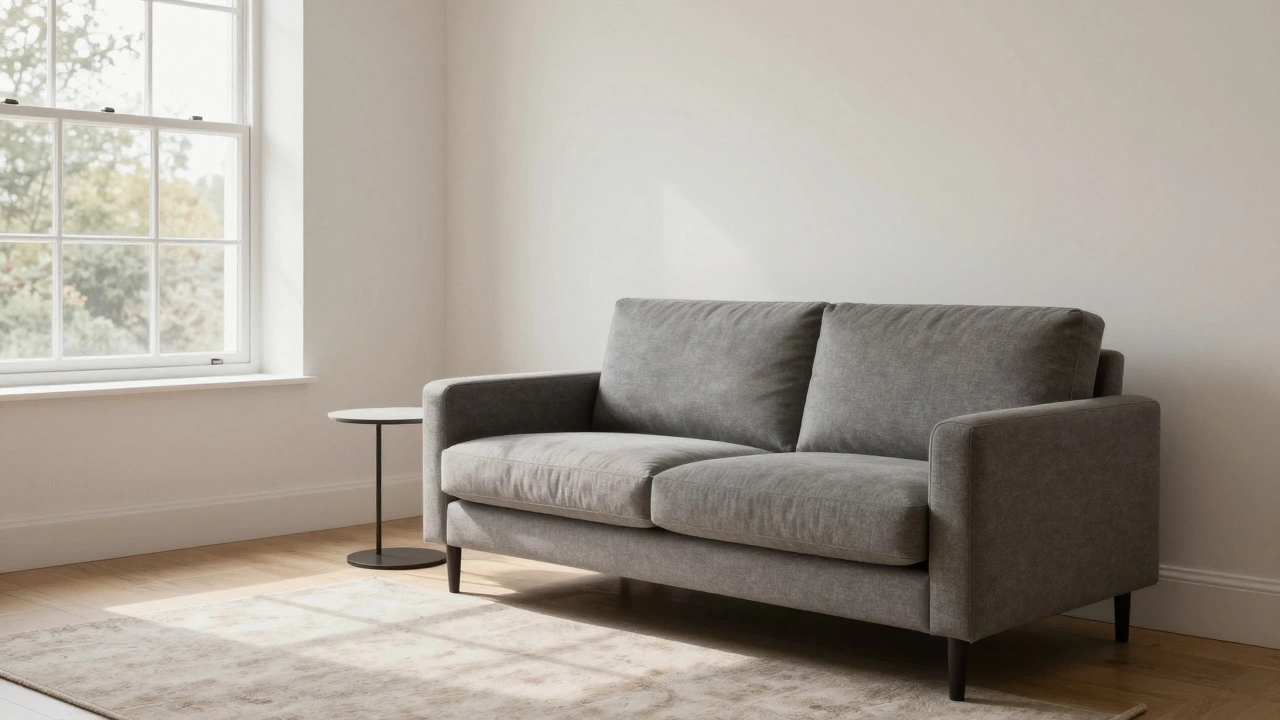
Small Sofa Finder & Fit Calculator
Step 1: Identify Your Sofa
Adjust the slider to match the width of the sofa you are looking for or own.
Identified As:
A compact sofa designed to seat two people comfortably. Perfect for apartments or entryways.
Step 2: Will It Fit?
You walk into your living room, or maybe that cozy nook in the corner of your bedroom, and you realize a standard three-seater is just too big. It blocks the flow, makes the space feel cramped, and frankly, looks ridiculous. So, what do you call that very small sofa you’re looking for? The answer isn’t just one word-it depends on how small we’re talking about.
If you need seating for two people, you’re likely hunting for a loveseat. If you need something smaller than that, perhaps for reading or as an accent piece, you might be looking for a club chair, a glider, or even a settee. Understanding these distinctions helps you avoid buying furniture that doesn’t fit your life-or your floor plan.
The Loveseat: The Standard "Small" Sofa
When most people ask what a small sofa is called, the immediate answer is a loveseat. A loveseat is a compact sofa designed to seat two people comfortably, typically measuring between 60 and 72 inches wide. It’s the workhorse of small-space living. Unlike a full-sized sofa, which usually accommodates three adults (or two adults and a child), a loveseat strips away the extra width while keeping the essential comfort features like back cushions and armrests.
Loveseats are perfect for apartments, entryways, or secondary living areas. They often share the same depth and height as their larger counterparts, making them look cohesive in a set. If you buy a sofa and a matching loveseat, they create a balanced visual weight without overwhelming the room. The term "loveseat" itself has romantic origins, suggesting intimacy, but today it’s purely a functional descriptor for two-person seating.
- Average Width: 60-72 inches (152-183 cm)
- Seating Capacity: 2 people
- Best For: Living rooms with limited wall space, dens, or paired with a larger sofa.
Smaller Than a Loveseat: Club Chairs and Accent Seating
What if a loveseat is still too big? Maybe you only have room for one person, or you want a piece that acts more like decor than primary seating. This is where terminology gets trickier because there isn’t a single universal name. Instead, you’ll encounter several specific types.
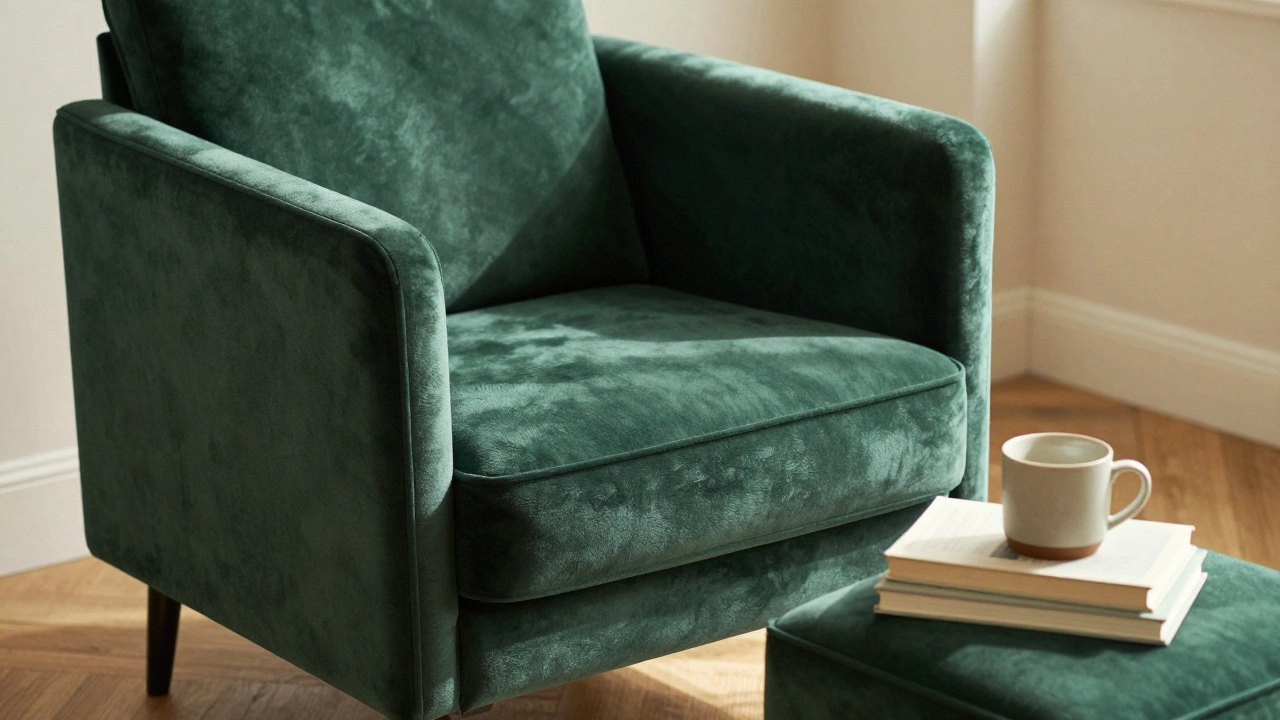
The club chair is a low-backed, upholstered armchair designed for comfort and style, often used as an accent piece rather than primary seating. These chairs are wider than a standard dining chair but narrower than a loveseat. They usually measure around 30-35 inches wide. Club chairs are ideal for creating conversation pits or adding texture to a minimalist room. They don’t always have deep seats, so they’re better for short sits rather than napping.
Another option is the accent chair. An accent chair is a stylish, often non-traditional seating option used to add color, pattern, or unique design elements to a room. These can vary wildly in size and shape. Some are sleek and modern with thin frames; others are plush and oversized. If you see a tiny sofa-like structure with no arms, it might be called a settee. A settee is a formal term for a small upholstered bench or sofa, often with wooden legs and a decorative frame. Settees are common in traditional or vintage interiors and often lack the deep cushioning of modern sofas.
Specialized Small Sofas: Futons, Daybeds, and Sleeper Chairs
In urban environments like Bristol or London, space is premium currency. You might not just want a small sofa; you might want a small sofa that does double duty. This leads us to hybrid furniture categories.
A futon is a versatile piece of furniture that functions as both a sofa and a bed, often featuring a foldable mattress supported by a wooden or metal frame. While traditional Japanese futons are mattresses on the floor, Western-style futons are sofa-like structures. They are incredibly narrow when folded up, making them ideal for studios. However, comfort can be hit-or-miss depending on the quality of the inner spring or foam core.
Then there’s the daybed. A daybed is a triple-sided sofa or couch designed for lounging during the day and sleeping at night, often resembling a large bench with pillows. Daybeds are popular in guest rooms or sunrooms. They look like small sofas but often have a headboard on one side and footboard on the other, blurring the line between bed and seating. A sleeper chair is an armchair that unfolds into a flat sleeping surface, providing a compact alternative to a pull-out sofa. These are gaining traction because they offer the convenience of a guest bed without the bulk of a full sleeper sofa.
How to Measure Your Space Before Buying
Knowing the name is half the battle; fitting the piece is the rest. Many people underestimate how much clearance they need. A "small" sofa isn’t just about its footprint-it’s about how it interacts with doorways, hallways, and existing furniture.
First, measure the wall where the sofa will sit. Subtract at least 4-6 inches from each side to allow for air circulation and visual breathing room. If you’re placing the sofa against a wall, ensure it doesn’t block outlets or light switches. Second, check your entry path. Can a 72-inch loveseat fit through your front door? Can it turn the corner in your hallway? If you live in an older building with tight staircases, you might need a modular piece or one with removable arms.
Finally, consider the scale of other furniture. A tiny loveseat next to a massive sectional will look lost. Balance is key. If your coffee table is large, opt for a slightly wider loveseat or pair a club chair with a substantial ottoman to ground the space.
| Item Name | Typical Width | Seating Capacity | Best Use Case |
|---|---|---|---|
| Loveseat | 60-72 inches | 2 people | Primary seating in small living rooms |
| Club Chair | 30-35 inches | 1 person | Accent seating, reading nooks |
| Settee | 48-60 inches | 1-2 people | Formal entries, vintage decor |
| Futon | 60-75 inches | 1-2 people | Studios, multi-functional spaces |
| Sleeper Chair | 35-45 inches | 1 person | Guest beds in tight spaces |
Material Matters: Durability in Compact Spaces
Because small sofas are often used in high-traffic areas like entryways or studios, material choice is critical. Leather is durable and easy to clean, making it great for homes with pets or kids. Fabric offers warmth and texture but may require professional cleaning if stained. Microfiber is a middle ground-soft like fabric but resistant to spills.
If you’re choosing a club chair for a sunny window spot, avoid light-colored fabrics that fade quickly. Opt for performance fabrics treated with stain resistance. For a loveseat in a family room, consider a dark, neutral tone that hides wear and tear. Remember, smaller pieces get used more intensely per square inch, so durability shouldn’t be sacrificed for aesthetics.
Styling Tips for Small Sofas
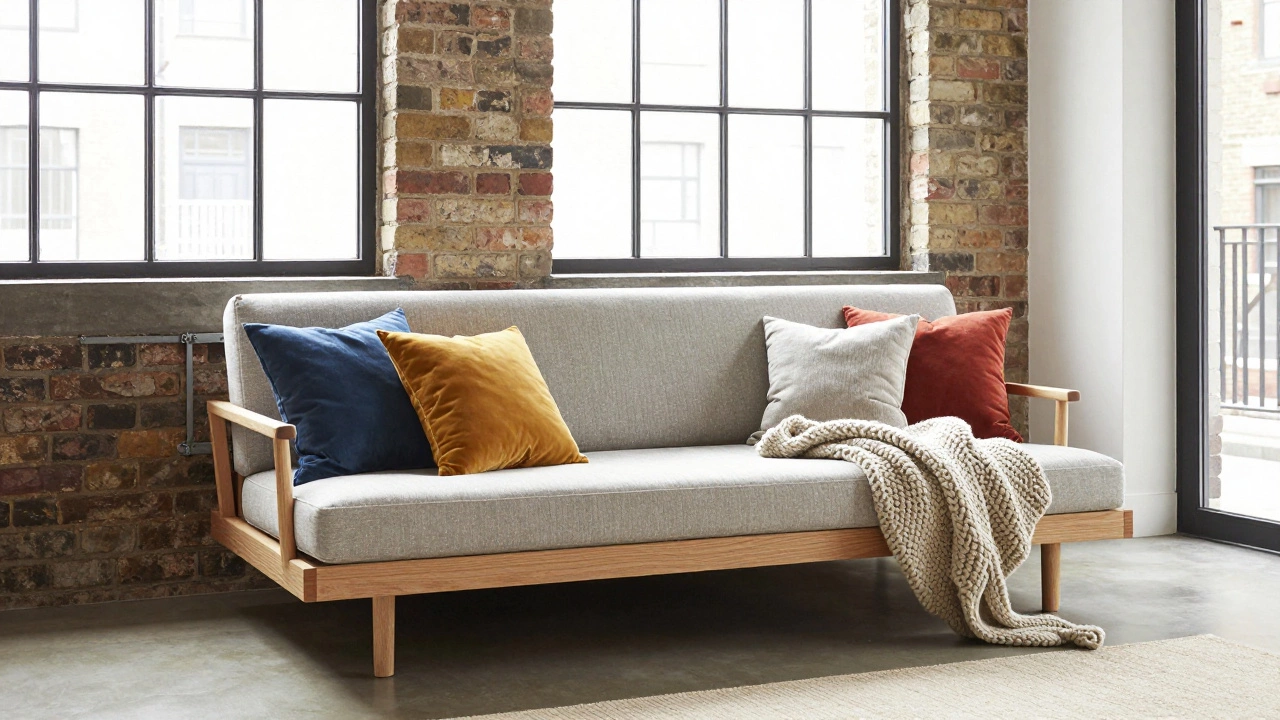
A small sofa doesn’t mean your room has to look sparse. In fact, it can create a cozier, more intentional vibe. Use throw pillows to add height and color. A large area rug under the loveseat anchors it visually, preventing it from floating awkwardly in the room. Pair a club chair with a slim side table to maximize functionality without clutter.
If you’re using a settee in an entryway, place a tray on top for keys and mail. It becomes both seating and storage. For a daybed, layer multiple blankets and pillows to invite lounging. The goal is to make the small piece feel substantial and inviting, not cramped or temporary.
Common Mistakes to Avoid
Don’t assume all "small sofas" are the same size. Always check dimensions before ordering. Don’t ignore the depth-a narrow loveseat with deep seats can still overwhelm a small room. Avoid cheap construction; small frames are more prone to wobbling if not built with solid wood or reinforced joints. Finally, don’t forget to measure your delivery route. I’ve seen plenty of beautiful loveseats returned because they couldn’t fit through the bathroom door.
What is the difference between a loveseat and a sofa?
The main difference is size and seating capacity. A standard sofa seats three or more people and is typically 80-95 inches wide. A loveseat seats two people and is usually 60-72 inches wide. Loveseats are ideal for smaller spaces or as complementary pieces to larger sofas.
Is a club chair considered a small sofa?
Not exactly. A club chair is technically an armchair designed for one person. However, it serves a similar aesthetic purpose as a small sofa by providing comfortable, upholstered seating in a compact form. It’s often used as an accent piece rather than primary seating.
What should I look for in a small sofa for a studio apartment?
Look for multifunctionality. A futon or sleeper chair can serve as both seating and a guest bed. Choose a piece with exposed legs to create a sense of openness and airflow. Neutral colors and durable materials like leather or microfiber help maintain versatility and longevity in high-use spaces.
Can a settee be used as everyday seating?
Yes, but comfort varies. Traditional settees often have firmer cushions and less padding than modern sofas, making them better for occasional use or formal settings. If you plan to use it daily, choose a settee with plush upholstery and ergonomic support.
How do I ensure a small sofa fits through my doors?
Measure the width and height of all doorways, hallways, and staircases leading to the room. Compare these measurements to the sofa’s dimensions, including its widest point (often the arms). If unsure, contact the retailer to confirm deliverability or opt for a modular design with removable parts.