

Mirror Obsession Assessment Tool
Your Assessment Result
Result Title
Result description goes here.
Have you ever caught yourself staring into a mirror for far longer than necessary? Maybe you check your reflection obsessively before leaving the house, or perhaps you feel a strange compulsion to arrange mirrors in every room. If this behavior feels out of control, you might be wondering if there is a specific name for it. The short answer is speculomania. But like most psychological terms, the reality is more nuanced than a single label.
Mirrors are everywhere in our lives. We use them for grooming, decoration, and even feng shui. However, when looking at a mirror shifts from a practical habit to an intrusive obsession, it can signal deeper emotional or psychological patterns. This article breaks down what speculomania actually means, why some people develop this fixation, and how to tell the difference between harmless vanity and a condition that needs attention.
The Definition of Speculomania
Speculomania is a rare psychological condition characterized by an excessive preoccupation with mirrors. The term comes from the Latin word speculum, meaning "mirror," combined with the Greek suffix -mania, meaning "madness" or "obsession." It is not currently listed as a distinct diagnosis in the DSM-5 (Diagnostic and Statistical Manual of Mental Disorders), which means you won’t find a doctor handing you a prescription specifically for "speculomania." Instead, it is usually considered a symptom or a behavioral pattern linked to other underlying issues.
In clinical settings, this behavior often overlaps with body dysmorphic disorder, obsessive-compulsive disorder (OCD), or narcissistic traits. When someone has speculomania, they may spend hours checking their appearance, seeking validation from their reflection, or conversely, feeling intense distress over perceived flaws that no one else can see. The key indicator is the impact on daily life: if the mirror obsession interferes with work, relationships, or sleep, it moves beyond a quirk into a mental health concern.
Why Do People Become Obsessed with Mirrors?
Understanding the root cause is crucial because the treatment depends entirely on what’s driving the behavior. There isn’t just one reason someone becomes fixated on their reflection. Here are the most common psychological drivers:
- Body Dysmorphic Disorder (BDD): Individuals with BDD are hyper-focused on perceived defects in their appearance. They may stare into mirrors for hours, scrutinizing tiny details like skin texture or hair growth. Unlike normal vanity, this scrutiny causes significant anxiety and shame.
- Narcissistic Personality Disorder (NPD): People with NPD often have an inflated sense of self-importance. Mirrors serve as tools for self-admiration and validation. They may dress primarily for their own approval and feel entitled to constant admiration from others.
- Obsessive-Compulsive Disorder (OCD): For some, mirror-checking is a compulsion. They might feel a ritualistic need to ensure their tie is straight or their hair is perfect before they can leave a room. The act reduces temporary anxiety but reinforces the cycle.
- Social Anxiety: Ironically, some people obsess over mirrors to avoid social interaction. By focusing intensely on their appearance, they create a buffer against the fear of judgment from others.
It’s also worth noting that cultural factors play a role. In societies that heavily emphasize physical beauty and status, mirror usage can become normalized to unhealthy levels. Social media exacerbates this by encouraging endless self-scrutiny through selfies and filters, blurring the line between healthy self-care and pathological obsession.
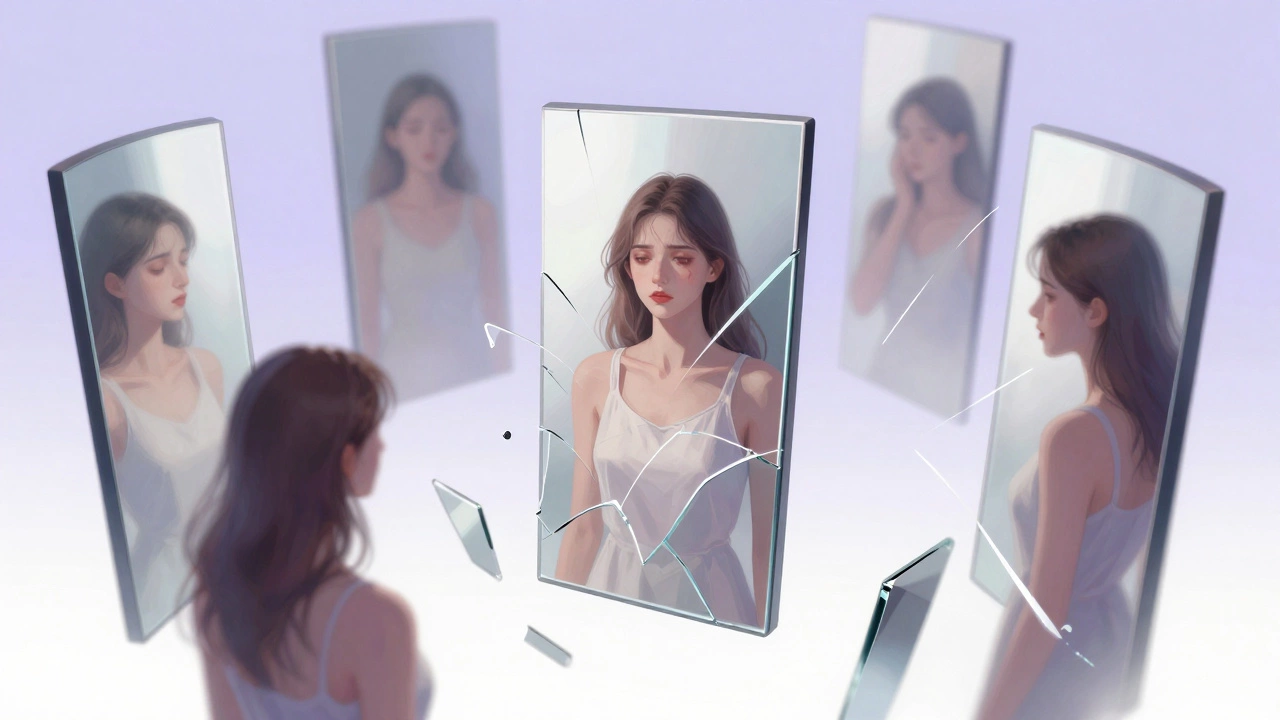
Signs That Mirror Usage Has Crossed the Line
How do you know if you or someone you care about is dealing with speculomania rather than just caring about looks? Context matters. Here are clear signs that the behavior has become problematic:
- Time Consumption: Spending more than 30 minutes a day solely on mirror-gazing, excluding routine grooming tasks like brushing teeth or applying makeup.
- Emotional Distress: Feeling angry, depressed, or anxious when unable to access a mirror. Some people cover mirrors in their home because seeing themselves triggers panic attacks.
- Social Withdrawal: Avoiding events or interactions because you’re too worried about your appearance or too busy checking your reflection.
- Ritualistic Behavior: Following strict routines around mirrors, such as only looking at yourself under certain lighting conditions or using multiple angles to inspect minor features.
- Impact on Relationships: Partners or friends express concern about your focus on appearance, leading to conflicts or isolation.
If these behaviors sound familiar, it’s not about being vain. It’s about losing control. The brain’s reward system gets hijacked by the need for visual confirmation, creating a loop that’s hard to break without professional help.
Speculomania vs. Normal Vanity: What’s the Difference?
Vanity is a universal human trait. Most people enjoy looking good and checking their appearance occasionally. The difference lies in frequency, intensity, and consequence. To help clarify, here’s a comparison table outlining the key distinctions.
| Feature | Healthy Vanity | Speculomania / Obsession |
|---|---|---|
| Purpose | eGrooming, confidence boost | Anxiety reduction, compulsive checking |
| Duration | Few minutes per session | Hours per day, often interrupting activities |
| Emotional Response | Positive or neutral | Negative (distress, shame) or euphoric (grandiosity) |
| Flexibility | Can skip mirror checks without issue | Feels unable to function without checking |
| Self-Perception | Realistic view of appearance | Distorted view (either idealized or flawed) |
This distinction is vital because labeling someone as "vain" can stigmatize genuine mental health struggles. Speculomania is not a moral failing; it’s a neurological and psychological pattern that requires empathy and evidence-based treatment.
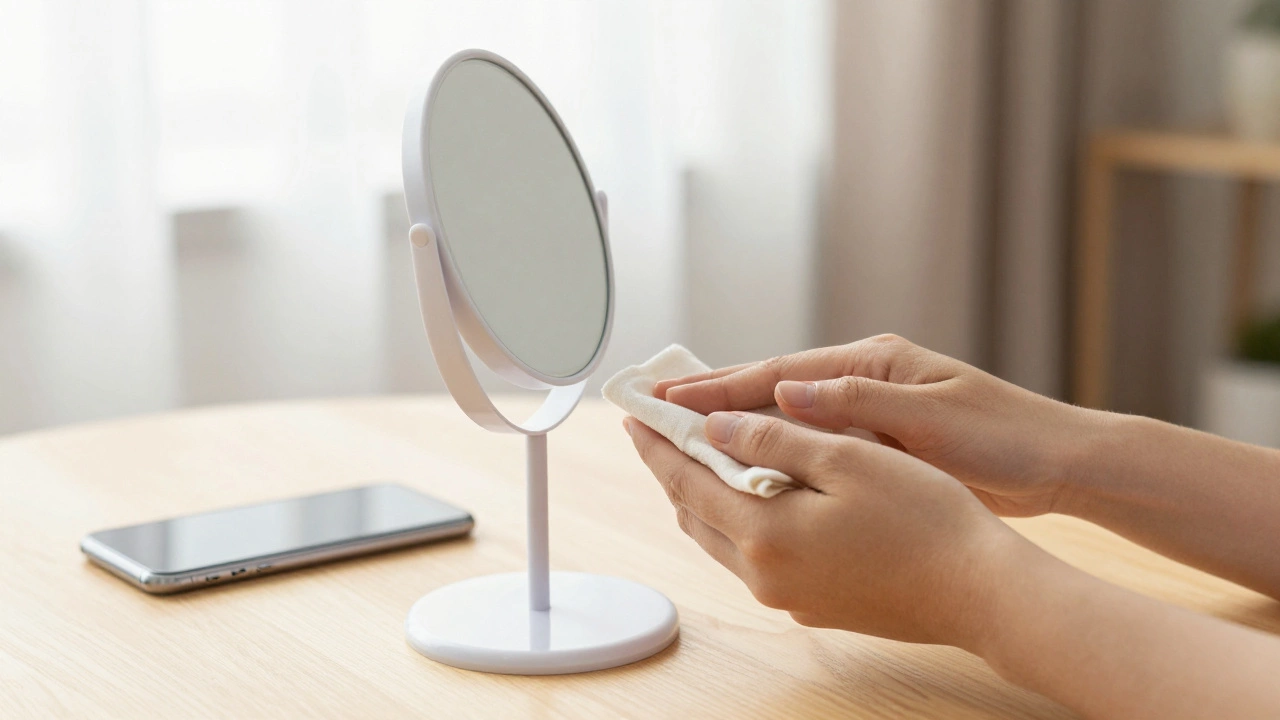
Treatment and Coping Strategies
Good news: speculomania and its underlying causes are treatable. Therapy is the first line of defense, particularly Cognitive Behavioral Therapy (CBT). CBT helps individuals identify irrational thoughts about their appearance and replace them with healthier perspectives. Exposure and Response Prevention (ERP), a type of CBT used for OCD, is especially effective for reducing compulsive mirror-checking.
Medication may also be prescribed if the obsession is linked to depression, anxiety, or OCD. Selective serotonin reuptake inhibitors (SSRIs) are commonly used to balance brain chemistry and reduce obsessive tendencies. However, medication should always be part of a broader therapeutic plan, not a standalone solution.
For those managing mild symptoms, lifestyle changes can make a big difference:
- Limited Mirror Access: Cover mirrors in bedrooms or bathrooms during high-stress periods. This isn’t about avoidance forever, but about breaking the immediate compulsion cycle.
- Mindfulness Practices: Meditation and grounding techniques help shift focus away from external appearance to internal states. Apps like Headspace or Calm offer guided sessions specifically for body image issues.
- Social Support: Talk to trusted friends or family members who can provide objective feedback. Often, loved ones see nothing wrong with your appearance, which can challenge distorted self-perceptions.
- Digital Detox: Reduce time spent on social media platforms that promote unrealistic beauty standards. Curate your feed to include diverse body types and realistic content.
Recovery is a process. It doesn’t happen overnight, but with consistent effort and professional guidance, most people regain a healthy relationship with their reflection.
The Cultural Role of Mirrors
Mirrors have fascinated humans for centuries. From ancient bronze polished surfaces to modern glass-coated reflections, mirrors symbolize truth, identity, and sometimes deception. In literature, characters like Snow White or Narcissus highlight the dangers of obsession with one’s image. Today, the mirror industry alone generates billions in revenue annually, driven by fashion, fitness, and interior design trends.
This cultural saturation makes it harder to recognize when mirror use becomes pathological. We live in a world where selfie sticks, ring lights, and full-length bathroom mirrors are standard fixtures. The normalization of constant self-surveillance means we need to be more intentional about our habits. Asking "Am I looking in the mirror to prepare, or am I looking to escape?" can be a powerful diagnostic question.
Is speculomania a recognized medical diagnosis?
No, speculomania is not a standalone diagnosis in the DSM-5. It is typically viewed as a symptom associated with conditions like Body Dysmorphic Disorder, OCD, or Narcissistic Personality Disorder. Clinicians diagnose and treat the underlying condition rather than the mirror obsession itself.
Can children develop an obsession with mirrors?
Yes, though it is less common. Children may exhibit early signs of body dysmorphia or anxiety disorders that manifest as mirror fixation. Early intervention by a child psychologist is recommended if the behavior disrupts school performance or social interactions.
Does having many mirrors in your home cause speculomania?
Not directly. While environmental factors can trigger or worsen symptoms in predisposed individuals, speculomania stems from internal psychological processes. However, reducing mirror availability can be a helpful coping strategy for those already struggling with the obsession.
What is the opposite of speculomania?
There is no direct clinical term for the opposite, but some people experience "mirror avoidance" due to trauma, severe body dysmorphia, or agoraphobia. These individuals may cover mirrors or refuse to look at their reflection altogether, which is equally concerning and warrants professional support.
How long does therapy take to resolve mirror obsession?
Treatment duration varies based on severity and underlying causes. Short-term CBT programs may last 8-12 weeks, while complex cases involving OCD or personality disorders might require several months or years of ongoing therapy. Consistency is key to long-term success.