
Bedding Cost Calculator
Calculate Your Basic Bedding Budget
Estimate the cost of assembling a complete basic bedding set with the 5 essential pieces. Choose your preferences to see realistic pricing.
Your Basic Bedding Budget
Basic bedding isn’t about luxury threads or designer labels. It’s the bare minimum you need to sleep well, stay clean, and feel comfortable every night. If you’ve ever moved into a new place, slept on a friend’s couch, or just stared at a pile of linens in a store wondering what you actually need-you’re not alone. Let’s cut through the noise and lay out exactly what basic bedding means today, in 2026.
What Makes Bedding "Basic"?
Basic bedding is the set of items that go directly on your mattress to make it sleep-ready. Think of it like the foundation of a house. You don’t need marble floors to have a home, and you don’t need 1,000-thread-count sheets to sleep well. The core pieces are simple, functional, and easy to replace.
According to sleep experts at the Sleep Council UK, most adults who report good sleep quality use a standard set of four to five bedding items. Anything beyond that is extra. So if you’re trying to simplify your life, save money, or just start fresh, this is your checklist.
The Five Core Pieces of Basic Bedding
Here’s what you actually need-no more, no less:
- Bed sheet set (fitted sheet, flat sheet, and two pillowcases)
- Mattress pad (or mattress protector)
- Blanket (light to medium weight)
- Top comforter or duvet
- Pillows (at least two)
That’s it. No throw blankets, no decorative shams, no quilted bed runners. Just the things that touch your body and keep you warm, dry, and supported.
Bed Sheet Set: The Foundation
The bed sheet set is the most important part of basic bedding. It’s what your skin touches every night. A standard set includes three pieces: a fitted sheet that stretches over the mattress corners, a flat sheet that lies underneath your body, and two pillowcases.
For most people, cotton is the best choice. Specifically, 100% cotton with a plain weave (like percale) or a soft sateen finish. You don’t need 800 threads-anything between 200 and 400 is durable, breathable, and easy to wash. Higher counts often just mean softer fabric, not better sleep.
One real-world tip: buy two sets. Rotate them. One in the wash, one on the bed. It’s the easiest way to keep your sleep space fresh without stress. A 2024 study from the University of Bristol found that people who rotated their sheets every 7-10 days reported 37% fewer night sweats and less skin irritation.
Mattress Pad or Protector: The Silent Hero
This is the piece most people skip-until they regret it.
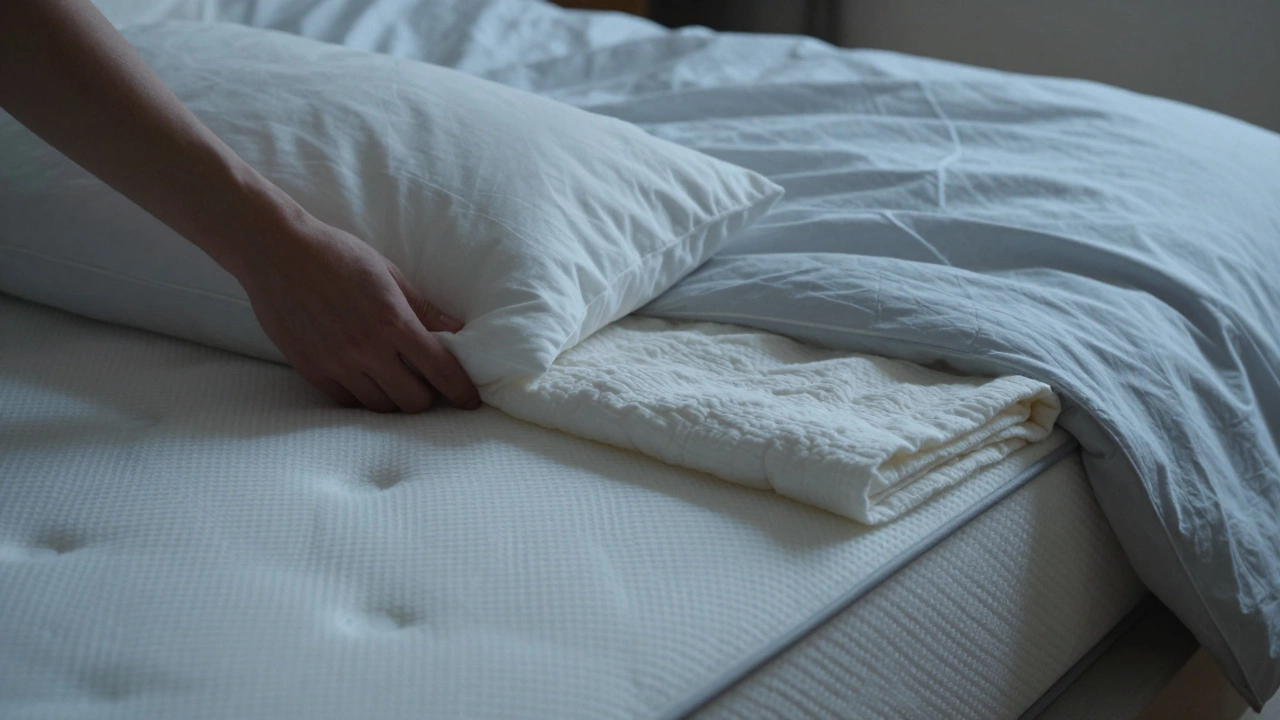
A mattress pad is thin and adds a little cushion. A mattress protector is thinner still and mostly waterproof. For basic bedding, go with a waterproof protector. Why? Because spills happen. Sweat happens. Dust mites happen. A good protector shields your mattress from all three.
Look for one made of breathable polyurethane laminate (PUL) or cotton with a water-resistant backing. Avoid plastic-backed protectors-they trap heat and make you sweat more. A good one costs under £15 and lasts 3-5 years. It’s the cheapest upgrade you’ll ever make.
Blanket: The Layer Between You and the Duvet
You might think a duvet is enough. But in the UK’s changing weather, a light blanket underneath your duvet makes a big difference.
It acts as a barrier. It keeps the duvet cleaner. It adds warmth without bulk. And if you wake up too hot, you can easily pull it out. A cotton or wool blanket, about 1.5 meters wide, is ideal. You can find one at any charity shop for £5-£10. No need to buy new.
Top Comforter or Duvet
Here’s where people get confused. In the UK, most people use a duvet-not a comforter. A duvet is a soft, fluffy insert that goes inside a duvet cover. A comforter is a single-piece quilt, common in the US.
For basic bedding, go with a duvet. Choose a 4.5 tog for spring/autumn, or a 9 tog for winter. You can layer them if needed. The key is to pick one with a removable cover. Wash the cover weekly. Wash the duvet only once or twice a year.
Fill type matters less than you think. Synthetic fills are cheaper, hypoallergenic, and easy to care for. Down or feather fills are warmer but need more care. For most people, a 100% polyester fill is perfectly fine.
Pillows: Don’t Skip This
You need at least two pillows. One for sleeping, one for backup. Most people sleep on one, but having a second means you can flip or replace if it gets lumpy.
Standard pillows filled with polyester are the most practical. They’re affordable, washable, and supportive enough for most sleepers. Memory foam pillows are great if you have neck pain-but they’re not basic. Stick with cotton covers and synthetic fill unless you have a specific need.
Replace pillows every 1-2 years. They lose support, collect dust, and harbor bacteria. If your pillow flattens like a pancake after you lie down, it’s time for a new one.
What’s Not Basic Bedding
Let’s clear up the clutter:
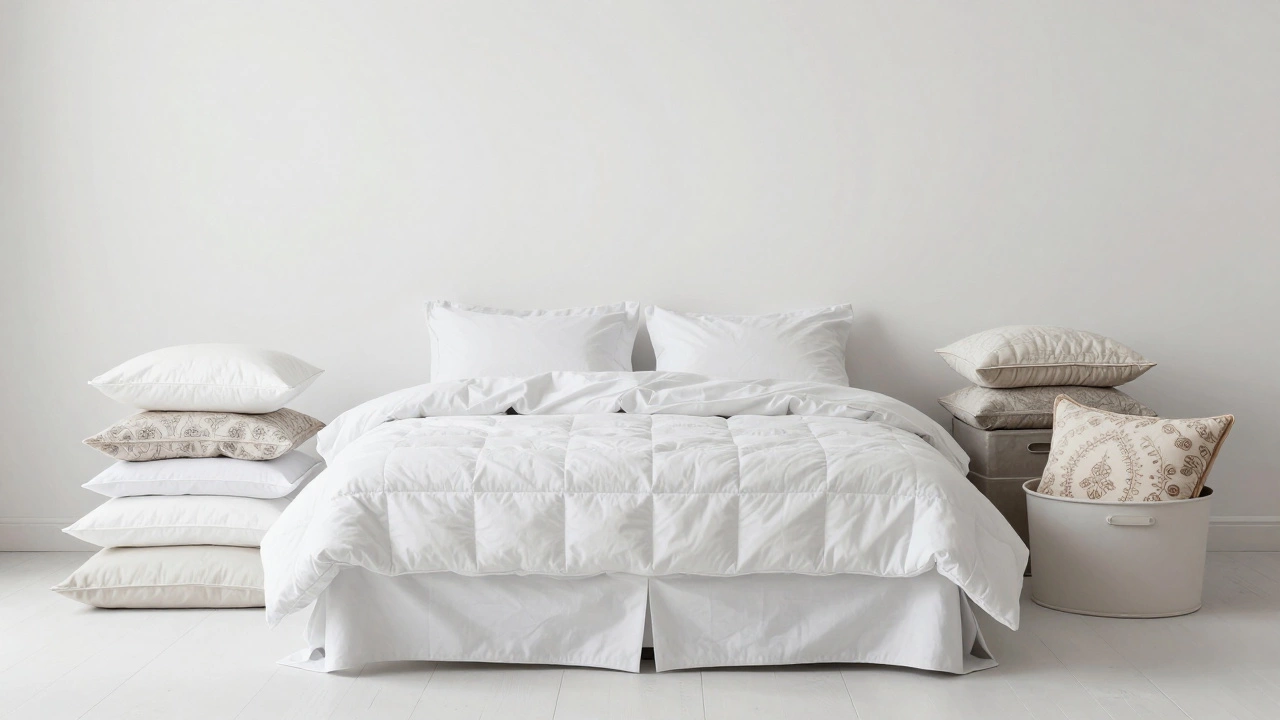
- Decorative pillows-they’re for looks, not sleep.
- Bed skirts-they hide the box spring, but don’t improve comfort.
- Quilts-they’re heavier and harder to wash than duvets.
- Sheets with elastic all around-those are fitted sheets. You don’t need extra.
- Heated blankets-nice, but not basic.
If you’re not using it every night, it’s not part of basic bedding. Keep it stored away.
How Much Should Basic Bedding Cost?
You can build a full set for under £100. Here’s a realistic breakdown for 2026:
| Item | Price Range (£) | Notes |
|---|---|---|
| Fitted + Flat Sheet + 2 Pillowcases | £25-£40 | 100% cotton, 200-400 thread count |
| Mattress Protector | £10-£18 | Waterproof, breathable |
| Light Blanket | £8-£15 | Cotton or wool, secondhand okay |
| Duvet (4.5 tog or 9 tog) | £30-£50 | Synthetic fill, machine washable |
| Pillows (2) | £15-£25 | Synthetic fill, cotton covers |
That’s £88-£148 total. You can go lower if you shop sales, buy secondhand, or start with just the essentials and add over time.
When to Upgrade From Basic Bedding
Basic bedding isn’t a life sentence. It’s a starting point. You upgrade when:
- Your sleep quality drops-like waking up sweaty or stiff
- Your mattress is over 8 years old
- You develop allergies and need hypoallergenic materials
- You want more warmth, cooling, or support
Don’t upgrade because of Instagram. Upgrade because you feel it.
Where to Buy Basic Bedding in the UK
You don’t need to go to a fancy store. Here are the most reliable places for real value:
- John Lewis-good quality, fair prices, free returns
- Next-consistent sizing, frequent sales
- IKEA-affordable, easy to replace
- Amazon-check reviews for "UK size" and wash tests
- Charity shops-great for blankets and pillows
Avoid impulse buys at hotel gift shops or designer outlets. They’re not cheaper-they’re just branded.
Final Thought: Simplicity Wins
Bedding isn’t about how many layers you have. It’s about how well you sleep. People who stick to the basics sleep better, spend less, and waste less. They don’t obsess over thread counts or seasonal collections. They just change their sheets, wash their protector, and go to bed.
If you’re starting from scratch, buy the five core items. Rotate them. Replace them when they wear out. That’s all you need.
What’s the difference between a fitted sheet and a flat sheet?
A fitted sheet has elastic corners that stretch over your mattress to hold it in place. A flat sheet is just a rectangle of fabric that lies flat on top of the fitted sheet. You tuck it under the mattress at the foot and use it as a barrier between you and the duvet. The flat sheet keeps your bedding cleaner and lets you sleep cooler.
Do I need a top sheet if I use a duvet?
Yes, if you want to keep your duvet clean longer. The top sheet acts like a shield. Without it, your duvet gets sweat, dead skin, and oils directly from your body. That means you’ll need to wash your duvet more often-something most people avoid because it’s bulky and expensive. A top sheet is cheap insurance.
Can I use a comforter instead of a duvet in the UK?
You can, but it’s not ideal. Comforters are thicker, harder to wash, and don’t come with removable covers. In the UK’s damp climate, that means they trap moisture and take forever to dry. A duvet with a removable cover is easier to maintain and more breathable. Stick with the duvet system unless you have a specific reason not to.
How often should I wash my bedding?
Wash your sheets and pillowcases every week. Wash your mattress protector every 2-3 months. Wash your duvet cover every 2-4 weeks. The duvet itself only needs cleaning once or twice a year. Blankets can go every 4-6 weeks. Regular washing prevents dust mites, bacteria, and odours.
Is organic cotton worth it for basic bedding?
It’s nice, but not necessary. Organic cotton is grown without pesticides, which is better for the environment. But for basic use, regular cotton is just as comfortable and lasts just as long. Save organic cotton for when you’re ready to upgrade. Focus on weave and thread count first.