
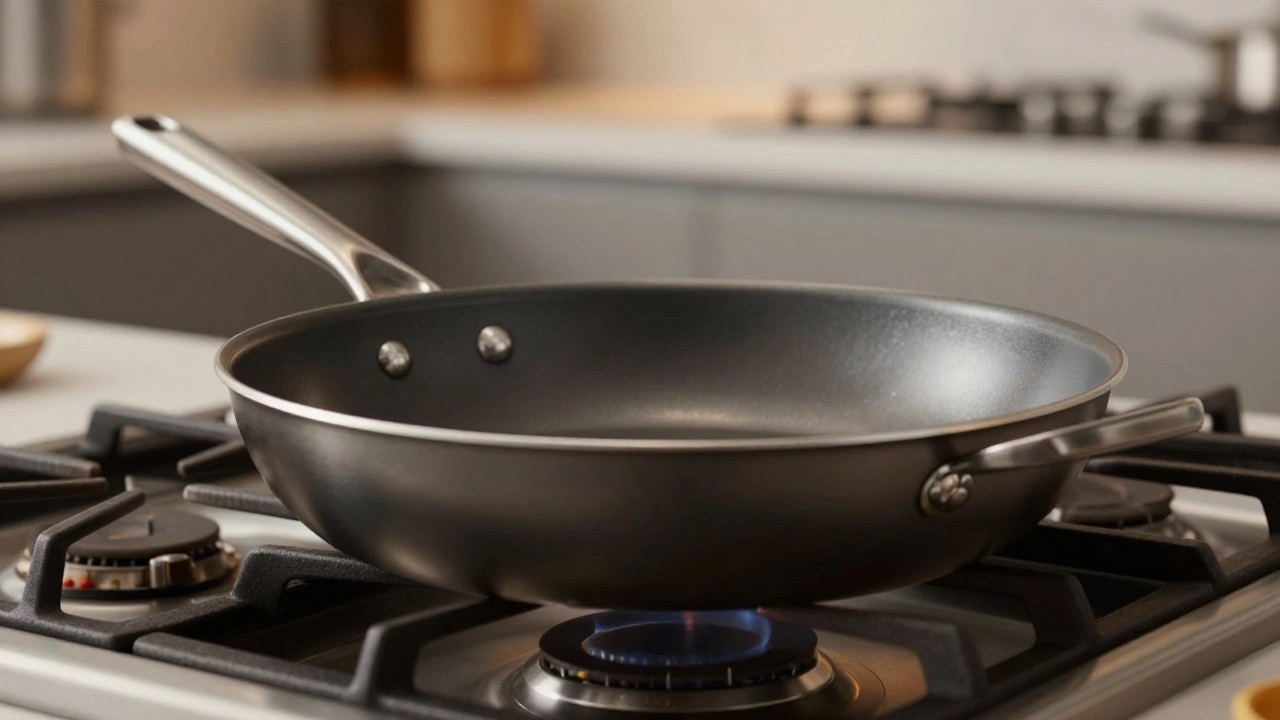
Before we get into the nitty-gritty, here is the quick version: Gordon Ramsay cookware is a range of high-performance kitchen tools, primarily focused on hard-anodized non-stick sets, designed to balance professional durability with home-use convenience. It is not meant for high-heat searing of steaks (you'll want cast iron for that), but it is a powerhouse for everything from omelets to creamy risottos.
The Secret Sauce: What Makes This Gear Different?
If you pick up a pan from this collection, the first thing you'll notice is the weight. It feels solid, but not impossible to lift. The core of the range relies on Hard-Anodized Aluminum. Unlike standard aluminum, this process uses an electrochemical reaction to harden the surface. This makes the pan roughly twice as hard as stainless steel and incredibly resistant to corrosion.
But the real magic is in the coating. Most of these pans use a reinforced Non-Stick Coating. This isn't the thin, flaky stuff you find in cheap grocery store pans. It's a multi-layer system designed to withstand the friction of metal utensils (though you should still be careful) and the repeated stress of daily cooking. Why does this matter? Because in a real kitchen, the biggest enemy of a chef is food sticking to the pan, which ruins the presentation and the texture.
The construction also focuses on heat distribution. Because aluminum is a great conductor, these pans heat up quickly and evenly. You won't find those annoying "hot spots" where the center of your pancake burns while the edges stay raw. This is a direct result of the thick-gauge base that spreads the heat across the entire cooking surface.
Breaking Down the Product Lineup
You can't just buy one "Gordon Ramsay pan"; the line is broken down into specific tools for specific jobs. If you're trying to decide what to add to your cupboard, it helps to look at the specialized roles each piece plays.
| Tool | Primary Material | Best Use Case | Key Attribute |
|---|---|---|---|
| Sauté Pan | Hard-Anodized Aluminum | Reducing sauces, frying | High walls, wide base |
| Skillet / Frying Pan | Non-Stick Aluminum | Eggs, pancakes, searing | Tapered sides for flipping |
| Stock Pot | Aluminum/Steel blend | Soups, boiling pasta | Large volume capacity |
| Saucepan | Hard-Anodized Aluminum | Grains, small sauces | Precision heat control |
For example, the sauté pan is a game-changer if you're making a pan-sauce. The straight sides prevent liquid from evaporating too quickly, which is exactly how professional chefs keep their sauces from breaking. Meanwhile, the frying pans are designed for the "slide"-that moment when an omelet glides right onto the plate without needing a spatula to scrape it off.
How It Performs in a Real Kitchen
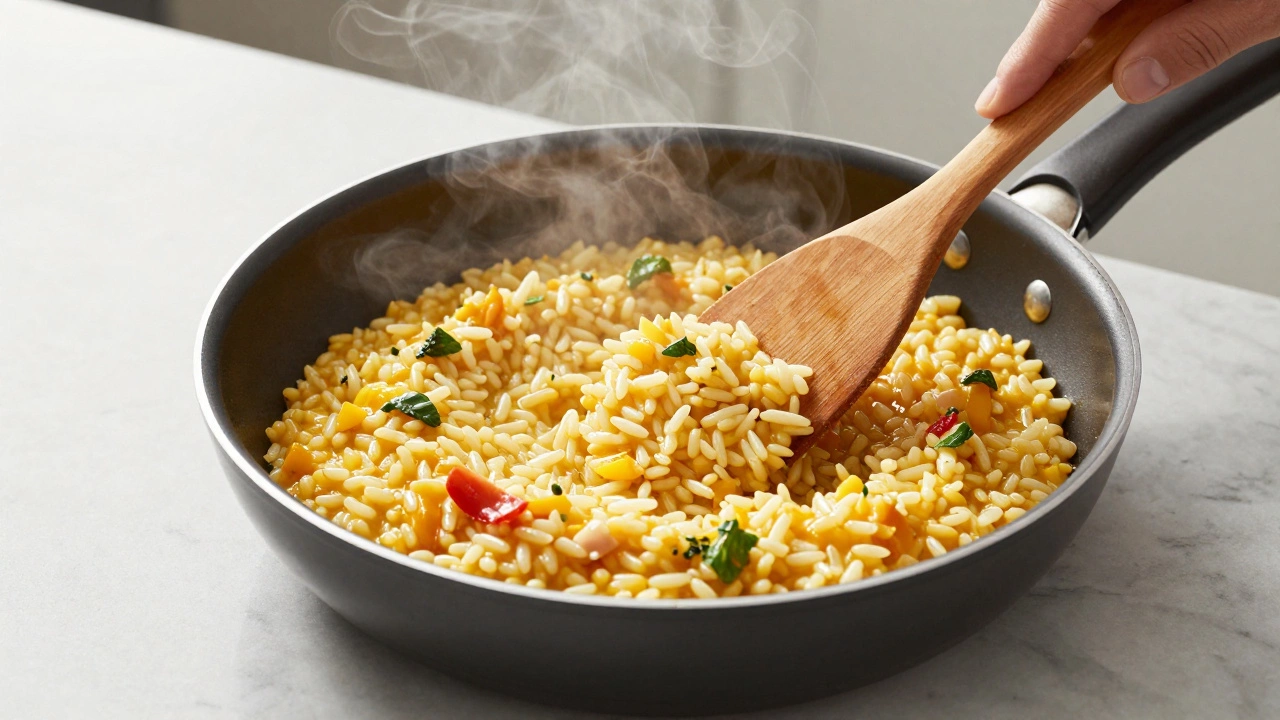
Let's talk about the actual experience of using this gear. When you first fire up a burner, you'll notice the response time is nearly instant. If you're using a gas stove, the heat wraps around the base efficiently. If you're on an Induction Cooktop, make sure you have the specific induction-compatible version, as standard aluminum won't work without a magnetic base.
I've seen people try to use these pans for extreme high-heat searing-like a 10oz ribeye at maximum heat for 10 minutes. Don't do that. High heat can degrade the non-stick properties over time. For that kind of work, you want Cast Iron. However, for the 90% of cooking we actually do-sautéing vegetables, cooking chicken breasts, or simmering a Bolognese-these pans are virtually flawless. The handles stay relatively cool, and the rivets are sturdy, meaning you won't have a handle wobbling in your hand while you're carrying a heavy pot of boiling water.
Comparing the Options: Who Is This For?
Not everyone needs a professional-grade set. If you only cook once a week, a basic set from a big-box store is fine. But if you're someone who views cooking as a hobby or a primary way to feed your family, the investment pays off.
Compared to a fully Stainless Steel set, the Ramsay line is much more forgiving. Stainless steel is great for deglazing and high heat, but it requires a lot of oil and precise temperature control to prevent sticking. The hard-anodized non-stick approach removes that stress. You can use less butter and oil, which is a win for health and a win for your wallet.
The trade-off is longevity. No non-stick pan lasts forever. Even the high-end ones eventually lose their "slickness" after several years of heavy use. However, because of the hard-anodized base, these pans won't warp under heat as easily as cheap aluminum pans, meaning they stay flat on your stove for much longer.
Common Pitfalls and How to Avoid Them
To make your gear last, you have to treat it differently than a cast iron skillet. Here are a few rules of thumb that will save your pans from a premature trip to the bin:
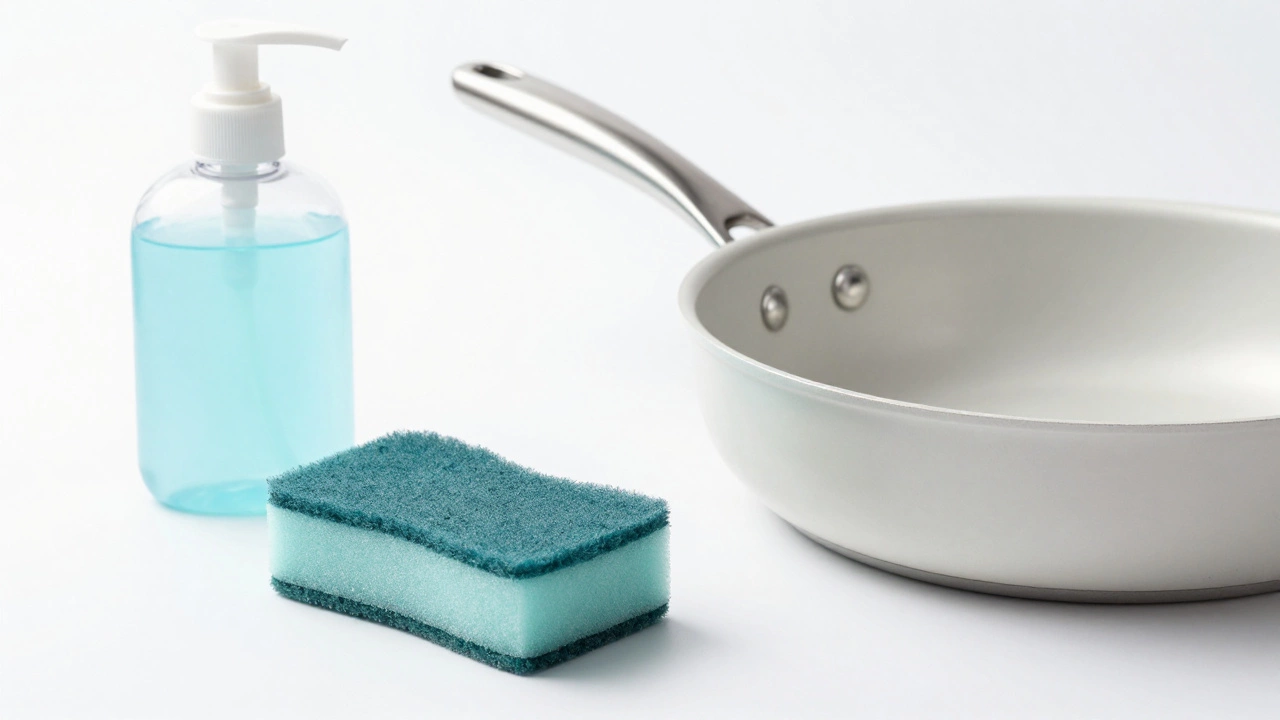
- Avoid the Dishwasher: Even if the box says "dishwasher safe," the harsh chemicals and high heat of a dishwasher act like sandpaper on non-stick coatings. Hand wash with a soft sponge.
- Ditch the Metal Scrubbers: Using a steel wool pad is the fastest way to ruin a non-stick surface. Stick to nylon or silicone.
- Low to Medium Heat: You rarely need "High" on a non-stick pan. The aluminum conducts heat so well that "Medium" is usually plenty for most tasks.
- Cool Down Before Washing: Don't throw a screaming hot pan into cold water. This causes "thermal shock," which can warp the metal and crack the coating.
The Final Verdict on Quality
At the end of the day, this isn't just a marketing gimmick. While the name adds a premium to the price, the actual specs-the gauge of the aluminum, the quality of the rivets, and the density of the coating-are objectively high. It bridges the gap between the fragile non-stick pans of the past and the heavy, high-maintenance cookware of professional kitchens.
If you want a set that makes the actual process of cooking easier, reduces the amount of scrubbing you do after dinner, and gives you consistent results across the pan's surface, this is a solid choice. It takes the guesswork out of heat management, allowing you to focus on the flavors rather than fighting with your equipment.
Are Gordon Ramsay pans PFOA-free?
Yes, modern iterations of the Gordon Ramsay cookware line are designed to be PFOA-free, meeting current safety standards for non-stick coatings to ensure no harmful chemicals leach into your food during cooking.
Can I use metal spatulas with these pans?
While the hard-anodized surface is tougher than standard aluminum, it is still recommended to use silicone or wooden utensils. Metal can create microscopic scratches in the non-stick layer, which will eventually cause food to stick.
Do these pans work on induction stoves?
It depends on the specific model. Standard aluminum is not magnetic and won't work on induction. You must look for the versions specifically labeled as "Induction Compatible," which feature a stainless steel plate bonded to the bottom.
How do these compare to All-Clad or Le Creuset?
All-Clad is known for multi-ply stainless steel, which is better for high-heat searing and lasts a lifetime. Le Creuset focuses on enameled cast iron, ideal for slow-cooking. The Ramsay line is designed for everyday ease and non-stick performance, making it more practical for fast, daily meals but less durable for extreme heat.
Are the handles ergonomically designed?
Yes, the handles are designed for a secure grip and are riveted to the body for maximum stability. They are intended to minimize heat transfer, though they can still get warm if the pan is left on a high flame for an extended period.
Is it worth the price premium?
If you value a balance of weight, heat distribution, and a high-quality non-stick finish, yes. You are paying for the hard-anodized construction which lasts longer than cheap Teflon pans, and the professional design elements that improve cooking efficiency.