
What is the 18 Inch Storage Rule? The Simple Trick to Stop Clutter
Have you ever walked into a room that felt heavy? Not because it was dark or cold, but because it was packed with stuff you don't need? We’ve all been there. You buy a new shelf, hoping it will fix the mess, only to realize three months later that the shelf itself is now buried under a mountain of boxes. It’s frustrating, isn’t it? You want your home to feel open and calm, not like a warehouse for things you bought on impulse.
This is where the 18 inch storage rule comes in. It sounds simple—almost too simple—but it is one of the most effective ways to stop clutter from taking over your life. It’s not just about measuring tape; it’s about resetting how you think about what you own. If you can’t hold it, use it, or love it within an arm’s reach, does it really belong in your home?
The Origin of the 18 Inch Rule
Where did this idea come from? It didn’t start in a fancy design magazine. It started in real homes, with real people who were tired of cleaning. The concept gained traction through minimalist movements and organizing experts who noticed a pattern: clutter accumulates when items are out of sight and out of mind.
The "18 inches" refers to the average length of a human arm’s reach while standing comfortably. Think about it. When you’re cooking, you grab the salt. When you’re working, you grab your pen. These actions happen within that 18-inch zone. Anything further away requires effort. And we humans? We hate effort. So, if something is hard to reach, we leave it there. Then we buy another one. Then we have two. Then we have five.
The rule flips this script. It says: if an item isn’t used frequently enough to be kept within easy reach, it probably doesn’t deserve prime real estate in your home. This isn’t about being stingy with space. It’s about respecting your own energy.
How the Rule Works in Practice
Let’s break down how you actually apply this. You don’t need to measure every single sock drawer with a ruler. That would take forever and drive you crazy. Instead, use your intuition and your arms.
- The Arm’s Reach Test: Stand in front of any storage area—a closet, a pantry, a bookshelf. Can you see and touch everything without stretching, climbing, or digging? If you have to move three other things to get to the one you want, that item fails the test.
- The Frequency Check: How often do you use this item? Daily? Weekly? Once a year? Daily items stay within the 18-inch zone (easy access). Yearly items go into deep storage (garage, attic, or off-site).
- The Emotional Audit: Does this item bring you joy or serve a clear purpose? If the answer is no, and it’s sitting right in front of you, it’s creating visual noise. Visual noise causes stress.
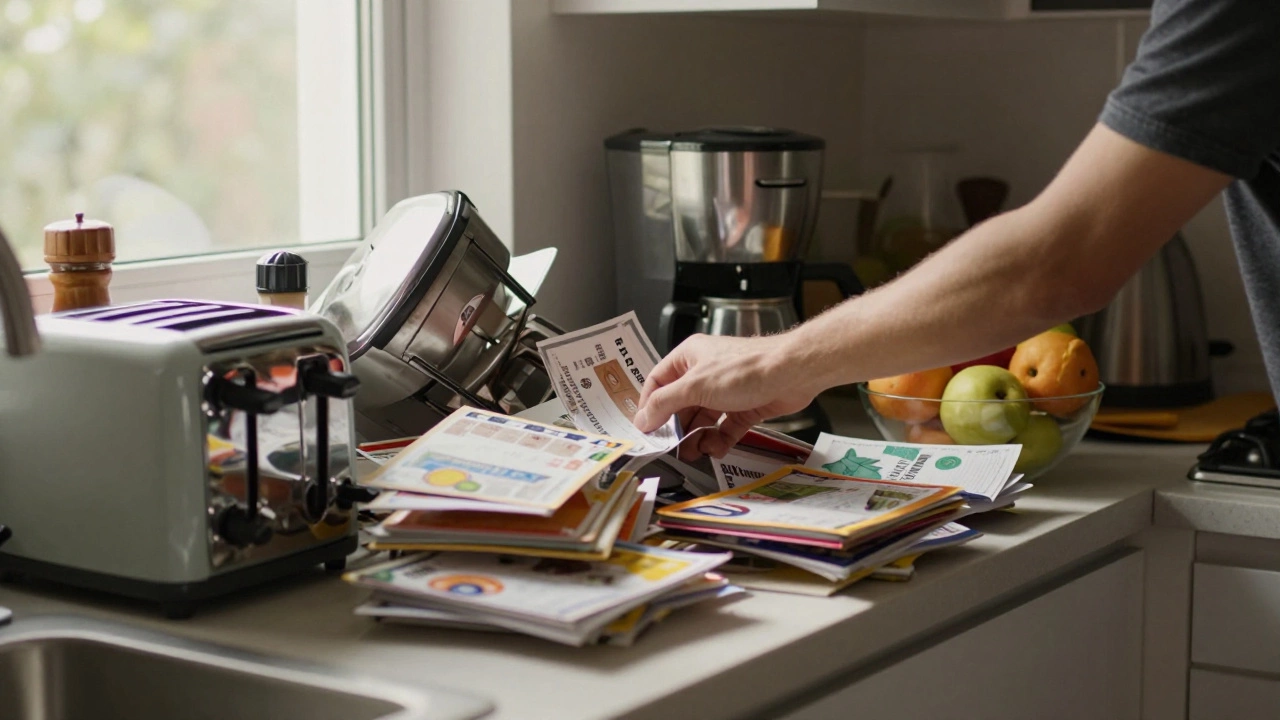
Imagine your kitchen counter. Right now, it might have a toaster, a coffee maker, a fruit bowl, and a stack of mail. The toaster and coffee maker pass the test—you use them daily. The mail? It should be in a tray or gone. The fruit bowl? Maybe. But if it’s hiding behind the toaster, it’s failing the visibility part of the rule. Clear the path. Keep only what serves you right now.
Why Your Brain Loves This Rule
You might wonder why such a small measurement matters so much. It comes down to psychology. Our brains are wired to notice clutter. Every object in your field of view demands a tiny bit of attention. Psychologists call this "cognitive load." The more stuff you see, the more tired you feel, even if you haven’t done any physical work.
By enforcing the 18-inch rule, you reduce cognitive load. You create a buffer zone around yourself. When you sit at your desk, you only see what you need for today’s tasks. When you walk into your bedroom, you only see what helps you rest. This creates a sense of control. And control reduces anxiety.
Think of it like editing a photo. You crop out the distracting background so the main subject stands out. In your home, you are the subject. Everything else is just support. If the support gets too loud, it drowns out the main act.
Applying the Rule to Different Rooms
Every room has different needs. Let’s look at how the 18-inch rule changes depending on where you are.
The Kitchen
This is the hardest room for many people. We love gadgets. We buy a garlic press, then a chopper, then a slicer. Do you use all three every day? Probably not. Keep the one you use most within arm’s reach of the stove. Store the others in a cabinet, or better yet, donate them. A clear counter means less time cleaning and more time enjoying your food.
The Bedroom
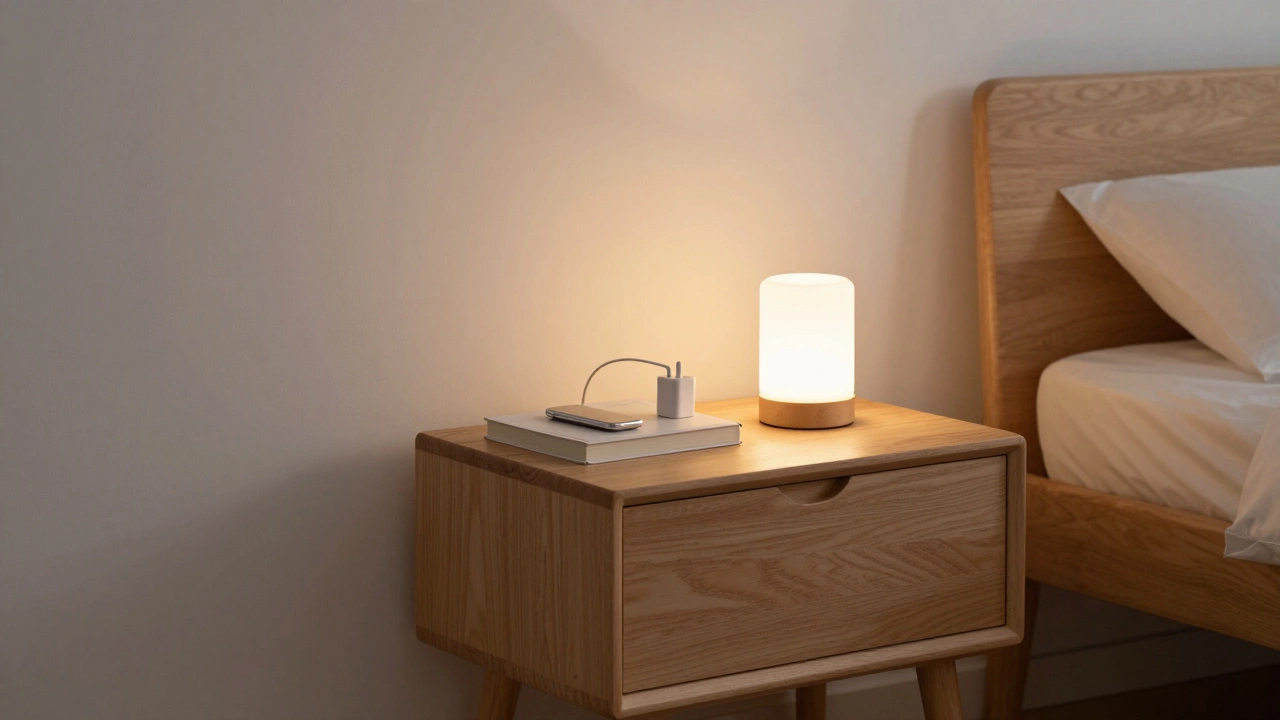
Your bedroom should be a sanctuary. If your nightstand is covered in books, chargers, and old receipts, you’re carrying the day’s stress into your sleep. Apply the rule here strictly. Only keep what you need for tonight: a lamp, maybe a book, a phone charger. Everything else goes elsewhere. This signals to your brain that it’s time to rest.
The Home Office
Distraction is the enemy of productivity. If your desk is full of projects from last month, you’ll feel overwhelmed before you start today’s work. Use the 18-inch rule to define your "active workspace." Only current projects stay here. Finished files go into archival storage. Supplies you rarely use go into a drawer. This keeps your focus sharp.
| Room | Keep Within 18 Inches | Move to Deep Storage |
|---|---|---|
| Kitchen | Daily utensils, spices, coffee maker | Seasonal bakeware, extra appliances |
| Bedroom | Lamp, current book, phone charger | Old clothes, guest bedding, decor |
| Bathroom | Toiletries, towel, toothbrush | Extra towels, unused cosmetics |
| Office | Current project files, laptop, pen | Past tax records, old manuals |
Common Mistakes People Make
Even good intentions can go wrong. Here are the traps to avoid.
Mistake 1: Hoarding "Just in Case" Items. You keep that box of cables from 2015 because you might need a USB-A connector someday. Spoiler: you won’t. Technology moves fast. If you haven’t used it in two years, let it go. The 18-inch rule forces you to confront these "just in case" items. If they aren’t useful now, they don’t get prime space.
Mistake 2: Ignoring Vertical Space. The rule isn’t just about horizontal distance. It’s also about eye level. Items stored high up or low down are harder to access. If you have to stand on a chair to get your winter coats, they fail the ease-of-use test. Rotate your storage seasonally. Keep summer clothes at eye level in summer, and vice versa.
Mistake 3: Applying It Too Strictly Too Soon. Don’t try to fix your whole house in one weekend. You’ll burn out. Start with one drawer. One shelf. Master the 18-inch rule there. See how it feels. Then move to the next spot. Small wins build momentum.
When the Rule Doesn’t Apply
Is the 18-inch rule perfect? No. Life is messy. Sometimes you need to store things that don’t fit the criteria.
For example, parents with young children might need toys scattered around. Artists need materials visible for inspiration. Collectors need display space for their hobbies. In these cases, adapt the rule. Maybe your "arm’s reach" expands to 3 feet for creative tools. Or maybe you designate a "play zone" where clutter is allowed, as long as it stays contained.
The goal isn’t perfection. The goal is intentionality. Are you keeping things because you want to, or because you forgot you had them? The 18-inch rule helps you find the answer.
Getting Started Today
You don’t need to buy anything. You don’t need to hire an organizer. Just pick one spot. Look at it. Ask yourself: "Do I use this daily? Can I reach it easily?" If the answer is no, move it. Donate it. Toss it.
Try this: Go to your junk drawer. Take everything out. Put back only what you used in the last week. Measure the space. Did it shrink? Of course it did. Now imagine doing that to every surface in your home. The result isn’t just a cleaner house. It’s a clearer mind.
The 18-inch storage rule is more than a trick. It’s a lifestyle shift. It teaches you to value your time and space more than your possessions. And in a world that constantly tries to sell you more stuff, that’s a powerful rebellion.
Have you ever walked into a room that felt heavy? Not because it was dark or cold, but because it was packed with stuff you don't need? We’ve all been there. You buy a new shelf, hoping it will fix the mess, only to realize three months later that the shelf itself is now buried under a mountain of boxes. It’s frustrating, isn’t it? You want your home to feel open and calm, not like a warehouse for things you bought on impulse.
This is where the 18 inch storage rule comes in. It sounds simple-almost too simple-but it is one of the most effective ways to stop clutter from taking over your life. It’s not just about measuring tape; it’s about resetting how you think about what you own. If you can’t hold it, use it, or love it within an arm’s reach, does it really belong in your home?
The Origin of the 18 Inch Rule
Where did this idea come from? It didn’t start in a fancy design magazine. It started in real homes, with real people who were tired of cleaning. The concept gained traction through minimalist movements and organizing experts who noticed a pattern: clutter accumulates when items are out of sight and out of mind.
The "18 inches" refers to the average length of a human arm’s reach while standing comfortably. Think about it. When you’re cooking, you grab the salt. When you’re working, you grab your pen. These actions happen within that 18-inch zone. Anything further away requires effort. And we humans? We hate effort. So, if something is hard to reach, we leave it there. Then we buy another one. Then we have two. Then we have five.
The rule flips this script. It says: if an item isn’t used frequently enough to be kept within easy reach, it probably doesn’t deserve prime real estate in your home. This isn’t about being stingy with space. It’s about respecting your own energy.
How the Rule Works in Practice
Let’s break down how you actually apply this. You don’t need to measure every single sock drawer with a ruler. That would take forever and drive you crazy. Instead, use your intuition and your arms.
- The Arm’s Reach Test: Stand in front of any storage area-a closet, a pantry, a bookshelf. Can you see and touch everything without stretching, climbing, or digging? If you have to move three other things to get to the one you want, that item fails the test.
- The Frequency Check: How often do you use this item? Daily? Weekly? Once a year? Daily items stay within the 18-inch zone (easy access). Yearly items go into deep storage (garage, attic, or off-site).
- The Emotional Audit: Does this item bring you joy or serve a clear purpose? If the answer is no, and it’s sitting right in front of you, it’s creating visual noise. Visual noise causes stress.
Imagine your kitchen counter. Right now, it might have a toaster, a coffee maker, a fruit bowl, and a stack of mail. The toaster and coffee maker pass the test-you use them daily. The mail? It should be in a tray or gone. The fruit bowl? Maybe. But if it’s hiding behind the toaster, it’s failing the visibility part of the rule. Clear the path. Keep only what serves you right now.
Why Your Brain Loves This Rule
You might wonder why such a small measurement matters so much. It comes down to psychology. Our brains are wired to notice clutter. Every object in your field of view demands a tiny bit of attention. Psychologists call this "cognitive load." The more stuff you see, the more tired you feel, even if you haven’t done any physical work.
By enforcing the 18-inch rule, you reduce cognitive load. You create a buffer zone around yourself. When you sit at your desk, you only see what you need for today’s tasks. When you walk into your bedroom, you only see what helps you rest. This creates a sense of control. And control reduces anxiety.
Think of it like editing a photo. You crop out the distracting background so the main subject stands out. In your home, you are the subject. Everything else is just support. If the support gets too loud, it drowns out the main act.
Applying the Rule to Different Rooms
Every room has different needs. Let’s look at how the 18-inch rule changes depending on where you are.
The Kitchen
This is the hardest room for many people. We love gadgets. We buy a garlic press, then a chopper, then a slicer. Do you use all three every day? Probably not. Keep the one you use most within arm’s reach of the stove. Store the others in a cabinet, or better yet, donate them. A clear counter means less time cleaning and more time enjoying your food.
The Bedroom
Your bedroom should be a sanctuary. If your nightstand is covered in books, chargers, and old receipts, you’re carrying the day’s stress into your sleep. Apply the rule here strictly. Only keep what you need for tonight: a lamp, maybe a book, a phone charger. Everything else goes elsewhere. This signals to your brain that it’s time to rest.
The Home Office
Distraction is the enemy of productivity. If your desk is full of projects from last month, you’ll feel overwhelmed before you start today’s work. Use the 18-inch rule to define your "active workspace." Only current projects stay here. Finished files go into archival storage. Supplies you rarely use go into a drawer. This keeps your focus sharp.
| Room | Keep Within 18 Inches | Move to Deep Storage |
|---|---|---|
| Kitchen | Daily utensils, spices, coffee maker | Seasonal bakeware, extra appliances |
| Bedroom | Lamp, current book, phone charger | Old clothes, guest bedding, decor |
| Bathroom | Toiletries, towel, toothbrush | Extra towels, unused cosmetics |
| Office | Current project files, laptop, pen | Past tax records, old manuals |
Common Mistakes People Make
Even good intentions can go wrong. Here are the traps to avoid.
Mistake 1: Hoarding "Just in Case" Items. You keep that box of cables from 2015 because you might need a USB-A connector someday. Spoiler: you won’t. Technology moves fast. If you haven’t used it in two years, let it go. The 18-inch rule forces you to confront these "just in case" items. If they aren’t useful now, they don’t get prime space.
Mistake 2: Ignoring Vertical Space. The rule isn’t just about horizontal distance. It’s also about eye level. Items stored high up or low down are harder to access. If you have to stand on a chair to get your winter coats, they fail the ease-of-use test. Rotate your storage seasonally. Keep summer clothes at eye level in summer, and vice versa.
Mistake 3: Applying It Too Strictly Too Soon. Don’t try to fix your whole house in one weekend. You’ll burn out. Start with one drawer. One shelf. Master the 18-inch rule there. See how it feels. Then move to the next spot. Small wins build momentum.
When the Rule Doesn’t Apply
Is the 18-inch rule perfect? No. Life is messy. Sometimes you need to store things that don’t fit the criteria.
For example, parents with young children might need toys scattered around. Artists need materials visible for inspiration. Collectors need display space for their hobbies. In these cases, adapt the rule. Maybe your "arm’s reach" expands to 3 feet for creative tools. Or maybe you designate a "play zone" where clutter is allowed, as long as it stays contained.
The goal isn’t perfection. The goal is intentionality. Are you keeping things because you want to, or because you forgot you had them? The 18-inch rule helps you find the answer.
Getting Started Today
You don’t need to buy anything. You don’t need to hire an organizer. Just pick one spot. Look at it. Ask yourself: "Do I use this daily? Can I reach it easily?" If the answer is no, move it. Donate it. Toss it.
Try this: Go to your junk drawer. Take everything out. Put back only what you used in the last week. Measure the space. Did it shrink? Of course it did. Now imagine doing that to every surface in your home. The result isn’t just a cleaner house. It’s a clearer mind.
The 18-inch storage rule is more than a trick. It’s a lifestyle shift. It teaches you to value your time and space more than your possessions. And in a world that constantly tries to sell you more stuff, that’s a powerful rebellion.
Does the 18 inch rule mean I can only own 18 inches worth of stuff?
No, that’s a common misunderstanding. The rule applies to accessible storage, not your total ownership. You can have lots of things, but only the ones you use regularly should be within easy reach. Rarely used items should be stored away in closets, attics, or off-site units.
How do I handle seasonal items like winter coats?
Rotate your storage. In winter, keep coats within the 18-inch zone (easy to grab when leaving). In summer, move them to deep storage (top of closet or under bed) and bring out summer jackets. This keeps your daily space relevant to the current season.
Is this rule suitable for small apartments?
Absolutely. In fact, it’s essential for small spaces. When square footage is limited, every inch counts. The 18-inch rule helps you prioritize what truly matters, preventing your small apartment from feeling cramped and chaotic.
What if I have kids and toys everywhere?
Adapt the rule. Create a designated "play zone" where toys are allowed to be accessible. Outside that zone, enforce the 18-inch rule strictly. Rotate toys monthly so only a few are out at a time. This reduces clutter while still allowing play.
How often should I review my storage using this rule?
Aim for a quick check every month and a deeper audit every season. As your life changes, so do your needs. What you used daily six months ago might be obsolete now. Regular reviews prevent clutter from creeping back in.